Behelit Berserk Necklace Troubleshooting: Repairs & Care Guide
Is your Behelit Berserk necklace tarnishing or breaking? Learn expert troubleshooting tips to fix paint chips, chain snaps, and metal allergies.

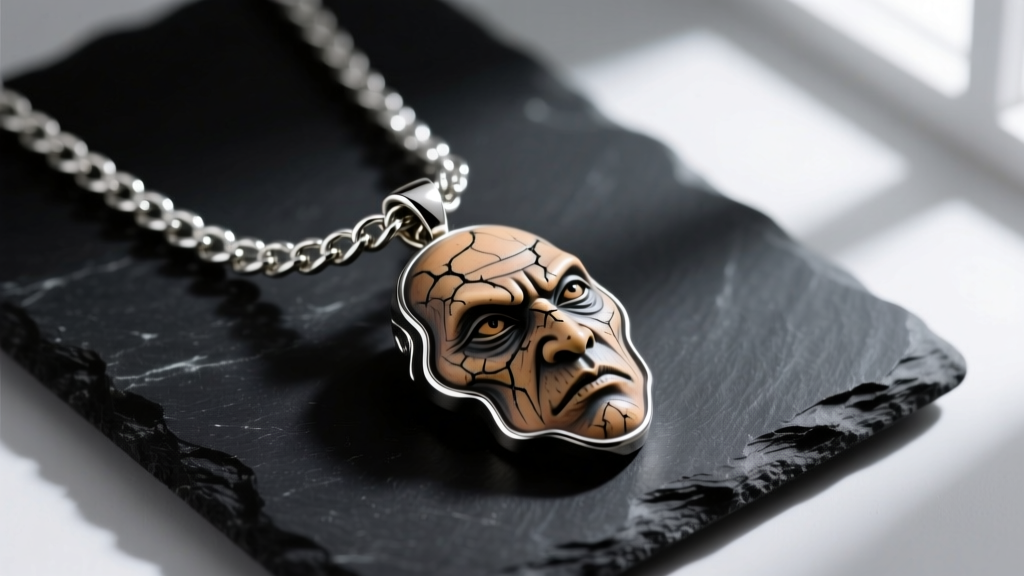
The Anatomy of a Failing Behelit Replica
The Crimson Behelit, often referred to as the Egg of the King in Kentaro Miura’s legendary dark fantasy epic Berserk, is one of the most iconic and grotesque artifacts in anime and manga history. For fans, wearing a Behelit Berserk necklace is a badge of honor. However, the reality of mass-produced anime merchandise often falls short of the artifact's mythical durability. Most affordable replicas are cast from Zamak (a porous zinc alloy) and finished with cheap enamel paints that quickly degrade.
As a jewelry specialist, I see the same failure modes repeatedly with fantasy pendants: asymmetrical weight distribution causing chain shear, acidic sweat reacting with base metals, and recessed enamel chipping away from the facial features. If your prized Behelit is showing signs of the Eclipse, do not despair. This comprehensive troubleshooting guide will walk you through exact, professional-grade repairs to restore your necklace to its former glory.
Troubleshooting Common Behelit Pendant Issues
Issue 1: Paint Chipping and Facial Feature Fading
The most striking feature of the Crimson Behelit is its chaotic arrangement of eyes, noses, and mouths. In factory replicas, these recessed areas are typically filled with low-grade acrylic or epoxy enamel. Over time, body heat, friction against clothing, and UV exposure cause this paint to crack, pool, or flake away entirely, leaving the pendant looking like a blank, featureless egg.
The Fix: Do not use standard nail polish or hardware store spray paints. Instead, turn to high-quality scale model paints. Brands like Tamiya or Citadel offer precise, durable enamels. Use a fine-tipped toothpick or a 000-size detail brush to carefully apply the paint into the recessed features. For the iconic acidic green tones often seen on high-end replicas, mix a base of olive drab with a translucent clear green. Once the paint has cured for 24 hours, you must seal it. Apply a micro-thin layer of Rio Grande's ProtectaClear or a jewelry-grade two-part clear epoxy resin over the painted areas to lock the pigment in place and provide a glass-like, scratch-resistant finish.
Issue 2: The "Egg of the King" Turning Your Skin Green
There is nothing more frustrating than removing your Behelit Berserk necklace to find a dark green or black ring stamped into your sternum. This is not a curse from the God Hand; it is a basic chemical reaction. Most budget replicas are made from brass or zinc alloys containing high levels of copper. When copper mixes with the natural salts, oils, and slightly acidic pH of your sweat, it creates copper chloride—a green salt that transfers directly to your skin.
The Fix: You need to create a microscopic barrier between the metal and your epidermis. While clear nail polish is a common internet hack, it yellows, peels, and traps moisture against the metal, accelerating corrosion underneath. The professional solution is Renaissance Micro-Crystalline Wax. Originally developed by the British Museum to protect antiquities, this pH-neutral wax buffed into the back of the pendant will prevent oxidation and skin staining for months. Reapply a thin coat every few weeks depending on how often you wear the piece.
Issue 3: Chain Snapping Under the Pendant's Weight
The Behelit is a dense, top-heavy, and asymmetrical pendant. A standard replica can weigh anywhere from 40 to 65 grams. Many sellers pair these heavy pendants with flimsy 1.5mm cable chains or weak, unsoldered jump rings. The constant friction of the pendant's bail rubbing against a thin jump ring acts like a saw, eventually shearing the metal and sending your Egg of the King to the floor.
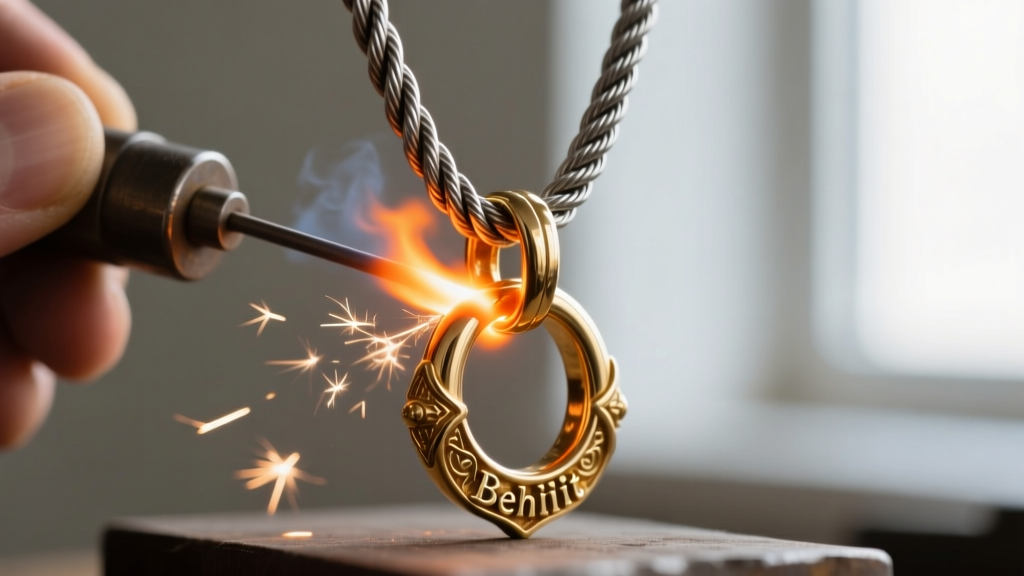
The Fix: You must upgrade both the chain and the connection hardware. Discard the factory chain. According to jewelry repair standards outlined by Ganoksin, a heavy pendant requires a chain with high tensile strength and interlocking links. Upgrade to a 3.5mm to 4.0mm Wheat Chain or a 4.0mm Rope Chain in stainless steel or solid sterling silver. Furthermore, replace the split jump ring connecting the bail to the chain with a 14-gauge or 16-gauge closed, soldered jump ring. A soldered ring eliminates the weak point where the chain normally slips through and snaps.
Material Comparison: Upgrading Your Crimson Behelit
If your current replica is beyond repair, or you are tired of constantly maintaining a base-metal casting, it may be time to invest in a premium material. Here is how the most common Behelit necklace materials stack up against each other in terms of longevity and wearability.
| Material Grade | Average Weight | Durability & Detail | Tarnish / Allergy Risk | Market Price Range |
|---|---|---|---|---|
| Zamak (Zinc Alloy) | 45g - 65g | Low (Porous, loses detail over time) | High (Pitting, skin staining) | $15 - $35 |
| Solid Brass / Bronze | 50g - 70g | Medium (Casts well, develops patina) | Medium (Will turn skin green without sealing) | $40 - $80 |
| 3D Printed Resin | 15g - 25g | High (Extreme detail, lightweight) | Low (Hypoallergenic, but brittle) | $25 - $60 |
| Sterling Silver (925) | 60g - 90g | Excellent (Heirloom quality, sharp casting) | Low (Hypoallergenic, easy to polish) | $150 - $350+ |
For the ultimate collector, a custom-cast Sterling Silver Behelit is the pinnacle. Silver naturally resists the pitting that destroys Zamak, and its bright, polished surface makes the painted crimson and green facial features pop with striking contrast.
Step-by-Step Restoration Guide for Vintage Replicas
If you have owned your Behelit Berserk necklace for years and it has accumulated a thick layer of grime, oxidized oils, and tarnish, you need to perform a deep restoration. Warning: Never put a painted or enameled anime pendant into an ultrasonic jewelry cleaner. The high-frequency vibrations will shatter the enamel and strip the paint from the facial features instantly.
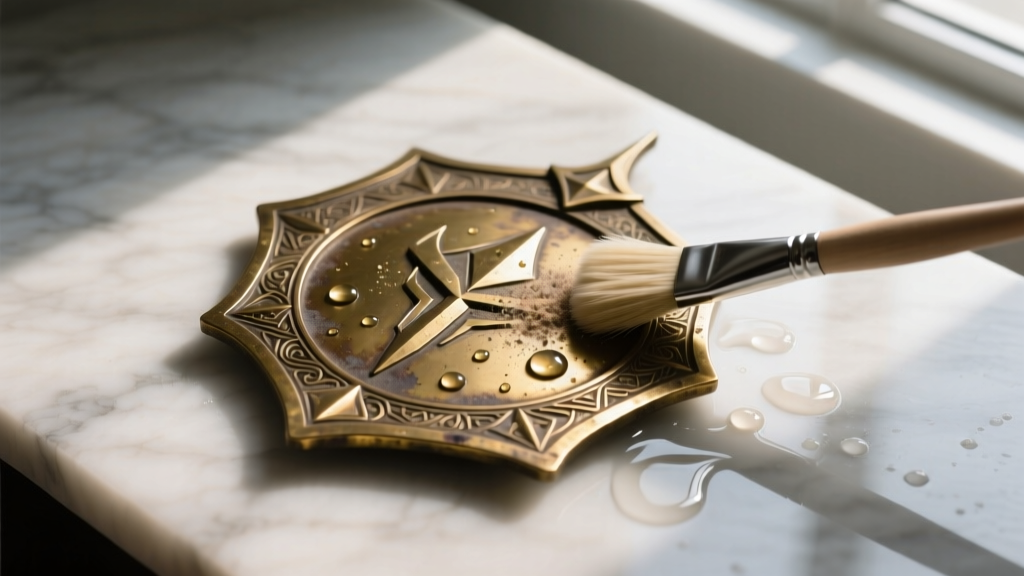
- The Degreasing Bath: Mix a few drops of mild, phosphate-free dish soap (like Dawn) into a bowl of lukewarm water. Submerge the pendant for 10 minutes to loosen body oils and dead skin trapped in the deep crevices of the faces.
- Agitation: Using an extra-soft baby toothbrush, gently agitate the crevices. Do not scrub the painted eyes or mouths; lightly glide over them.
- The Rinse and Dry: Rinse thoroughly under distilled water (tap water contains minerals that can leave water spots on raw metal). Immediately dry with a microfiber cloth, and use a hairdryer on a cool setting to blow moisture out of the deep recesses.
- Polishing (Unpainted Areas Only): If the metal body of the Behelit is tarnished, use a jeweler's rouge cloth to buff the high-relief areas. Avoid the recessed, painted features entirely.
- Final Sealing: Once completely dry, apply your micro-crystalline wax or liquid jewelry sealant to protect the restored surface.
Sourcing Authentic-Grade Berserk Jewelry
The market is flooded with identical, drop-shipped Zamak replicas. If you are looking to replace a broken piece with something that honors Kentaro Miura’s masterpiece, seek out independent silversmiths and specialized fantasy jewelers on platforms like Etsy. Look for artisans who use the lost-wax casting method, which captures the terrifying, organic textures of the Behelit far better than cheap rubber-mold die casting. Always verify the artist's licensing or their commitment to small-batch, respectful fan-art creations to ensure you are funding genuine craftsmanship rather than mass-produced factories.
Final Thoughts on Maintaining the Eclipse
A Behelit Berserk necklace is more than just a piece of anime merchandise; it is a conversation starter, a symbol of resilience, and a wearable piece of dark art. By understanding the metallurgy of your pendant, upgrading to a heavy-duty wheat chain, and properly sealing the intricate enamel work, you can ensure your Egg of the King survives the trials of daily wear. Treat your jewelry with the same meticulous care that Guts treats the Dragon Slayer, and it will last a lifetime.


