Troubleshooting a Tarnished or Broken Compact Disc Necklace
Learn how to fix peeling foil, detached bails, and sharp edges on your favorite upcycled compact disc necklace with expert jewelry repair techniques.

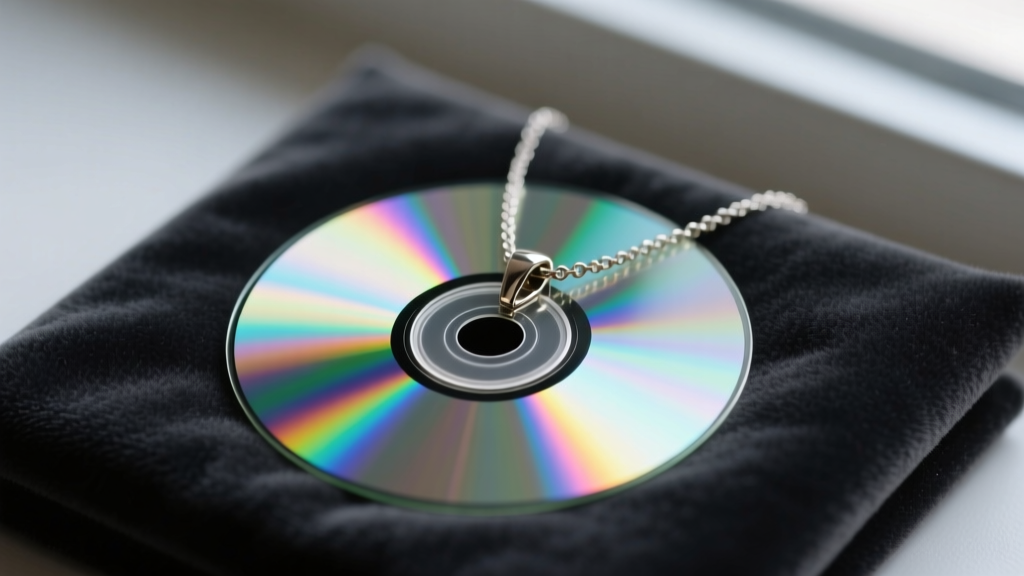
The Anatomy of a Compact Disc Necklace
Upcycled jewelry continues to dominate sustainable fashion trends in 2026, and the compact disc necklace remains a staple of Y2K-inspired aesthetics. However, transforming a polycarbonate data storage medium into wearable art presents unique structural challenges. Unlike sterling silver or gold, a CD is composed of a polycarbonate plastic substrate, a microscopically thin aluminum or silver alloy reflective layer, and a fragile acrylic lacquer topcoat. When these layers are cut, drilled, or exposed to skin oils, they degrade rapidly. This guide provides expert-level troubleshooting for the most common failures encountered with upcycled CD pendants, ensuring your jewelry survives daily wear.
Diagnosing Common Failures
Before applying any fixes, you must accurately diagnose the failure point. The three most frequent issues with a compact disc necklace include:
- Foil Delamination: The iridescent reflective layer flakes away from the clear plastic base, usually starting at the cut edges.
- Bail Detachment: The metal loop (bail) glued to the top of the pendant snaps off, often taking a layer of the plastic or foil with it.
- Edge Abrasion: Razor-sharp cut edges slice through leather cords, silk threads, or metal chains, causing the necklace to break unexpectedly.
Troubleshooting Foil Peeling and Delamination
The acrylic lacquer protecting the reflective foil on a CD is only microns thick. Cutting the disc with scissors or a craft knife introduces micro-fractures and exposes the vulnerable aluminum layer to oxygen and moisture, leading to rapid oxidation and peeling. Many DIY guides suggest using clear nail polish to seal the edges, but this is a critical error. Nail polish contains volatile solvents like ethyl acetate that will chemically attack the polycarbonate, causing environmental stress cracking (crazing) and permanently clouding the pendant.
The Encapsulation Solution
To permanently halt delamination, you must encapsulate the pendant using a solvent-free sealant. UV doming resin is the industry standard for this application. According to the experts at Resin Obsession, using a UV resin formulated with HALS (Hindered Amine Light Stabilizers) will prevent the resin from yellowing over time while providing a hard, glass-like shell that locks the foil in place.
| Sealant Type | Cure Time | UV Resistance | Best Application |
|---|---|---|---|
| UV Doming Resin (HALS) | 2-5 mins (UV lamp) | High | Full encapsulation, high-gloss finish |
| Two-Part Jewelry Epoxy | 5-30 mins | Moderate | Structural bonding, thick edge coating |
| Water-based Polyurethane | 2-4 hours | Low | Temporary matte sealing (not recommended) |
Fixing Bail Detachment and Adhesive Failures
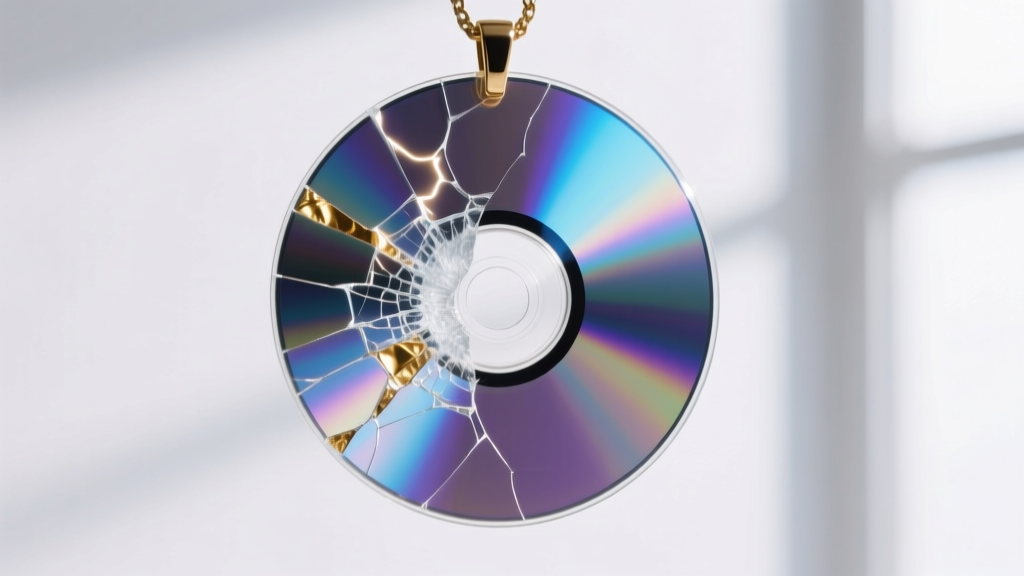
If the metal bail on your compact disc necklace has snapped off, simply re-gluing it with standard craft adhesive will result in another failure. Polycarbonate is a non-porous plastic with low surface energy, meaning flexible adhesives like E6000 or standard hot glue cannot form a lasting mechanical bond. Furthermore, the natural oils from your skin will degrade the adhesive bond line over time.
Mechanical Scoring and Chemical Bonding
To achieve a permanent bond, you must combine mechanical scoring with a rigid adhesive. First, use a 400-grit diamond needle file to gently score the back of the polycarbonate where the bail will sit. This creates microscopic grooves for the adhesive to grip. Next, use a cyanoacrylate specifically formulated for plastics (such as the Loctite Plastics Bonding System) or a high-viscosity two-part epoxy. Apply a microscopic drop to the scored area, press the bail firmly, and hold for 60 seconds. For a completely glue-free alternative, consider learning wire-wrapping techniques to create a custom bezel cage, as recommended by the Fire Mountain Gems Encyclopedia.
Smoothing Sharp Edges and Preventing Cord Fraying
A freshly cut compact disc necklace is essentially a circular razor blade. The polycarbonate edge will quickly sever cotton, leather, or silk cords through friction. To prevent this, the edges must be sanded and polished to a smooth, rounded bevel. This process requires wet sanding to prevent heat buildup, which can warp the plastic substrate and melt the reflective foil.
The Wet-Sanding Progression
Follow this exact grit progression using silicon carbide wet/dry sandpaper:
- 400 Grit: Removes the bulk of the sharp cutting edge and establishes a 45-degree bevel. Keep the paper and pendant submerged in distilled water.
- 800 Grit: Smooths out the deep scratches left by the 400-grit paper.
- 1500 Grit: Begins the polishing phase, turning the frosted edge translucent.
- 3000 Grit: Final polish, resulting in a smooth, glass-like edge that will not abrade necklace cords.
Always sand in a single direction rather than sawing back and forth to prevent lifting the delicate foil layer at the edge seam.
Safe Cleaning Protocols for Iridescent Pendants
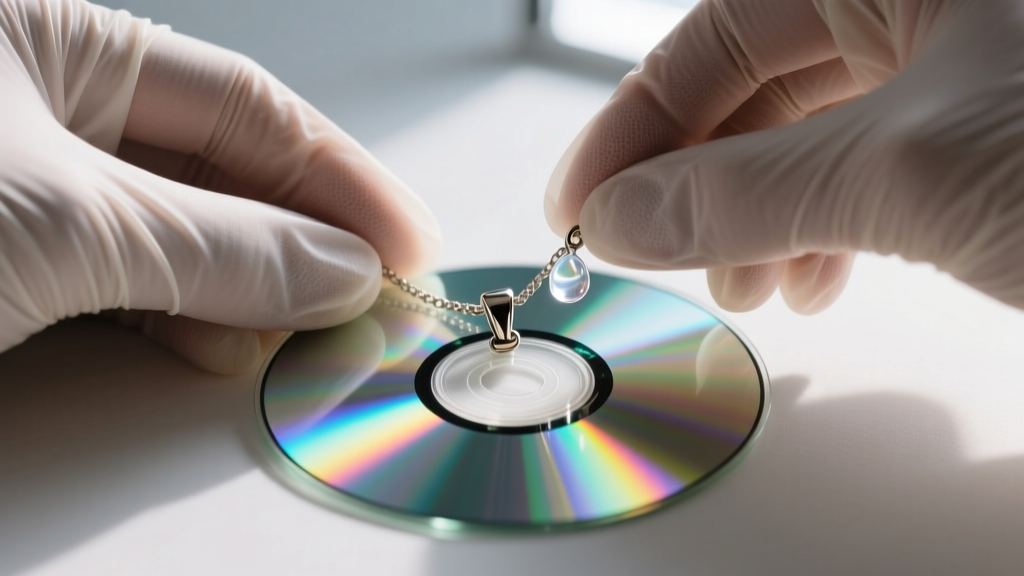
Maintaining the brilliant rainbow iridescence of a compact disc necklace requires strict adherence to material-safe cleaning protocols. Because the pendant is primarily made of polycarbonate and thin metallic foils, it is highly susceptible to chemical damage. Never use rubbing alcohol, acetone, ammonia-based glass cleaners, or ultrasonic jewelry cleaners. Alcohol and acetone will instantly cause the polycarbonate to craze (develop a web of internal micro-cracks), permanently destroying the structural integrity and optical clarity of the piece.
The Microfiber and Distilled Water Method
When the pendant accumulates skin oils, lotions, or environmental dust, clean it using a solution of one drop of pH-neutral dish soap (like Dawn) mixed with four ounces of distilled water. Dip a clean, lint-free microfiber cloth into the solution, wring it out until it is only slightly damp, and gently wipe the surface of the pendant. Dry it immediately with a second dry microfiber cloth. As noted by The Spruce Crafts, avoiding harsh chemicals and abrasive polishing cloths is the golden rule for preserving alternative and upcycled jewelry materials.
Conclusion
A compact disc necklace is a beautiful piece of sustainable, nostalgic art, but it requires specialized care that differs vastly from traditional metallurgy. By understanding the chemical vulnerabilities of polycarbonate and the mechanical limitations of the reflective foil, you can troubleshoot and repair your pendants to last for years. Whether you are encapsulating the foil in UV resin, mechanically scoring the plastic for bail adhesion, or wet-sanding the edges to protect your cords, these professional techniques will elevate your upcycled jewelry from a fragile craft project to a durable, wearable masterpiece.


