How to Fix Broken Necklace Chains by Material Type
Learn how to fix broken necklace chains based on metal properties. Compare soldering, laser welding, and re-stringing methods.

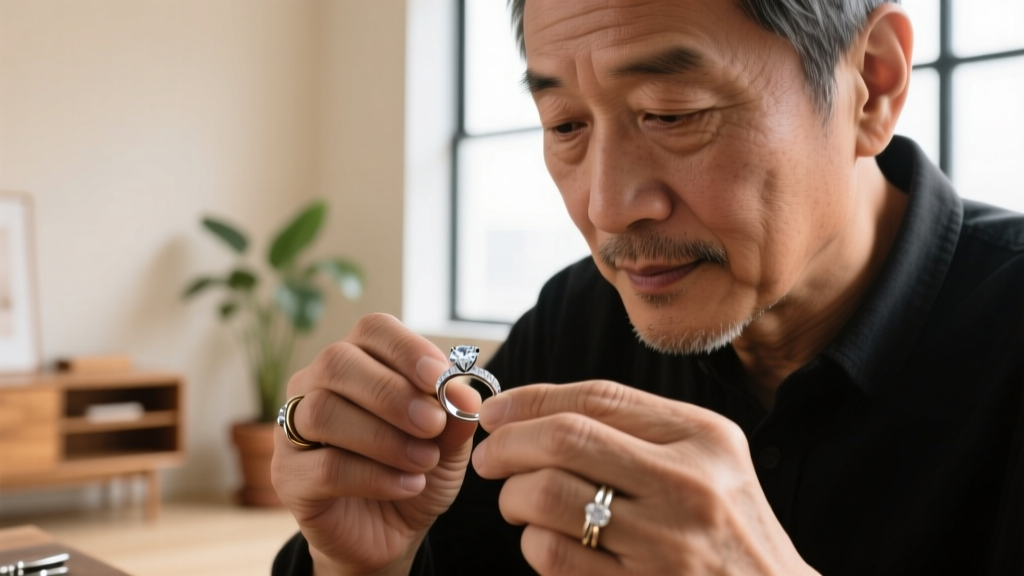
The Metallurgy of Necklace Breaks: Why Chains Fail
When you need to fix broken necklace chains, the repair strategy is entirely dictated by the material's metallurgical properties and tensile strength. Necklaces rarely break in the middle of a pristine link; instead, they fail at stress concentration points. The jump ring connecting the clasp, the solder joint on the clasp itself, and the thinnest gauge links bear up to 80% of the mechanical tension. Over time, repetitive micro-bending causes work hardening, a metallurgical phenomenon where the metal's crystal lattice structure deforms, losing its ductility and becoming brittle until it snaps.
Understanding whether your chain is crafted from precious alloys, alternative aerospace-grade metals, or organic materials is the first step in the triage process. A repair method that perfectly restores a sterling silver cable chain will catastrophically ruin a titanium or tungsten piece.
Precious Metals: Soldering Gold, Silver, and Platinum
Traditional torch soldering remains the gold standard for precious metals. However, the exact alloy composition dictates the solder grade, flux type, and flame temperature required to successfully fix broken necklace links without melting the surrounding chain.
Gold Alloys (10k, 14k, 18k, and 24k)
Pure 24k gold is highly malleable; it stretches rather than snaps. Most gold chains are 14k (58.5% gold) or 18k (75% gold), alloyed with copper, silver, or zinc for durability. According to the Gemological Institute of America (GIA), the alloying metals lower the melting point, making torch soldering highly effective.
- Hard Solder (Melting point ~1450°F): Used for the initial manufacturing or the first major structural repair.
- Medium Solder (~1365°F): Used for secondary repairs to ensure the new joint melts before the original Hard solder joint.
- Easy Solder (~1240°F): Reserved for minor jump ring closures or final touch-ups.
Pro Tip: If you are attempting to fix broken necklace chains made of white gold, be aware that the rhodium plating will burn off during soldering. The piece will require re-polishing and rhodium electroplating after the repair.
Sterling Silver (925) and Firescale Prevention
Sterling silver is 92.5% silver and 7.5% copper. When exposed to the oxygen in a torch flame, the copper rapidly oxidizes, creating a deep purple-black stain known as firescale. To fix a broken sterling silver necklace, jewelers must coat the chain in a borax-based flux (such as Prip's Flux) before heating. The flux creates a glass-like barrier that prevents oxygen from reaching the copper. Silver solder flows at much lower temperatures (between 1145°F and 1325°F) than gold, requiring a softer, bushier flame to prevent melting the delicate links.
Platinum: The High-Temperature Challenge
Platinum boasts an incredibly high melting point of 3215°F. Fixing a broken platinum necklace requires an oxy-hydrogen torch and specialized platinum solder. Unlike silver, platinum does not oxidize when heated, meaning flux is generally unnecessary. However, the extreme heat required means the jeweler must use a heat-absorbing compound (like heat shield paste) on the adjacent links to prevent them from warping or melting.
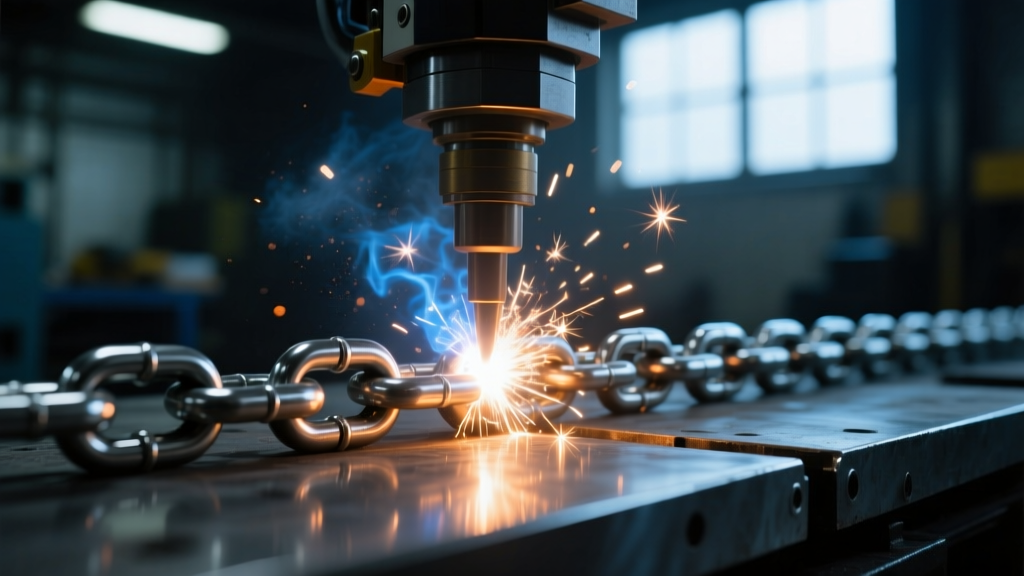
Alternative Metals: Titanium, Tungsten, and Stainless Steel
The rise of alternative metals in men's and women's jewelry has created significant repair challenges. These materials possess vastly different thermal properties and cannot be repaired with a traditional jeweler's torch.
Titanium (Grade 2 vs. Grade 5)
Titanium is prized for its high strength-to-weight ratio and hypoallergenic properties. However, when heated in the presence of oxygen, titanium rapidly absorbs oxygen and nitrogen, becoming extremely brittle and cracking. You cannot torch-solder titanium. To fix broken necklace chains made of titanium, a jeweler must use an argon-shielded laser welder. The laser delivers a highly concentrated pulse of heat in a fraction of a millisecond, while a localized argon gas shield prevents atmospheric contamination.
Tungsten Carbide: The Unrepairable Metal
Tungsten carbide is not cast; it is sintered from tungsten powder and a cobalt or nickel binder under extreme heat and pressure. It possesses incredible compressive strength (scratch resistance) but very low tensile and impact strength. If a tungsten chain or pendant shatters or snaps, it cannot be fixed, welded, or glued. The structural integrity of the sintered matrix is permanently compromised. The only solution is complete replacement of the broken component.
Stainless Steel (316L Surgical Grade)
Stainless steel contains chromium, which forms a passive oxide layer that prevents rust. This same oxide layer prevents traditional silver or gold solder from adhering. While 316L stainless steel can be repaired using TIG (Tungsten Inert Gas) welding or specialized laser welders, the heat-affected zone often leaves a visible, discolored scar that is difficult to polish out on small chain links.
Material Repair Feasibility & Cost Matrix
Use the following data table to determine the viability and estimated professional cost to fix broken necklace chains based on their material composition.
| Material | Primary Break Mode | Required Repair Method | Avg. Professional Cost | DIY Feasibility |
|---|---|---|---|---|
| 14k / 18k Gold | Fatigue at jump ring | Torch Soldering (Hard/Medium) | $35 - $85 | Low (Requires torch & flux) |
| Sterling Silver (925) | Work-hardening snap | Torch Soldering with Borax Flux | $25 - $60 | Low (High risk of firescale) |
| Platinum | Clasp failure / link pull | Oxy-Hydrogen Torch Soldering | $75 - $150+ | None (Extreme heat required) |
| Titanium (Grade 5) | Tension fracture | Argon-Shielded Laser Welding | $60 - $120 | None (Requires laser welder) |
| Tungsten Carbide | Shattering / Blunt impact | Replacement Only | N/A | None |
| Stainless Steel (316L) | Link deformation | Laser / TIG Welding | $45 - $90 | None |
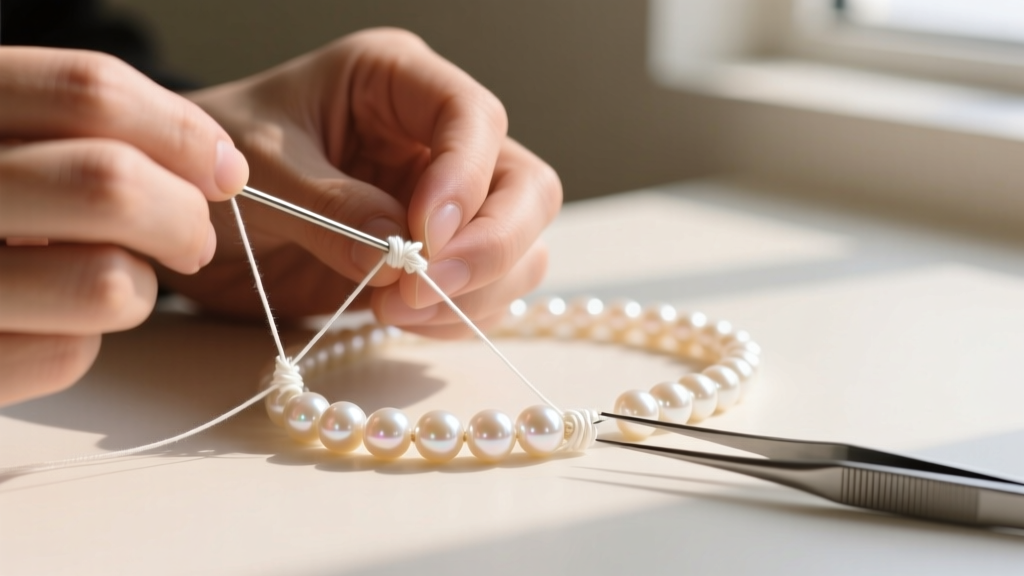
Non-Metallic and Organic Materials: Pearls, Resin, and Cord
Not all necklaces rely on metal links. Organic and synthetic materials require entirely different mechanical repair strategies.
Pearl and Gemstone Silk Re-Stringing
If a knotted pearl or gemstone necklace breaks, the silk thread has likely degraded due to exposure to skin oils, cosmetics, and moisture. To fix this type of broken necklace, the entire strand must be re-strung. Jewelers use Size E or F pure silk thread and tie individual overhand knots between each pearl using a diamond-tipped beading awl. This prevents the pearls from rubbing against each other and ensures that if the strand breaks again, only one pearl is lost. Expect to pay between $3 to $6 per inch for professional re-stringing.
Resin, Acrylic, and Wood Pendants
When a resin or acrylic pendant snaps at the bail (the loop that holds the chain), cyanoacrylate (super glue) is insufficient, as it dries brittle and leaves a cloudy residue. The correct approach is to use a two-part clear epoxy resin (such as Loctite EA 9483). For wood pendants, a specialized wood glue combined with a hidden internal wooden dowel pin provides the necessary shear strength to support the weight of the pendant on the chain.
Step-by-Step Triage: Assessing Your Broken Chain
Before taking your jewelry to a bench jeweler or attempting a DIY repair, follow this diagnostic framework:
- Identify the Material: Look for hallmarks (e.g., 925, 14k, 750, PT950). If unmarked, a jeweler can perform an XRF (X-ray Fluorescence) test to determine the exact elemental composition.
- Locate the Break Point: Did a jump ring pull apart (a simple mechanical fix), or did a solid link snap (requiring soldering)?
- Check for Previous Repairs: Inspect the chain under a 10x jeweler's loupe. If you see lumpy, discolored metal on adjacent links, the chain has been soldered before. Inform your jeweler, as they must use a lower-temperature 'Easy' solder to avoid melting the old repair.
- Evaluate the Chain Gauge: Chains thinner than 0.9mm (like delicate box or serpentine chains) are notoriously difficult to solder without fusing adjacent links together. In these cases, laser welding is often the only viable option.
Expert Insight: "The most common mistake consumers make when trying to fix broken necklace chains at home is using hardware store solder. This solder contains lead and acidic flux that will permanently contaminate precious metals, making professional repair nearly impossible and ruining the metal's intrinsic value."
When to Replace Instead of Repair
While the instinct is always to repair, there are scenarios where replacement is the more economically sound decision. If a hollow-core gold chain (often sold as 'semi-solid') crushes or kinks, it cannot be soldered back into its original shape; the structural void inside the link makes it impossible to apply heat evenly. Similarly, if a silver chain has suffered from severe 'neck stretch'—where every individual link has elongated by more than 15% due to years of tension—the metal is entirely work-hardened. Soldering one link will only result in the adjacent weakened link snapping a week later. In these cases, recycling the scrap metal and investing in a new, solid-link chain is the recommended path forward.


