How to Fix a Broken Necklace Link: Chain Repair Guide
Learn how to fix a broken necklace link with our expert repair guide. Diagnose chain failures, choose the right tools, and prevent future breaks.

The Anatomy of Necklace Link Failure
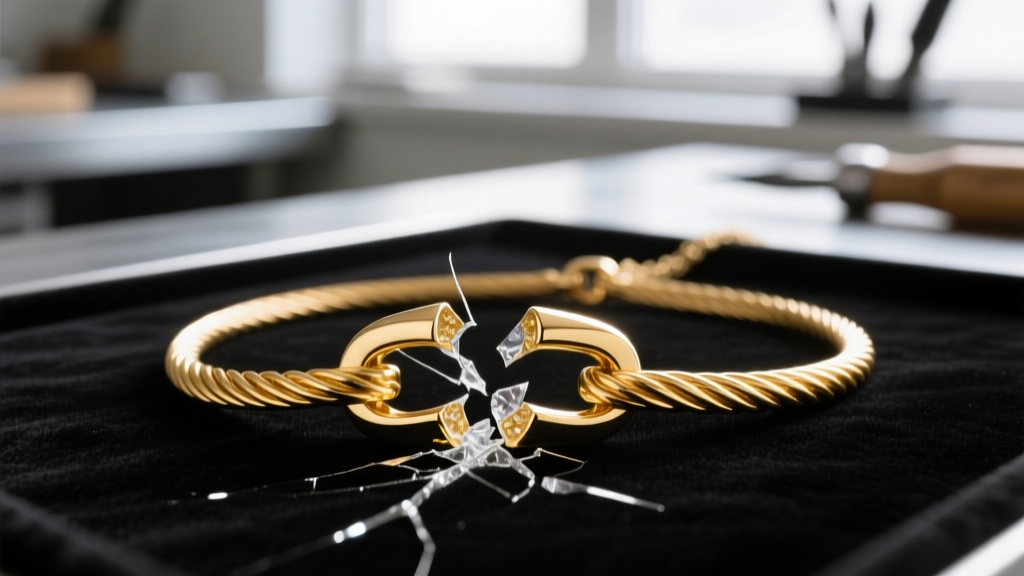
A snapped chain is one of the most common—and frustrating—issues in jewelry wear. To effectively troubleshoot and repair a broken necklace link, you must first understand the metallurgical and mechanical forces at play. Chain failure rarely happens at random; it is usually the result of tensile overload, metal fatigue, or chemical degradation.
The karat weight of your gold chain heavily dictates its structural integrity. According to the Gemological Institute of America (GIA), 18k gold contains 75% pure gold, making it significantly softer and more malleable than 14k gold, which contains 58.5% pure gold alloyed with stronger metals like copper, silver, and zinc. Consequently, an 18k gold necklace link is far more susceptible to stretching, thinning, and eventual snapping under the daily torque of a heavy pendant. Conversely, sterling silver (92.5% silver, 7.5% copper) offers excellent tensile strength but is prone to sulfide tarnishing, which can create microscopic stress fractures in unsoldered jump rings over time.
Diagnosing Your Broken Necklace Link
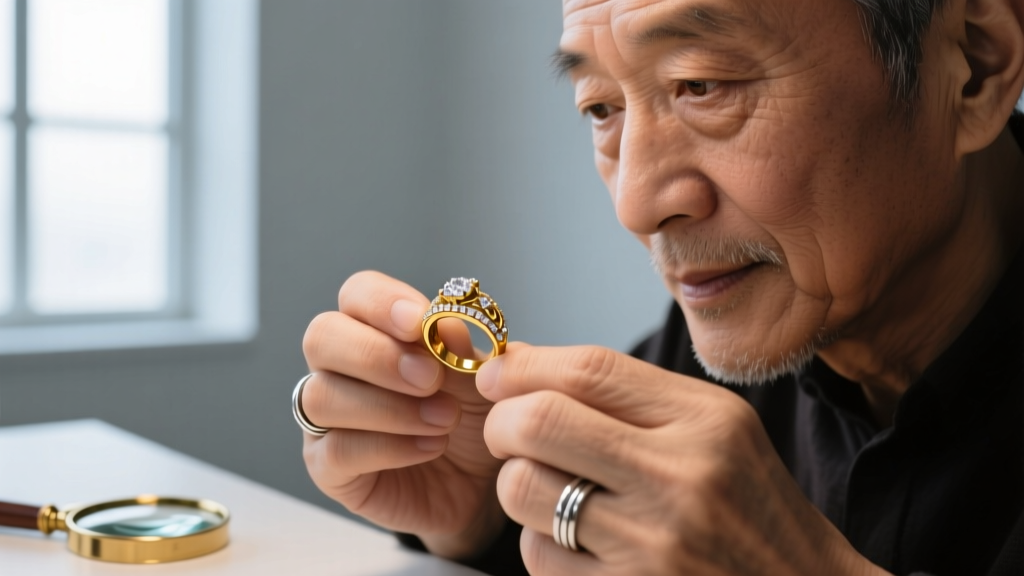
Before attempting a repair, conduct a visual inspection using a 10x jeweler's loupe. Identifying the exact failure mode will dictate your repair strategy.
- The Open Jump Ring: The most common failure point. Jump rings connecting the clasp to the chain are often unsoldered. If the gap has widened, the link simply needs to be closed and potentially soldered.
- The Sheared Wire Link: Common in cable and rolo chains. This occurs when the wire gauge (typically 0.8mm to 1.2mm) experiences a sudden tensile spike, causing a clean break at the side or bottom of the oval link.
- The Kinked Snake Chain: Snake chains are not made of traditional wire links but rather interlocking metal strips. They do not 'break' cleanly; instead, they kink, crush, and separate when bent past their structural tolerance.
Step-by-Step Repair: Fixing Common Necklace Link Issues
Professional jewelers rely on specialized tools and techniques to restore chains without compromising the surrounding links. Here is how to approach the most frequent repairs.
Scenario A: The Open Jump Ring or Clasp Link
Never pull a jump ring apart laterally (side-to-side). This distorts the circular geometry and weakens the metal through improper work hardening. Instead, use two pairs of smooth-jawed chain-nose pliers. Grip the jump ring on either side of the split and twist one hand toward you and the other away. To close it, reverse the twisting motion until you feel the ends 'snap' flush against each other. For a permanent fix, apply a tiny amount of flux and use 'Easy' grade silver or gold solder with a micro-torch to seal the seam.
Scenario B: The Snapped Cable or Rolo Link
Repairing a mid-chain break requires replacing the damaged link or weaving a new one through the adjacent links. If the original link is intact but simply opened, twist it open, thread it through the two severed ends of the chain, and twist it closed. If the wire is sheared, you must fabricate a new link using a mandrel and flush cutters, ensuring the wire gauge matches the chain exactly (e.g., 1.0mm for a standard 16-gauge cable chain). The new link must be soldered shut; leaving it unsoldered guarantees it will pull apart again under the weight of the chain.
Scenario C: The Kinked or Crushed Snake/Herringbone Link
Snake and herringbone chains are notoriously difficult to repair. Because they rely on continuous tension and interlocking metal plates rather than individual soldered rings, a kink creates a permanent structural weak point. While minor kinks can sometimes be rolled out on a steel bench block with a rawhide mallet, a fully separated snake chain requires professional laser welding. Traditional torch soldering will melt the surrounding interlocking plates, ruining the chain's fluid drape.
Chain Link Durability Matrix
Not all chain styles are created equal. When selecting a chain for a heavy pendant or daily wear, consult this durability matrix to understand the inherent vulnerabilities of different necklace link architectures.
| Link Style | Typical Gauge | Primary Vulnerability | Repair Difficulty |
|---|---|---|---|
| Cable | 0.9mm - 1.2mm | Stretching and side-shear | Low (Easy to solder) |
| Rolo | 1.5mm - 2.5mm | Clasp-ring wear | Low (Robust links) |
| Figaro | 1.2mm - 2.0mm | Snagging on fabrics | Medium (Pattern matching) |
| Box | 1.0mm - 1.5mm | Corner crushing | High (Hard to reshape) |
| Snake | N/A (Interlocking) | Kinking and snapping | Extreme (Laser weld only) |
Preventative Maintenance for Long-Lasting Links
Troubleshooting a broken necklace link is ultimately a reactive measure. Proactive maintenance dramatically extends the lifespan of your chain's tensile architecture.
"The leading cause of microscopic link degradation in gold jewelry is exposure to chlorine. Chlorine reacts with the copper and silver alloys in 14k and 18k gold, creating a brittle compound that causes links to snap without warning." — Jewelers of America
To prevent chemical embrittlement, always remove your necklace before swimming in chlorinated pools or using harsh household cleaning agents. Furthermore, avoid sleeping in delicate chains. The torsion stress generated by tossing and turning can easily exceed the yield strength of a 0.8mm Italian cable chain. For daily wear, opt for a soldered link style, such as a 1.5mm rolo or curb chain, which distributes mechanical stress evenly across the horizontal plane of the link.
Storage and Cleaning Protocols
When storing your necklaces, hang them vertically or lay them perfectly flat. Tossing multiple chains into a jewelry box creates friction and tangling; attempting to untangle a knotted snake or herringbone chain often results in micro-kinks that compromise the metal's crystalline structure. Clean your chains monthly using a soft-bristled brush and a mild, phosphate-free dish soap to remove sebum and environmental grit that can act as an abrasive inside the friction points of the necklace link connections. For complex repairs or laser welding, always consult a certified bench jeweler equipped with modern metallurgical tools, as recommended by Rio Grande Jewelry Supply.


