Serpentine Necklace Gold Buying Guide: What to Look For
Discover what to look for when buying a serpentine necklace in gold. Expert advice on karats, link widths, clasp types, and avoiding kinks.

The Anatomy of a Serpentine Chain
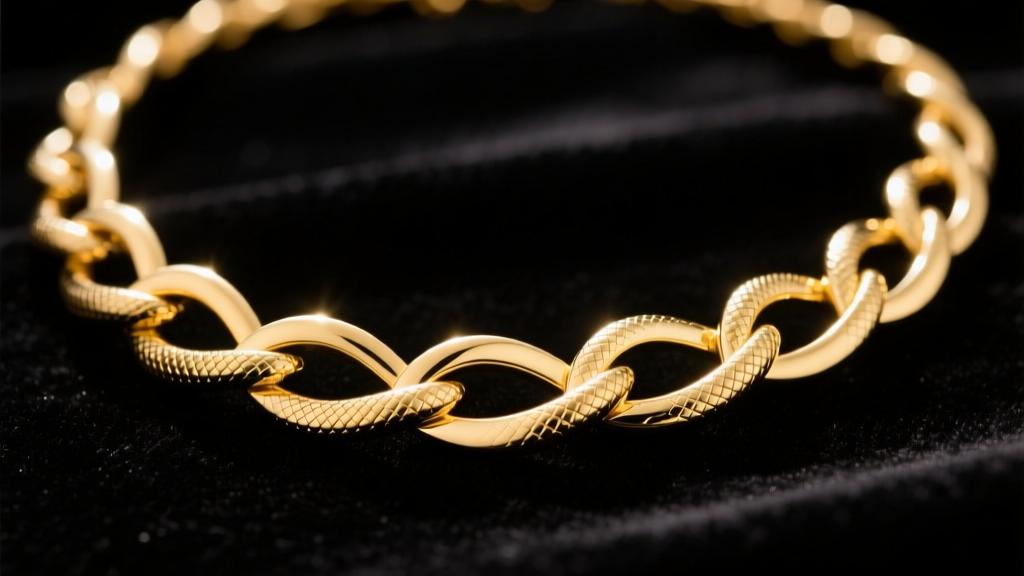
When shopping for a new necklace, the serpentine chain stands out for its fluid drape and exceptional light reflection. Unlike standard cable or curb chains, a serpentine necklace in gold is constructed from S-shaped links that are flattened and slightly twisted before being interlocked. This unique geometry allows the chain to lie completely flat against the collarbone, creating a sleek, scaled texture that mimics the movement of fine fabric or liquid metal.
Because the links are pressed flat, the surface area exposed to light is maximized. This makes the serpentine style one of the most brilliant chain types available, even without the addition of gemstones or diamond-cut faceting. However, this same flattened architecture introduces specific structural vulnerabilities that buyers must understand before making a purchase. In this comprehensive 2026 buying guide, we break down the exact specifications, material grades, and design nuances you need to evaluate to ensure your gold serpentine necklace is both beautiful and durable.
Gold Purity and Alloy Composition
The karat weight of your gold directly impacts the structural integrity of a serpentine chain. Because the links are flat and relatively thin, the tensile strength of the metal is paramount. According to the Gemological Institute of America (GIA), pure 24k gold is far too soft for chain maille construction; it will stretch, warp, and kink under the mere weight of a small pendant.
For a serpentine necklace, 14k gold (58.5% pure gold) is the industry sweet spot. The remaining 41.5% consists of alloy metals like copper, silver, and zinc, which provide the necessary rigidity to help the S-links resist folding over on themselves. If you prefer the richer, deeper yellow hue of 18k gold (75% pure gold), be aware that the chain will be noticeably softer. An 18k serpentine chain requires a wider gauge to compensate for the softer alloy, or it must be worn strictly as a delicate, occasional-use piece.
| Karat | Gold Content | Durability & Kink Resistance | Best Use Case |
|---|---|---|---|
| 10k Gold | 41.7% | Excellent (Highly rigid) | Budget-friendly daily wear |
| 14k Gold | 58.5% | Very Good (Optimal balance) | Everyday wear, pendant bearing |
| 18k Gold | 75.0% | Fair (Prone to kinking if thin) | Special occasion, wider gauges only |
| 22k/24k Gold | 91.6% - 99.9% | Poor (Extremely soft) | Not recommended for serpentine |
The Kink Factor: Width and Gauge Specifications
The most common complaint among serpentine chain owners is kinking. Because the S-links are wide and flat, they can easily fold over one another if twisted, creating a sharp crease. Once a link creases, the metal work-hardens at the fold. If you attempt to forcefully bend it back, the link will likely snap.
To mitigate this, you must pay close attention to the millimeter (mm) width of the chain:
- Under 2.0mm (Delicate): Highly susceptible to kinking. These ultra-fine serpentine chains are beautiful for layering or holding very lightweight pendants (under 3 grams), but they require meticulous care. They should always be stored flat and never slept in.
- 2.5mm to 4.0mm (Standard): The optimal range for daily wear. At 3mm, a solid 14k gold serpentine chain has enough surface tension and link thickness to resist casual tangling while maintaining a fluid, elegant drape. This width can safely support pendants weighing up to 10-15 grams.
- 5.0mm and Above (Statement): Heavy, luxurious, and highly resistant to kinking due to the sheer mass and thickness of the individual links. These are statement pieces designed to be worn alone without pendants.
Solid vs. Hollow Construction
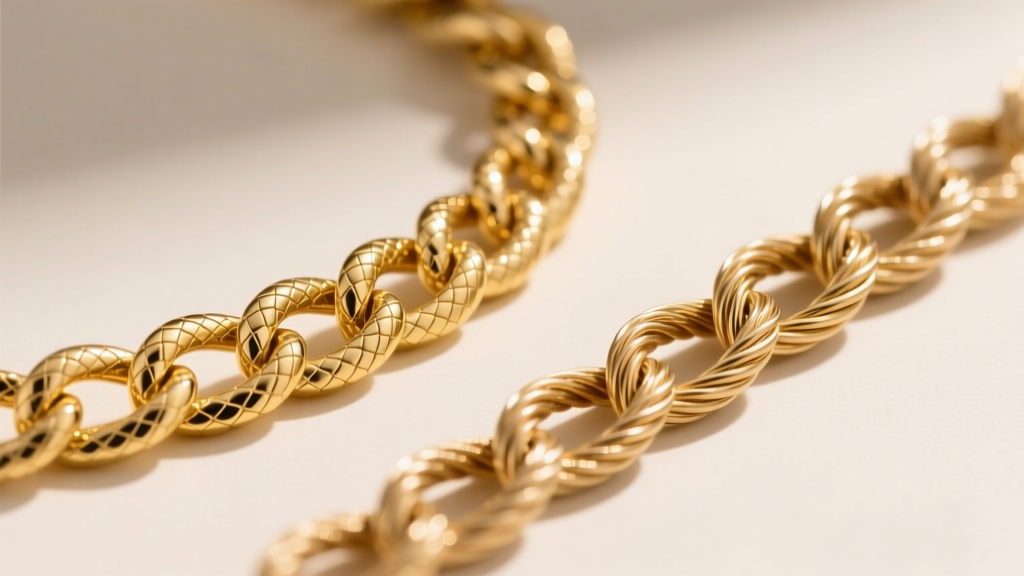
When browsing jewelry counters, you may encounter 'hollow' or 'electroformed' gold serpentine chains. These are manufactured using a resin or wax core that is later dissolved, leaving a lightweight gold shell. While they offer the look of a thick 6mm chain for a fraction of the gold weight cost, hollow serpentine chains are a structural liability. The thin gold walls crush easily, and once a hollow S-link is dented or kinked, it is virtually impossible for a jeweler to repair. Always verify that the chain is stamped 'solid' or ask the jeweler for the exact gram weight to ensure you are not purchasing a hollow-core piece.
Finishes: High-Polish vs. Diamond-Cut
The finish applied to the gold dramatically alters the visual impact of the necklace. A high-polish finish leaves the top of the S-links smooth and mirror-like. This is the most durable option, as there is no removal of excess metal from the link structure.
A diamond-cut finish involves using a specialized jeweler's tool to slice microscopic facets into the top layer of the links. This creates a multi-dimensional sparkle that rivals diamond tennis necklaces. However, diamond-cutting removes a small amount of gold from the thinnest part of the link, marginally reducing its tensile strength. If you opt for a diamond-cut serpentine chain, increase your target width by 0.5mm to compensate for the material removed during the faceting process.
Clasp Mechanics and Soldered Rings
A chain is only as secure as its clasp and the jump rings that connect it. The flat profile of a serpentine chain requires specific hardware to function correctly.
Avoid Spring Ring Clasps: Spring rings are lightweight and circular, which creates an awkward transition from the flat chain to the round clasp. They also have a high failure rate due to their internal tension springs wearing out.
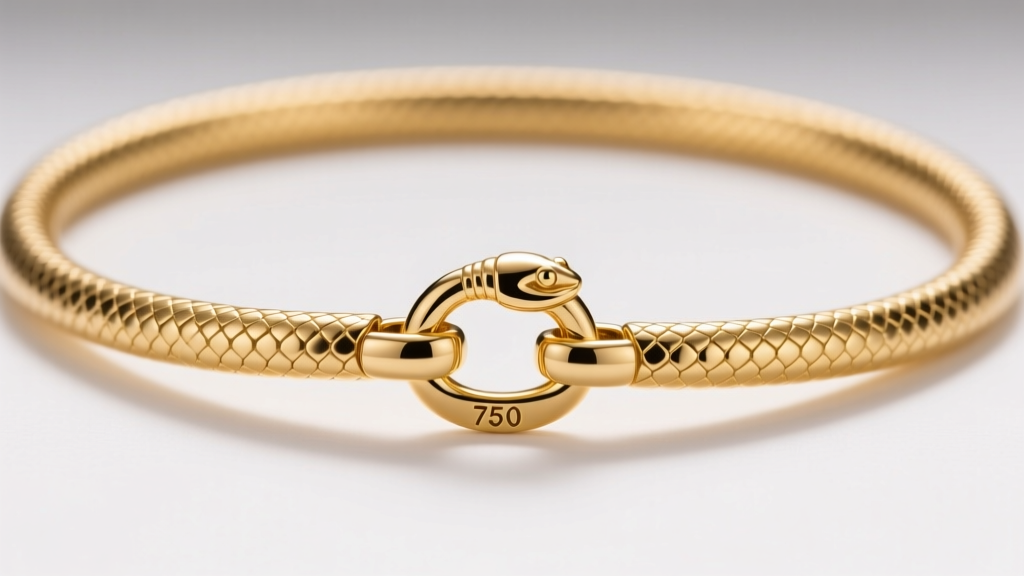
Opt for Lobster or Box Clasps: A small, proportionate lobster clasp is ideal for chains under 4mm. For wider, heavier serpentine chains (5mm+), a box clasp with a figure-eight safety catch provides the necessary security and maintains the sleek, uninterrupted line of the necklace.
The Soldered Jump Ring Rule: Always inspect the small ring connecting the chain to the clasp. It must be soldered shut. An open, unsoldered jump ring will eventually pull apart under the lateral stress of the flat links, resulting in the loss of the necklace. The Jewelers of America organization consistently emphasizes checking clasp integrity and solder points during routine jewelry inspections to prevent catastrophic loss.
2026 Pricing Benchmarks and Value Indicators
Pricing a solid gold serpentine necklace requires looking beyond the sticker tag and understanding the 'gram weight' formula. The price is dictated by the daily spot price of gold, multiplied by the chain's gram weight, plus a manufacturing premium (the 'making charge').
Because serpentine chains require precise flattening and interlocking machinery, their making charge is moderately higher than basic cable chains but lower than complex hand-assembled styles like Byzantine or wheat chains. As of early 2026, expect the following baseline pricing for solid 14k yellow gold serpentine chains (18-inch length):
- 1.5mm (approx. 2.5 grams): $220 - $280
- 3.0mm (approx. 7.0 grams): $550 - $650
- 5.0mm (approx. 18.0 grams): $1,300 - $1,500
If you find a 5mm chain selling for $400, it is almost certainly hollow-core, gold-plated brass, or gold vermeil. Always ask the retailer for the exact gram weight to verify the intrinsic value of the piece.
Care, Maintenance, and the Uncurling Technique
Even with careful wear, a delicate serpentine chain may eventually develop a kink. Do not pull at it, and do not use tweezers, which will mar the soft gold and exacerbate the work-hardening effect.
The Rolling Pin Method: Lay the necklace completely flat on a hard, clean surface like a glass table or marble countertop. Take a smooth, hard cylinder—an acrylic rolling pin, a smooth glass bottle, or a specialized jewelry burnisher. Place the cylinder directly over the kink and apply very light, even pressure. Roll outward from the center of the crease. The goal is to gently massage the folded S-link back into its horizontal plane without snapping the work-hardened crease. If the kink is severe, take it to a professional bench jeweler who can use a specialized chain-pulling block or anneal the specific link with a micro-torch to soften the metal before reshaping it.
'The serpentine chain is a masterclass in light and geometry. When you respect its structural limits by choosing the right karat, width, and solid construction, it rewards you with a timeless, liquid-gold drape that no other chain style can replicate.'
By prioritizing solid 14k construction, selecting a width that matches your lifestyle, and ensuring your hardware is properly soldered, your gold serpentine necklace will remain a staple of your jewelry wardrobe for decades to come.


