Bobby Pin Necklace Care: Cleaning & Rust Prevention
Learn how to clean a bobby pin necklace, prevent rust on upcycled steel hairpins, and protect your skin from nickel allergies with expert care tips.

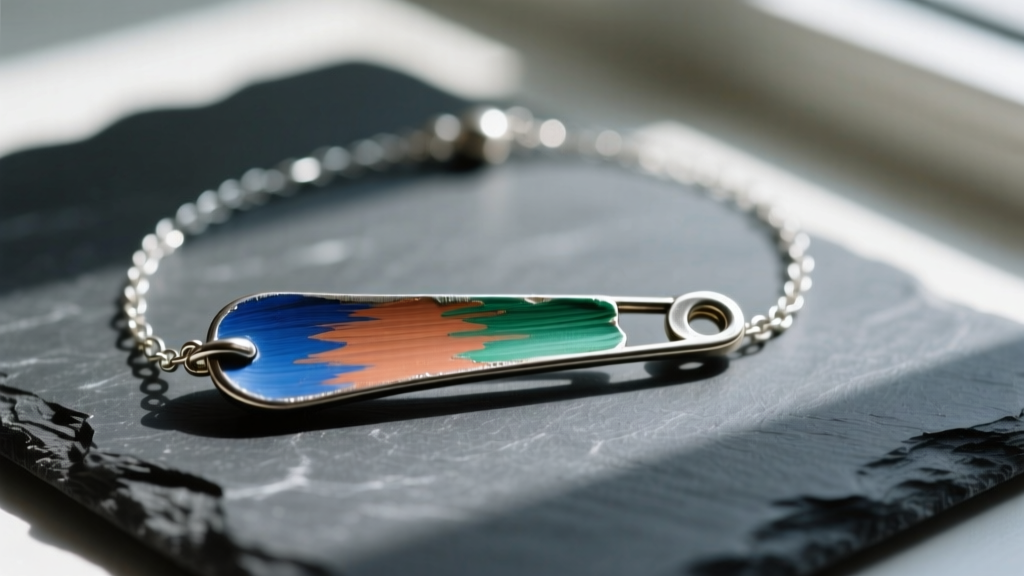
The Anatomy of a Bobby Pin Necklace: Why Rust Happens
The bobby pin necklace has cemented itself as a staple in Y2K revival, grunge, and upcycled jewelry trends. Whether you are wearing a choker constructed entirely from interlocking hairpins or a single enameled bobby pin suspended as a pendant on a sterling silver chain, this edgy aesthetic requires highly specific maintenance. To properly care for these pieces, you must first understand the metallurgy of a standard bobby pin.
Standard hairpins are manufactured from high-carbon steel wire (typically 1060 or 1070 carbon steel) to provide the necessary tension and flexibility. To prevent immediate oxidation during manufacturing, they are electroplated with a micro-layer of nickel or zinc, and finally coated with an epoxy-based enamel paint. When worn against the skin as a necklace, constant friction, exposure to sebum, and ambient humidity rapidly degrade this enamel coating. Once the carbon steel core is exposed to oxygen and moisture, iron oxide (rust) can form in as little as 48 hours.
The Threat of Galvanic Corrosion
A major issue with the bobby pin necklace trend is mixed-metal assembly. If a carbon steel bobby pin is linked with a copper, brass, or sterling silver chain, you create a galvanic cell. When sweat (which acts as a saline electrolyte) bridges the two metals, the less noble metal (the carbon steel pin) acts as an anode and corrodes at an exponentially faster rate. According to the American Institute for Conservation (AIC) Wiki, preventing electrolyte contact between dissimilar metals is the primary defense against galvanic corrosion in mixed-media jewelry.
Step-by-Step Cleaning Guide for Upcycled Hairpin Jewelry
Because of the fragile enamel coating and the mixed-metal construction, you must avoid ultrasonic cleaners. The 40,000 Hz vibrations will shatter the brittle paint on the hairpin, exposing the raw steel underneath. Similarly, avoid harsh acids like white vinegar or lemon juice, which will strip the protective zinc or nickel underplating.
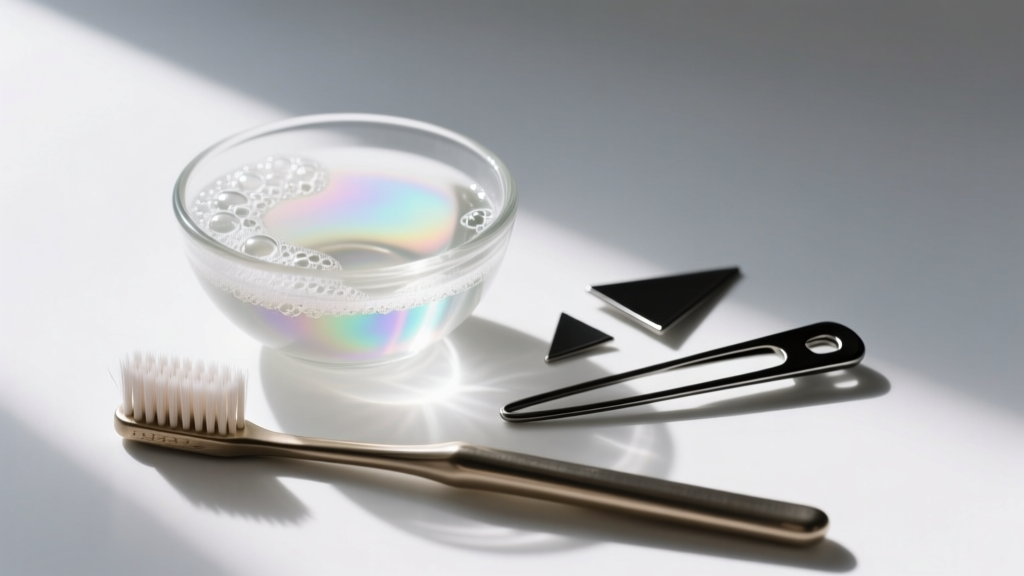
Method 1: The Distilled Water & pH-Neutral Soap Soak
For routine cleaning and the removal of daily sebum buildup, use a pH-neutral dish soap (such as Dawn Free & Clear) mixed with distilled water. Never use tap water; the dissolved chlorine and heavy minerals in municipal water will accelerate corrosion on the exposed steel tips of the bobby pin.
- Step 1: Mix 3 drops of pH-neutral soap into a half-cup of lukewarm distilled water.
- Step 2: Submerge the bobby pin necklace for no more than 3 minutes. Prolonged water exposure softens the epoxy enamel.
- Step 3: Gently agitate the chain using a soft-bristled baby toothbrush, avoiding aggressive scrubbing directly on the painted surface of the bobby pin.
- Step 4: Rinse briefly under a slow stream of distilled water and immediately pat dry with a microfiber cloth. Use a hair dryer on the "cool" setting to blast moisture out of the tight crevices where the pin clasps shut.
Method 2: The Baking Soda Paste (For Stubborn Grime)
If the chain has accumulated heavy tarnish but the bobby pin itself is intact, isolate the chain. Create a thick paste using baking soda (sodium bicarbonate) and a few drops of distilled water. Apply the paste only to the silver or stainless steel chain links using a cotton swab. Rinse thoroughly, ensuring no baking soda residue is left near the steel bobby pin, as alkaline residues can degrade certain enamel finishes over time.
Rust Removal: The Galvanic Reduction Bath
If your bobby pin necklace has already developed orange iron oxide spots, do not use abrasive sandpaper or steel wool, which will permanently ruin the finish. Instead, utilize a safe electrochemical reaction to lift the rust without damaging the remaining enamel or the nickel underplating.
- Line a small glass bowl with aluminum foil, shiny side facing up.
- Place the rusted bobby pin (detached from any non-steel chains if possible) so it is physically touching the aluminum foil.
- Sprinkle 1 tablespoon of baking soda over the pin.
- Pour boiling distilled water into the bowl. The mixture will fizz aggressively.
- Leave the pin in the bath for 5 to 10 minutes. The electrochemical reaction transfers the oxygen from the iron oxide to the aluminum, effectively reversing the rust.
- Remove with wooden tongs, rinse in distilled water, and dry immediately.
Sealing and Protecting the Steel Core
Once your bobby pin necklace is clean and rust-free, you must seal the metal to prevent future oxidation and protect your skin. Bare carbon steel will rust from the natural humidity in the air. Below is a comparison of the most effective sealants used by jewelry conservators and metalworkers.
| Sealant Type | Composition | Durability | Best Use Case |
|---|---|---|---|
| Renaissance Wax | Microcrystalline Wax | 3–6 Months | Museum-grade protection; easy to reapply; maintains the natural matte or semi-gloss feel of the painted bobby pin. |
| ProtectaClear | 2-Part Epoxy Resin | 2–5 Years | Permanent, high-gloss barrier; ideal for bobby pins used as heavy pendants that experience high friction. |
| Clear Nail Polish | Nitrocellulose Lacquer | 1–3 Weeks | Emergency temporary fix; yellows quickly and chips easily under skin oils. Not recommended for long-term care. |
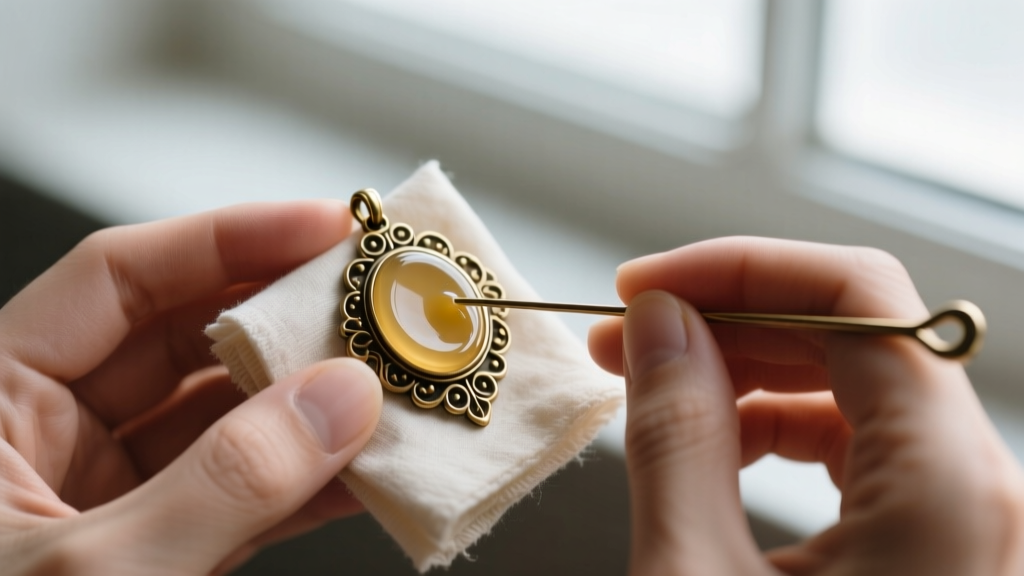
Application Tip: If using Renaissance Wax, apply a microscopic amount with a lint-free cotton cloth. Allow it to haze for 10 minutes, then buff it to a gentle sheen. This fills the microscopic pores in the enamel and blocks moisture ingress.
Protecting Your Skin: Nickel and Contact Dermatitis
Beyond the aesthetic damage of rust, there is a significant dermatological concern associated with wearing raw or degrading bobby pins against the chest and neck. The underplating of most commercial hairpins is nickel. According to the American Academy of Dermatology, nickel allergy is one of the most common causes of allergic contact dermatitis, affecting roughly 18% of the population.
When the enamel on a bobby pin necklace chips away, the nickel underplating is exposed to sweat, creating nickel salts that penetrate the stratum corneum (the outermost layer of skin). This results in erythema (redness), severe itching, and blistering along the neckline. If you experience a green or black stain on your skin beneath the necklace, this is a primary indicator that the metal is degrading and reacting with your skin's natural acidity. Sealing the bobby pin with a 2-part epoxy like ProtectaClear is the only reliable way to create a hypoallergenic barrier between the nickel-laden hairpin and your skin.
Storage Best Practices for Mixed-Metal Chains
How you store your bobby pin necklace when it is not being worn is just as critical as how you clean it. Tossing a mixed-metal piece into a humid bathroom jewelry dish is a guaranteed recipe for galvanic corrosion and enamel degradation.
- Control the Humidity: Store the necklace in an airtight polyethylene ziplock bag. Include a 5-gram silica gel desiccant packet to maintain the relative humidity (RH) inside the bag below 40%. Steel oxidation slows to a near-halt at humidity levels below this threshold.
- Prevent Mechanical Abrasion: The tension spring of a bobby pin can easily scratch softer metals like sterling silver or gold-filled chains. Always wrap the bobby pin pendant in a soft, anti-tarnish flannel pouch before placing it in a jewelry box to prevent the steel edges from acting like a file against your precious metal chain links.
- Avoid Sulfur Exposure: Keep the necklace away from raw wood, cardboard, and rubber bands. These materials emit sulfur gases that will rapidly tarnish the silver or copper chain links attached to the bobby pin.
Conclusion
The bobby pin necklace is a brilliant exercise in upcycled fashion, but it bridges the gap between disposable carbon-steel hardware and fine jewelry wearability. By understanding the risks of galvanic corrosion, utilizing distilled water and pH-neutral cleaners, and applying a microcrystalline wax or epoxy barrier, you can preserve the grunge aesthetic of your jewelry without sacrificing the integrity of the metal or the health of your skin. Treat your hairpin pendants with the same metallurgical respect as fine silver, and they will remain a staple in your rotation for years to come.


