Fixing Fading & Breakage: Mothers Necklace With Childrens Names
Is your custom name necklace tarnishing or tangling? Learn expert troubleshooting tips to restore your mothers necklace with childrens names.

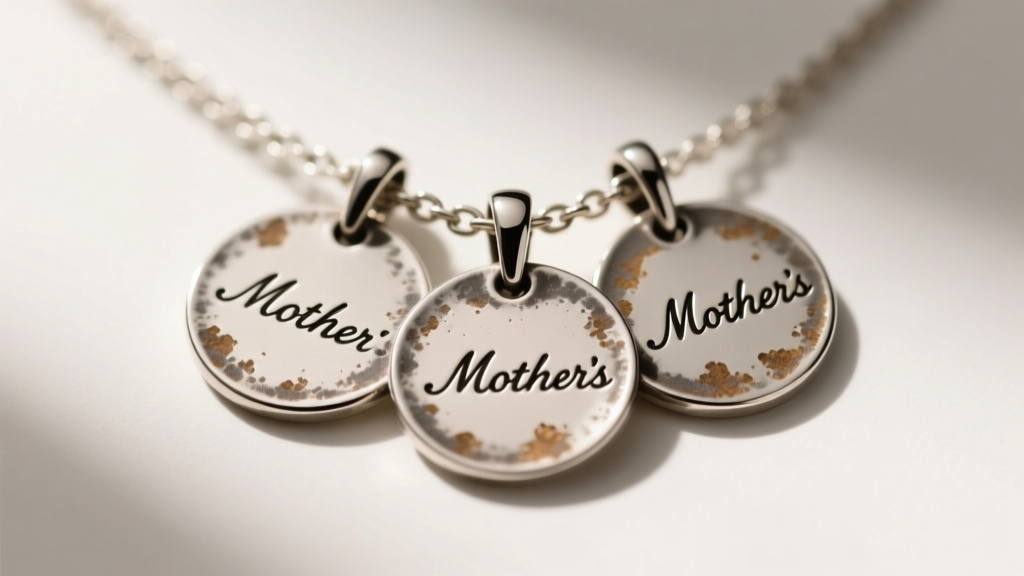
The Anatomy of Engraving Failure: Why Names Disappear
A mothers necklace with childrens names is a profound sentimental archive, but from a metallurgical perspective, it is a high-wear item subjected to friction, sweat, and environmental oxidizers. The most frequent complaint we troubleshoot is the fading or complete disappearance of custom engraved names. To solve this, we must first understand the manufacturing technique used on your specific piece.
Most mass-market custom name necklaces utilize laser engraving. A laser burns away the top layer of the metal to create contrast. If your necklace is gold-plated brass or gold vermeil, the laser often penetrates the microscopic plating layer (typically 0.5 to 2.5 microns thick) and exposes the base metal beneath. Once the base metal—often brass or copper—is exposed to oxygen and the acidic pH of human sweat, it oxidizes rapidly, turning dark brown or green, making the names look muddy or illegible.
Conversely, diamond-drag or rotary engraving physically carves into the metal, creating a deeper groove (0.2mm to 0.5mm). This method is vastly superior for solid metals because it does not rely on surface contrast; it relies on physical depth, meaning the names will remain legible even if the surface polish wears away over decades of daily wear.
Material Matrix: Tarnish, Wear, and Engraving Longevity
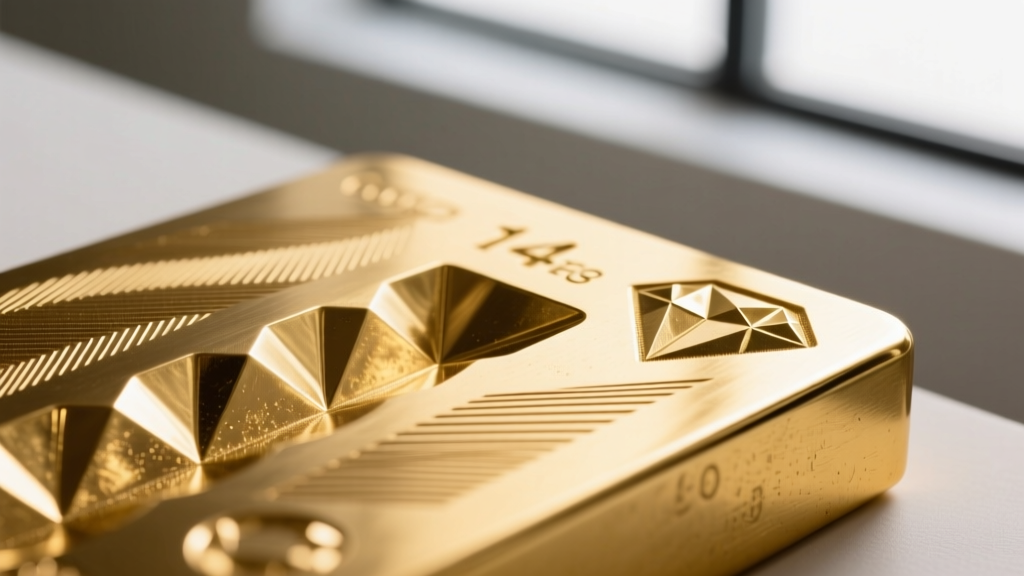
Not all gold or silver is created equal. When troubleshooting premature tarnishing or skin irritation (contact dermatitis) from your necklace, you must identify the exact alloy and plating thickness. According to the Federal Trade Commission's Jewelry Guides, terms like 'gold plated' and 'gold vermeil' have strict legal definitions regarding micron thickness that directly impact your necklace's lifespan.
| Material Grade | Composition & Plating | Engraving Method | Tarnish Risk | Expected Daily-Wear Lifespan |
|---|---|---|---|---|
| Gold Plated Brass | 0.5 microns gold over brass/copper | Laser (Burns through plating) | High (Turns skin green) | 6 - 12 Months |
| Gold Vermeil | 2.5+ microns 14k/18k gold over 925 silver | Laser or Light Rotary | Medium (Silver sulfide tarnish) | 2 - 4 Years |
| Solid 14k Gold | 58.3% pure gold, alloyed with copper/zinc | Deep Rotary / Diamond Drag | Very Low | Lifetime (Generational) |
| Rhodium-Plated 925 | 92.5% silver, flashed with rhodium | Laser (Exposes raw silver) | Medium (Engraved lines tarnish) | 1 - 3 Years |
Expert Insight: If your sterling silver necklace features laser-engraved names that are turning black inside the letters, this is not a defect. The laser removed the anti-tarnish rhodium flash, exposing raw 925 silver to sulfur in the air, creating silver sulfide. This is easily reversible with targeted cleaning.
Chain Gauge and Clasp Mechanics: Solving Tangling and Breakage
The emotional weight of a mothers necklace with childrens names is heavy, but the physical chain holding it is often dangerously delicate. Standard custom pendants are shipped with 0.8mm or 0.9mm cable chains to keep manufacturing costs low. These thin chains have a tensile breaking point of less than 3 pounds of pressure—easily snapped by a toddler grabbing the pendant or by the chain catching on a sweater.
Upgrading the Chain Weave and Gauge
To troubleshoot chronic breakage, you must upgrade both the gauge (thickness) and the weave structure. We recommend replacing the factory chain with a 1.2mm to 1.5mm Box Chain or Rope Chain. Box chains feature interlocking square links that distribute tension evenly across the structural planes, making them up to four times stronger than standard oval cable chains of the same weight. Furthermore, box chains are inherently tangle-resistant due to their geometric rigidity.
The Clasp Failure Point
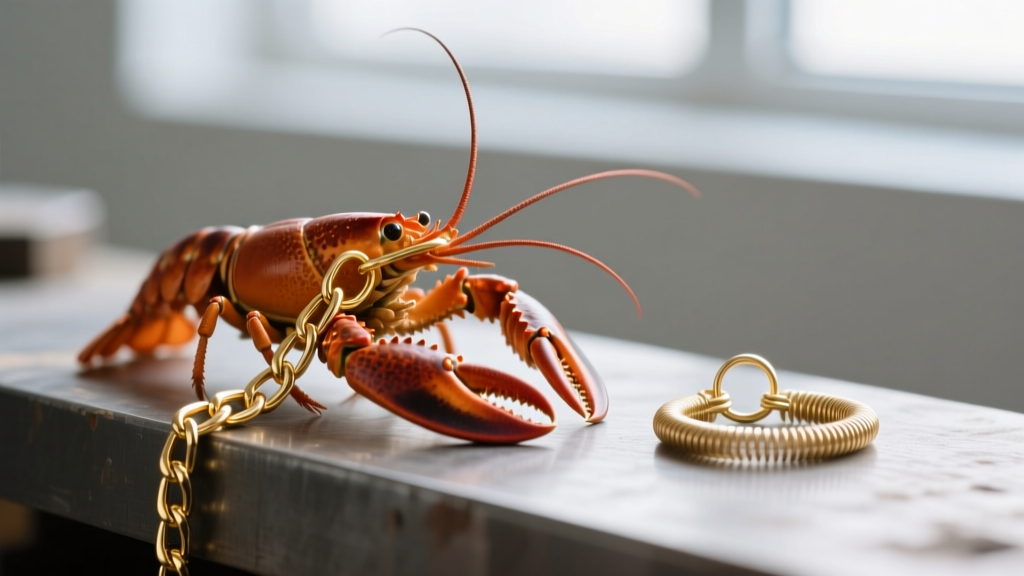
Spring ring clasps—the small circular clasps with a tiny lever—are the number one point of mechanical failure. The internal spring degrades, or the lever snaps off under lateral stress. Swap your spring ring for a Lobster Clasp or a Magnetic Clasp with a Safety Catch. Lobster clasps feature a solid internal spring mechanism encased in a thicker metal housing, providing vastly superior shear strength.
Future-Proofing: Troubleshooting Design Layouts for Growing Families
A unique structural problem with custom name jewelry is the 'growing family' dilemma. If you currently have two children and opt for a solid bar necklace with their names engraved side-by-side, you have permanently capped the design's capacity. Adding a third child later requires buying an entirely new necklace or awkwardly stacking charms.
The Jeweler's Rule of Future-Proofing: Never engrave directly onto a fixed surface area if your family is still growing. Instead, utilize modular designs.
To solve this, opt for interlocking circle pendants (where each child gets a separate, interchangeable ring) or a charm carrier chain. Charm carriers allow you to slide individual engraved discs or birthstone pendants onto a central chain. When a new child is born, you simply purchase an additional disc and slide it onto the existing chain, preserving the original sentimental investment while maintaining structural balance.
Step-by-Step Restoration Guide for Engraved Grooves
When the names on your necklace become filled with lotion, dead skin cells, and tarnish, standard polishing cloths will not reach into the microscopic grooves of the engraving. Worse, aggressive polishing can strip away the remaining gold plating on the surface. Follow this safe, non-destructive restoration protocol:
- The Surfactant Soak: Mix three drops of mild, phosphate-free dish soap (like Dawn) into a bowl of warm distilled water. Avoid tap water, as dissolved minerals and chlorine can accelerate oxidation in exposed base metals.
- Agitation: Submerge the necklace for exactly 5 minutes to soften the sebum and cosmetic buildup inside the engraved letters.
- Micro-Brushing: Use an extra-soft baby toothbrush or a specialized jewelry cleaning brush. Brush parallel to the engraving lines, never in aggressive circular motions, which can scratch the surrounding polished metal.
- The Drying Protocol: Do not air dry, as water spots will form. Blow the water out of the engraved grooves using compressed air or a hairdryer on the 'cool' setting, then gently buff the flat surfaces with a microfiber cloth.
Warning: Never place gold-plated or rhodium-plated name necklaces in an ultrasonic cleaner. The high-frequency cavitation bubbles will literally blast the microscopic plating layers off the base metal, ruining the piece permanently. For deep structural damage or re-plating, consult a certified bench jeweler who can apply a new 2.5-micron layer of gold or rhodium via electroplating. For more on how precious metal alloys react to chemical cleaners, refer to the Gemological Institute of America's (GIA) gold quality guidelines.
When to Seek Professional Jeweler Intervention
While chain upgrades and surface cleaning can be handled at home, certain failures require a professional bench jeweler. If the jump ring (the small loop connecting the pendant to the chain) has pulled apart, do not simply squeeze it shut with pliers. This weakens the metal's crystalline structure through work-hardening, guaranteeing it will snap again. A jeweler will solder the jump ring shut using a precise laser or micro-torch, creating a permanent, seamless bond. Similarly, if the engraving has completely faded on a solid gold piece, a jeweler can use a diamond-drag engraver to re-cut the names deeper into the metal, restoring the legibility and emotional resonance of your mothers necklace with childrens names for another generation.


