How to Stop Your One Diamond Pendant Necklace From Flipping
Is your one diamond pendant necklace constantly flipping upside down? Discover expert troubleshooting tips, chain fixes, and setting adjustments.

The Anatomy of the Pendant Flip Problem
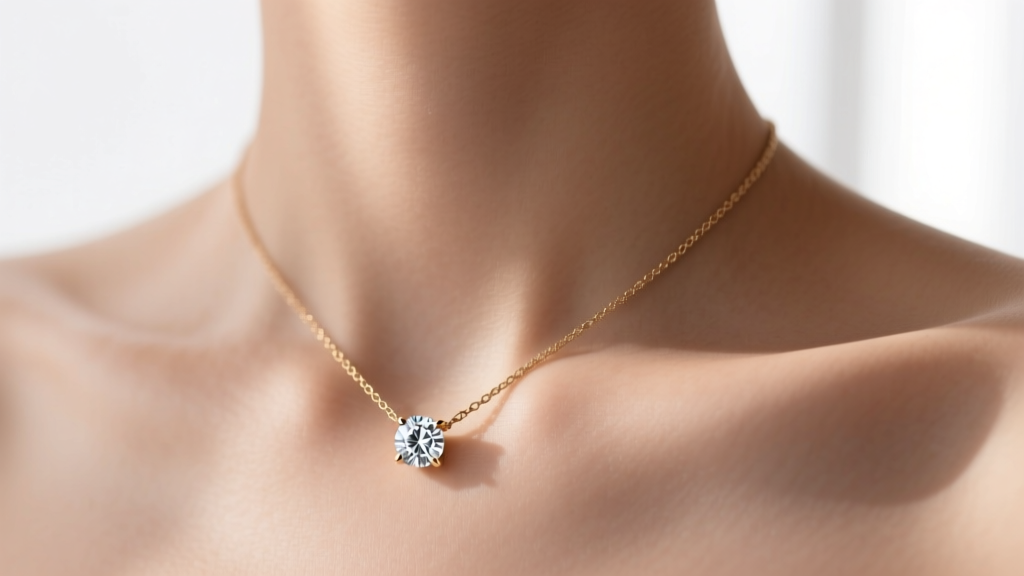
There are few things more frustrating in fine jewelry than reaching for your collarbone only to find the diamond facing backward or sliding completely off-center. If your one diamond pendant necklace constantly flips upside down or migrates to the side of your neck, you are dealing with a structural imbalance. This is not merely a cosmetic annoyance; it is a physics issue rooted in the relationship between the diamond's carat weight, the chain's gauge, and the bail mechanics.
As a daily wear staple, a solitaire diamond pendant is subjected to constant kinetic movement. Walking, typing, and shifting your posture create micro-vibrations that travel up the chain. If the pendant's center of gravity is improperly calibrated against the chain's friction coefficient, the necklace will inevitably fail to drape correctly. In this comprehensive troubleshooting guide, we will diagnose the exact failure points of your necklace and provide actionable, professional-grade solutions to restore its perfect drape.
Chain-to-Pendant Weight Ratios
The most common culprit behind a migrating or flipping pendant is a mismatched chain. Many jewelers pair heavy solitaire settings with ultra-delicate chains to maximize the visual impact of the diamond. However, this creates a severe top-heavy imbalance. A standard 1.00-carat round brilliant diamond weighs approximately 0.20 grams, but the metal setting (especially in 14k or 18k gold) can add another 0.50 to 1.20 grams. If the chain is too light, it lacks the tensile drape required to anchor the pendant at the sternum.
Optimal Chain Sizing by Carat Weight
To prevent flipping, the chain must possess enough structural weight to counterbalance the pendant while maintaining enough flexibility to slide smoothly. Below is the industry-standard ratio matrix for troubleshooting chain thickness relative to diamond size.
| Diamond Carat | Total Pendant Weight | Minimum Chain Width | Recommended Chain Style |
|---|---|---|---|
| 0.25ct - 0.50ct | 0.8g - 1.2g | 0.9mm - 1.1mm | Cable or Bead Chain |
| 0.75ct - 1.00ct | 1.5g - 2.2g | 1.2mm - 1.5mm | Box or Rope Chain |
| 1.25ct - 2.00ct | 2.5g - 4.0g | 1.6mm - 2.0mm | Wheat or Figaro Chain |
Note: Box chains are highly recommended for slider-style pendants because their flat, geometric links reduce the friction that causes the diamond to catch and flip.
Troubleshooting Bail and Setting Mechanics
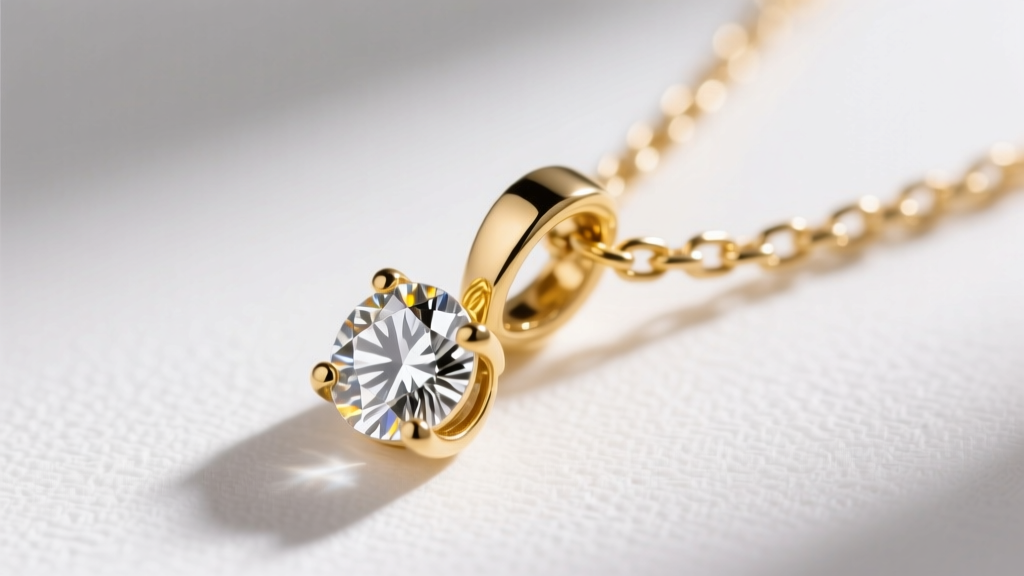
If your chain weight is appropriate but the flipping persists, the issue lies within the bail—the loop that connects the diamond setting to the chain. Understanding the mechanics of your specific bail type is critical for troubleshooting.
The Floating Slider vs. The Fixed Bail
Modern one diamond pendant necklace designs frequently utilize a 'floating' slider bail, where the chain threads directly through a horizontal tube or two soldered rings on the sides of the bezel. While this creates a beautiful illusion of a diamond floating on the skin, sliders are inherently prone to flipping. Because the diamond is essentially a top-heavy wedge, any slight tug will cause it to rotate 180 degrees.
The Fix: If you have a slider, you can temporarily increase friction by threading a microscopic piece of clear silicone tubing over the chain directly adjacent to the slider holes. For a permanent fix, take the piece to a bench jeweler and request a 'soldered fixed bail.' By adding a traditional vertical loop and soldering it to the top of the bezel, the pendant's center of gravity is permanently locked in a downward-facing orientation.
Dealing with Prong Snagging
Flipping is often exacerbated by prongs catching on clothing. A classic 4-prong martini setting is notorious for this. When a prong catches on a knit sweater or scarf, it acts as a lever, forcefully twisting the pendant upside down. According to the Jewelers of America, prong tips should be perfectly rounded and flush against the diamond's crown. If your prongs are catching, a jeweler can perform a 'prong re-tipping and polishing' service, melting a tiny bead of gold over the tip and filing it into a smooth, snag-free dome.
Maintenance: Restoring and Protecting Brilliance
A diamond that is caked in skin oils, lotion, and environmental dust will not only look dull but will also alter the aerodynamic profile of the setting, making it stick to the skin rather than drape smoothly. Proper maintenance is a core component of troubleshooting necklace behavior.
Safe Cleaning Protocols for Solitaires
The Gemological Institute of America (GIA) recommends a gentle, non-chemical approach for routine diamond care. Avoid harsh chlorine bleach, which can pit and discolor the alloy metals in your 14k or 18k gold chain, leading to micro-fractures that cause the chain to stretch and the pendant to hang unevenly.
- The Soak: Mix warm water with a few drops of mild, ammonia-free dish soap. Soak the necklace for 20 minutes.
- The Agitation: Use an extra-soft baby toothbrush to gently sweep the pavilion (the underside) of the diamond, where grease accumulates and acts as an adhesive against your skin.
- The Rinse: Rinse under lukewarm running water, ensuring the drain is securely plugged.
- The Dry: Pat dry with a lint-free microfiber cloth. Avoid air-drying, which leaves hard water spots that mimic the look of a cloudy diamond.
Quick Diagnostic Checklist
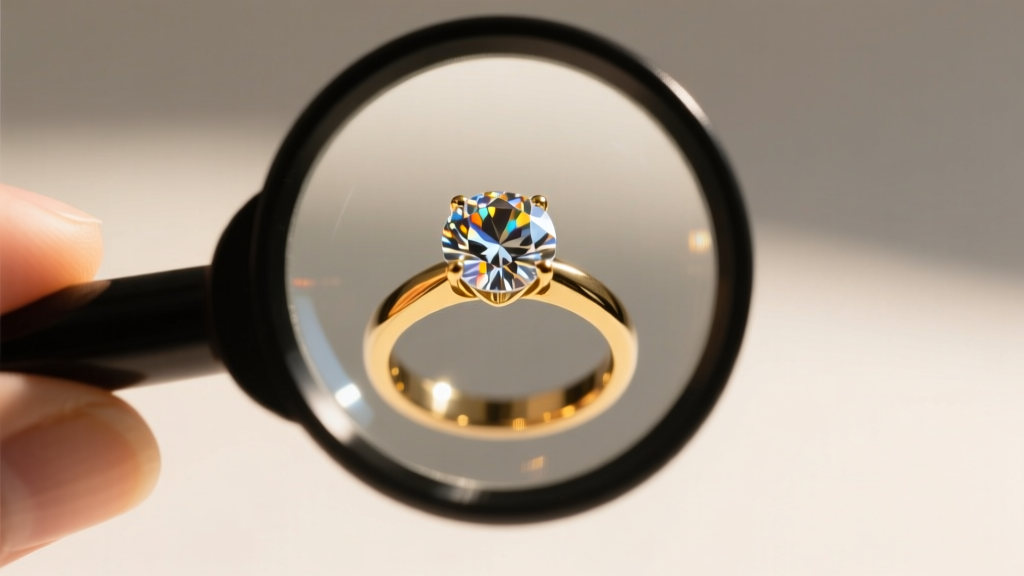
Before visiting a professional, run your one diamond pendant necklace through this rapid diagnostic checklist to isolate the exact point of failure:
- The Drape Test: Hold the clasp and let the chain hang freely. Does the pendant immediately slide to the lowest point, or does it get stuck halfway? (If it gets stuck, the chain has kinks or the slider hole is too narrow).
- The Spin Test: Gently tap the diamond. Does it spin freely on the chain, or is there resistance? (Resistance indicates debris buildup in the bail or a bent chain link).
- The Snag Test: Run a piece of silk fabric over the setting. If it catches, your prongs need professional filing.
- The Weight Test: Compare the chain's thickness to the matrix above. If you have a 1.00ct diamond on a 0.7mm chain, the chain must be upgraded.
When to See a Professional Jeweler
While chain swapping and careful cleaning can resolve 80% of flipping and migration issues, structural metal fatigue requires professional intervention. If you notice the bail loop thinning, or if the chain links near the clasp are elongating into oval shapes, the structural integrity of the necklace is compromised. As of 2026, advanced laser-welding technologies allow bench jewelers to reinforce micro-bails and solder broken links without applying heat to the diamond itself, preventing thermal shock. Do not attempt to bend or squeeze metal components with household pliers, as this will work-harden the gold and lead to catastrophic snapping. Invest in an annual professional inspection to ensure your solitaire remains secure, perfectly balanced, and brilliantly displayed.


