James Avery Heart Knot Necklace: Tarnish & Clasp Fixes
Troubleshoot common issues with your James Avery Heart Knot Necklace. Learn expert fixes for sterling silver tarnish, clasp failures, and chain kinks.

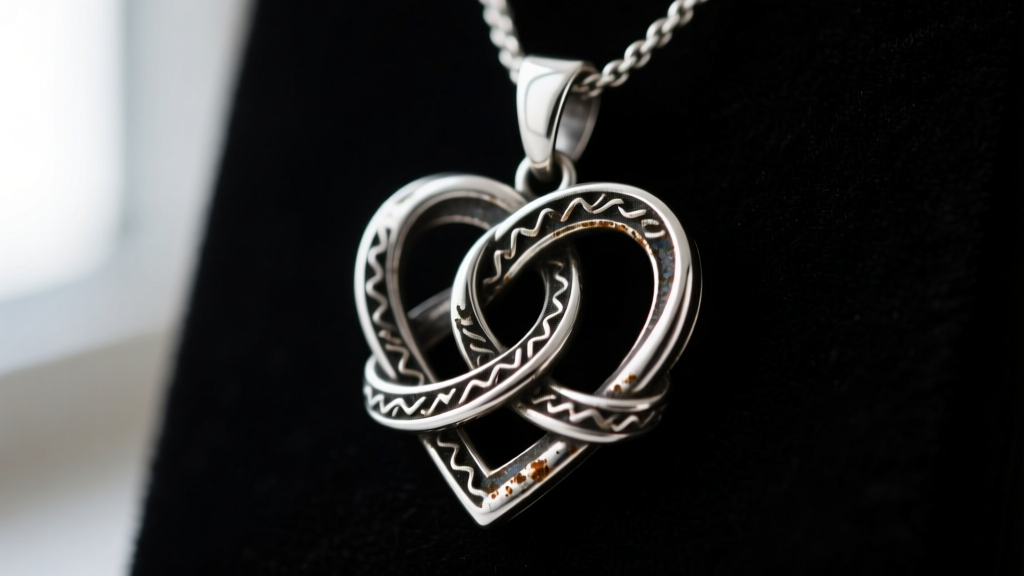
The James Avery Heart Knot Necklace is more than just a piece of jewelry; it is a sentimental staple, often gifted to mark milestones, weddings, or deep friendships. Crafted primarily in 925 sterling silver and sometimes accented with 14k gold, this interlocking design symbolizes unbreakable bonds. However, daily wear exposes the intricate knotwork and delicate chains to environmental stressors, skin chemistry, and mechanical friction. If your cherished necklace is looking dull, catching on fabrics, or suffering from a faulty clasp, you do not necessarily need to mail it off for expensive repairs. This comprehensive troubleshooting guide will walk you through diagnosing and fixing the most common issues plaguing the James Avery Heart Knot Necklace, using professional jeweler techniques adapted for at-home care.
The Tarnish Trap: Restoring the Sterling Silver Shine
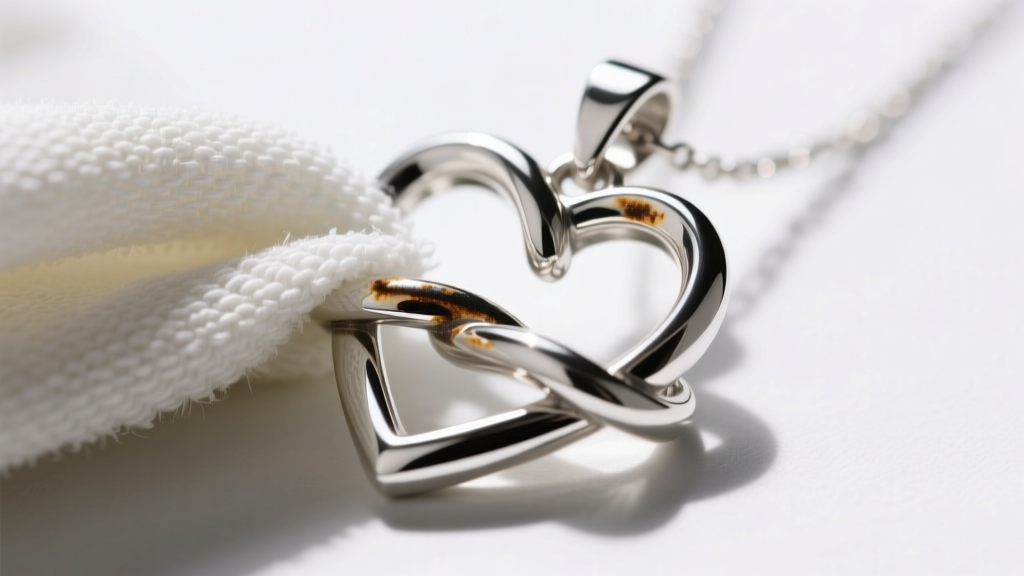
Sterling silver is an alloy composed of 92.5% pure silver and 7.5% copper. While pure silver is highly resistant to tarnish, the copper added for structural integrity reacts with sulfur and moisture in the air, creating silver sulfide—the blackish film that dulls your necklace. According to the Gemological Institute of America (GIA), environmental factors like humidity, wool, and even certain foods can accelerate this chemical reaction.
Cleaning the Knot Crevices
The Heart Knot design, with its overlapping loops and deep undercuts, acts as a trap for skin oils, lotions, and environmental pollutants, accelerating localized oxidation. Do not use liquid silver dips (like Tarn-X) on your James Avery pieces. These harsh thiourea-based chemicals can strip the metal's natural luster, leave a chalky white residue in the knot's deep crevices, and potentially degrade the solder points on the chain.
Instead, use a manual polishing approach. For the deep grooves of the heart knot, wrap a high-quality microfiber polishing cloth around a wooden toothpick or a soft-bristled baby toothbrush. Gently work the brush with a drop of mild, phosphate-free dish soap and warm water to dislodge trapped sebum. Rinse thoroughly and dry immediately with a lint-free cloth to prevent water spots.
Two-Tone (Silver & Gold) Considerations
If your Heart Knot Necklace features 14k gold accents, you must be careful not to use abrasive polishing pastes meant for heavy silver tarnish, as these can scratch the softer gold alloy. Stick to gentle, non-impregnated microfiber cloths for the gold sections, and use a dedicated silver-polishing cloth only on the sterling silver portions to avoid cross-contamination and uneven wear.
Clasp & Jump Ring Malfunctions: Securing Your Piece
The most frequent mechanical failure on any pendant necklace occurs at the connection points: the jump rings and the lobster clasp. James Avery typically uses durable, stamped lobster clasps, but the unsoldered split jump ring connecting the clasp to the chain is a structural vulnerability.
Diagnosing Jump Ring Separation
If your necklace slips off unexpectedly, inspect the jump ring. Over time, the tension of putting the necklace on and off causes the split in the jump ring to fatigue and pull open. The Fix: You need two pairs of flat-nose jewelry pliers. Never pull the ring apart laterally (like a C); instead, twist the ends in opposite directions (one toward you, one away) to open it, reposition the chain link, and twist it back closed. For a permanent fix, take it to a local James Avery retailer or a bench jeweler to have the jump ring laser-soldered shut.
Lobster Clasp Spring Failure
If the clasp lever feels mushy, sticks open, or will not snap back, the internal spring is compromised. This is not a DIY fix. Attempting to pry open the cast clasp housing will destroy it. Fortunately, James Avery stores often offer complimentary or low-cost clasp replacements for authentic pieces brought into their boutiques.
Chain Kinks & Tangles: Smoothing the Links
Box chains and rope chains are popular pairings for the Heart Knot pendant due to their durability, but they are prone to kinking if stored improperly or slept in. A kinked box chain weakens the structural integrity of the square links, leading to eventual snapping.
Uncrinkling Technique: Lay the chain flat on a clean, hard surface. Using a smooth, heavy cylindrical object (like a glass spice jar or a dedicated jewelry burnisher), apply gentle, even pressure and roll back and forth over the kinked section. This realigns the geometric links without stressing the solder joints. Never pull a kinked chain taut; this will permanently warp the links and require professional chain reconstruction.
Troubleshooting Matrix: Quick Diagnosis Guide
Use the table below to quickly identify your necklace's issue and determine the safest course of action.
| Symptom | Root Cause | DIY Solution | When to See a Jeweler |
|---|---|---|---|
| Black buildup in knot crevices | Copper oxidation & trapped sebum | Soft brush, mild soap, toothpick | If tarnish is pitted or corrosive |
| Clasp won't snap shut | Broken internal spring mechanism | None (do not force the lever) | Replace clasp at a JA store |
| Chain separates at the ends | Jump ring fatigue and lateral pull | Twist shut with flat-nose pliers | Solder jump ring for permanence |
| Stiff, bent chain links | Sleeping in necklace, poor storage | Roll flat with a glass cylinder | If links are cracked or separated |
Preventative Care & Storage Protocols
The Silver Institute recommends minimizing silver's exposure to sulfur-rich environments. To keep your Heart Knot Necklace pristine between wears, store it in a sealed polyethylene ziplock bag with a 3M anti-tarnish strip. Replace the strip every 6 months. Avoid storing your jewelry in the bathroom, as the high humidity and aerosolized chemicals from hair products create a perfect storm for rapid oxidation. By following these targeted troubleshooting and maintenance steps, your James Avery Heart Knot Necklace will remain a brilliant, secure symbol of your most cherished connections for decades to come.


