How to Fix a Kinked White Gold Omega Chain Necklace
Learn expert troubleshooting to fix a kinked white gold omega chain necklace, prevent hair pulling, and restore rhodium plating for lasting wear.

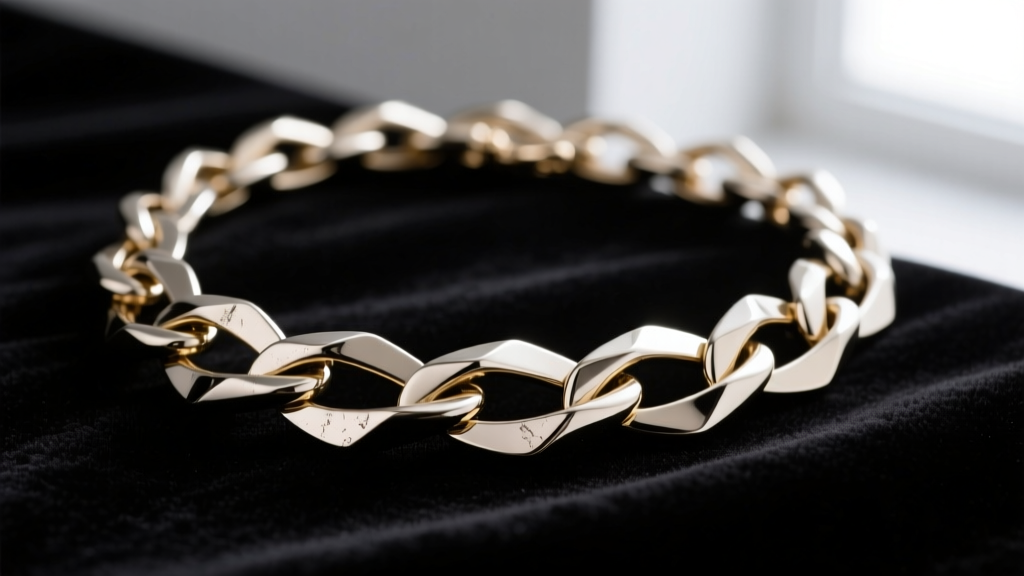
The white gold omega chain necklace is a staple of elegant, minimalist jewelry design. Its sleek, continuous metallic ribbon reflects light beautifully and provides a sturdy, luxurious base for high-carat pendants. However, this specific chain style is notorious among jewelers and collectors for one critical vulnerability: kinking. Because of its unique structural anatomy, an omega chain cannot be pulled straight like a cable or curb chain once it folds past its yield point. Furthermore, when crafted in white gold, the chain presents additional maintenance hurdles, from rhodium plating degradation to micro-gap hair snagging.
If your favorite piece has suffered a bend, lost its bright white luster, or is catching your hair, this comprehensive 2026 troubleshooting guide will walk you through the metallurgical realities of your jewelry and provide actionable, expert-level solutions to restore it.
The Anatomy of an Omega Chain: Why Kinking Happens
To troubleshoot a kink, you must first understand how an omega chain is manufactured. Unlike solid link chains, an omega chain consists of a flexible, woven wire mesh core (often steel or a base gold alloy) over which interlocking, flat metal plates are tightly crimped. These outer plates give the necklace its signature smooth, tubular, or flat ribbon appearance.
When the necklace is bent sharply, the inner radius of the bend compresses. The interlocking outer plates crash into one another, buckle, and collapse the flexible core beneath. Once the core is crushed, the structural integrity of that specific segment is permanently compromised. According to the Gemological Institute of America (GIA), the malleability of the gold alloy used for these outer plates heavily dictates how easily this collapse occurs, making the karat weight a crucial factor in both prevention and repair.
Step-by-Step Guide to Straightening a Kinked Omega Chain
Never use pliers, tweezers, or your fingernails to pry a kink open. This will scratch the rhodium plating, mar the gold, and likely snap the internal mesh core. Instead, use the wooden dowel method to gently coax the plates back into alignment.
The Wooden Dowel Method
- Materials Needed: A smooth, hardwood dowel (1-inch diameter), a clean microfiber cloth, and a flat, padded work surface.
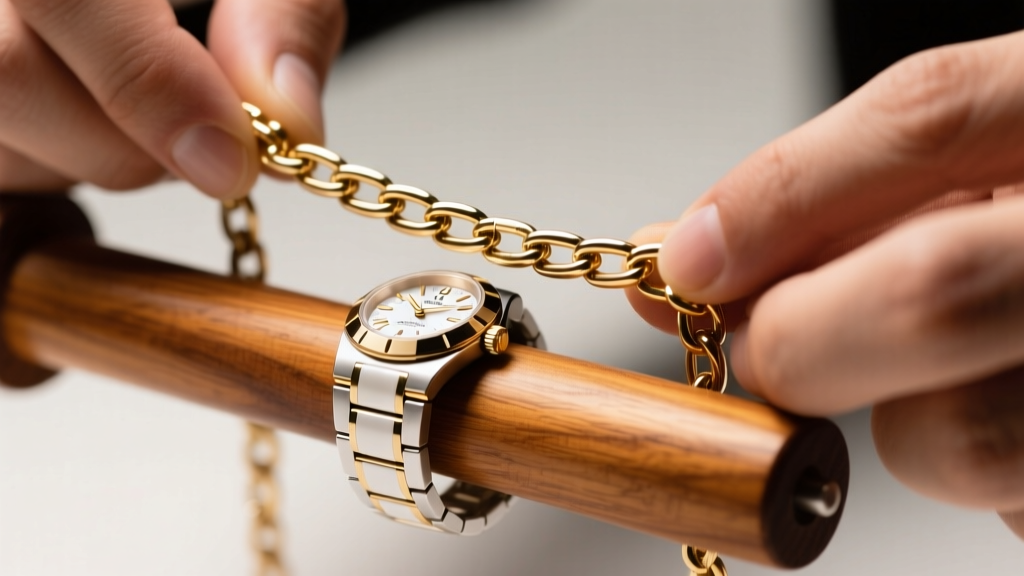
- Step 1: Wrap the microfiber cloth tightly around the wooden dowel to prevent wood grain from micro-scratching the white gold.
- Step 2: Lay the kinked section of the omega chain flat against a soft jeweler's pad.
- Step 3: Place the wrapped dowel directly over the kink. Apply firm, even downward pressure and roll the dowel back and forth over the damaged area.
- Step 4: The rolling compression forces the buckled outer plates to flatten out and pushes the internal mesh core back into a cylindrical shape. Repeat this process 10 to 15 times, checking the drape of the chain periodically.
When to Seek Professional Jeweler Intervention
If the kink has caused the outer gold plates to crack, split, or overlap severely, DIY rolling will only worsen the damage. A professional bench jeweler will need to use a laser welder to fuse microscopic fractures in the gold plates without melting the surrounding links, followed by a mandrel stretch to realign the core.
Troubleshooting White Gold Discoloration and Rhodium Wear
A common issue accompanying kinks in a white gold omega chain necklace is localized yellowing. White gold is not naturally white; it is an alloy of yellow gold mixed with white metals like nickel, palladium, or silver. To achieve a mirror-like, platinum-white finish, the chain is electroplated with a microscopic layer of rhodium (typically 0.05 to 0.10 microns thick).
When an omega chain kinks, the extreme stress on the metal causes the rigid rhodium plating to micro-fracture and flake off at the bend site. This exposes the underlying white gold alloy, which often has a faint yellowish or greyish tint. Furthermore, the friction from daily wear accelerates rhodium loss on the back of the chain where it rests against the skin's natural oils and cosmetics.
Expert Tip: If your omega chain is turning yellow, do not attempt to polish it with abrasive silver cloths. Polishing will strip the remaining rhodium plating. The only permanent fix is to have a jeweler professionally ultrasonically clean, polish, and re-plate the chain with fresh rhodium.
14k vs 18k White Gold Omega Chains: Durability Comparison
Choosing the right karat weight impacts both the longevity of the rhodium plating and the chain's resistance to kinking. Below is a technical comparison to help you understand your specific metal's behavior:
| Property | 14k White Gold Omega | 18k White Gold Omega |
|---|---|---|
| Gold Purity | 58.3% | 75.0% |
| Common Alloy Metals | Nickel, Zinc, Copper | Palladium, Silver |
| Vickers Hardness (HV) | 135 - 160 HV | 115 - 130 HV |
| Kink Resistance | Moderate (Stiffer Core) | Low (Highly Malleable) |
| Rhodium Plating Need | High (Alloy is yellowish) | Low (Alloy is naturally whiter) |
Solving the "Hair Pulling" and Clasp Snagging Issues
Omega chains are infamous for catching and pulling fine neck hair. This is not a defect, but a byproduct of the chain's design. The interlocking outer plates require micro-gaps to allow the chain to flex. When the chain rests against the skin, fine hairs slip into these microscopic seams and are pulled when the necklace shifts.
Troubleshooting Steps:
- Ultrasonic Degreasing: Body oils and lotions act as an adhesive, trapping hair in the plate seams. Clean the chain weekly in a mild ultrasonic jewelry cleaner to remove oil buildup.
- Clasp Alignment: The lobster clasp on an omega chain often snags because the chain's rigid tubular end caps do not articulate smoothly. Apply a microscopic drop of synthetic watch oil to the clasp spring mechanism to ensure it snaps shut completely, leaving no gap for hair to enter.
- Length Adjustment: Omega chains perform best as chokers or princess-length necklaces (16 to 18 inches). Longer lengths (20+ inches) swing more, increasing the friction and hair-pulling effect. If your chain is too long, have a jeweler remove links from the back rather than letting it drape loosely.
Pendant Pairing: Overcoming Bail Size Restrictions
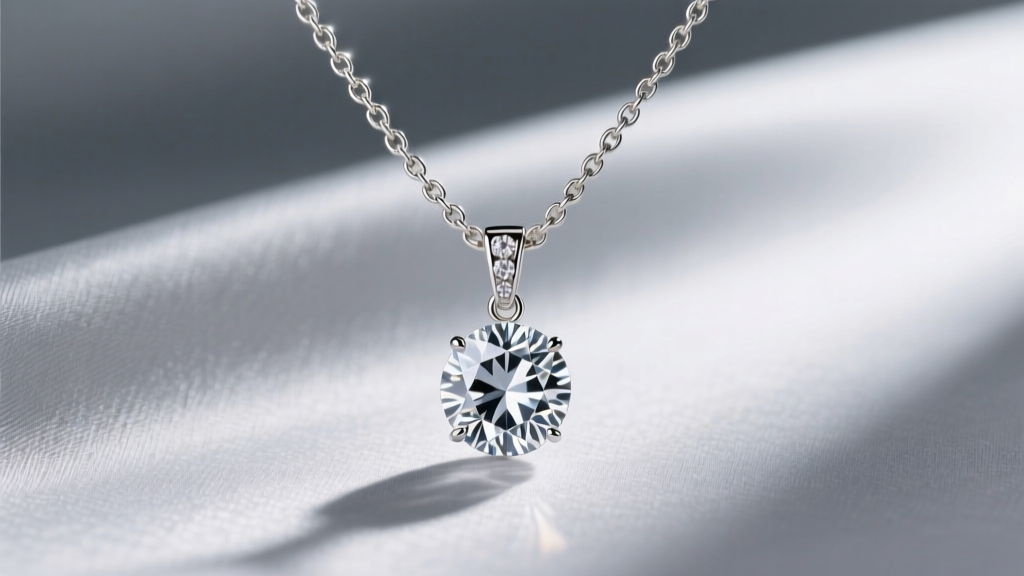
Another frequent point of frustration is attempting to slide a pendant onto an omega chain. Because omega chains are thick and rigid—typically ranging from 1.5mm to 3.5mm in width—standard pendant bails (which are designed for flexible 1mm cable chains) simply will not fit. Forcing a small bail over a 3.0mm omega chain will crush the bail and scratch the chain's rhodium finish.
The Solution: You must source pendants specifically fitted with an "Omega Bail" or a "Hidden Euro Bail." These specialized bails feature a wide, flattened, or hinged internal channel with an inner diameter of at least 4.0mm to 5.0mm, allowing them to glide smoothly over the wide, flat surface of the omega plates without pinching. As recommended by Jewelers of America, always measure the inner width of your pendant's bail with digital calipers before attempting to thread it onto a rigid chain.
Preventative Maintenance and Storage Rules
Because you cannot easily un-kink an omega chain, prevention is your primary maintenance strategy. The vast majority of kinks occur not during wear, but during improper storage.
- Never Coil Tightly: Do not wrap the necklace around your fingers or stuff it into a small jewelry box compartment. The tight coiling radius exceeds the metal's yield point.
- Lay Flat or Hang: Store the white gold omega chain necklace perfectly flat in a velvet-lined drawer, or hang it from a wide, padded jewelry hook that supports the entire length of the chain.
- The Travel Rule: When traveling, clasp the necklace and lay it flat inside a hard-shell sunglasses case or a specialized rigid jewelry roll. Never toss it loosely into a soft toiletry bag where it can be crushed by heavier items.
By understanding the structural limitations of the interlocking plates and the specific care requirements of white gold rhodium plating, you can ensure your omega chain remains a flawless, kink-free statement piece for decades.


