Fix Hair Snags and Slipping With a Necklace Clasp Cover
Stop your necklace from sliding forward and prevent hair snags. Learn how to choose and use a necklace clasp cover for a seamless fit.

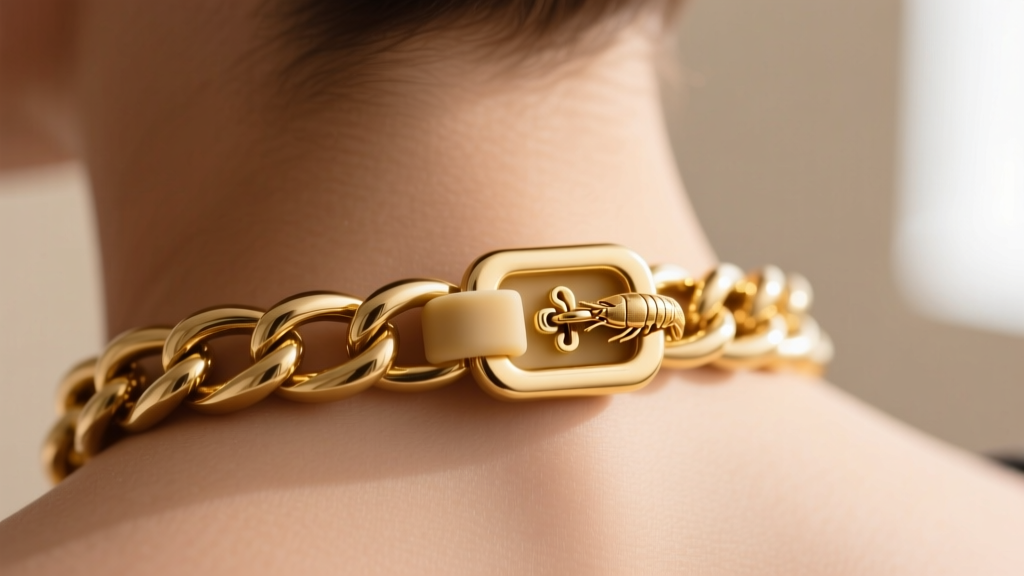
There are few things more frustrating in daily jewelry wear than the constant upward tug of a necklace chain sliding around your neck, or the sharp pinch of a lobster claw catching in your hair. While many attribute these annoyances to poor chain design, the root cause is often a simple imbalance in weight distribution and exposed mechanical levers. Enter the necklace clasp cover: an underutilized, highly effective troubleshooting tool that solves both aesthetic and functional jewelry problems simultaneously.
Whether you are dealing with a front-sliding pendant or a clasp that acts like a hair magnet, understanding how to properly select, size, and apply a clasp cover will permanently upgrade your necklace-wearing experience. In this guide, we break down the physics of necklace slippage, material grades, and exact sizing metrics to help you find the perfect fix.
The Physics of Necklace Slipping and Snagging
To troubleshoot a slipping necklace, we must first look at the center of mass. According to jewelry manufacturing standards outlined by the Jewelers of America, a standard 18-inch cable chain weighs between 1.5 and 3 grams. If you attach a 6-gram gemstone pendant to the front, the gravitational pull creates a forward rotational force. The heavy pendant drags the chain downward, forcing the lighter clasp to migrate upward and rest awkwardly on your collarbone or nape.
Simultaneously, the mechanics of a standard lobster clasp present a biological hazard. The spring-loaded lever on a typical 12mm lobster clasp leaves a micro-gap of roughly 0.5mm to 1mm when closed. Fine hair easily slips into this gap, wrapping around the internal spring pin and causing painful snags and broken strands. A necklace clasp cover addresses both issues by adding strategic counterweight to the back of the chain and encapsulating the snag-prone lever mechanism.
What Exactly Is a Necklace Clasp Cover?
A necklace clasp cover is a specialized jewelry finding designed to encase, conceal, or sleeve the clasp mechanism. They generally fall into two functional categories:
- Silicone Snag Guards: Flexible, medical-grade sleeves that stretch directly over the lobster clasp lever, sealing the micro-gap and providing a smooth, friction-heavy surface that grips the skin to prevent sliding.
- Counterweight Concealer Tubes: Hollow metal or enameled beads that the clasp tucks inside. These serve a dual purpose: they hide the utilitarian look of the clasp and add 2 to 5 grams of weight to the nape, perfectly balancing out heavy front pendants.
Material Breakdown: Choosing the Right Cover
Selecting the correct material depends entirely on your primary grievance: hair snagging, chain slipping, or metal allergies. The Gemological Institute of America (GIA) frequently notes that base-metal jewelry findings can cause contact dermatitis, making material purity essential for items resting against the sensitive skin of the nape.
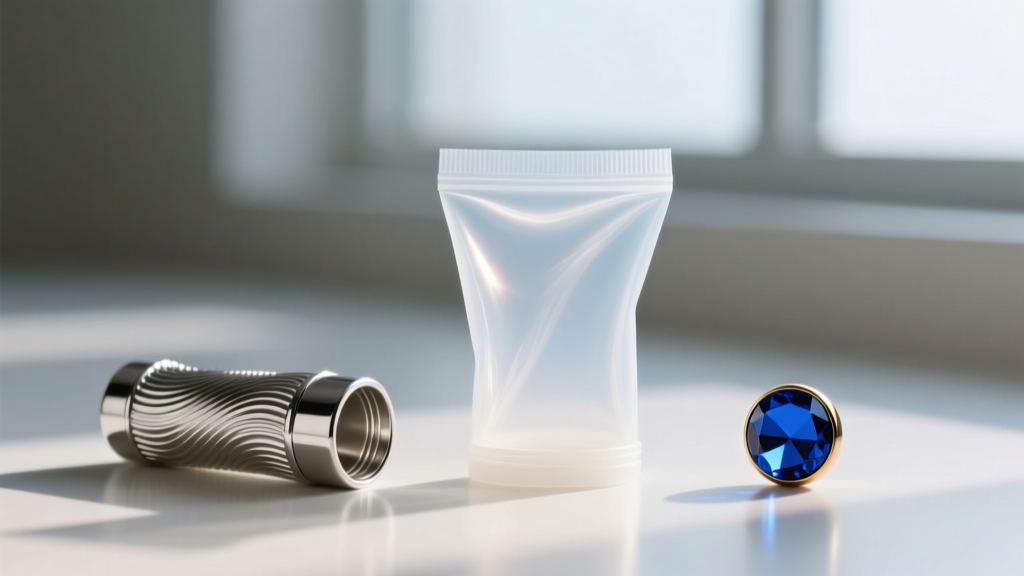
| Material | Primary Function | Weight Added | Best For |
|---|---|---|---|
| Medical-Grade Silicone | Snag prevention, skin grip | < 0.5 grams | Fine hair, lightweight chains, active wear |
| 14/20 Gold-Filled Tube | Counterweight, concealment | 2.0 - 4.0 grams | Heavy pendants, premium aesthetic matching |
| 925 Sterling Silver | Counterweight, hypoallergenic | 2.5 - 5.0 grams | Sensitive skin, silver chain integration |
| Enameled Brass | Decorative concealment | 1.0 - 2.0 grams | Colorful statement pieces, budget fixes |
Expert Note: When purchasing silicone covers, look for a Shore A hardness rating between 40A and 50A. This specific durometer provides enough elasticity to stretch over the clasp lever without tearing, while maintaining enough structural memory to grip the skin and resist sliding.
Sizing Metrics: Inner Diameter vs. Jump Ring Gauge
The most common point of failure when buying a necklace clasp cover is incorrect sizing. If the inner diameter (ID) of a concealer tube is too large, the lobster clasp will slip right through it, rendering the cover useless. If the ID of a silicone sleeve is too small, it will snap when stretched over the clasp.
Measuring for Concealer Tubes
Standard lobster clasps come in two primary sizes: 5mm x 12mm (for delicate chains) and 7mm x 15mm (for medium chains). To ensure the clasp tucks securely inside a metal concealer tube, the tube's inner diameter must be 0.5mm smaller than the widest point of the clasp body, but 1.0mm larger than the outer diameter (OD) of the chain's jump ring. For example, if your chain terminates in a 4mm jump ring, and your clasp is 5mm wide, you need a concealer tube with an ID of exactly 4.5mm. This allows the jump ring to pass through while the clasp body catches on the rim, hiding it completely.
Measuring for Silicone Sleeves
Silicone sleeves rely on tension. You must measure the height of the clasp lever, not the width. A standard 12mm lobster clasp has a lever height of about 3mm. A silicone sleeve with a relaxed inner diameter of 2mm will stretch to 3.5mm, creating the necessary compressive force to stay locked over the lever without slipping off during wear.
Troubleshooting Common Clasp Cover Issues
Even with the right materials, improper application can lead to frustrating failures. Here is how to troubleshoot the most common issues jewelers see in the workshop.
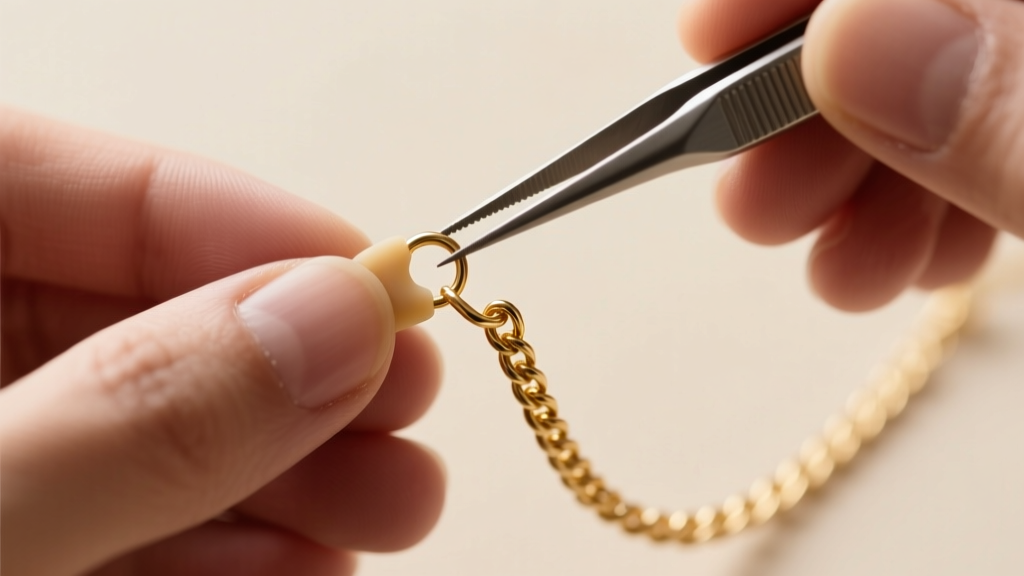
Issue 1: The Silicone Sleeve Keeps Rolling Off
The Cause: The natural oils from your skin and hair act as a lubricant, reducing the friction between the silicone and the metal clasp, causing the sleeve to slide off the lever and expose the snag-point.
The Fix: Before applying the sleeve, clean the lobster clasp with a microfiber cloth and a drop of isopropyl alcohol to remove manufacturing oils and skin sebum. Once dry, apply a microscopic dab of clear jewelry wax or a tiny strip of double-sided jeweler's tape inside the sleeve before stretching it over the lever. This creates a semi-permanent bond that survives daily wear but can be removed with warm soapy water when it's time to clean the piece.
Issue 2: The Metal Concealer Tube Rattles
The Cause: The jump ring is too small, allowing the heavy metal tube to slide back and forth along the chain, creating an annoying metallic clicking sound against the clasp.
The Fix: Introduce a secondary stopper. Thread a 2mm silicone o-ring or a tiny rubber friction bead onto the chain directly behind the jump ring. This acts as a shock absorber, filling the negative space and silencing the rattle while protecting the chain links from metal-on-metal abrasion.
Issue 3: The Counterweight Isn't Heavy Enough
The Cause: You have a massive 15-gram pendant, and the 3-gram sterling silver concealer tube at the back still isn't providing enough counter-mass to stop the forward slide.
The Fix: Abandon the tube cover and switch to a magnetic clasp adapter. Magnetic clasps are inherently heavier (often 8 to 12 grams) due to the internal neodymium magnets and thick brass housings. They act as an ultimate counterweight while completely eliminating the need for a traditional lobster claw, thereby solving the snagging issue at the source.
Maintenance and Cleaning Protocols
Clasp covers, particularly silicone ones, require specific maintenance to prevent degradation. Silicone is highly porous at a microscopic level and will trap dead skin cells, sweat, and lotions. Over time, this buildup turns the silicone cloudy and brittle.
To clean a silicone necklace clasp cover, remove it from the clasp and soak it in a solution of warm water and a few drops of mild, ammonia-free dish soap for ten minutes. Gently brush the interior with a soft-bristled baby toothbrush to dislodge trapped sebum. Rinse thoroughly and air dry on a lint-free cloth. Never use ultrasonic cleaners or harsh chemical dips (like silver polish) on silicone, as the high-frequency vibrations and acidic compounds will cause the material to micro-tear and lose its elasticity.
For metal concealer tubes, treat them as you would the chain itself. Use a specialized gold or silver polishing cloth to buff the exterior, being careful not to snag the cloth on the interior threading or magnetic rims. By integrating a high-quality necklace clasp cover into your jewelry routine, you transform a frustrating, ill-fitting accessory into a comfortable, secure, and seamlessly elegant statement piece.


