The Ultimate Guide to Choosing a Secure Silver Necklace Clasp
Discover how to choose the perfect silver necklace clasp. Learn about sterling silver hallmarks, durability, and the best clasp types for heavy pendants.

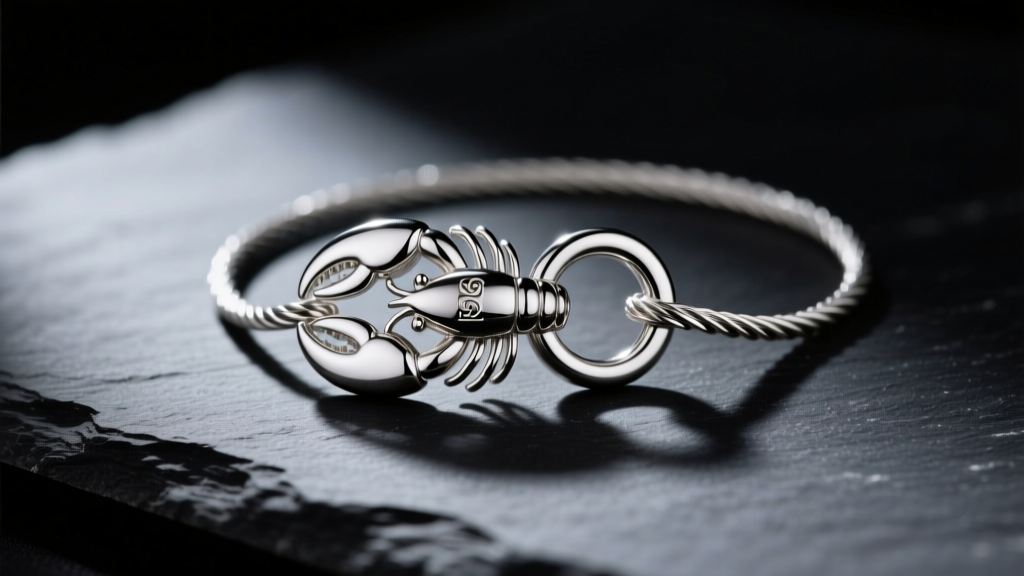
The Weakest Link: Why Your Silver Necklace Clasp Matters
When investing in fine jewelry, buyers often obsess over the purity of the gemstones or the intricate weave of the chain, entirely ignoring the component that actually keeps the piece secure: the clasp. A $2,000 sterling silver Cuban link chain secured by a flimsy, mass-produced spring ring is a disaster waiting to happen. In fact, industry repair data consistently shows that clasp failure and the subsequent loss of the chain or pendant account for a significant percentage of jewelry insurance claims.
As we navigate the jewelry market in 2026, the variety of findings available has expanded, but the fundamental physics of securing a heavy silver chain remains unchanged. Choosing the right silver necklace clasp requires an understanding of metallurgy, mechanical stress points, and weight distribution. This comprehensive buying guide will break down exactly what to look for, how to identify high-quality findings, and how to match the clasp to your specific chain style.
Metallurgy 101: Understanding Sterling Silver in Findings
To evaluate a silver necklace clasp, you must first understand the material it is made from. Pure silver (999 fine silver) is exceptionally malleable. While excellent for bezels and intricate metal clay work, it is entirely unsuitable for mechanical findings. If a clasp were made of pure silver, the spring mechanism would stretch out and fail after just a few uses.
This is why high-quality clasps are crafted from 925 sterling silver, an alloy containing 92.5% pure silver and 7.5% copper. According to the Gemological Institute of America (GIA), the addition of copper dramatically increases the tensile strength and hardness of the metal, allowing it to hold a spring's tension and resist the daily pulling forces of a necklace.
The Danger of Work Hardening
Even with copper, sterling silver is subject to 'work hardening.' Every time you open and close a silver clasp, the metal's crystal lattice structure becomes slightly more rigid and brittle. Over time, a poorly annealed silver lobster claw will snap at the hinge rather than bend. When shopping, look for clasps that have been properly annealed during manufacturing, which is often indicated by a smooth, fluid lever action rather than a stiff, grinding feel.
The 5 Primary Silver Necklace Clasp Types Evaluated
Not all silver necklace clasps are created equal. The 'best' clasp depends entirely on the weight of the chain, the frequency of wear, and the wearer's dexterity. Below is an evaluation of the most common types you will encounter when shopping for silver chains or replacement findings.
1. The Spring Ring
The spring ring is the default clasp for lightweight, mass-produced silver chains (typically under 5 grams). It features an internal steel spring encased in a hollow silver tube. While inexpensive, they are notoriously difficult to operate with one hand and are highly prone to internal spring failure. Verdict: Avoid for any chain over 5 grams.
2. The Lobster Claw
A massive upgrade from the spring ring, the lobster claw features a solid, asymmetrical design with a self-closing lever. For heavy silver chains, always opt for a cast or solid-stamped lobster clasp rather than a hollow, folded-sheet metal version. Solid lobster clasps can easily support chains weighing up to 40 grams. Verdict: The best all-rounder for everyday medium-weight chains.
3. The Box Clasp with Safety Catch
For heavy silver chains (50+ grams), such as thick Figaro or Cuban links, the box clasp is the gold standard. It features a V-shaped 'tongue' that compresses and clicks securely into a square housing. High-end versions include a hinged safety wire that loops over a bead, providing a secondary failsafe if the primary tongue loosens. Verdict: Mandatory for heavy, statement silver chains.
4. The Toggle Clasp
A T-bar that slips through a circular ring. Toggle clasps rely entirely on the weight of the necklace to keep the bar pulled horizontally against the ring. They are easy to fasten for those with limited dexterity but can slip off if the chain is too short or too light. Verdict: Best for long, heavy silver rope or bead chains.
5. Magnetic Clasps (Neodymium Core)
Modern magnetic clasps use powerful neodymium magnets housed inside a sterling silver shell. They are incredibly user-friendly but must be purchased from reputable jewelers to ensure the internal magnets are shielded properly and the silver housing is thick enough to prevent crushing. Verdict: Excellent for accessibility, but ensure the silver housing is stamped 925 and weighs at least 3 grams.
Clasp Comparison: Security and Weight Limits
| Clasp Type | Security Rating (1-5) | Max Recommended Chain Weight | Primary Failure Mode |
|---|---|---|---|
| Spring Ring | 2 | 5 grams | Internal steel spring rust/fatigue |
| Lobster Claw | 4 | 45 grams | Lever arm warping or hinge pin failure |
| Box with Safety | 5 | 100+ grams | Tongue metal fatigue (loss of tension) |
| Toggle | 3 | 60 grams (Minimum 20g) | Bar slipping through ring if chain is light |
| Magnetic | 3 | 25 grams | Glue failure separating magnet from silver shell |
Critical Failure Points and Troubleshooting
Even the most expensive silver necklace clasp will fail if the connecting components are subpar. According to manufacturing insights from Rio Grande, a leading jewelry findings supplier, the majority of 'clasp failures' are actually jump ring failures. Here is what you must inspect when buying or repairing a silver chain:
- The Jump Ring Gauge: The jump ring connecting the clasp to the chain must be thicker than the chain wire itself. For a heavy silver chain, a 20-gauge jump ring will easily pull apart. Insist on 16-gauge or 14-gauge jump rings for heavy pendants and chains.
- Hard-Tempered vs. Dead-Soft: Jump rings should be 'hard-tempered' or 'half-hard.' Dead-soft silver wire is easy to bend but will pull open under the dynamic stress of a swinging pendant.
- Solder Joint Degradation: If your clasp is attached via a split ring or an unsoldered jump ring, it is a weak point. Having a jeweler solder the jump ring shut (using hard silver solder that melts at a higher temperature than the chain's links) increases the security by over 80%.
How to Upgrade and Secure Your Existing Chains
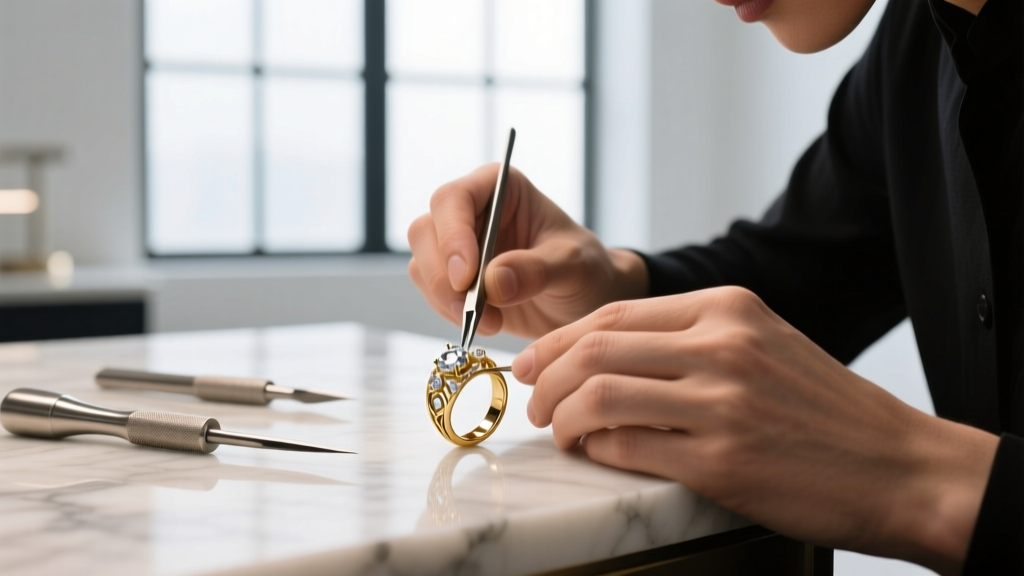
If you have a beloved silver chain with a failing or inadequate clasp, upgrading it is a straightforward and cost-effective process. You do not need to replace the entire necklace. Here is a practical framework for upgrading your findings:
- Assess the Visual Balance: A common mistake is putting a massive, heavy box clasp on a delicate 1.5mm cable chain. The clasp will constantly slide to the front of the neck. As a general rule, the clasp should not weigh more than 15% of the total chain weight.
- Calculate the Cost: A standard jeweler will charge between $15 and $45 to snip off an old spring ring, attach a solid sterling silver lobster claw, and solder the jump ring shut. For custom-fitted box clasps with safety catches, expect to pay between $85 and $150, depending on the silver weight and labor.
- Check the Hallmark: When buying a replacement clasp, use a jeweler's loupe to verify the '925' stamp. Be wary of unbranded clasps from online marketplaces, as they are often silver-plated brass, which will eventually turn your skin green and fail to solder properly due to the zinc content in the brass.
Expert Verdict: Matching the Clasp to the Occasion
Ultimately, the perfect silver necklace clasp is one that balances security with user experience. For everyday wear, a solid, heavy-duty lobster claw attached via a soldered 16-gauge jump ring offers the best combination of durability and ease of use. For heirloom pieces, heavy silver chains, or high-value pendants, never compromise on a box clasp with a secondary safety catch. By paying attention to the metallurgy and mechanical design of your findings, you ensure that your jewelry remains secure, beautiful, and intact for a lifetime of wear.


