How to Fix and Style Your Sunrise Necklace: A Troubleshooting Guide
Is your sunrise necklace tangling, flipping, or fading? Discover expert troubleshooting tips to fix chain issues, protect enamel, and style it perfectly.

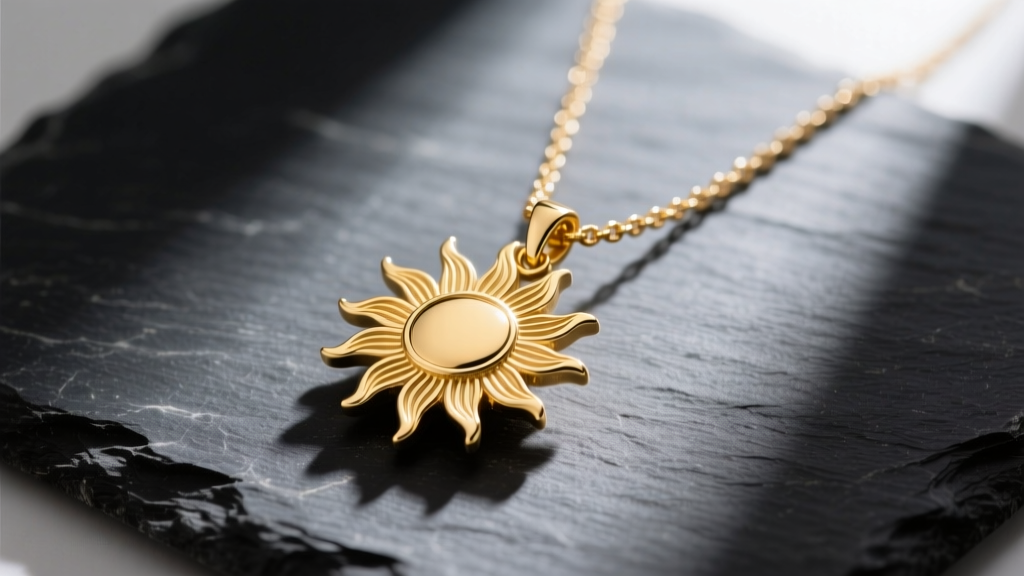
The Anatomy of a Sunrise Necklace: Why They Fail
Sunrise necklaces—characterized by radiating sunburst pendants, gradient gemstone arcs, or intricate guilloché enamel dials—are staples in celestial and nature-inspired jewelry. However, their unique geometry and mixed-material construction make them highly susceptible to specific mechanical and environmental failures. Unlike simple solitaire pendants, a sunrise pendant often features a wide, asymmetrical, or top-heavy design that disrupts the natural hang of a chain. Furthermore, the delicate materials used to create the "glowing" sunrise effect, such as cold enamel or heat-treated gradient stones, require highly specific care protocols. In this comprehensive troubleshooting guide, we will diagnose the most common mechanical failures of sunrise necklaces and provide actionable, expert-level solutions to restore and maintain your piece.
Troubleshooting Chain and Pendant Mechanics
The "Flipping Pendant" Problem
The most frequent complaint among sunrise necklace wearers is the pendant constantly flipping upside down, hiding the intricate sunburst motif against the chest. This is rarely a defect in the pendant itself; rather, it is a failure in the bail-to-chain ratio. If the inner diameter of the pendant's bail is more than 2.5 times the width of the chain, the pendant lacks the lateral friction required to stay centered. A standard 0.7mm cable chain paired with a 3mm bail on a 20mm sunburst pendant guarantees continuous flipping due to the pendant's off-center gravity.
The Fix: You have two primary options. First, upgrade your chain to a 1.2mm box chain or a 1.5mm rope chain. These wider profiles fill the bail, creating enough friction to keep the sunrise motif facing forward. Second, if you prefer a delicate chain, purchase a 2mm clear silicone o-ring (often sold as pendant stabilizer beads) and thread it onto the chain inside the bail. This acts as a custom bumper, eliminating the empty space that allows the pendant to rotate.
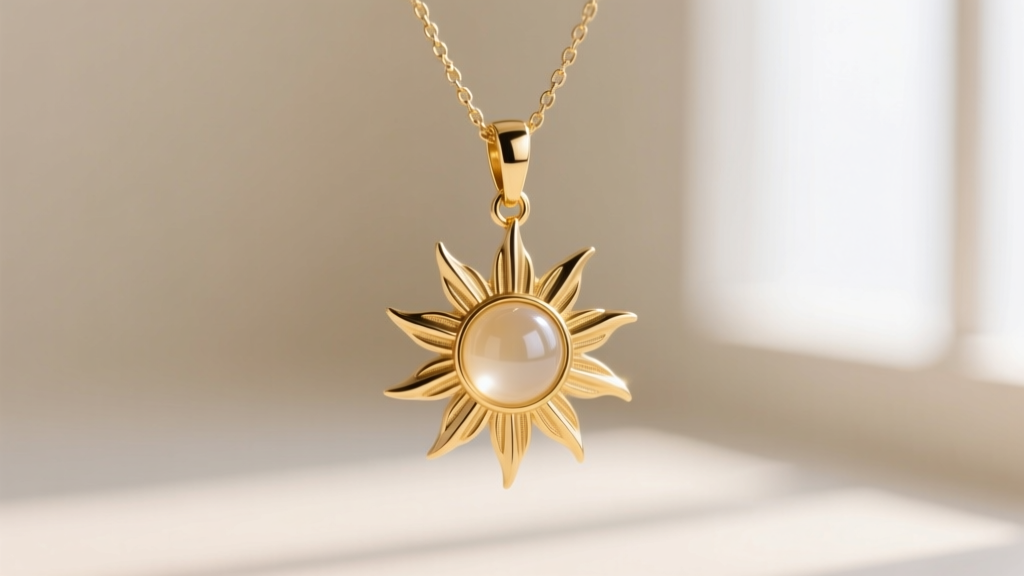
Micro-Tangling in Delicate Chains
Sunrise pendants are frequently paired with ultra-fine 0.5mm to 0.8mm cable chains to maintain a minimalist aesthetic. Unfortunately, these chains are notorious for micro-tangling. Body oils, friction from clothing, and the natural torsion of the neck cause the tiny links to twist and lock. When you attempt to pull a tangled 0.5mm chain apart, you risk stretching the links, permanently weakening the metal's structural integrity.
The Fix: Never pull a tangled chain. Instead, lay the necklace flat on a hard surface, apply a single drop of baby oil or specialized jewelry detangler to the knot, and use two fine sewing needles to gently tease the links apart from the center outward. To prevent future tangling, store the necklace with the clasp fastened through a 2-inch piece of plastic drinking straw, which keeps the chain rigid and prevents the links from folding in on themselves.
Material Degradation: Enamel and Gemstone Fading
The "sunrise" effect is often achieved through vibrant enamel work or gradient gemstones. Both materials are highly vulnerable to environmental degradation if not properly maintained. According to the GIA Gem Encyclopedia, prolonged exposure to ultraviolet (UV) light and harsh chemicals can permanently alter the optical properties of many treated gemstones and resin-based enamels.
Vitreous vs. Cold Enamel
High-end sunrise pendants use vitreous enamel (fired glass), which is highly durable but brittle. Dropping the necklace can cause microscopic fractures in the sunburst rays. Lower-priced pieces often use cold enamel (epoxy resin), which is shatter-resistant but highly porous. Cold enamel will rapidly yellow when exposed to the alcohol and essential oils found in perfumes and lotions, turning a vibrant orange sunrise into a muddy brown.
Chain and Material Compatibility Matrix
Choosing the right chain and care routine depends heavily on the specific sunrise pendant you own. Refer to the troubleshooting matrix below to optimize your setup:
| Pendant Type | Ideal Chain Gauge | Tangle Risk | Cleaning Protocol | Primary Vulnerability |
|---|---|---|---|---|
| Solid Gold Sunburst (No Stones) | 0.9mm - 1.2mm Box | Medium | Ultrasonic Safe | Bail wear from friction |
| Guilloché / Vitreous Enamel | 1.0mm Rope | Low | Mild Soap & Brush Only | Shattering from impact/ultrasonic |
| Cold Enamel (Resin) | 0.8mm Cable | High | Damp Microfiber Cloth | Yellowing from perfume/alcohol |
| Gradient Gemstone Arc | 1.5mm - 2.0mm Box | Low | Professional Steam Only | UV fading & prong snagging |
Jump Ring and Clasp Failures
A hidden point of failure on many sunrise necklaces is the unsoldered jump ring connecting the pendant bail to the main chain loop. The radiating, wide-set weight of a sunburst pendant creates lateral torque as it moves against the chest. Over time, this torque slowly pries open a standard unsoldered jump ring, leading to catastrophic loss of the pendant.
Expert Tip: Inspect the jump ring on your sunrise pendant with a jeweler's loupe. If you can see a seam where the metal meets, it is unsoldered. Take the piece to a local bench jeweler and request a laser weld to seal the seam, or ask them to replace it with a soldered oval jump ring. This minor $15-$25 repair will permanently eliminate the risk of the pendant detaching.
Additionally, many delicate sunrise necklaces ship with 5mm spring ring clasps. These clasps have a weak internal spring and a tiny thumb lever that is difficult to operate, often leading to bent levers and failed closures. Upgrading to a 6mm or 8mm lobster clasp provides a much more secure, ergonomic, and durable closure mechanism.
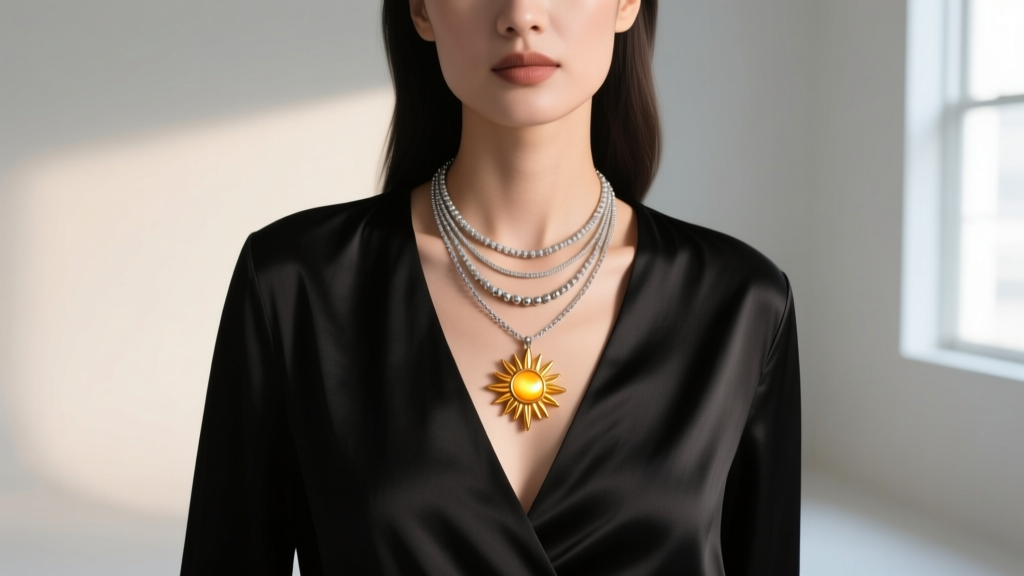
Styling Friction: Necklines and Layering Clashes
Beyond mechanical failures, sunrise necklaces often "fail" visually due to improper styling and layering. The geometry of a sunburst or sunrise arc pendant demands specific neckline pairings to maintain its visual impact.
- The Crew Neck Clash: Wearing a wide sunburst pendant over a tight crew neck t-shirt visually cuts the pendant in half, making it look like an awkward semi-circle. The heavy cotton fabric also creates friction that accelerates chain tangling.
- The V-Neck Synergy: A deep V-neck (plunging at least 4 inches below the collarbone) perfectly mirrors the upward-radiating geometry of a sunrise pendant. This allows the sunburst to act as a natural focal point without competing with fabric lines.
- Layering Protocols: When layering a sunrise necklace, it must serve as the anchor piece. Pair an 18-inch sunrise pendant with a 16-inch minimalist satellite chain and a 22-inch heavy rope chain. Ensure there is a minimum 2-inch vertical gap between the pendants to prevent them from physically colliding, scratching each other, and tangling into a single knot.
Expert Maintenance Routine
To ensure the longevity of your sunrise necklace, implement a strict maintenance routine based on guidelines from Jewelers of America. Never use ultrasonic cleaners on any sunrise pendant featuring enamel, opals, or fracture-filled gradient stones; the 40-45 kHz frequencies will shatter the enamel and boil the oils inside treated stones, causing irreversible cloudiness.
For routine cleaning of solid metal sunburst pendants, use a few drops of ammonia-free dish soap in warm water and a soft-bristled baby toothbrush to gently sweep between the intricate sunburst rays where skin cells and lotions accumulate. For cold enamel pieces, simply wipe with a dry, untreated microfiber cloth after every wear to remove acidic skin oils before they can etch into the resin. Finally, always apply your perfumes, hairsprays, and lotions at least 10 minutes before putting on your necklace to allow the alcohol carriers to fully evaporate, protecting both the metal finish and the vibrant sunrise colors.


