Short Silver Necklace Troubleshooting: Fix Tangles & Breaks
Learn how to troubleshoot common short silver necklace issues like kinks, slipping clasps, and tarnish with expert bench jeweler repair tips.

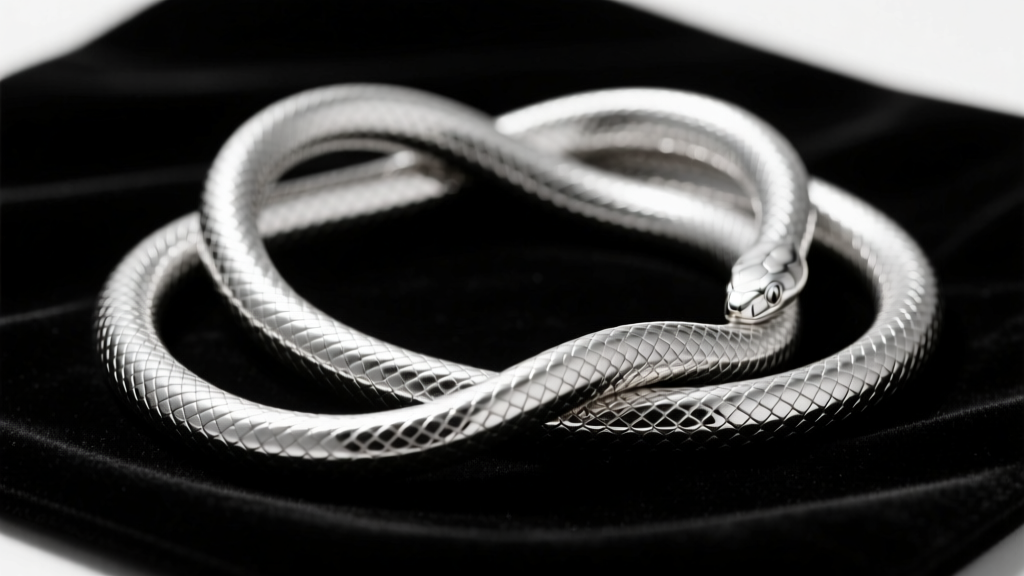
The Unique Vulnerabilities of the Short Silver Necklace
When it comes to everyday jewelry, a short silver necklace—typically ranging from 14 inches (choker) to 16 inches (princess length)—occupies a high-friction zone on the body. Sitting snugly against the base of the neck and collarbone, these pieces are subjected to constant bending, pulling, and exposure to body heat and perspiration. While sterling silver is a beautiful and versatile metal, its structural behavior at shorter lengths introduces specific failure modes that longer chains simply do not experience.
The smaller the circumference of the chain, the tighter the bending radius. A 14-inch chain wrapped around the neck forces the metal links into a continuous state of compression and tension. Over time, this mechanical stress, combined with the metallurgical properties of 925 sterling silver, leads to a predictable set of problems: severe tangling, permanent kinking, clasp slippage, and accelerated tarnishing. According to the Gemological Institute of America (GIA), sterling silver contains 7.5% copper, which makes it harder than pure silver but highly susceptible to environmental and chemical reactions, especially in high-friction areas.
This guide serves as a comprehensive troubleshooting manual for diagnosing, preventing, and repairing the most common issues associated with short silver chains.
Diagnosing and Fixing the Dreaded Chain Kink
Snake chains and herringbone chains are incredibly popular for short silver necklaces due to their fluid, fabric-like drape. However, their flush-link construction makes them notoriously prone to kinking. When a snake chain bends past its structural threshold (often caused by sleeping in the necklace or catching it on a garment), the interlocking links crush against one another, creating a permanent, weak fold.
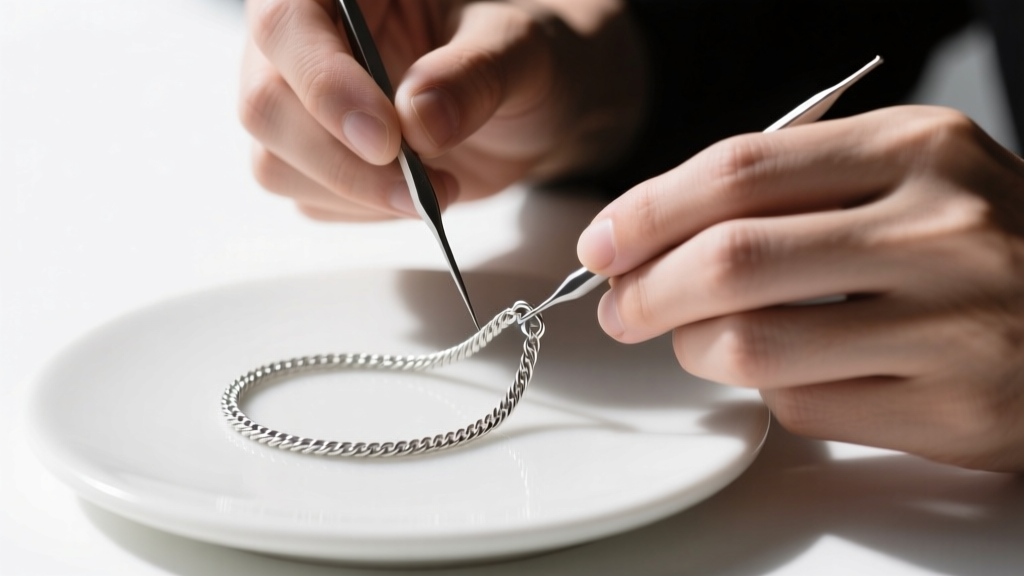
The Jewelry Roller Technique
If your short silver necklace has developed a kink, do not attempt to pull it straight with your fingers; this will stretch the links and cause a micro-fracture, leading to an eventual snap. Instead, use the professional bench jeweler method:
- Preparation: Lay the necklace completely flat on a clean, hard surface like a glass or ceramic tile.
- Lubrication: Apply a micro-drop of mineral oil or specialized chain lubricant directly to the kink to reduce friction between the crushed links.
- Rolling: Using a smooth, cylindrical steel jewelry roller (or a clean, smooth glass vial in a pinch), apply firm, even pressure and roll back and forth over the kinked area.
- Inspection: Wipe away the oil with a microfiber cloth. The links should be realigned. If a visible crease remains, the structural integrity is compromised, and the chain must be retired to pendant-duty only.
Solving the Slipping Clasp Problem
One of the most frustrating aspects of wearing a 14-inch or 15-inch silver chain is the clasp constantly migrating from the nape of the neck to the front of the throat. This is not a defect in the jewelry; it is a matter of basic physics. The center of gravity on a short, lightweight chain is easily disrupted by the movement of your head and the friction of your clothing.
Pro-Tip: If your short silver necklace features a lightweight spring-ring clasp (usually weighing under 0.5 grams), it lacks the mass to anchor the chain at the back of your neck. Upgrading to a 1.5-gram lobster clasp or adding a decorative counterweight drop to the existing clasp ring will instantly solve the migration issue.
For chains under 1.0mm in gauge, ensure the jump ring connecting the clasp is soldered shut. The constant pulling and twisting at the nape of the neck will easily pry open an unsoldered jump ring, resulting in lost jewelry.
Tarnish and Collarbone Skin Irritation
Because short silver necklaces sit directly over the pulse points and collarbone, they are exposed to higher concentrations of sweat, lotions, and perfumes. The copper alloy in 925 sterling silver reacts with chlorides and sulfides in human sweat to form silver sulfide (Ag2S), which manifests as a dark, blackish tarnish. Furthermore, this chemical reaction can transfer to the skin, leaving a green or gray smudge on your collarbone.

The Rhodium Plating Solution
If you live in a humid climate or have acidic skin chemistry, the most effective troubleshooting step is to have your short silver necklace rhodium-plated. Rhodium is a precious metal in the platinum family that provides a brilliant, white-gold-like finish and acts as an impermeable barrier against oxidation. According to industry guidelines outlined by the Halstead Bead Company, rhodium plating on high-friction items like chokers typically lasts 1 to 2 years before requiring a professional re-dip, which usually costs between $35 and $60 at a local bench jeweler.
Chain Style Vulnerability Matrix
Not all short silver chains are created equal. The structural design of the links dictates how the necklace will perform at a 14-inch to 16-inch length. Use the matrix below to troubleshoot your specific chain style.
| Chain Style | Primary Failure Mode | Repair Difficulty | Prevention Strategy |
|---|---|---|---|
| Snake / Herringbone | Severe kinking, link crushing | High (Often unrepairable) | Never sleep in it; store flat, never coiled. |
| Box Chain | Stretching, corner link snapping | Medium (Requires laser welding) | Avoid pulling; upgrade to 1.2mm gauge or thicker. |
| Cable / Rolo | Tangling, jump ring separation | Low (Easy to solder) | Store hanging; ensure all jump rings are soldered. |
| Wheat / Spiga | Friction wear at the clasp joint | Medium | Use a larger, reinforced end-cap and lobster clasp. |
When to See a Professional Bench Jeweler
While minor tangles and surface tarnish can be managed at home, structural breaks in a short silver necklace require professional intervention. If your chain snaps, the gauge of the wire will determine the repair method. Standard torch soldering involves using a butane or oxygen-acetylene flame to melt silver solder into the break. However, on short, delicate chains (0.8mm to 1.0mm), torch soldering can easily melt adjacent links or ruin the rhodium plating, leaving a visible, oxidized scar.
For high-value or delicate short chains, request laser welding. Laser welders use a concentrated pulse of light to fuse the metal at a microscopic level without transferring heat to the surrounding links. This preserves the structural integrity and the finish of the necklace. Expect to pay between $45 and $85 for a laser weld on a sterling silver chain, a worthwhile investment to save a favorite 14-inch choker from the scrap silver bin.


