How to Spot a Dodgy Necklace: Toxic Metals & Alloys
Learn how to spot a dodgy necklace made from toxic metals and cheap alloys. Discover safe material grades, allergy triggers, and testing methods.

What Actually Makes a Necklace 'Dodgy'?
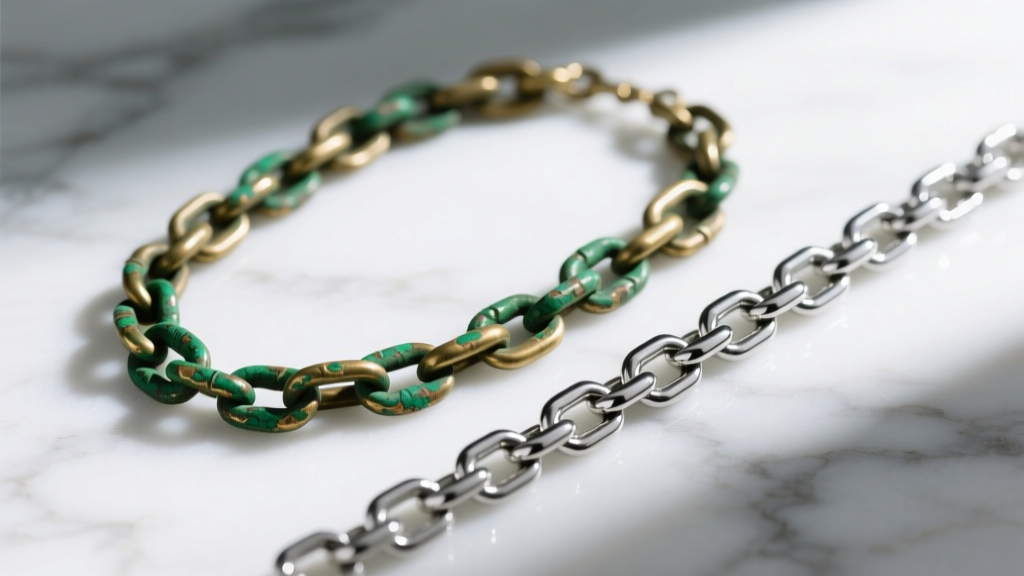
In the jewelry industry, the term 'dodgy necklace' extends far beyond poor aesthetics or clunky designs. A truly dodgy piece of neckwear is a metallurgical hazard. It encompasses structural failure points, rapid oxidation, and, most alarmingly, the leaching of heavy metals and allergenic compounds directly into your skin. When you wear a necklace, it rests against the highly sensitive skin of the decolletage and neck, an area prone to sweat accumulation and friction. This environment acts as a catalyst for chemical reactions in subpar alloys.
Identifying a hazardous necklace requires looking past the initial shine. Many fast-fashion and mass-market accessories utilize base metals coated in microscopic layers of precious metals. Once that barrier breaches, the underlying toxic or allergenic core is exposed. Understanding the exact material grades, plating thicknesses, and elemental compositions is the only way to protect your skin and your investment.
The Toxic Trinity: Nickel, Lead, and Cadmium
The most common culprits behind a dodgy necklace are three specific heavy metals. While regulations exist, enforcement in global supply chains remains inconsistent, allowing hazardous pieces to flood the market.
Nickel Release Rates and Contact Dermatitis
Nickel is a cheap hardening agent added to white gold, brass, and stainless steel. However, it is the leading cause of allergic contact dermatitis. According to the EU REACH Regulations, nickel release from articles intended for direct and prolonged skin contact must not exceed 0.5 µg/cm²/week. Many unregulated necklaces exceed this by a factor of ten. When sweat (which contains lactic acid and chlorides) interacts with a nickel-heavy alloy, it creates nickel salts that penetrate the epidermis, triggering severe immune responses.
Lead and Cadmium Thresholds
Lead is often added to cheap zinc alloys like Zamak to improve machinability and give the metal a heavier, 'premium' feel. Cadmium is sometimes used in low-grade soldering for chain links. The CPSC Lead Guidelines strictly limit lead in children's jewelry to 100 ppm, but adult jewelry often exploits regulatory gray areas. Chronic exposure to lead-laced pendants or chains can result in neurological and systemic health issues, particularly if the jewelry is handled frequently or mouthed.
Material Matrix: Safe Metals vs. Cheap Alloys
To avoid a dodgy necklace, you must understand the metallurgical reality of common jewelry materials. The table below breaks down the exact properties, failure modes, and safety profiles of standard necklace alloys.
| Material / Grade | Elemental Composition | Nickel Content | Corrosion & Failure Mode | Safety Verdict |
|---|---|---|---|---|
| Zamak (Zinc Alloy) | Zinc, Aluminum, Copper, Magnesium | Trace to 0% | Prone to 'pestering' (crumbling) and extreme brittleness over time. | Dodgy: High structural failure rate. |
| 316L Surgical Steel | Iron, Chromium, 10-14% Nickel | 10% - 14% | Highly corrosion-resistant, but nickel leaches in acidic sweat. | Dodgy for allergy sufferers despite the 'surgical' label. |
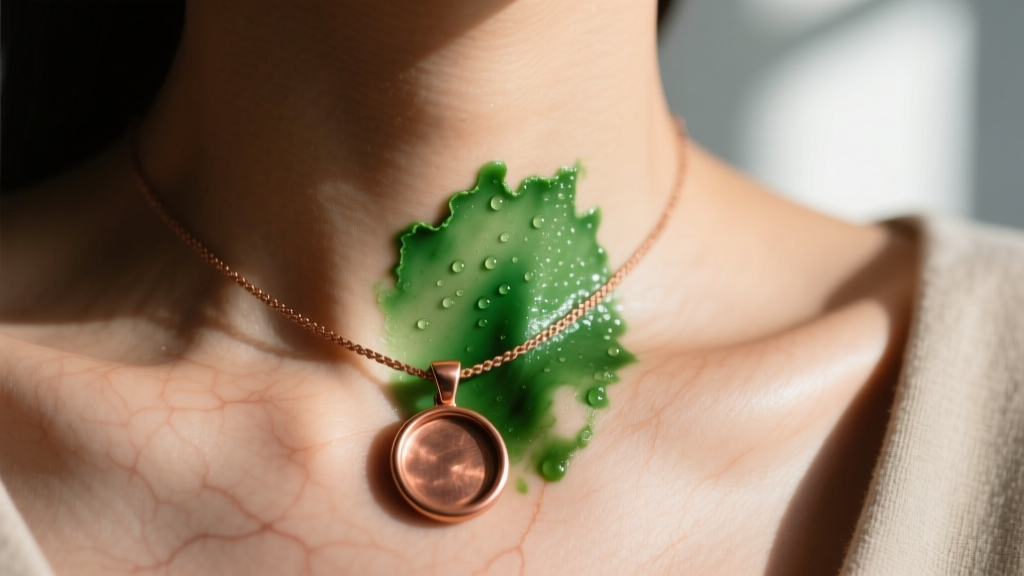
| Standard Brass | Copper (60-70%), Zinc (30-40%) | 0% | Dezincification; reacts with skin acids to leave green stains. | Dodgy: Causes staining and often contains lead impurities. |
| ASTM F136 Titanium | Titanium, 6% Aluminum, 4% Vanadium | 0% | Virtually indestructible; immune to sweat and saltwater corrosion. | Exceptional: The gold standard for biocompatibility. |
| Niobium | Elemental Niobium | 0% | Highly inert; can be anodized without dyes or plating. | Excellent: Hypoallergenic and lightweight. |
The Deception of Flash Plating
A major hallmark of a dodgy necklace is deceptive plating. Many consumers assume that 'gold-plated' or 'rhodium-dipped' guarantees safety. It does not. The thickness of the plating, measured in microns, dictates both the longevity and the safety of the piece.
- Flash Plating (0.03 to 0.1 microns): This is essentially a microscopic wash of color. It provides zero barrier protection against the base metal. Within days of friction against the collarbone, the base alloy (often brass or nickel-silver) is exposed, leading to immediate skin reactions.
- Gold Vermeil (Minimum 2.5 microns): True vermeil requires a sterling silver base plated with at least 2.5 microns of gold. This is significantly safer and more durable, though the silver base can still tarnish if the gold layer eventually wears thin.
- PVD (Physical Vapor Deposition): A modern, highly durable coating process that bonds titanium nitride to a stainless steel or titanium base. PVD is vastly superior to electroplating for preventing skin contact with underlying alloys.
According to dermatological experts at the Mayo Clinic, repeated exposure to allergenic metals through worn plating is a primary driver of acquired contact allergies. Once you develop a nickel allergy, it is lifelong.
How to Test for a Dodgy Necklace at Home
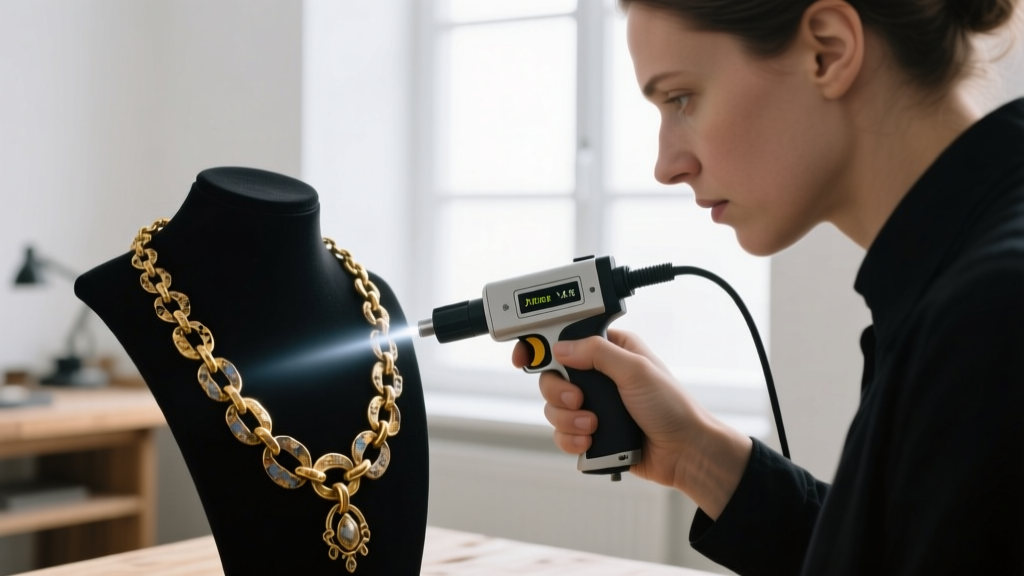
If you suspect a necklace in your collection is harboring toxic or allergenic metals, you can perform a few non-destructive and destructive tests to verify its composition.
The Rare Earth Magnet Test
Precious metals like gold, silver, platinum, and titanium are entirely non-magnetic. If your 'solid gold' or 'sterling silver' chain exhibits even a slight magnetic pull when tested with a strong neodymium magnet, it contains a ferromagnetic core—usually steel or iron. This immediately classifies the piece as heavily plated and potentially dodgy if the plating breaches.
The Acid Scratch Test
For verifying silver content, a standard jeweler's acid test kit is invaluable. By scratching the necklace clasp or a discreet link on a testing stone and applying nitric acid, you can observe the reaction. A creamy white reaction indicates 92.5% sterling silver. A green reaction means the piece is heavily plated copper or brass—a classic dodgy necklace disguise.
Checking for Hallmarks and Stamps
While stamps can be faked, their absence on a supposedly premium piece is a massive red flag. Look for '925' (Sterling), 'ASTM F136' (Implant-grade Titanium), or 'Pt950' (Platinum). Be highly suspicious of vague stamps like 'Alpaca', 'Nickel Silver', or 'German Silver'. Despite the name, these contain absolutely zero silver and are typically composed of copper, nickel, and zinc—making them highly allergenic and definitively dodgy for sensitive skin.
Final Verdict: Invest in Elemental Purity
Avoiding a dodgy necklace comes down to prioritizing elemental purity and verifiable material grades over deceptive marketing terms. When shopping, demand transparency regarding the base metal and the exact micron thickness of any plating. For everyday wear against the sensitive skin of the neck, solid ASTM F136 titanium, pure niobium, or solid 14k/18k gold remain the only foolproof choices. By understanding the metallurgical realities of cheap alloys and toxic heavy metals, you can curate a collection that is as biologically safe as it is visually stunning.