How to Choose a Chunky Silver Heart Necklace: Buyer's Guide
Discover what to look for when buying a chunky silver heart necklace. Learn about silver grades, chain weights, clasps, and pricing in our expert guide.

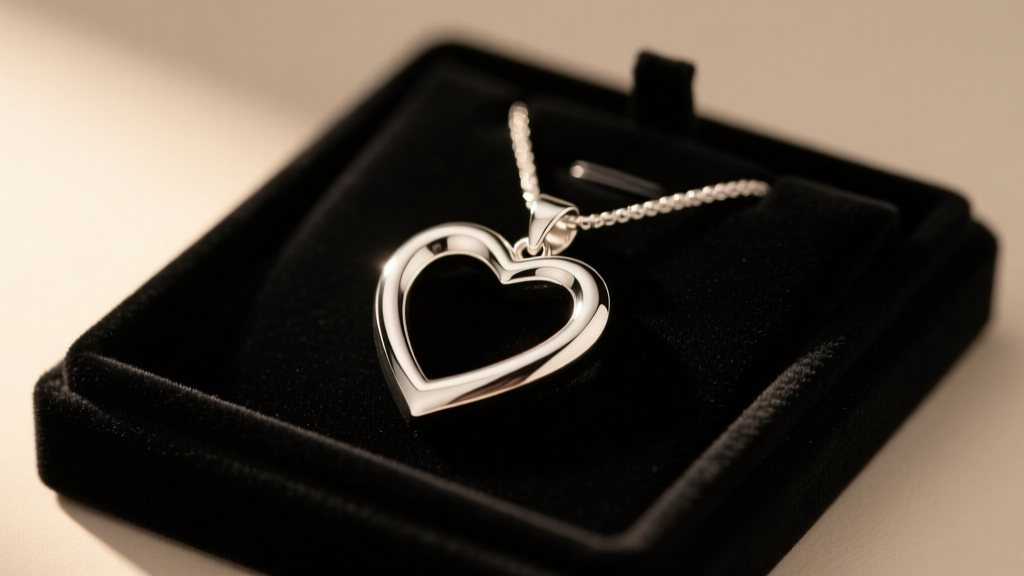
The Resurgence of Maximalist Silver
The jewelry landscape in 2026 has decisively shifted away from the ultra-delicate, barely-there layering trends of the previous decade. Today, collectors and style enthusiasts are gravitating toward bold, architectural statement pieces, with the chunky silver heart necklace emerging as a definitive staple. Bridging Y2K nostalgia with modern, sculptural design, a substantial silver heart pendant offers unmatched versatility. However, buying heavy silver jewelry requires a keen understanding of metallurgy, structural integrity, and chain mechanics. A poorly constructed chunky pendant will warp, snap its chain, or suffer from clasp failure within months. This comprehensive buyer’s guide details exactly what to look for to ensure your investment stands the test of time.
Silver Purity and Metallurgical Realities
When evaluating a chunky silver heart necklace, the purity of the metal dictates its durability. According to the Gemological Institute of America (GIA), pure silver is exceptionally soft and highly prone to scratching and deformation. Therefore, understanding the alloy composition is critical.
.925 Sterling Silver vs. .999 Fine Silver
For a heavy, chunky pendant, .925 Sterling Silver is the absolute standard. Comprising 92.5% pure silver and 7.5% copper (or sometimes zinc), this alloy provides the necessary tensile strength to support heavy casting without bending. Conversely, .999 Fine Silver is generally unsuitable for large, chunky pendants. While fine silver is hypoallergenic and highly resistant to tarnish, a 30-gram fine silver heart will easily dent if dropped on a hard surface and will warp under the friction of daily wear.
Expert Note: Beware of "Tibetan Silver" or "Alpaca Silver" marketed as chunky vintage hearts. These are typically copper-nickel-zinc alloys containing little to no actual silver and can cause severe contact dermatitis.
Puffy vs. Flat: The 3D Volume Dilemma
Chunky heart necklaces generally fall into two distinct silhouettes: the flat, architectural heart and the 3D "puffy" heart. The manufacturing method used for each drastically impacts longevity.
- Solid Cast (Lost-Wax Method): The gold standard for chunky hearts. The pendant is cast as a single, solid piece of .925 silver. It is heavy, incredibly durable, and can be polished indefinitely without risking structural compromise.
- Stamped and Soldered: Two sheets of silver are domed and soldered together to create a hollow 3D effect. While lighter, poor soldering can trap moisture, leading to internal corrosion and eventual seam splitting.
- Electroformed: A process that builds a very thin shell of silver over a wax core, which is later melted out. Avoid electroformed chunky hearts. Despite their large volume, the silver shell is often less than 0.5mm thick and will crush irreparably if subjected to pressure.
Evaluating the "Chunky" Factor: Weight and Dimensions
The term "chunky" is subjective in fashion, but in metallurgy and jewelry manufacturing, it translates directly to gram weight. A true chunky silver heart pendant should possess enough mass to lay flat against the sternum without flipping over. Below is a structural matrix detailing what to expect across different weight classes.
| Weight Class | Pendant Weight | Typical Dimensions | Durability & Wear Profile |
|---|---|---|---|
| Substantial | 12g – 18g | 25mm x 25mm | Everyday wear; requires a 2.5mm - 3mm chain. |
| True Chunky | 20g – 35g | 30mm x 30mm | Statement piece; highly durable; requires a 4mm+ chain. |
| Maximalist / Archive | 40g – 65g+ | 45mm x 45mm+ | Heavy statement; prone to neck fatigue; requires 5mm+ heavy chain. |
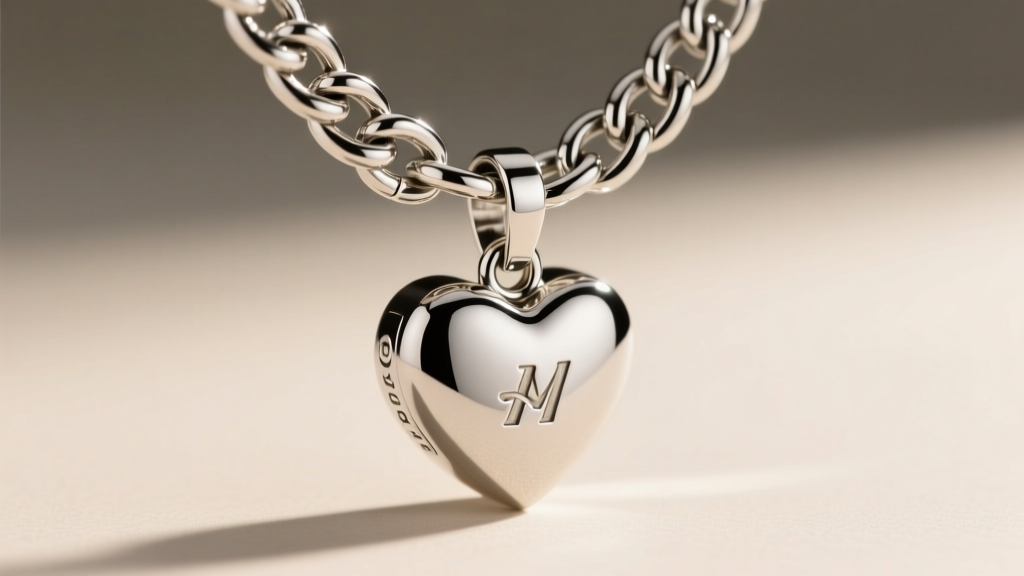
Chain Styles That Support Heavy Pendants
The most common point of failure in a chunky silver heart necklace is not the pendant itself, but the chain. A 30-gram silver heart exerts continuous kinetic stress on the chain links, particularly at the nape of the neck and the bail connection.
Recommended Chain Weaves
For pendants exceeding 20 grams, you must select interlocking, soldered, or structurally dense weaves. Cuban Link, Figaro, and Rope chains distribute weight evenly across multiple planes of metal. A 4mm to 6mm solid sterling silver Cuban link provides the necessary rigidity to prevent stretching.
Chains to Avoid
Never pair a chunky heart with a Box Chain or a Snake Chain. Box chains are notorious for kinking under heavy, swinging loads, which permanently damages the structural hinges. Snake chains, while visually sleek, are essentially rigid tubes that will snap or permanently bend if caught or subjected to the pendulum motion of a heavy heart pendant.
Clasp Mechanisms and Jump Ring Integrity
The clasp and the jump rings are the weakest links in any heavy necklace assembly. Standard spring-ring clasps are entirely inadequate for chunky pendants; the internal spring mechanism will fatigue and fail under a 30g+ load. Always look for a solid cast Lobster Clasp measuring at least 12mm to 15mm in length. Furthermore, the jump ring connecting the heart’s bail to the chain must be soldered shut. An unsoldered jump ring will inevitably pull apart, resulting in the loss of the pendant.
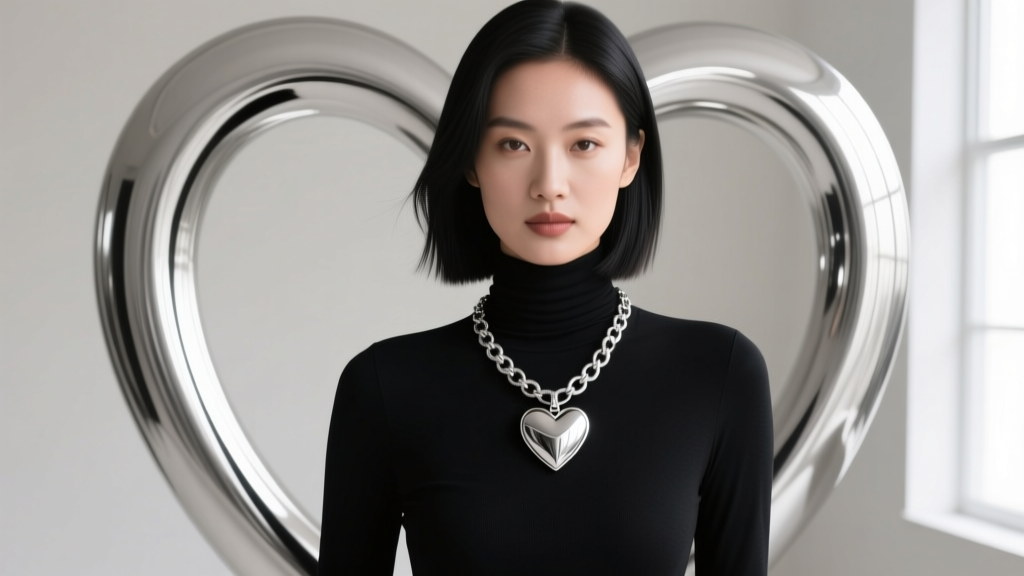
Pricing Tiers: What Should You Actually Pay?
Pricing a chunky silver heart necklace requires separating the intrinsic melt value of the silver from the craftsmanship and brand premium. With silver spot prices fluctuating, understanding the baseline material cost protects you from severe markups.
A standard "True Chunky" pendant weighing 30 grams contains approximately 0.96 Troy Ounces of pure silver. If the spot price of silver is $30 per ounce, the raw melt value of the pendant is roughly $28.80. However, retail pricing must account for lost-wax casting, hand-polishing, chain manufacturing, and overhead.
- Mass Market / Fast Fashion ($40 - $90): Often hollow, electroformed, or silver-plated over brass. High risk of tarnishing and structural failure.
- Independent Jewelers / Artisans ($150 - $350): The sweet spot for solid .925 cast pieces. You are paying for ethical sourcing, solid construction, and soldered jump rings.
- Designer / Archive Brands ($450 - $1,200+): Brands like Vivienne Westwood or specialized archive streetwear jewelers command massive premiums for brand heritage, proprietary hardware, and specific design codes.
Hallmarks and Authenticity Verification
Authenticating a chunky silver heart necklace goes beyond a simple magnet test (which only identifies ferrous metals, not silver-plated copper). According to the Assay Office London, a legal hallmark in many jurisdictions requires a Maker's Mark, a Purity Mark (e.g., 925), and sometimes an Assay Office mark. Inspect the bail or the underside of the heart pendant using a jeweler's loupe. A stamped "925" is a good start, but a registered Maker's Mark indicates a higher level of manufacturing accountability and quality control.
Expert Troubleshooting Tip: If your chunky silver heart develops a dark, sulfurous tarnish, avoid harsh chemical dips. These strips remove the rhodium plating and can oxidize the copper alloy, leaving the piece with a dull, greyish-pink hue. Instead, use a specialized micro-abrasive polishing cloth to gently restore the high-polish finish while preserving the intentional antiquing in the crevices.
Final Verdict: Investing in Statement Silver
A well-crafted chunky silver heart necklace is an enduring anchor for any jewelry collection. By prioritizing solid .925 lost-wax castings, verifying soldered jump rings, and pairing the pendant with a structurally sound 4mm+ Cuban or Rope chain, you ensure the piece remains a wearable heirloom rather than a disposable trend. Focus on gram weight, clasp mechanics, and verified hallmarks to make a confident, informed purchase.


