Silver Shark Tooth Necklace Buying Guide: What to Look For
Discover what to look for when buying a silver shark tooth necklace. Learn about 925 hallmarks, casting methods, chain pairings, and pricing.

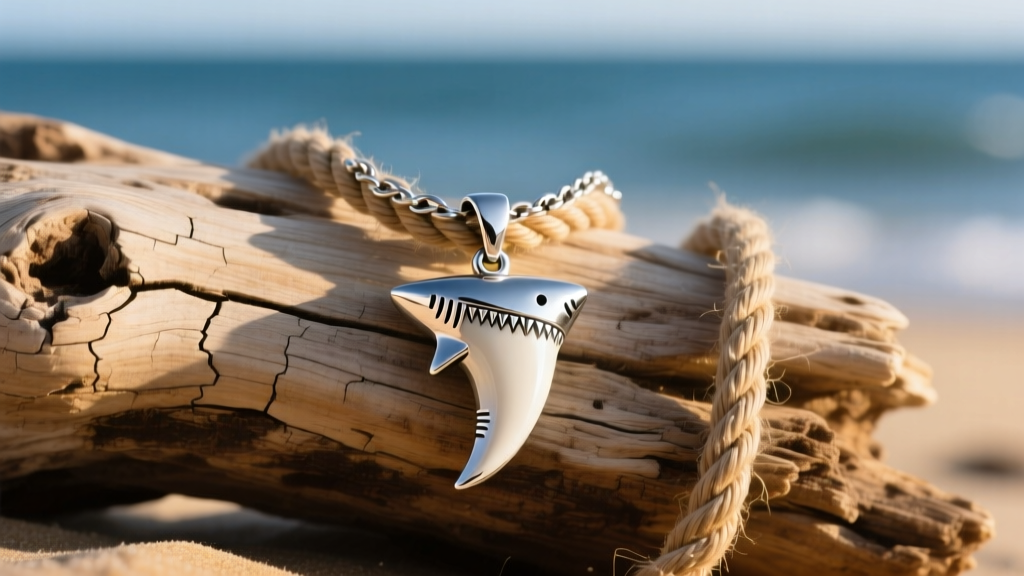
The Evolution of the Silver Shark Tooth Necklace
The silver shark tooth necklace has transcended its surf-culture origins to become a staple in contemporary coastal and edgy minimalist jewelry. However, as its popularity has surged, so has the market saturation of low-quality, mass-produced imitations. Whether you are drawn to the sleek, needle-like profile of a mako shark tooth or the broad, serrated edge of a great white, understanding the metallurgy, casting techniques, and structural integrity of these pendants is critical. This comprehensive buying guide will equip you with the domain expertise needed to distinguish a masterfully crafted heirloom piece from a fragile, silver-plated novelty.
The Anatomy of a Quality Shark Tooth Pendant
Before evaluating the silver, you must evaluate the tooth's morphology. According to the Florida Museum of Natural History, shark teeth vary drastically by species, which directly impacts how they translate into jewelry.
- Great White (Carcharodon carcharias): Broad, triangular, and heavily serrated. These make for bold, statement-making pendants but require a wider bail and heavier chain due to their surface area and weight.
- Shortfin Mako (Isurus oxyrinchus): Slender, smooth, and needle-like. Mako teeth offer a sleek, aerodynamic aesthetic that pairs beautifully with delicate to medium-weight chains.
- Megalodon (Otodus megalodon): Massive and heavy. Genuine fossilized megalodon teeth are rarely cast in solid silver due to their size; instead, they are typically wire-wrapped or fitted with custom silver caps.
A high-quality pendant should accurately reflect the anatomical nuances of the species it represents, including the distinct boundary between the enameloid crown and the root structure.
Solid Lost-Wax Cast vs. Silver-Capped Fossils
One of the most crucial decisions you will make is choosing between a solid silver cast and a silver-capped organic fossil. Both have distinct advantages, but their longevity and care requirements differ vastly.
| Feature | Solid 925 Lost-Wax Cast | Silver-Capped Real Fossil | Silver-Plated Resin |
|---|---|---|---|
| Durability | Exceptional; shatterproof and waterproof. | Moderate; fossilized roots can be brittle and crumble if dropped. | Poor; plating wears off, resin chips easily. |
| Aesthetic | Uniform, highly polished or oxidized for detail. | Organic, unique textures with natural color variations in the tooth. | Overly shiny, lacks depth and realistic serrations. |
| Price Range | $65 - $180 | $90 - $300+ | $15 - $40 |
| Maintenance | Standard silver polishing; safe for ocean wear. | Requires careful drying; avoid prolonged saltwater submersion. | Cannot be polished without removing the plating. |
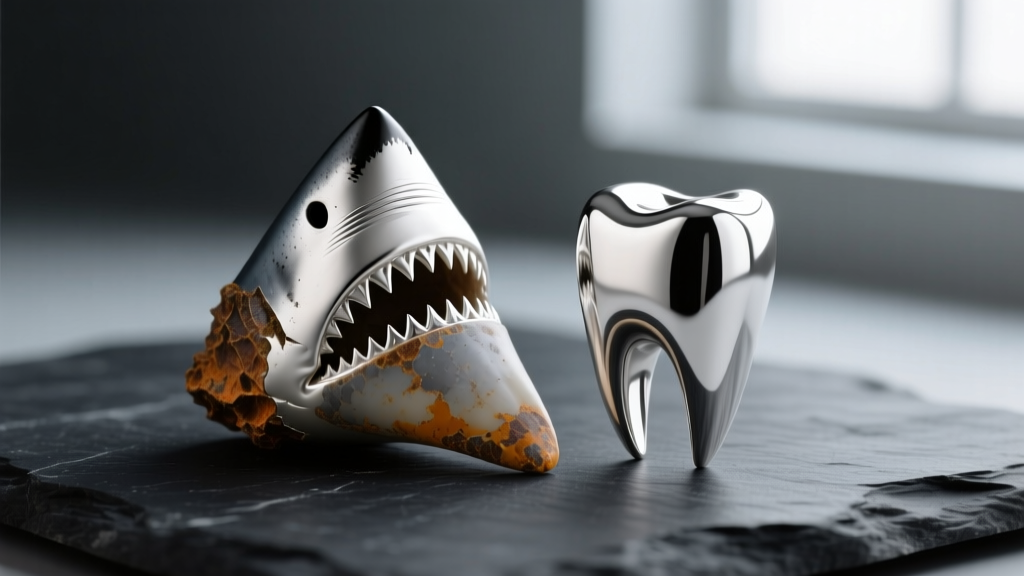
The lost-wax casting method is the gold standard for solid silver shark tooth pendants. A jeweler creates a silicone mold of a genuine tooth, injects wax, encases it in a plaster-like investment, and burns out the wax in a kiln. Molten 925 sterling silver is then poured into the void. This process captures microscopic serrations and root pores while yielding a piece of jewelry that is entirely metal, immune to the organic decay or cracking that can plague real fossilized roots.
Decoding Silver Hallmarks and Material Grades
When shopping for a silver shark tooth necklace, verifying the metal purity is non-negotiable. The Gemological Institute of America (GIA) notes that silver alloys are frequently misrepresented in the fashion jewelry market. Here is what you need to look for:
1. 925 Sterling Silver
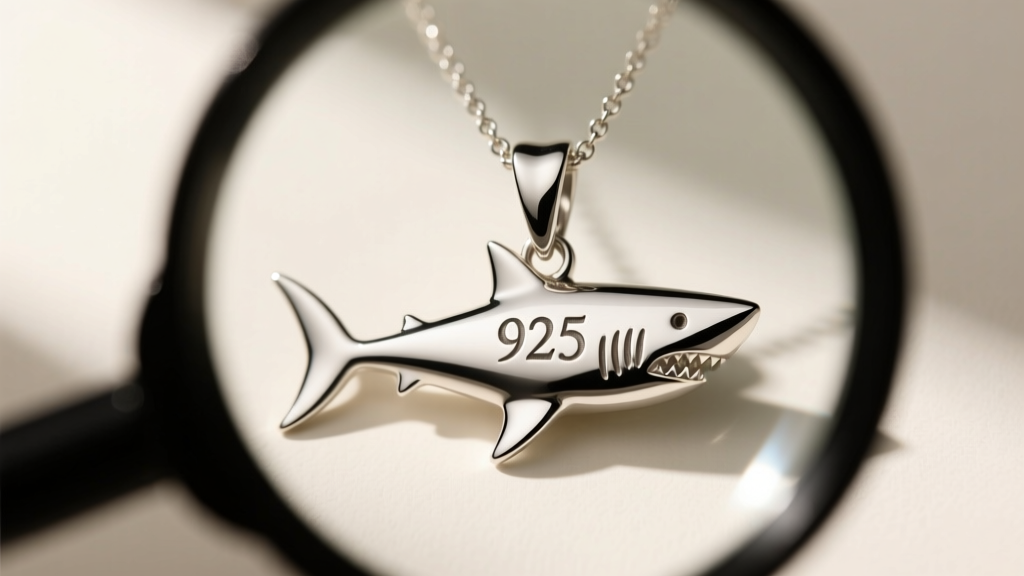
Composed of 92.5% pure silver and 7.5% copper (or other alloys), 925 sterling is the benchmark for fine jewelry. It offers the ideal balance of malleability for capturing fine tooth serrations and the tensile strength needed to hold a bail. Always look for a stamped "925" or "STER" hallmark on the bail or the back of the tooth's root.
2. Argentium Silver
A premium upgrade to traditional sterling, Argentium silver replaces some of the copper with germanium. This makes it highly resistant to tarnish—a massive advantage for coastal dwellers or surfers whose jewelry is constantly exposed to saltwater, sweat, and sulfur. If you plan to wear your necklace in the ocean daily, seek out an Argentium silver piece.
3. The "Tibetan Silver" Trap
Avoid any pendant marketed as "Tibetan Silver," "Nickel Silver," or "Alpaca Silver." These are copper-nickel-zinc alloys that contain absolutely zero elemental silver. Not only do they lack the luster and value of genuine silver, but the high nickel content is a primary culprit for severe contact dermatitis and green skin discoloration.
Chain Pairings and Hardware Guidelines
A common failure point in shark tooth necklaces is the chain snapping under the pendant's dynamic weight. A solid silver Great White tooth can easily weigh between 15 and 25 grams. A standard 1mm cable chain will inevitably fail under this load, especially when subjected to the tension of taking off a shirt or catching the pendant on an object.
- Optimal Chain Thickness: For pendants weighing 10g to 25g, select a chain between 2.5mm and 3.5mm in width.
- Chain Styles: Rope chains and box chains offer superior tensile strength and resist kinking better than delicate cable or Figaro chains.
- Clasp Hardware: Insist on a lobster clasp. Spring ring clasps are notoriously weak and prone to accidental unfastening under the pendulum swing of a heavy tooth.
- The Bail Connection: Look for a soldered, integrated silver cap or a hidden tube bail. Avoid pendants where the silver is merely glued to the tooth or where a thin wire wrap is the sole structural support for a heavy metal cast.
Pricing Tiers: What to Expect in 2026
Understanding the fair market value of a silver shark tooth necklace protects you from both overpaying for plated junk and underpricing genuine artisan craftsmanship.
- Tier 1: Mass-Produced & Plated ($15 - $45)
Usually made of resin or base metal with a microscopic flash of silver plating. The serrations are often blurred, and the chains are hollow and prone to snapping. Avoid these for long-term wear. - Tier 2: Commercial 925 Sterling Casts ($60 - $130)
Produced via lost-wax casting in larger batches. These offer excellent durability, clear 925 hallmarks, and decent chain pairings. This is the sweet spot for most buyers seeking a reliable, everyday piece. - Tier 3: Artisan & Custom Fossil Wraps ($150 - $400+)
Hand-fabricated pieces featuring genuine, high-grade fossilized teeth (like megalodon or rare mako specimens) wrapped in heavy-gauge Argentium or sterling silver wire, paired with premium, solid-link chains.
Care and Maintenance for Coastal Wear
Even the highest quality 925 sterling silver will oxidize when exposed to the sulfur and salt inherent in ocean environments. To maintain the striking contrast between the polished edges and the oxidized root crevices of your shark tooth pendant, adopt a proactive maintenance routine.
After swimming in the ocean or sweating heavily, rinse the necklace briefly under fresh, lukewarm water and pat it completely dry with a microfiber cloth. Never use harsh chemical silver dips on a shark tooth pendant; these solutions will strip the intentional antiquing (oxidation) from the deep serrations and root pores, leaving the piece looking flat and artificially white. Instead, use a treated jeweler's polishing cloth to gently buff the high points of the tooth's crown, preserving the dark, detailed recesses that give the pendant its three-dimensional realism.
Final Verdict
A well-chosen silver shark tooth necklace is more than a nod to marine life; it is a testament to expert metallurgy and anatomical artistry. By prioritizing solid 925 or Argentium silver, demanding lost-wax casting precision, and pairing the pendant with a structurally sound rope or box chain, you secure a piece of jewelry that will withstand both the rigors of the ocean and the test of time.


