How Do You Spell Necklace? A Foolproof Gift Guide
Master custom jewelry gifting with our 2026 guide. From metal grades to chain styles, learn what to buy after asking how do you spell necklace online.

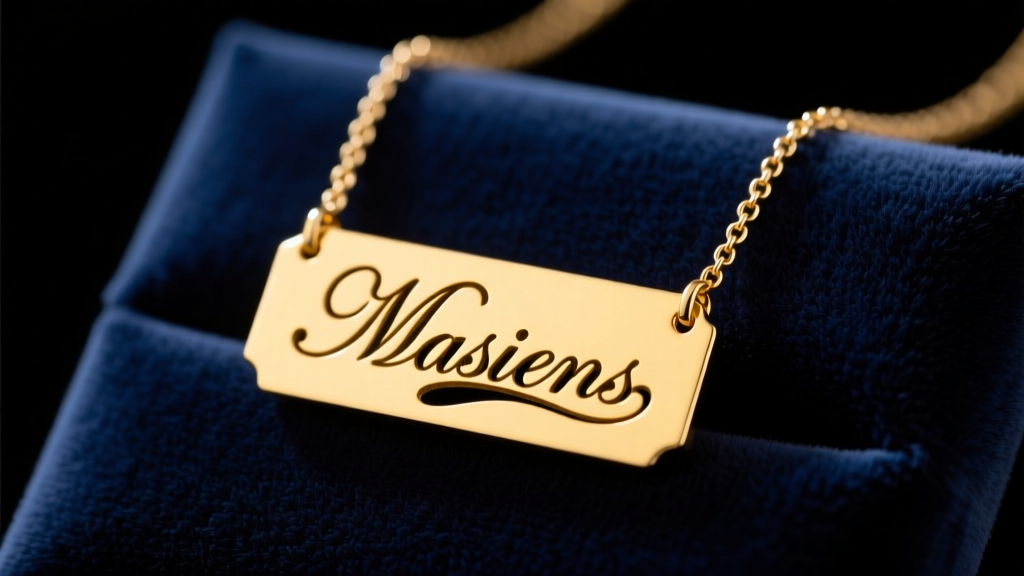
It sounds like a simple, almost humorous search engine query—how do you spell necklace—but for thousands of shoppers each year, this typo-laden search is the very first step into the high-stakes world of custom and engraved jewelry. Whether you are typing frantically on your phone while standing in a jewelry store or trying to remember the exact terminology for a personalized gift, getting the details right is crucial. In 2026, personalized jewelry remains one of the most requested gift categories, but the margin for error is razor-thin. A misspelled name, a misunderstood metal grade, or a fragile chain can turn a deeply sentimental gift into a disappointing return.
This comprehensive guide moves beyond basic spelling and dives deep into the anatomy of custom necklaces. We will cover the exact metal purities you should demand, the chain styles that actually support pendants without snapping, and the engraving techniques that ensure your message lasts a lifetime.
Beyond the Search Bar: Why Terminology Matters in Custom Gifting
When you are commissioning a custom piece, knowing the correct terminology protects you from misleading marketing. For instance, understanding the difference between a nameplate necklace (where the letters form the structural base of the pendant and are usually die-struck or laser-cut from a single sheet of metal) and a bar pendant (a solid geometric shape that is subsequently engraved) is vital for setting expectations.
According to the Jewelers of America, consumer complaints regarding custom jewelry frequently stem from a mismatch in expectations regarding font scaling, kerning (the spacing between letters), and metal weight. If you are gifting a piece with multiple names or a long phrase, a flat bar pendant or a curved contour pendant will accommodate the text far better than a traditional script nameplate, which can become illegible if the letter count exceeds ten characters.
Occasion Matching: The 2026 Custom Pendant Matrix
Matching the pendant style to the occasion ensures the gift feels appropriate and wearable. Here is a strategic breakdown of which custom necklace styles align with major gifting milestones.
| Occasion | Ideal Pendant Style | Recommended Chain | Average 2026 Price Range |
|---|---|---|---|
| Anniversary (1-5 Years) | Minimalist Horizontal Bar (Coordinates or Dates) | 18' Cable or Box Chain | $120 - $350 |
| Mother's Day / Push Present | Interlocking Rings or Multi-Name Disc | 20' Rope or Wheat Chain | $400 - $850 |
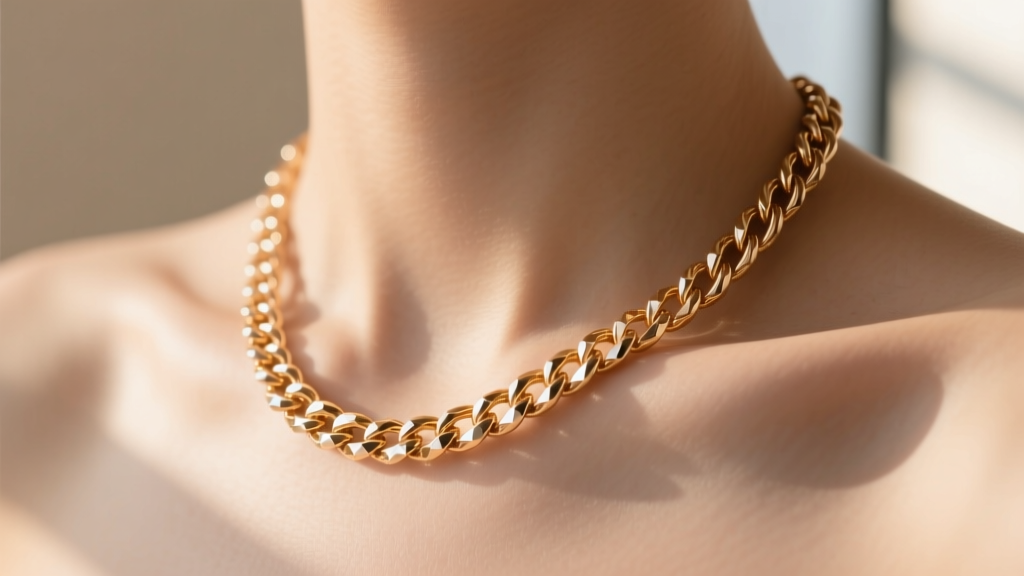
| High School / College Graduation | Classic Cursive Nameplate or Initial Medallion | 16' or 18' Curb Chain | $250 - $600 |
| Memorial / Sympathy | Fingerprint Engraved Teardrop or Oval Locket | 24' Matte Box Chain | $150 - $400 |
Metal Purity & Durability: What to Buy for Daily Wear
The longevity of an engraved or custom-cut necklace relies entirely on the alloy composition. When shopping, ignore vague terms like 'premium gold' and look for exact hallmark stamps. The Gemological Institute of America (GIA) outlines strict purity standards that directly impact how well a piece will hold up to the friction of daily wear.
14k Gold (58.5% Purity)
For custom nameplates and heavily worn pendants, 14k gold is the undisputed champion. The higher percentage of alloy metals (like zinc, copper, or silver) gives 14k gold superior tensile strength. This means the delicate loops connecting the letters on a nameplate are far less likely to bend or snap compared to higher purities. In 2026, expect to pay between $65 and $95 per gram for finished 14k custom gold jewelry.
18k Gold (75% Purity)
While 18k gold offers a richer, deeper yellow hue and is hypoallergenic, it is significantly softer. It is best reserved for solid, chunky pendants or bezel-set initial pieces rather than intricate, laser-cut script where thin gold wires are required to connect the loops of letters like 'e' or 'o'.
925 Sterling Silver
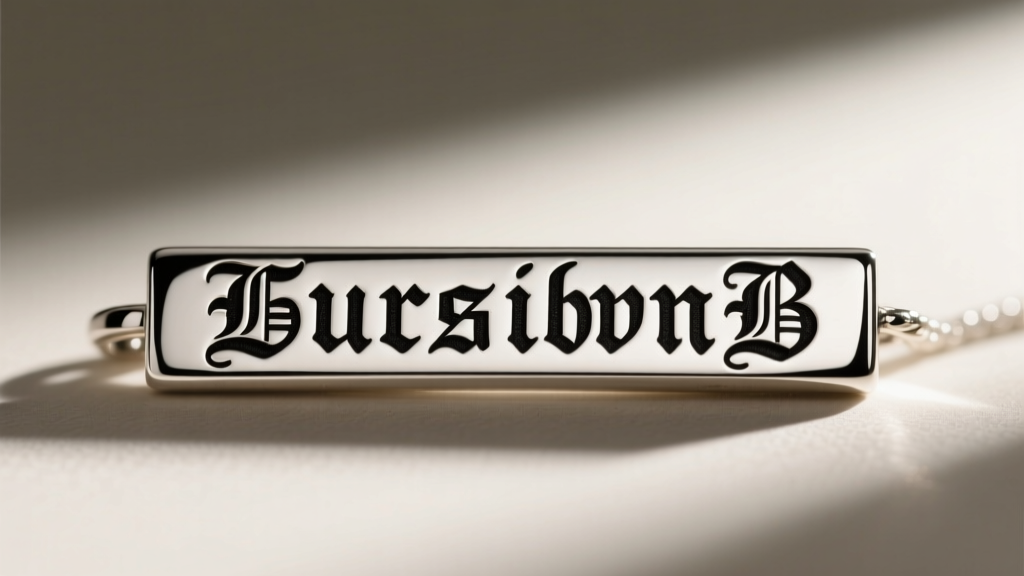
Sterling silver is an excellent entry-level option for custom gifting, but it requires maintenance. Silver oxidizes when exposed to sulfur and moisture. If you are gifting a silver bar pendant with deep engraving, the jeweler will often apply an intentional oxidation (blackening) to the lettering to make the text pop. Ensure the piece is stamped '925' and consider a rhodium plating if the recipient prefers a bright, white-metal finish that resists tarnishing.
Chain Styles That Won't Ruin the Pendant
A heavy custom pendant on a weak chain is a recipe for a lost gift. The clasp and the link structure must be able to support the weight of the customized piece without stretching or catching on clothing.
- Box Chains: Composed of square, interlocking links, box chains are incredibly strong and lie flat against the skin. They are the safest choice for heavy initial pendants and lockets because they rarely snag on hair or knitwear.
- Wheat (Spiga) Chains: Featuring woven, oval links that point in the same direction, wheat chains offer excellent durability and a beautiful, textured look. They are ideal for supporting multi-name disc pendants.
- Rope Chains: While visually stunning and highly reflective, twisted rope chains can be problematic for custom pendants. The spiral grooves can catch on the bail (the loop) of the pendant, causing premature wear on the metal loop over time.
- Cable Chains: The classic oval-link chain. While elegant, thin cable chains (under 1.5mm) are prone to stretching if the pendant is too heavy. Always pair a delicate cable chain with a lightweight, single-initial pendant.
The Engraver’s Rulebook: Fonts, Limits, and Placement
If your gift involves adding a hidden message, a significant date, or a fingerprint to the back of a pendant, you must understand the physical limitations of the metal.
Laser vs. Rotary Engraving
Laser engraving uses a concentrated beam to vaporize the metal's surface. It is perfect for intricate details like handwriting replication, fingerprints, or complex geometric patterns. It does not remove enough metal to weaken the structural integrity of thin pendants.
Rotary (diamond drag) engraving uses a physical diamond-tipped bit to carve into the metal. This creates a deeper, more traditional groove that catches the light beautifully. However, it requires a thicker gauge of metal. If you are engraving a delicate 925 silver disc, rotary engraving might warp the metal if the pendant is less than 1.2mm thick.
Character Limits and Kerning
When personalizing a piece, less is almost always more. A standard 15mm diameter disc pendant can comfortably fit up to 10 characters in a standard block font, or 8 characters in a flowing script. If you attempt to force a 20-character phrase onto a small surface area, the jeweler will have to drastically reduce the font size, resulting in a message that is illegible to the naked eye. Always prioritize the visual impact of the design over the sheer volume of text.
Sizing and Length: The Final Gifting Hurdle
Even the most beautifully spelled, perfectly crafted custom necklace will fail as a gift if it sits at the wrong length on the recipient's chest. The industry standard for women's necklaces is 18 inches (the 'Princess' length), which rests just below the collarbone and works with almost any neckline. However, for custom nameplates, a 16-inch 'Choker' length is often preferred to keep the text centered and visible above the crewline of a t-shirt or sweater. For men's custom pendants or dog-tag style engravings, a 22-inch or 24-inch chain is the standard to ensure the piece rests comfortably on the sternum.
Ultimately, whether you initially found this guide by wondering how to spell the word itself or by searching for the perfect personalized gift, the secret to a successful custom necklace lies in the details. By prioritizing structural integrity, choosing the right alloy for the recipient's lifestyle, and respecting the physical limits of engraving, you will deliver a piece of jewelry that is not only spelled correctly but crafted to be cherished for decades.


