Fixing Tangles & Breaks in Modern Gold Necklace Designs
Learn how to troubleshoot, untangle, and repair modern gold necklace designs. Expert fixes for broken links, clasps, and surface wear.

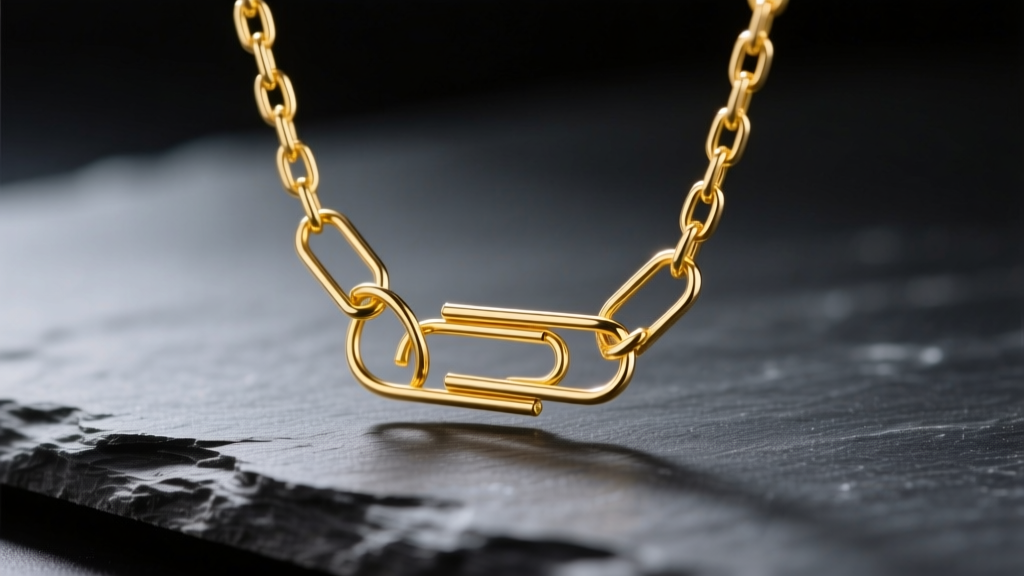
The Anatomy of Chain Failure: Why Modern Gold Necklace Designs Break
The shift toward minimalist, architectural, and micro-link styles has redefined the jewelry industry, but these aesthetic advancements introduce unique structural vulnerabilities. When troubleshooting modern gold necklace designs, it is crucial to understand that the failure points are rarely random; they are dictated by metallurgy and link geometry. Unlike vintage rope or heavy curb chains, contemporary styles like micro-paperclip, delicate snake, and elongated satellite chains distribute tensile stress across much smaller surface areas.
Karat Weight and Tensile Strength
The purity of your gold directly impacts its durability. According to the Gemological Institute of America (GIA), 14k gold contains 58.5% pure gold alloyed with metals like copper, silver, and zinc, granting it superior tensile strength. This makes 14k the ideal candidate for intricate, load-bearing micro-links. Conversely, 18k gold (75% pure) is noticeably softer. When 18k gold is crafted into modern herringbone or fluid snake chains, the links lack the rigidity to resist lateral pressure, making them highly susceptible to irreversible kinking if bent past a 45-degree angle.
Troubleshooting the Dreaded Knot: Untangling Micro-Links
Micro-cable and delicate box chains are notorious for forming tight, seemingly impenetrable knots. Pulling at the chain only increases the friction and tightens the loops, often leading to metal fatigue and eventual snapping. To resolve this without damaging the structural integrity of the links, you must alter the coefficient of friction.
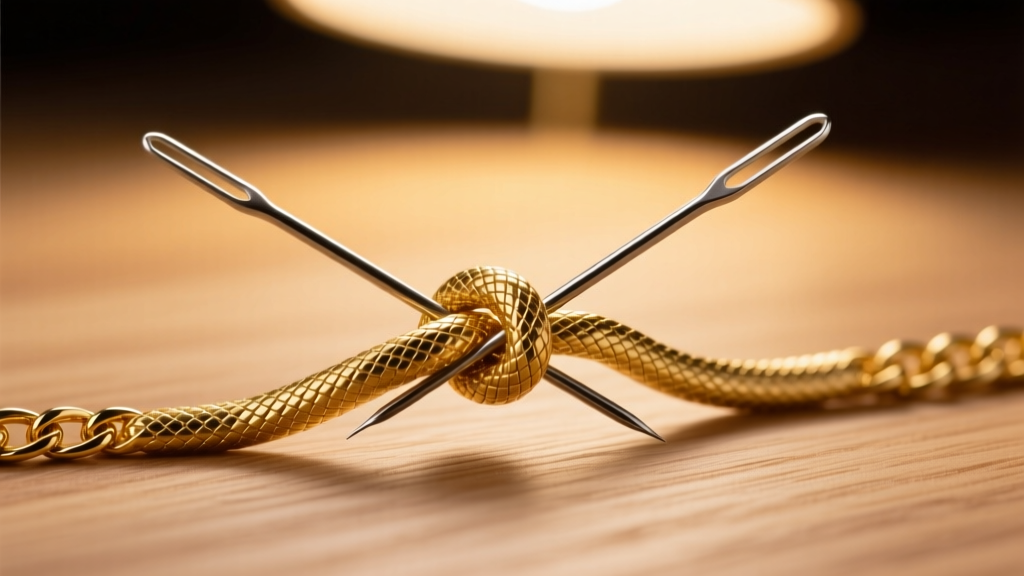
The Talcum Powder Method:
- Step 1: Lay the knotted necklace flat on a hard, non-porous surface like a glass or ceramic tile. Avoid fabric, which can snag micro-links.
- Step 2: Generously dust the knot with talcum powder or cornstarch. This acts as a dry lubricant, coating the microscopic grooves of the gold links.
- Step 3: Use two size 9 or size 10 beading needles. Their ultra-fine, rigid tips are perfect for sliding into the center of the knot without scratching the gold.
- Step 4: Gently wiggle the needles to create a microscopic gap, then slowly pull the outer loops outward. Never pull the chain ends; always push the loops apart from the center.
"Patience and lubrication are the only cures for a micro-chain knot. Force will always result in a trip to the jeweler's soldering bench." — Master Bench Jeweler Adage
Clasp Malfunctions: Fixing Lobster and Spring Ring Closures
A broken clasp is the most common point of failure in modern gold necklace designs. Spring rings, while cost-effective, rely on a tiny internal steel spring that frequently loses tension or rusts from exposure to humidity and skin acids. When the jump ring gap widens even a millimeter, the delicate chain will slip through.
| Clasp Type | Common Failure Mode | Troubleshooting & Upgrade Path |
|---|---|---|
| Spring Ring | Internal spring fatigue; lever snaps off. | Replace entirely. Do not attempt to bend the lever back, as the metal is work-hardened and will snap. |
| Standard Lobster | Trigger mechanism jams due to lotion/debris buildup. | Soak in warm water with a drop of dish soap. Use a soft toothbrush to clear the trigger crevice. |
| Magnetic (Neodymium) | Loss of magnetic hold over time; glue failure. | Upgrade to a locking magnetic clasp with a mechanical safety latch to prevent accidental drops. |
| Box Clasp | The internal 'V' spring loses its bounce. | Gently pry the 'V' tab upward with a sewing needle to restore tension. Replace if metal fatigue is visible. |
Addressing Surface Wear: Polishing Matte and Brushed Finishes
Many modern gold necklace designs feature satin, matte, or wire-brushed finishes to create a contemporary, understated look. A critical troubleshooting error occurs when owners attempt to restore the shine of a scratched matte chain using standard jeweler's polishing cloths (such as Sunshine cloths). These cloths are impregnated with mild micro-abrasives designed to remove tarnish and create a high-polish mirror finish. Using them on a brushed chain will permanently erase the textured finish, leaving a patchy, semi-gloss surface.
The Fix: To clean and restore matte gold, use a solution of warm water and a few drops of ammonia-free dish soap. Agitate gently with a baby-hair brush (which is soft enough not to burnish the matte texture). If the brushed finish has worn completely smooth from years of friction against the skin, the chain must be taken to a professional to be re-brushed using a fiberglass scratch brush or a sandblasting cabinet.
Soldering vs. Replacing: When to Call a Professional Jeweler
When a micro-link snaps or a chain kinks severely, DIY fixes are impossible. However, the repair method matters immensely. Traditional torch soldering requires applying broad heat, which can easily melt the surrounding millimeter-thin links of a modern paperclip or satellite chain, causing collateral damage and visible scorch marks.

Instead, insist on laser welding. Laser welders use concentrated pulses of light to fuse metal at a microscopic level without transferring heat to the adjacent links. This is the only safe repair method for hollow-core chains or ultra-fine 18k gold designs. Expect to pay between $45 and $95 for a laser solder repair on a fine gold chain, depending on the karat weight and the complexity of the link geometry. If a snake chain has kinked, laser welding cannot fix the structural crush damage; the affected segment must be cut out and the chain reattached, which will alter its original length.
Preventative Maintenance for Everyday Wear
Troubleshooting is secondary to prevention. The Jewelers of America emphasizes that environmental factors are the primary culprits behind gold degradation. To protect modern gold necklace designs from premature failure, adhere to these strict maintenance protocols:
- Avoid Chlorine Exposure: Chlorine reacts with the copper and silver alloys in 14k and 18k gold, causing a phenomenon known as stress corrosion cracking. This makes the links brittle and prone to snapping under their own weight. Never wear your chain in swimming pools or hot tubs.
- Implement the 'Last On, First Off' Rule: Perfumes, hairsprays, and chemical exfoliants can degrade the rhodium plating on white gold chains and dull the luster of yellow gold. Always put your necklace on after your beauty routine is complete.
- Proper Storage Geometry: Never toss multiple modern chains into a single jewelry box drawer. The friction of varying link styles (e.g., a sharp figaro chain rubbing against a delicate cable chain) will cause micro-scratches. Store each necklace individually in a soft, anti-tarnish flannel pouch, ensuring the clasp is left unfastened and hanging outside the pouch to prevent internal tangling.


