Fixing a Tangled or Tarnished Butterflies Necklace: Expert Guide
Learn how to untangle, clean, and repair your delicate butterflies necklace. Expert troubleshooting for chain knots, tarnish, and clasp failures.

The Unique Vulnerabilities of a Butterflies Necklace
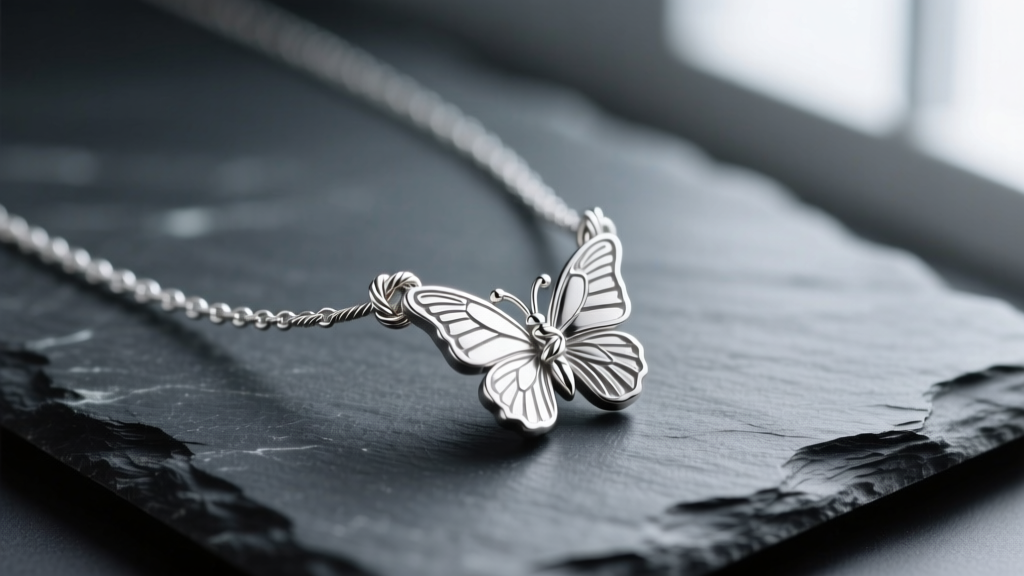
A butterflies necklace is a beloved staple in jewelry boxes worldwide, symbolizing transformation and delicate beauty. However, the very design elements that make this pendant so captivating—intricate wing spans, lightweight chains, and detailed metalwork—also make it highly susceptible to damage. Unlike simple geometric pendants, the asymmetrical wings of a butterfly pendant frequently catch on knitwear, scarves, and hair, leading to sudden tension on the chain. Furthermore, the chains paired with these pendants are typically ultra-fine (ranging from 0.8mm to 1.2mm in thickness) to maintain an ethereal aesthetic, which drastically increases their vulnerability to micro-kinks, severe tangling, and jump ring distortion. In this comprehensive troubleshooting guide, we will address the most common structural and cosmetic failures of the butterflies necklace and provide expert-level solutions to restore your piece to its original glory.
Troubleshooting Issue 1: Severe Chain Tangling
Because butterfly pendants are often worn at the collarbone (16 to 18 inches), the fine cable or box chains used are prone to folding back onto themselves, creating tight, friction-locked knots. Pulling on these knots with bare fingers only increases the friction coefficient, tightening the metal links until they kink or snap.
The Baby Powder and Pin Method
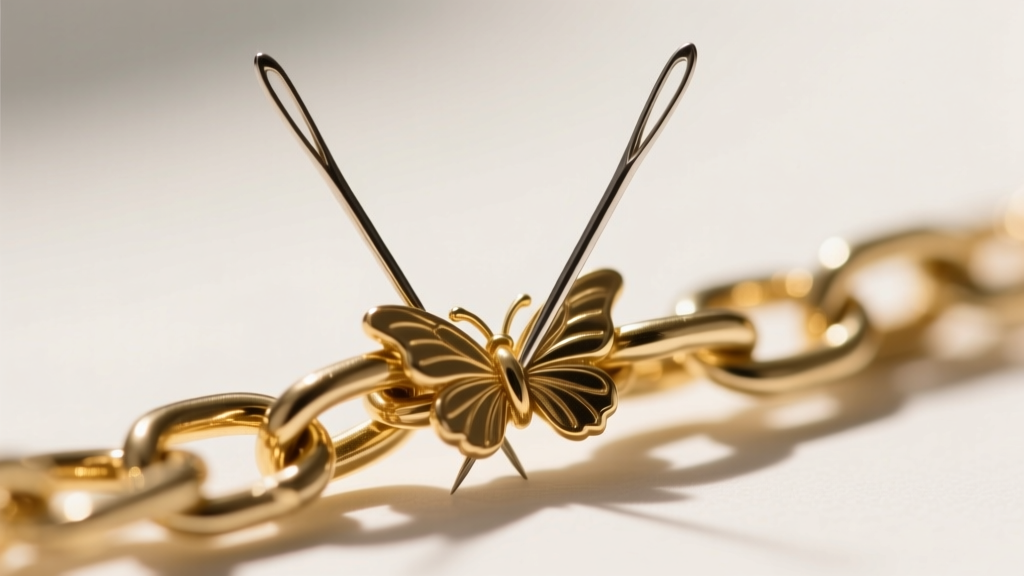
To safely untangle a severely knotted butterflies necklace, you must eliminate the friction between the metal links. Lay the necklace flat on a hard, non-porous surface like a glass table or ceramic plate. Generously dust the knot with talcum powder, baby powder, or cornstarch. Using two size 9 beading needles or fine sewing pins, gently work the tips into the center of the knot. The powder acts as a dry lubricant, allowing the pins to slide the 0.8mm links apart without stressing the metal's structural integrity. Never use oil-based lubricants like WD-40 or olive oil, as these will trap dirt and degrade any porous gemstones or enamel accents on the butterfly wings.
When to Seek Professional Help
If the knot has been pulled tight enough to cause visible metal kinking (where the links lose their oval or circular shape and fold flat), stop immediately. A professional jeweler can use specialized flush cutters to remove the damaged link and solder in a new one without compromising the chain's overall drape.
Troubleshooting Issue 2: Tarnish, Plating Wear, and Discoloration
The cosmetic degradation of a butterflies necklace depends entirely on its metallurgy. As of 2026, many contemporary jewelers are adopting PVD (Physical Vapor Deposition) coatings over traditional electroplating for gold-tone butterfly pendants, offering superior tarnish resistance. However, vintage or fast-fashion pieces often rely on thin 0.5-micron plating over brass or copper bases, which are highly reactive to environmental sulfur and human sebum.
Metal-Specific Cleaning Protocols
Using the wrong chemical agent can strip plating or cloud gemstones. Refer to the table below to identify your necklace's material and apply the correct cleaning protocol.
| Metal / Plating Type | Primary Tarnish Cause | Safe Cleaning Method | Agents to Strictly Avoid |
|---|---|---|---|
| 925 Sterling Silver | Sulfur exposure (Silver Sulfide) | Mild dish soap, specialized silver polishing cloth | Bleach, toothpaste, hard-bristle brushes |
| Gold PVD (Modern Standard) | Body oils, lotions, cosmetics | Warm water, microfiber cloth, gentle drying | Ultrasonic cleaners, ammonia, abrasive pastes |
| Brass Base (Electroplated) | Copper oxidation bleeding through | Dry polishing cloth only | Liquid silver dips, acids, prolonged water exposure |
| Enamel / Rhinestone Accents | Chemical stripping, epoxy degradation | Damp cloth only, avoid the setting areas | Silver dip, ultrasonic frequencies, alcohol |
For deep tarnish on solid 925 sterling silver butterfly pendants, the Gemological Institute of America (GIA) recommends a gentle bath of warm water and a few drops of phosphate-free dish soap. Use a baby toothbrush with ultra-soft bristles to gently sweep the crevices of the butterfly's wings. Rinse thoroughly and dry immediately with a lint-free cloth to prevent water spots.
Restoring Enamel and Rhinestone Details
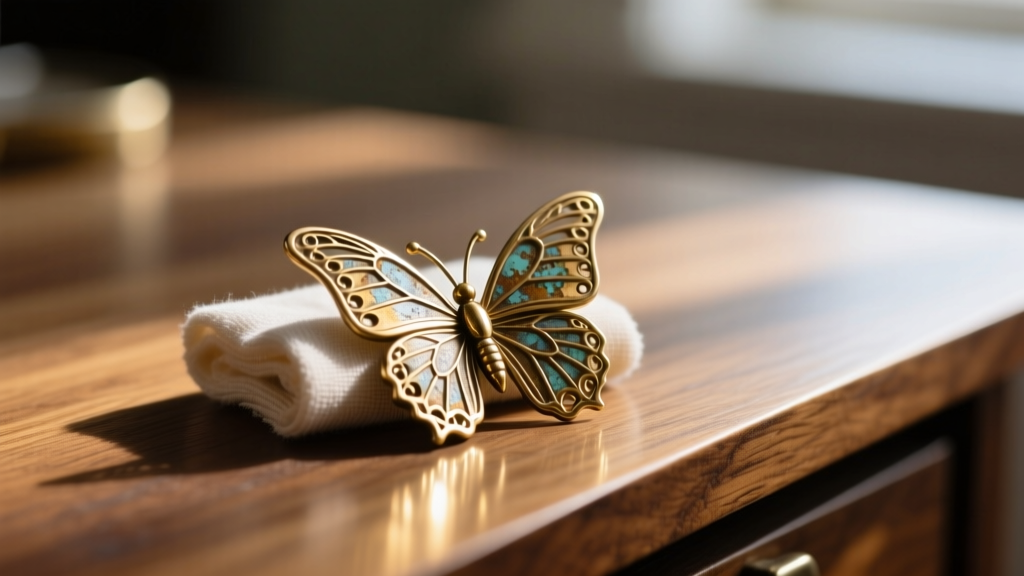
Many butterflies necklaces feature cold enamel (epoxy resin) or prong-set rhinestones on the wings to mimic the vibrant patterns of real insects. These materials are the Achilles heel of jewelry cleaning. Ultrasonic cleaners, which operate at frequencies around 40kHz, create microscopic cavitation bubbles that can easily shatter rhinestones or melt the epoxy holding enamel in place. If your butterfly pendant has cloudy stones, it is likely due to lotion buildup under the pavé settings. Dip a cotton swab in a mild window cleaner (ammonia-free) and carefully trace the edges of the stones, avoiding the metal prongs if they are gold-plated, as ammonia will strip the plating.
Troubleshooting Issue 3: Clasp and Jump Ring Failures
The jump ring—the small circular loop connecting the butterfly pendant to the chain—is a major point of failure. Most mass-produced necklaces use 20-gauge or 22-gauge split jump rings. When the butterfly wing catches on clothing, the sudden lateral force pulls the jump ring open, resulting in a lost pendant.
Upgrading the Hardware
If you notice the gap in your jump ring widening, do not simply push it back together with your fingers; the metal has been work-hardened and will eventually snap. Take the necklace to a jeweler and request that the split jump ring be replaced with a soldered closed jump ring, or at minimum, a heavy-duty 18-gauge split ring. Additionally, if your necklace features a tiny spring ring clasp (common on lightweight chains), consider upgrading to a 925 silver lobster clasp. Spring rings contain a tiny internal tension spring that degrades over time, leading to accidental unclasping, whereas lobster clasps offer a much more secure, ergonomic grip.
Preventative Storage for Intricate Pendants
Proper storage is the ultimate troubleshooting preventative measure. Never toss a butterflies necklace into a communal jewelry box where the wings can interlock with other chains. The Federal Trade Commission (FTC) notes that proper care and storage are essential for maintaining the structural integrity and advertised quality of precious metals. Store your necklace in an individual anti-tarnish ziplock bag. To prevent the chain from sliding through the clasp and tangling during storage, thread one end of the chain through a short piece of plastic drinking straw before clasping it shut. This keeps the chain rigidly separated and ensures your delicate butterfly pendant remains pristine and ready to wear without the need for emergency repairs.


