2026 Style Guide: The Necklace with Diamond Solitaire Pendants
Discover 2026 trends for the classic necklace with diamond solitaires. Learn layering frameworks, setting anatomy, and lab-grown pricing insights.

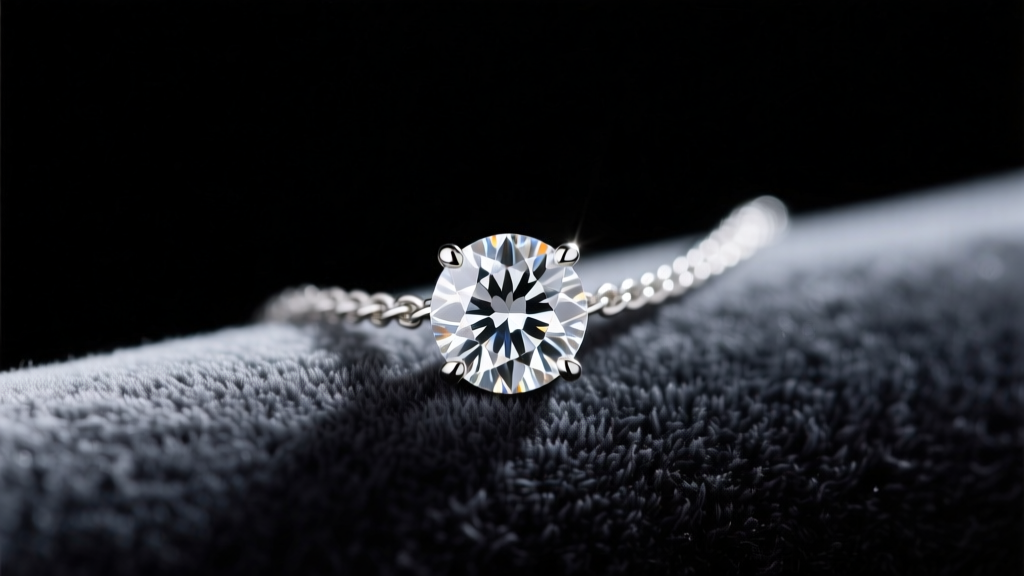
The diamond solitaire pendant remains an undisputed cornerstone of fine jewelry, but the way we style, source, and wear it has evolved dramatically. While some vintage collectors might search for a rare necklace with d-shaped enamel motifs or historical initial charms, the modern 2026 market is overwhelmingly dominated by the timeless diamond solitaire. However, the days of simply throwing a single stone on a generic chain are over. Today’s collectors and stylists demand precision in setting architecture, strategic layering, and a deep understanding of the shifting landscape between natural and lab-grown diamonds.
In this comprehensive 2026 style and trend analysis, we break down the exact specifications, pricing realities, and styling frameworks you need to master the diamond solitaire necklace. Whether you are investing in a high-carat natural stone or building a curated stack with lab-grown alternatives, this guide provides the actionable expertise required to make informed decisions.
The 2026 Shift: Lab-Grown Dominance and Minimalist Settings
The most significant trend defining the diamond necklace market in 2026 is the complete mainstreaming of lab-grown diamonds (LGDs). According to industry analyses reported by JCK Online, lab-grown diamonds now account for over 65% of all solitaire pendant sales under the $2,000 mark. This shift has fundamentally altered consumer expectations regarding carat size and clarity.
Because the price per carat for LGDs has stabilized at a fraction of their natural counterparts, buyers are no longer compromising on size to fit a budget. The 1.00ct to 1.50ct solitaire pendant, once considered a luxury investment piece, is now an accessible everyday staple. Furthermore, the aesthetic trend has moved sharply away from heavy, ornate halos and toward ultra-minimalist, bezel-set, or invisible-set designs that allow the diamond’s inherent optics to take center stage.
'In 2026, the focus is entirely on light performance. Consumers are prioritizing ideal cut grades over slight bumps in color or clarity, especially in lab-grown stones where optical precision can be tightly controlled during the CVD or HPHT growth processes.' — Gemological Institute of America (GIA) Research Briefs.
Decoding the Anatomy of a Diamond Solitaire Pendant
To evaluate a diamond necklace like an expert, you must look beyond the 4Cs and scrutinize the physical architecture of the setting and the chain. The structural integrity of these components dictates both the longevity and the visual presentation of the piece.
Prong vs. Bezel: Security Meets Aesthetics
The setting type completely changes how the diamond interacts with light and how it withstands daily wear. The classic 3-prong martini setting is beloved for its minimal metal footprint, allowing maximum light return from the pavilion. However, it is notoriously prone to snagging on knitwear and silk. For 2026, the 4-prong basket setting with a low-profile gallery wire is the preferred choice for prong lovers, offering superior structural support without sacrificing brilliance.
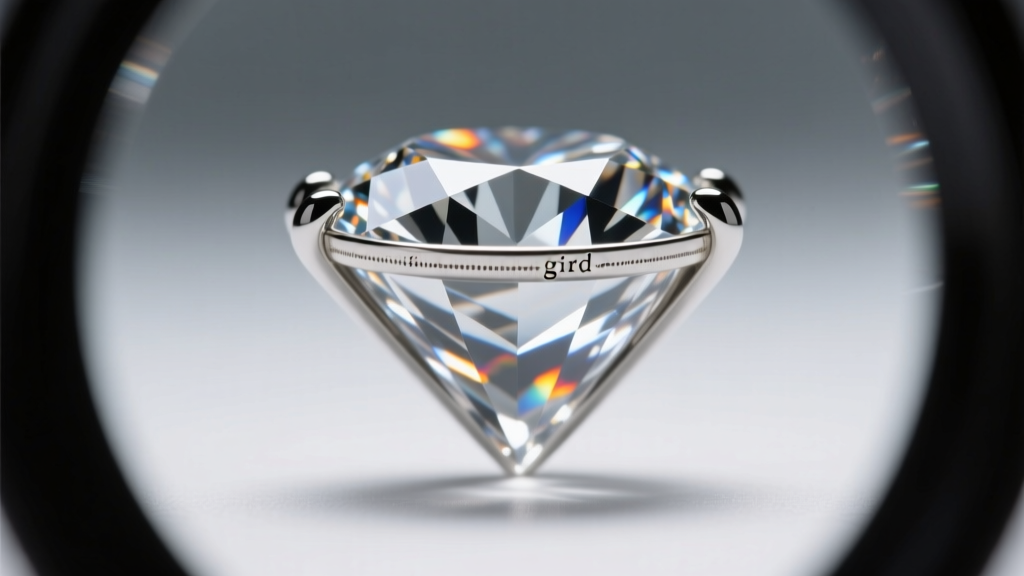
For active lifestyles, the bezel setting has seen a massive resurgence. A fully enclosed 14k or 18k gold rim protects the diamond’s vulnerable girdle from chipping. Modern bezel settings utilize precision CAD milling to ensure the metal lip is incredibly thin (often under 0.4mm), preserving the stone's face-up spread while offering unparalleled security.
Chain Selection: Gauge and Material
The chain is the unsung hero of the pendant. A heavy pendant on a weak chain will lead to catastrophic failure. For solitaire pendants ranging from 0.50ct to 1.50ct, the ideal chain gauge falls between 0.9mm and 1.2mm. Anything thinner (like a 0.6mm thread chain) risks kinking and snapping under the dynamic stress of daily movement. The standard cable chain or the slightly more reflective box chain remains the gold standard for durability. Furthermore, ensure the clasp is a sturdy lobster claw rather than a flimsy spring-ring, which is prone to internal spring failure.
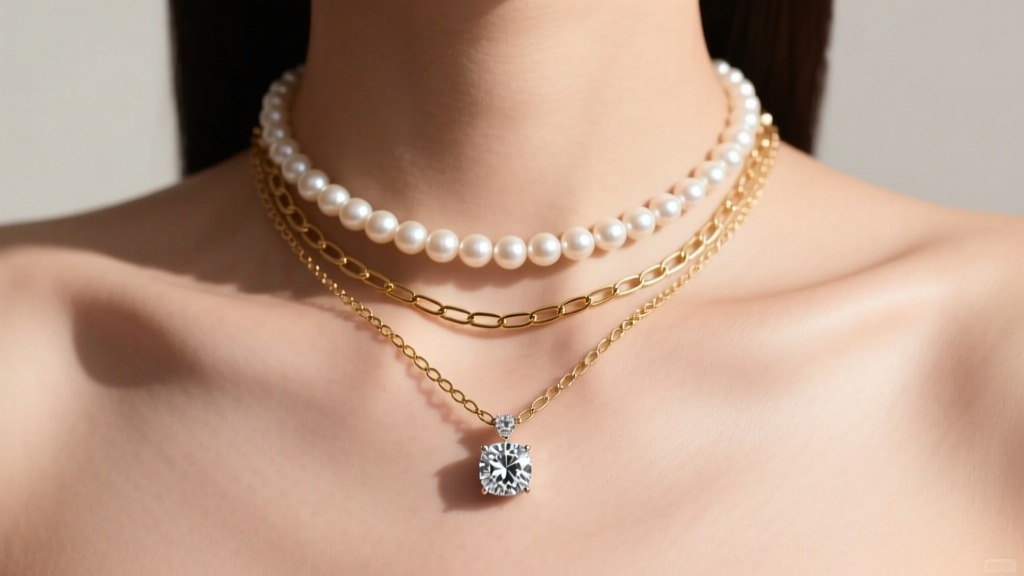
Layering Frameworks: Building a 2026 Neck Stack
Layering is no longer about haphazardly piling on chains; it requires a calculated approach to spacing, texture, and focal points. The 2026 neck stack relies on the diamond solitaire as the anchor piece, surrounded by complementary textures. Below is a proven framework for building a balanced, tangle-resistant stack.
| Layer Position | Chain Style & Gauge | Length | Pendant / Focal Point |
|---|---|---|---|
| Base (Choker) | 1.5mm Herringbone or Snake | 14 - 15 inches | None (bare chain) or 3mm pearl |
| Anchor (Primary) | 1.0mm Cable Chain | 16 - 17 inches | 0.75ct - 1.00ct Diamond Solitaire |
| Mid-Stack | 1.8mm Paperclip Chain | 18 - 20 inches | Small gold charm or horizontal bar |
| Outer Layer | 2.5mm Rope or Curb Chain | 22 - 24 inches | Heavier medallion or lariat drop |
Pro Tip: To prevent chains from tangling, always mix chain textures. Pairing a smooth snake chain with a textured paperclip chain creates physical friction points that keep the layers separated, whereas stacking three identical cable chains guarantees a knotted mess within an hour.
Investment & Pricing: What to Expect in 2026
Understanding the current pricing landscape is critical for avoiding retail markups. The divergence between natural and lab-grown diamond pricing has never been more pronounced. Here is a realistic breakdown of what you should expect to pay for a 1.00ct Round Brilliant solitaire pendant (VS clarity, F/G color) in 2026, excluding luxury brand premiums:
- 1.00ct Natural Diamond (14k Gold Setting): $4,500 – $6,800. Natural stones retain a premium, particularly those with verified origin and no fluorescence.
- 1.00ct Lab-Grown Diamond (14k Gold Setting): $650 – $1,200. Prices have compressed significantly. Paying over $1,500 for a 1-carat LGD solitaire pendant in 2026 indicates severe retail markup.
- Melee Diamond Accents (Halos/Bails): If you opt for a diamond-accented bail, expect to add $150–$300 to the base price, depending on the total melee carat weight (usually 0.05ct to 0.15ct total).
Expert Troubleshooting: Common Diamond Necklace Pitfalls
Even high-end diamond necklaces can suffer from design flaws that frustrate the wearer. As a stylist and appraiser, I frequently troubleshoot the following three issues:
1. The 'Flipping' Problem: If your diamond pendant constantly flips upside down to show the back of the setting, the issue is physics, not bad luck. Martini settings have a high center of gravity and a narrow base. When suspended on a flexible chain, the weight distribution forces the pendant to rotate. The Fix: Switch to a 4-prong basket setting with a wider, flat gallery base, or use a sliding bail that locks the pendant perpendicular to the chest.
2. Prong Snagging and Wear: Pointed prongs act like tiny hooks, catching on hair and clothing. Over time, this micro-tension can lift the prong away from the diamond's crown, risking stone loss. The Fix: Have a jeweler 'tip' the prongs every 18 months, rounding them slightly, or permanently upgrade to a bezel setting if you wear the necklace daily.
3. Chain Kinking at the Bail: A bail that is too small for the chain's gauge will cause the chain to bunch up and kink at the connection point, weakening the metal. Always ensure the inner diameter of the bail is at least 1.5 times the width of the chain you intend to use.
Mastering the diamond solitaire necklace in 2026 requires looking past the carat weight and focusing on the holistic engineering of the piece. By selecting the right setting architecture, understanding the true market value of lab-grown alternatives, and employing strategic layering techniques, you can curate a neckline that is both structurally sound and effortlessly modern.


