What Are the Flower Necklaces in Hawaiian Called? A Lei Guide
Discover what the flower necklaces in Hawaiian are called. Learn about lei types, materials, cultural etiquette, and how to wear them.

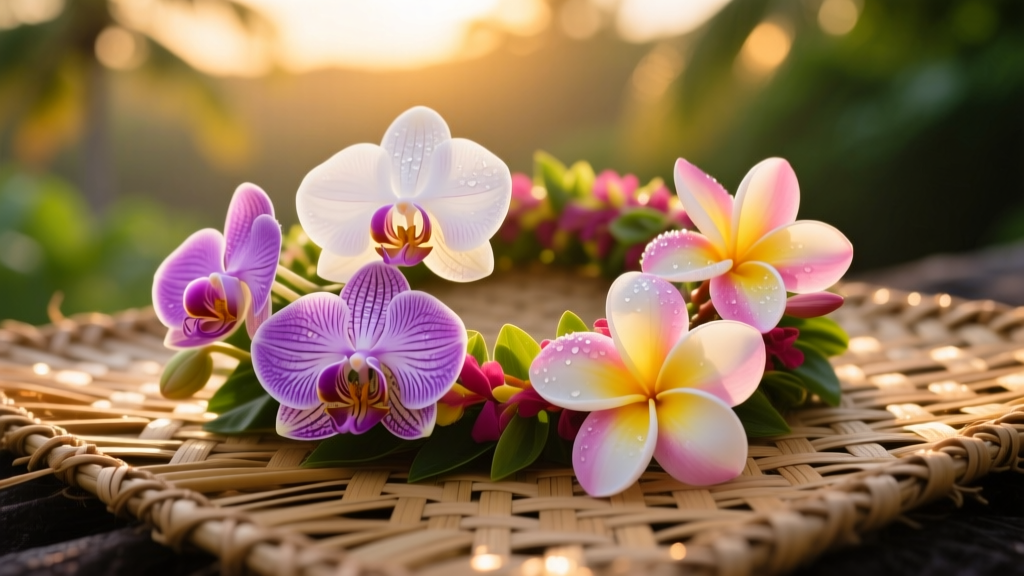
If you have ever visited the Hawaiian Islands, attended a Hawaiian-themed event, or watched a classic Polynesian film, you have undoubtedly seen the beautiful, fragrant floral garlands draped around people's necks. For jewelry enthusiasts and cultural travelers alike, understanding the terminology and craftsmanship behind these pieces is essential. So, what are the flower necklaces in Hawaiian called? The direct answer is a lei (pronounced "lay").
However, calling a lei simply a "flower necklace" barely scratches the surface of its cultural depth. In Hawaiian culture, a lei is far more than an accessory; it is a profound symbol of aloha (love, respect, and greeting). In this comprehensive beginner-friendly explainer, we will dive deep into the materials, construction techniques, and strict cultural etiquette surrounding the Hawaiian lei.
The Linguistic and Cultural Roots of the Lei
In the Hawaiian language, the word "lei" refers to any garland, wreath, or necklace. Interestingly, the Hawaiian language does not pluralize words by adding an "s" as in English. Therefore, whether you are holding one garland or fifty, the correct term is simply lei, not "leis."
Historically, lei were crafted by early Polynesian voyagers to honor their gods and celebrate the natural beauty of their new island home. While modern tourists often associate lei strictly with fresh flowers, traditional lei encompass a vast array of natural materials, each carrying specific spiritual and regional significance. According to the Bernice Pauahi Bishop Museum, the creation of a lei is considered an art form that requires deep respect for the natural environment, or ʻāina.
Beyond Orchids: Materials Used in Traditional and Modern Lei
While dendrobium orchids and plumeria are the most common flowers used in commercial lei today, authentic Hawaiian lei utilize a diverse spectrum of flora and natural elements. The choice of material often dictates the lei's price, durability, and appropriate occasion.
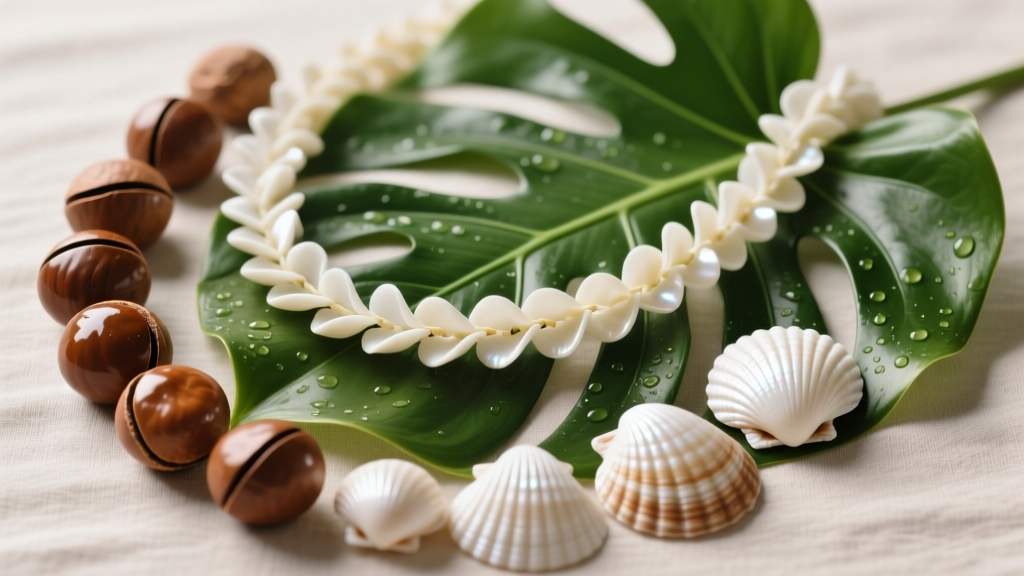
Material Breakdown and Pricing Guide
| Material Type | Examples | Durability | Avg. Price Range (USD) | Best Occasion |
|---|---|---|---|---|
| Fresh Flowers | Orchid, Plumeria, Pikake (Jasmine), Tuberose | 1-3 Days | $20 - $150 | Welcoming, graduations, weddings |
| Leaves & Vines | Maile, Ti Leaf, Hala | 1-2 Weeks | $15 - $60 | Hula performances, blessings, men's formal wear |
| Seeds & Nuts | Kukui Nut, Wiliwili | Years / Indefinite | $30 - $120 | Everyday wear, long-term gifts |
| Rare Shells | Niihau Shells (Kahelelani, Laiki) | Generations | $500 - $10,000+ | Heirlooms, high-end weddings, investment pieces |
Expert Insight: The Niihau shell lei is the pinnacle of Hawaiian jewelry. Harvested exclusively from the shores of the privately owned island of Niihau, these microscopic shells are meticulously sorted by color and size. A flawless, multi-strand Niihau shell lei can easily command prices exceeding $5,000, making it a highly sought-after investment piece and family heirloom.
The 5 Traditional Lei Making Techniques
Understanding what the flower necklaces in Hawaiian are called is only the first step. To truly appreciate them, you must understand how they are constructed. The Hawaii Tourism Authority highlights that there are five primary methods of lei making, each requiring distinct manual dexterity and botanical knowledge.
- Kui (Stringing): The most common and beginner-friendly method. Flowers or shells are pierced through the center or side with a long needle and strung onto a single thread. This is how most standard airport orchid lei are made.
- Haku (Braiding/Weaving): A complex technique where flowers and foliage are woven into a central backing cord or braided base, often using ti leaves or raffia. Haku lei are typically worn as headpieces (haku lei po'o) but can be made as thick, lush necklaces.
- Wili (Winding): Materials are gathered in small bunches and tightly wound around a central core using thread or raffia. This creates a dense, rope-like lei that is highly durable and often used with ferns and leafy greens.
- Miconi (Tying): Instead of piercing the flowers, each individual bloom or leaf is tied to the main cord using a separate piece of thread or raffia. This preserves the structural integrity of delicate flowers like plumeria, preventing them from bruising or bleeding sap.
- Humuhumu (Sewing): Materials are sewn onto a backing fabric, felt, or lauhala (pandanus leaf) base. This is most commonly used for hatbands or flat, decorative chest pieces rather than traditional draped necklaces.
Cultural Etiquette: How to Receive, Wear, and Dispose of a Lei
Because a lei represents the physical manifestation of aloha and the spirit of the giver, there are strict cultural protocols regarding how they are handled. Violating these norms is considered deeply disrespectful.
The Rules of Receiving and Wearing
"Never refuse a lei, and never remove it in the presence of the person who gave it to you. To do so is to reject their aloha and spirit."
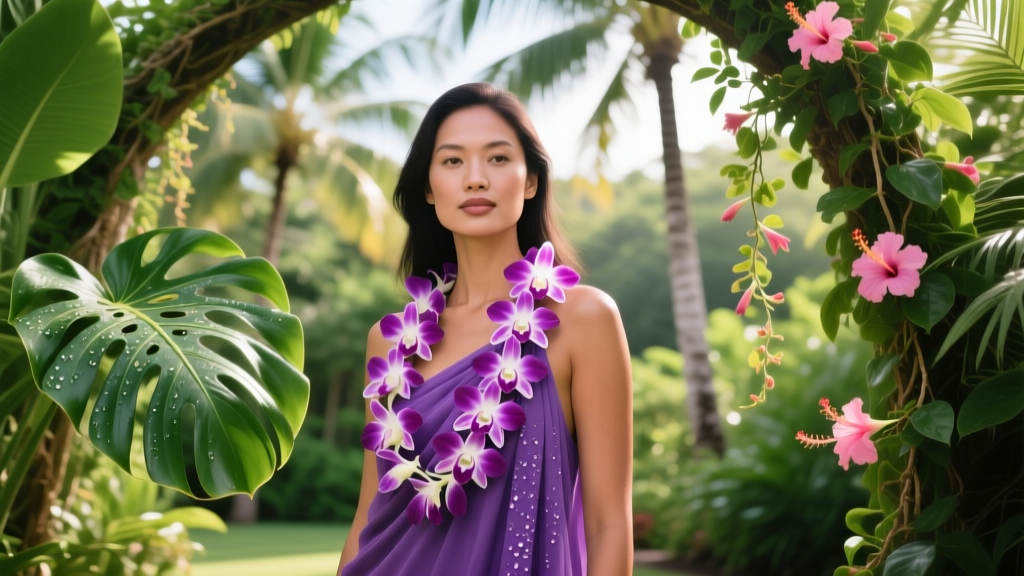
When receiving a lei, the proper etiquette is to bow your head slightly to allow the giver to place it around your neck, followed by a kiss on the cheek or a warm embrace (honi). Once placed, you should wear it for a reasonable amount of time.
Furthermore, a closed lei should be draped evenly over the shoulders, with half hanging down the front and half down the back. It should not be worn hanging straight down the front like a standard pendant necklace.
The Pregnancy Protocol
One of the most vital pieces of E-E-A-T knowledge for jewelry and cultural guides is the rule regarding pregnant women. In Hawaiian tradition, a closed, circular lei represents an umbilical cord and is believed to bring bad luck or entangle the unborn child. Pregnant women must only be given open lei (tied loosely at the ends) or headpieces (haku). Always verify if the recipient is expecting before purchasing a traditional closed-loop floral necklace.
Sourcing, Pricing, and Caring for Your Lei in 2026
If you are looking to purchase an authentic lei, avoid mass-produced plastic imitations found in mainland party stores. For fresh floral lei, local Hawaiian florists or specialized online shippers (who utilize overnight climate-controlled transit) are your best options. Expect to pay between $35 and $80 for a high-quality, fresh Pikake (Arabian Jasmine) or Tuberose lei, excluding shipping.
How to Prolong the Life of a Fresh Flower Lei
Fresh flower lei are ephemeral by nature, but you can extend their lifespan from 24 hours to nearly a week with proper care:
- Hydrate Immediately: Upon receiving your lei, lightly mist it with cool, purified water using a spray bottle.
- Refrigerate Properly: Place the lei in a plastic bag with a damp paper towel to maintain humidity. Store it in the warmest part of your refrigerator (usually the crisper drawer or the top shelf), ensuring the temperature stays above 40°F (4°C) to prevent frost damage to delicate petals like orchids.
- Return to the Earth: When the lei begins to wilt, Hawaiian protocol dictates that you should not throw it in the trash. Instead, untie it and return the organic materials to the earth by burying them in your garden, hanging them on a tree, or scattering the flowers into the ocean. This completes the cycle of nature and shows respect to the ʻāina.
By understanding exactly what the flower necklaces in Hawaiian are called and the profound cultural weight they carry, you transform a simple souvenir into a meaningful connection with one of the world's most beautiful indigenous cultures.


