Fourth of July Necklaces: 2026 Troubleshooting Guide
Discover expert troubleshooting for fourth of July necklaces. Fix green skin, chipped enamel, and tangled chains with our 2026 repair guide.

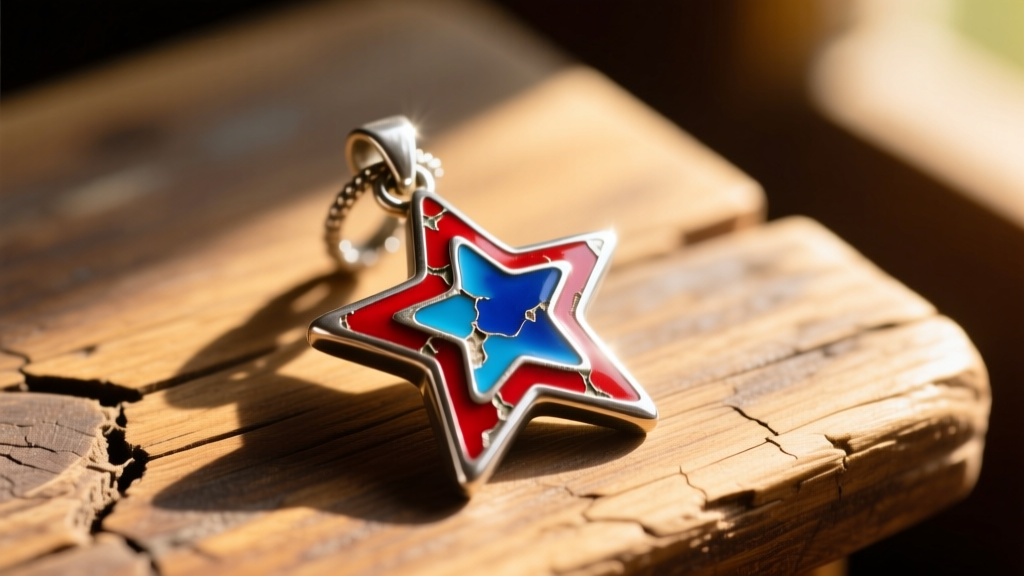
Patriotic jewelry is a summer staple, but the reality of wearing novelty and holiday-themed pieces often falls short of the ideal. As we move through the 2026 summer season, the market is flooded with fourth of July necklaces ranging from high-end fine jewelry to mass-produced base-metal novelties. Unfortunately, the combination of high humidity, summer sweat, and cheap manufacturing techniques leads to a host of wearable failures: green skin, chipped inlays, faded stones, and hopelessly tangled chains.
As a jewelry specialist, I see these issues every year. This guide moves beyond basic styling tips and dives deep into the metallurgy, gemology, and structural troubleshooting required to rescue, repair, and maintain your patriotic pendants and chains.
The Summer Sweat Problem: Why Patriotic Pendants Turn Skin Green
The most common complaint with affordable fourth of July necklaces is the dreaded green ring around the neck. This is not an allergic reaction; it is a chemical oxidation process. Many mass-produced holiday pendants are cast from zinc alloy or brass and feature a microscopic 'flash' plating of silver or gold. Once that plating wears through from friction, the underlying copper or nickel is exposed.
When copper reacts with the chlorides and salts in human sweat, it creates copper chloride, a green compound that transfers directly to the skin. To troubleshoot and prevent this, you must address the metal's surface barrier.
Troubleshooting and Prevention Protocols
- The Temporary Fix (Polyurethane Barrier): For cheap zinc-alloy pendants under $20, apply a thin coat of clear, jewelry-safe polyurethane or a specialized product like Jewelry Shield to the back of the pendant. This creates a physical barrier between the copper and your skin. Reapply every 4 to 6 weeks.
- The Permanent Fix (Rhodium Plating): If the piece is made of sterling silver or solid brass, take it to a local jeweler for a rhodium strike. Request a thickness of 0.75 to 1.0 microns. Anything less (often called a 'flash' at 0.1 microns) will wear off in a single summer. Rhodium is a platinum-group metal that is entirely inert, hypoallergenic, and will never oxidize or turn skin green.
- Children's Jewelry Warning: Be highly cautious with cheap, imported patriotic necklaces marketed to children. According to Federal Trade Commission (FTC) Jewelry Guides and ASTM F2999 standards, children's jewelry must meet strict limits for lead and cadmium. If a lightweight, brightly painted novelty pendant lacks a clear manufacturer stamp or compliance tag, discard it to avoid heavy metal exposure.
Enamel Failures: Repairing Chipped Red, White, and Blue Inlays
Enamel work is a hallmark of patriotic jewelry design, but not all enamel is created equal. Understanding whether your necklace features vitreous (hot) enamel or cold enamel (epoxy resin) dictates how you must repair it.
Vitreous enamel is essentially glass fused to metal at temperatures exceeding 1,400°F. It is highly durable but brittle; if dropped on a hard surface, it will chip or shatter like a windshield. Cold enamel is a two-part epoxy resin poured into metal recesses and cured at room temperature. It is prone to peeling, yellowing from UV exposure, and scratching.
How to Fix Cold Enamel Chips at Home
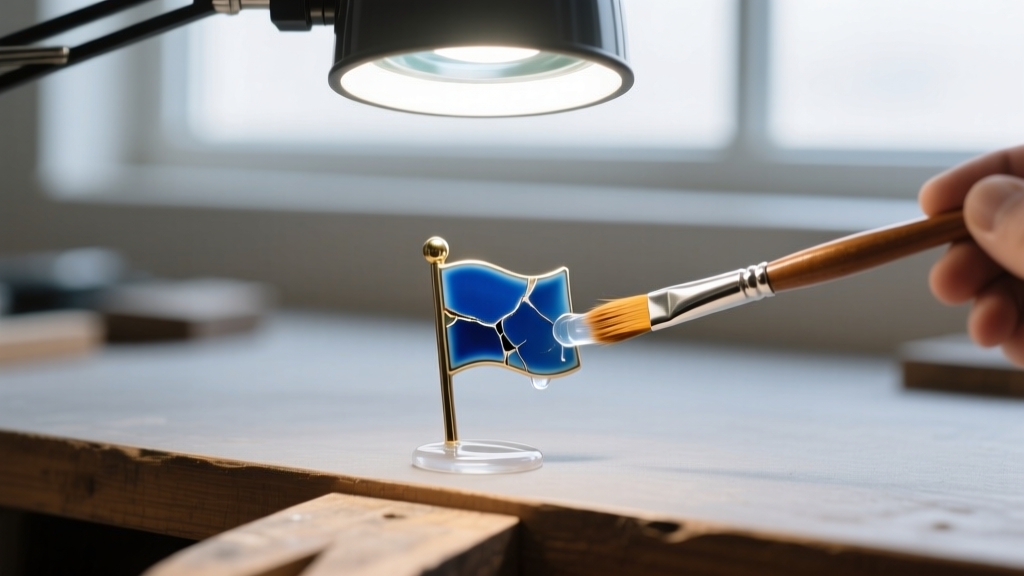
If your fourth of July necklace uses cold enamel (common in pieces under $150), you can perform a seamless repair using jewelry-grade adhesives. Standard superglue (cyanoacrylate) will cloud and become brittle. Instead, use a two-part epoxy like Rio Grande's Epoxy 330.
- Prep the Surface: Use a wooden toothpick to gently scrape away any loose, flaking resin from the chipped area. Wipe the recess with a lint-free swab dipped in 90% isopropyl alcohol to remove skin oils.
- Mix and Tint: Mix the Epoxy 330 in a strict 1:1 ratio. If the red or blue enamel has faded, mix a microscopic amount of mica powder pigment into the resin before application to match the original hue.
- Apply and Cure: Use a fine needle or dental tool to drop the resin into the chip, ensuring it slightly domes above the metal edge. Let it cure for 24 hours in a dust-free environment.
- Sand and Polish: Once fully hardened, gently wet-sand the domed resin with 1200-grit micro-mesh sanding pads until it is perfectly flush with the surrounding metal bezel.
Gemstone vs. Glass: Identifying and Cleaning Faded Patriotic Stones
Red, white, and blue gemstones are heavily featured in holiday collections. However, the market is saturated with dyed imitations that fade, bleed, or crack when exposed to summer heat, sunscreen, and improper cleaning methods. Before attempting to clean a dull patriotic pendant, you must accurately identify the material.
| Color | Genuine Gemstone (Mohs Hardness) | Common Imitation / Treated Stone | Troubleshooting & Cleaning Rule |
|---|---|---|---|
| Blue | Lapis Lazuli (5.0 - 6.0) | Dyed Howlite (3.5) / Blue Glass | Never use ultrasonic cleaners. The cavitation will strip the dye from porous howlite. Clean genuine lapis with a damp cloth only; avoid chemical dips which can dissolve the calcite matrix. |
| Red | Carnelian (6.5 - 7.0) / Ruby (9.0) | Dyed Agate / Red Spinel Glass | Acetone Test: Dip a cotton swab in nail polish remover and rub an inconspicuous spot. If blue or red transfers to the swab, the stone is dyed and must be kept away from alcohol-based sunscreens and perfumes. |
| White | Moonstone (6.0 - 6.5) / Diamond | Opalite (Glass) / Howlite | Check the temperature. Genuine moonstone and diamonds feel cold to the touch and warm slowly. Glass opalite warms instantly. Glass can be cleaned with standard jewelry dips, but moonstone requires mild soap and water. |
For authoritative guidance on porous gemstone care, always refer to the Gemological Institute of America (GIA). Their primary rule for stones like Lapis Lazuli, Turquoise, and Malachite is to avoid prolonged exposure to acidic substances, including citrus-based summer cocktails and sweat, which can permanently etch the stone's surface.
The Layering Nightmare: Detangling and Securing Holiday Chains
Layering a delicate gold chain with a heavier silver patriotic pendant is a popular styling choice, but it almost guarantees a tangled mess by the end of the day. This happens due to 'node theory'—the clasp of one chain acts as a node that slips through the links of another, creating a friction-locked knot.
The Powder and Pin Technique
Pulling on a knotted chain tightens the links and can permanently stretch or snap the metal. Instead, use this professional jeweler's method:
- Lubricate the Node: Lay the necklace flat on a hard surface. Apply a small pinch of baby powder or dry graphite to the center of the knot. This eliminates the friction between the metal links.
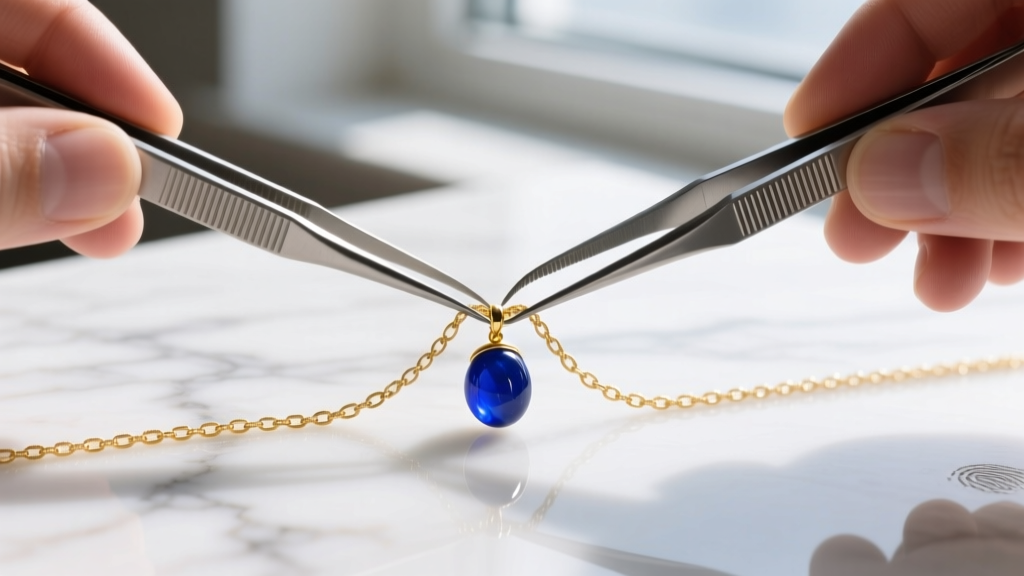
- Use Two Pins: Do not use your fingernails, which can bend delicate links. Take two sewing pins or fine tweezers and insert them into the center of the knot. Gently wiggle them in opposite directions to loosen the core node.
- Work Outward: Once the center is loose, use the pins to pull the chain links outward, one by one, until the knot is fully resolved.
Upgrade Your Clasps
Most holiday necklaces come with cheap 'spring ring' clasps. These are notorious for failing because the tiny internal spring degrades, or the lever catches on clothing. For chains holding pendants over 15 grams, upgrade to a solid lobster claw clasp. For layered setups, consider having a jeweler solder a small 3mm jump ring to the end of the chain instead of using a clasp, allowing you to thread the chain through the pendant bail securely without the risk of the clasp slipping open.
Beyond the BBQ: Transitioning Novelty Necklaces for Year-Round Wear
The ultimate troubleshooting challenge for fourth of July necklaces is their limited seasonal relevance. A literal flag pendant or a bald eagle motif can feel out of place in October. To maximize your investment, focus on modular wearability.
Look for necklaces that feature interchangeable bails or slide pendants. By removing a highly thematic enameled slide and replacing it with a simple geometric lapis lazuli or carnelian cabochon, you maintain the patriotic color palette in a sophisticated, understated way that works for corporate environments and autumn wardrobes. Additionally, swapping a bright red leather cord for a 1.5mm oxidized sterling silver wheat chain instantly grounds a novelty pendant, transforming it into an edgy, year-round staple piece.
By understanding the metallurgy, respecting the gemology, and applying proper maintenance techniques, you can ensure your patriotic jewelry collection remains vibrant, intact, and wearable long after the summer fireworks have faded.


