Gold Cherry Necklace Repair: Fix Tarnish, Enamel & Clasps
Is your gold cherry necklace tarnishing or chipping? Learn expert troubleshooting tips to fix enamel damage, clean gold vermeil, and repair clasps.

The Anatomy of a Gold Cherry Necklace (and Where It Fails)
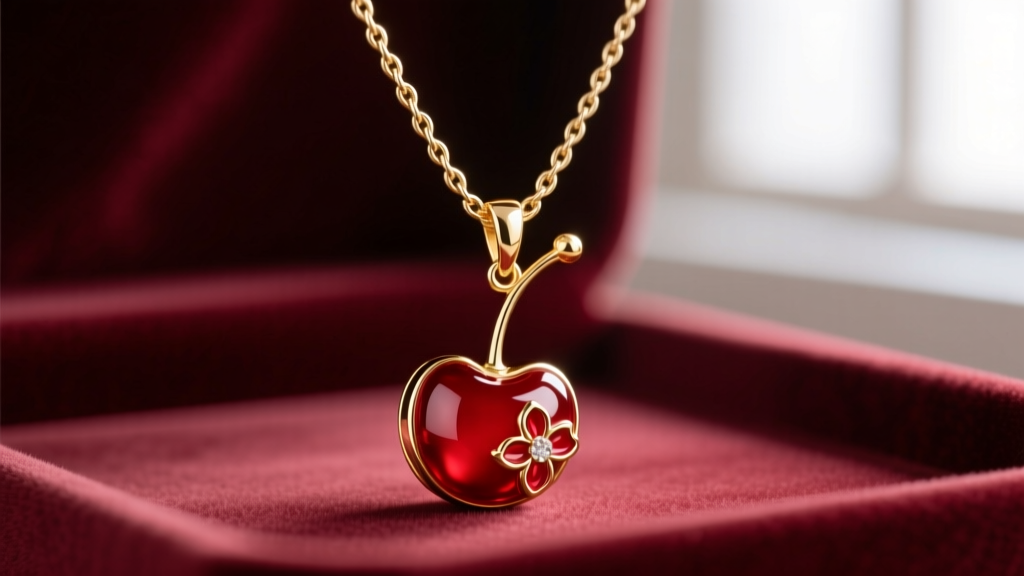
The gold cherry necklace has cemented its place as a beloved staple in both vintage 90s collections and modern indie jewelry lines. Characterized by a delicate metallic fruit pendant, a contrasting green gold leaf, and a vibrant red enamel body, this piece is as fragile as it is charming. When troubleshooting damage, you must first understand the anatomy of the piece. Most commercial cherry necklaces feature a 1.0mm to 1.5mm gauge cable chain, a cast metal pendant base, and an enamel fill. The most common failure points are not the gold itself, but the enamel adhesion, the microscopic gold plating wearing away, and the structural weakness of mass-produced clasps. According to the Gemological Institute of America (GIA), understanding the specific materials used in your piece is the mandatory first step before attempting any restoration or cleaning.
Troubleshooting Enamel Chipping on the Cherry Pendant
The glossy red finish on a cherry pendant is rarely solid gemstone; it is almost exclusively enamel. However, not all enamel is created equal, and the repair method depends entirely on identifying whether your piece uses cold enamel or vitreous enamel.
Cold Enamel vs. Vitreous Enamel: Identifying Your Piece
Vitreous enamel is essentially powdered glass fused to a metal base at extreme temperatures (around 1400°F). It feels cold to the touch, sounds like glass when tapped lightly with a metal pin, and is highly resistant to solvents. Cold enamel, conversely, is a two-part epoxy resin poured into the gold bezel and cured at room temperature. It feels slightly warmer, has a more plastic-like acoustic response, and can be softened by harsh chemicals like acetone. If your cherry necklace was purchased from a fast-fashion retailer or a mid-tier contemporary brand, it likely features cold enamel. High-end artisan pieces or vintage 14k solid gold examples often utilize vitreous enamel or guilloché techniques.
DIY Touch-Ups vs. Professional Restoration
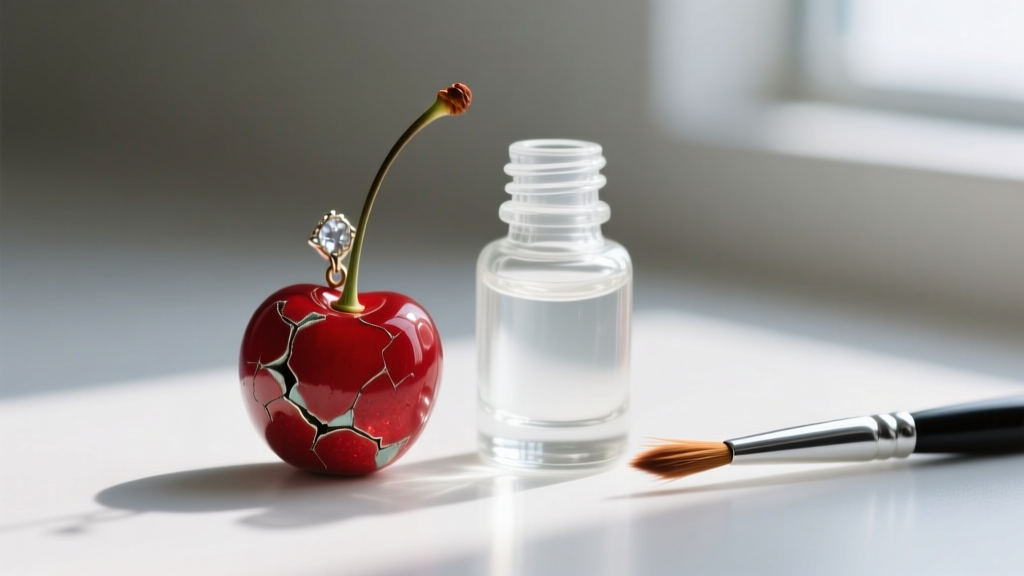
If your cold enamel cherry has chipped or shrunk away from the gold bezel (a common issue as epoxy degrades and loses volume over time), you can perform a DIY touch-up. Clean the cavity with 90% isopropyl alcohol to remove skin oils. Mix a two-part clear jewelry epoxy and tint it with a microscopic drop of red alcohol ink. Using a 0.5mm detail brush, carefully fill the void, allowing capillary action to pull the resin under the gold lip. Let it cure for 24 hours. For vitreous enamel, DIY is impossible; the shock of impact causes micro-fractures that require a professional enamel artist to carefully chip out the damaged glass, re-pack the enamel powder, and re-fire the piece in a kiln.
Solving Gold Vermeil Tarnish and Rub-Off
Many consumers are dismayed to find their 'gold' cherry necklace turning black or revealing a silver underbelly. This indicates the piece is not solid gold, but rather gold vermeil or flash-plated sterling silver. The Federal Trade Commission (FTC) strictly regulates these terms, yet confusion persists in the market. Tarnish occurs when the underlying copper or silver alloys react with sulfur and moisture in the air or on your skin.
| Material Grade | Base Metal | Gold Layer Thickness | Troubleshooting & Cleaning Approach |
|---|---|---|---|
| Flash Plated | Brass or Copper | Less than 0.5 microns | Cannot be polished; requires complete re-plating by a jeweler once the base metal shows through. |
| Gold Vermeil | Sterling Silver | Minimum 2.5 microns | Clean with mild dish soap. Do NOT use polishing cloths, as they will strip the thin gold layer. |
| Gold Filled | Jeweler's Brass | 5% to 10% of total weight | Highly durable. Can withstand gentle polishing cloths and mild ultrasonic cleaning if enamel is absent. |
| Solid 14k Gold | None (Alloy) | Solid throughout | Can be aggressively polished, ultrasonically cleaned, and professionally buffed to remove deep scratches. |
The Baking Soda Myth: What NOT to Do
A pervasive internet myth suggests using a baking soda and aluminum foil bath to remove tarnish from gold jewelry. While this electrochemical reaction works wonders for solid sterling silver, it is catastrophic for a gold cherry necklace. Baking soda is highly abrasive (ranking 2.5 on the Mohs hardness scale) and will permanently scratch high-polish gold surfaces. Furthermore, the alkaline bath can cloud the optical clarity of cold enamel and degrade the adhesive bond holding the cherry stem in place. Instead, rely on a lukewarm bath of distilled water and a few drops of pH-neutral dish soap, gently agitating with a baby-hair brush.
Chain Tangling and Clasp Failures
The delicate nature of the chains used for cherry pendants—often 1.2mm cable or rolo chains—makes them highly susceptible to kinking and clasp failure. The standard spring ring clasp included with most necklaces is notoriously difficult to operate and structurally weak, frequently failing at the tiny internal tension spring.
Upgrading from Spring Ring to Lobster Clasps
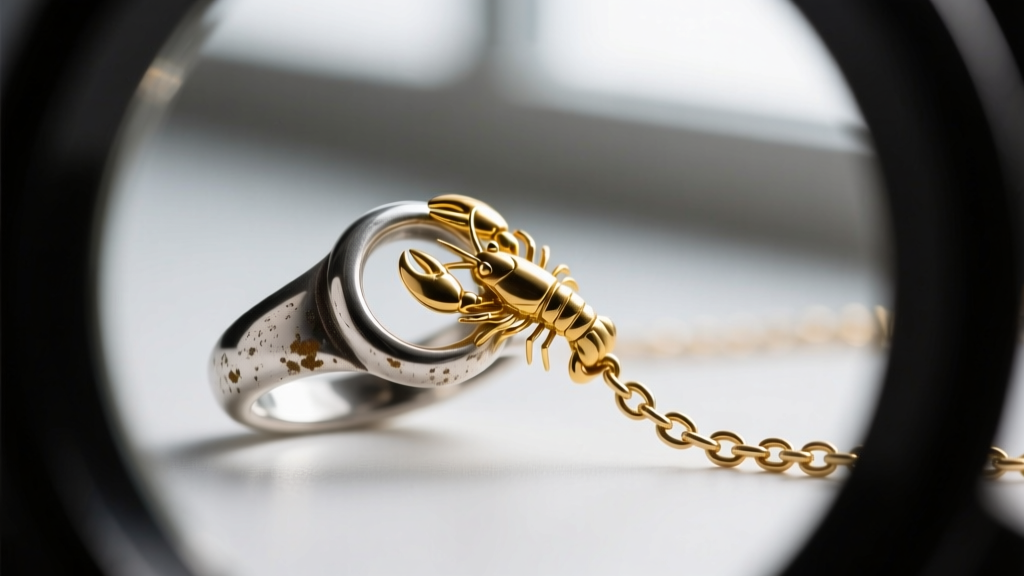
If your spring ring clasp is sticking, failing to close, or showing signs of metal fatigue at the solder joint, it is time for an upgrade. Take the necklace to a bench jeweler and request a 5mm or 6mm solid gold lobster clasp. A lobster clasp features a heavier internal spring and a thicker cast body, reducing the risk of accidental unclasping. Ensure the jeweler uses a laser welder to attach the new jump ring to the chain, as traditional torch soldering can melt the delicate 1.2mm chain links or scorch the nearby enamel pendant if not properly shielded.
Untangling Micro-Cable Chains Without Breaking Them
When a fine gold chain knots upon itself, pulling it tight will cause work-hardening, leading to a microscopic snap. To troubleshoot a severe knot, lay the necklace flat on a non-porous surface. Apply a single drop of mineral oil or baby oil directly to the knot. Using two sewing needles or fine tweezers, gently work the center link of the knot outward. The oil reduces the friction coefficient between the gold links, allowing them to slide past one another without binding. Once untangled, wash the chain in warm soapy water to remove the oil residue, which can otherwise attract dust and dirt.
The Ultrasonic Cleaner Trap
Many well-meaning owners drop their gold cherry necklaces into home ultrasonic cleaners, only to pull out a pendant with shattered or completely detached enamel. Ultrasonic cleaners work via cavitation—generating high-frequency sound waves that create microscopic bubbles in the liquid. When these bubbles implode against the jewelry, they release localized shockwaves. While this is excellent for blasting dirt out of diamond settings, the shockwaves will easily shatter vitreous glass enamel and peel cold resin enamel right off the gold base. According to Jewelers of America, enameled jewelry, opals, and pearls should never be subjected to ultrasonic vibrations. Stick to manual, gentle cleaning methods to preserve the structural integrity of the enamel fill.
Expert Maintenance Schedule
To keep your gold cherry necklace in pristine condition, adopt a proactive maintenance routine. Remove the necklace before swimming (chlorine destroys gold alloys and degrades resin) and before applying lotions or perfumes, which can leave a cloudy film over the enamel. Once a month, wipe the pendant with a clean, lint-free microfiber cloth to remove acidic skin oils that accelerate vermeil tarnishing. Store the piece flat in an anti-tarnish ziplock bag with a silica gel packet to control ambient moisture. By understanding the material limitations of your specific piece and avoiding harsh chemical or mechanical cleaning traps, your cherry necklace will retain its vibrant, playful charm for decades.


