The 2026 Mother and Baby Necklace Budget & Value Guide
Discover the true value of a mother and baby necklace in 2026. We analyze material grades, chain durability, and pricing tiers to maximize your budget.

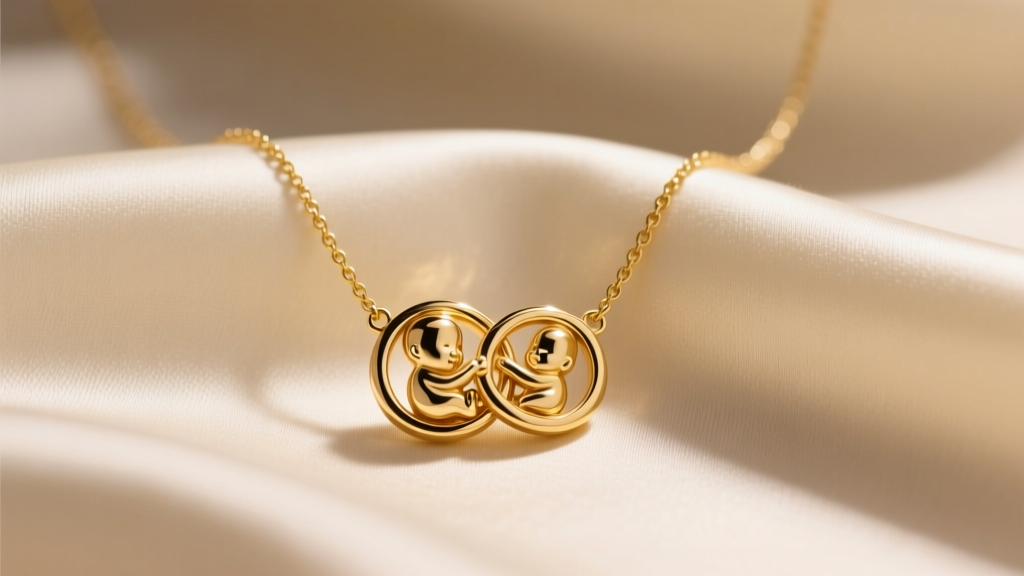
A mother and baby necklace is more than just an accessory; it is a tangible representation of an unbreakable bond. However, the emotional weight of this jewelry often clouds objective purchasing decisions, leading consumers to overpay for inferior materials or underestimate the hidden costs of poor craftsmanship. In 2026, the market is saturated with options ranging from $20 fast-fashion pendants to $2,000 bespoke heirlooms. As a buyer, how do you separate genuine value from sentimental markup?
This comprehensive budget and value assessment breaks down the exact material grades, chain mechanics, and pricing tiers you need to know. By understanding the failure modes of cheap alternatives and the long-term ROI of solid metals, you can invest in a mother and baby necklace that survives toddler tugs, daily wear, and the test of time.
The True Cost of Sentiment: 2026 Pricing Tiers
When evaluating a mother and baby necklace, the initial price tag only tells half the story. The true metric of value is the cost-per-wear combined with the piece's structural longevity. Below is a breakdown of the current market tiers and what you can realistically expect from each investment level.
| Tier | Price Range (2026) | Primary Materials | Expected Lifespan | Value Verdict |
|---|---|---|---|---|
| Budget | $25 - $85 | Brass base, flash gold plating (0.1 microns), cubic zirconia | 3 - 6 months | Poor. High risk of skin irritation and rapid tarnishing. |
| Mid-Range | $120 - $350 | Sterling silver, gold vermeil (2.5 microns), lab-grown accents | 2 - 5 years | Good. Best for trend-conscious buyers, but requires careful maintenance. |
| Heirloom | $450 - $1,200+ | Solid 14k/18k gold, platinum, natural or high-grade lab gemstones | Generations | Excellent. Highest upfront cost but lowest cost-per-wear over a lifetime. |
Material Value Assessment: Plating vs. Solid Alloys
The most common trap in the keepsake jewelry market is misleading terminology regarding gold finishes. To assess true value, you must look at the micron thickness of the gold layer and the base metal beneath it.
The FTC Standard for Vermeil
According to the Federal Trade Commission (FTC) Jewelry Guides, a piece can only be legally marketed as 'Gold Vermeil' if it consists of a sterling silver base coated with at least 2.5 microns of 10k gold or higher. Many budget brands sell 'gold plated' jewelry, which typically features a mere 0.5 microns of gold over a brass or copper base.
The Failure Mode: Flash-plated brass necklaces will oxidize rapidly when exposed to the slightly acidic pH of human sweat. Within months, the gold rubs off at high-friction areas (like the clasp and the pendant bail), leaving a greenish-black residue on the skin. If you are on a strict budget, opt for solid .925 sterling silver over gold-plated brass. Silver may tarnish, but it can be polished back to its original luster indefinitely, whereas worn plating cannot be restored without expensive re-dipping.
Solid Gold: 10k vs. 14k vs. 18k
If your budget allows for solid gold, you are paying for intrinsic metal value and permanent tarnish resistance.
- 10k Gold (41.7% pure): The most durable and scratch-resistant option due to its high alloy content. Ideal for active mothers, but lacks the rich yellow hue of higher karats.
- 14k Gold (58.3% pure): The sweet spot for value and aesthetics. It offers excellent tensile strength to support pendants while maintaining a warm, classic color.
- 18k Gold (75% pure): Hypoallergenic and deeply saturated in color, but significantly softer. It is more prone to micro-scratches and commands a 30-50% price premium over 14k.
Chain Mechanics: The Hidden Value Killers
A pendant is only as secure as the chain that holds it. When assessing the value of a mother and baby necklace, the chain's gauge (thickness) and clasp mechanics are critical, especially considering the inevitable scenario of a toddler grabbing the jewelry.
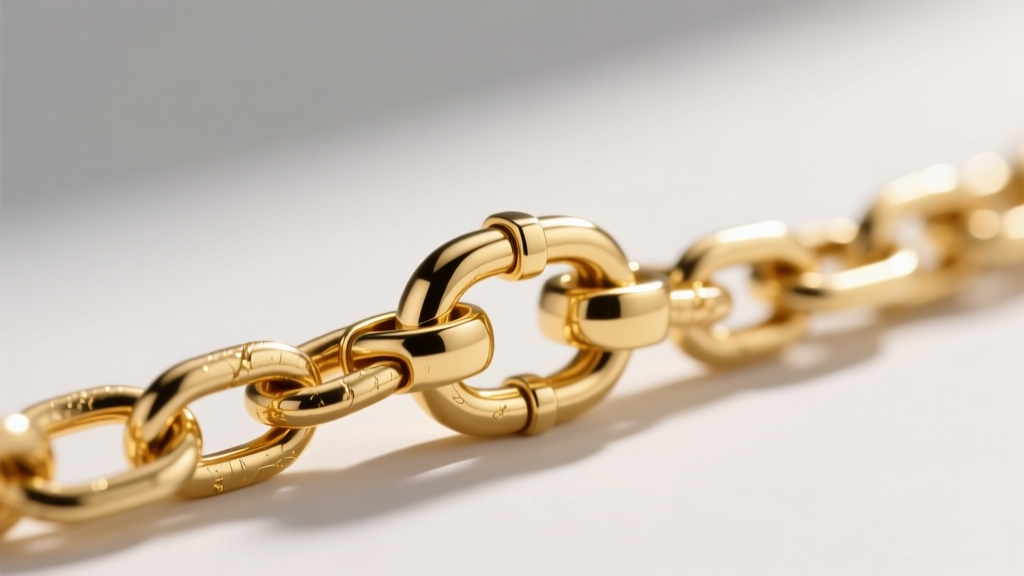
Gauge Thickness and Tensile Strength
Many mid-range brands cut costs by pairing heavy solid gold pendants with ultra-thin 0.8mm cable chains. This is a structural liability. A 0.8mm chain has a low tensile threshold and will easily snap under the sudden, jerking force of a child's pull.
The Expert Recommendation: Always verify the chain gauge before purchasing. For a mother and baby pendant, the chain should be a minimum of 1.2mm to 1.5mm in thickness. Furthermore, the chain style dictates its strength:
- Box Chains: Excellent value. The interlocking square links distribute tension evenly, making them highly resistant to snapping.
- Wheat (Spiga) Chains: Superior durability. The woven, braided structure offers immense tensile strength, though it comes at a higher manufacturing cost.
- Cable Chains: Traditional but vulnerable. If the links are not soldered shut, a single bent link can cause the entire chain to unravel.
Clasp Hardware
Never accept a spring-ring clasp on a necklace meant for daily, active wear. Spring rings rely on a tiny, easily corroded internal spring that frequently fails or gets stuck. Insist on a lobster clasp. Lobster clasps feature a solid, spring-loaded lever mechanism that is vastly more secure and easier to operate with one hand—a crucial functional detail for busy mothers.
Birthstone Accents: Natural vs. Lab-Created Value
Adding a baby's birthstone to a pendant elevates the sentimental value, but it can severely impact the financial value and durability of the piece if chosen incorrectly.
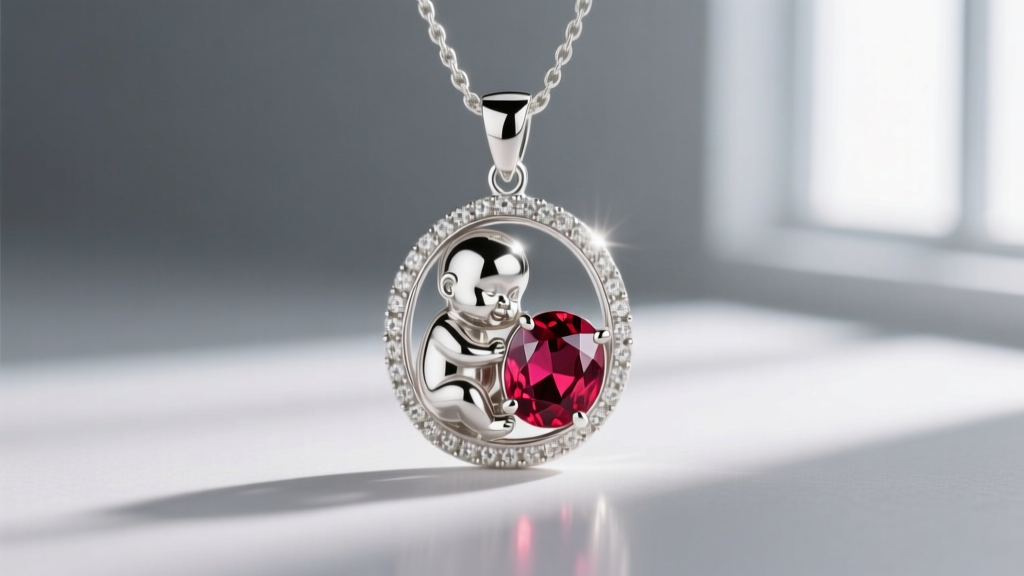
According to gemological research from the Gemological Institute of America (GIA), lab-created gemstones possess the exact same chemical, physical, and optical properties as their mined counterparts, but at a fraction of the cost. This makes them an exceptional value proposition for keepsake jewelry.
The Durability Deficit of Certain Natural Stones
Consider the natural emerald (May birthstone). Natural emeralds are heavily included (fractured internally) and rate a 7.5 to 8 on the Mohs hardness scale. They are notoriously brittle and can shatter if the pendant is knocked against a hard surface. Conversely, a lab-created hydrothermal emerald or a lab-created sapphire (Mohs 9) offers vastly superior impact resistance.
Budget Rule of Thumb: Allocate your budget toward the metal quality (e.g., upgrading from vermeil to solid 14k gold) rather than paying a premium for small, natural birthstones. A 2mm natural diamond or ruby accent adds $150-$300 to the retail price but offers minimal visual impact compared to a high-quality lab-grown alternative that costs $30.
Customization: Engraving Costs and ROI
Engraving a baby's initials or birthdate transforms a generic pendant into a unique heirloom. However, the method of engraving affects both the price and the longevity of the text.
- Laser Engraving ($15 - $35): Uses a focused light beam to etch the metal. It is highly precise, allowing for microscopic text and complex fonts. However, on gold-filled or vermeil pieces, deep laser engraving can burn through the gold layer, exposing the base metal to oxidation.
- Hand Engraving ($75 - $150+): Performed by a master artisan using a graver tool to physically carve the metal. This technique displaces the metal rather than burning it, creating a deep, luminous cut that will last centuries. Hand engraving significantly increases the heirloom value of solid gold pieces.
The JewelStyleRadar Value Framework
To maximize your ROI on a mother and baby necklace in 2026, apply this final decision-making framework before checking out:
- Prioritize the Chain: Ensure the chain is at least 1.2mm thick and features a lobster clasp. A broken chain renders the most beautiful pendant useless.
- Verify the Plating: If buying gold-tone on a budget, demand 'Gold Vermeil' (2.5 microns over .925 silver) and avoid unverified 'gold plated' brass.
- Choose Lab Gemstones: Opt for lab-created birthstones to ensure Mohs 9 durability without the natural gemstone markup.
- Invest in Solid Metal for Heirlooms: If the piece is meant to be passed down to the child in the future, bypass vermeil entirely and invest in solid 14k gold.
By focusing on structural integrity and material transparency over marketing hype, you can secure a mother and baby necklace that honors your bond without compromising your financial boundaries.


