A Beginner's Guide to Buying an Authentic Black Coral Necklace
Learn how to identify, buy, and care for an authentic black coral necklace. Discover CITES rules, pricing, and styling tips in our guide.

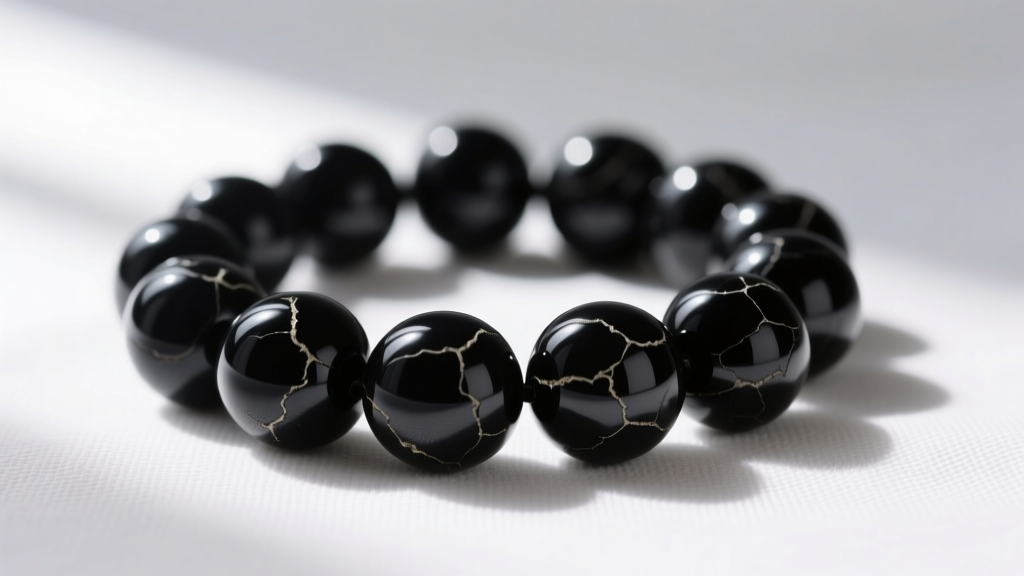
When building a meaningful jewelry collection, few materials carry the mystique, history, and organic beauty of a genuine black coral necklace. Unlike traditional gemstones mined from the earth, black coral is a marine treasure that requires specialized knowledge to source ethically and authenticate correctly. For beginners, the market can be a minefield of dyed imitations, plastic fakes, and illegal imports. This comprehensive guide will walk you through the biology, legalities, authentication methods, and care routines you need to know before investing in this striking organic gem.
What Exactly is Black Coral? (Antipatharia Explained)
To the untrained eye, all coral seems similar. However, black coral belongs to the order Antipatharia, which is fundamentally different from the calcium carbonate reef-building corals (like red or pink precious coral). Black coral is not made of calcium; its skeleton is composed almost entirely of conchiolin, a complex, keratin-like protein. This is the same organic family that includes tortoiseshell, rhino horn, and human hair.
Because of its proteinaceous makeup, black coral possesses unique physical properties:
- Mohs Hardness: 3 to 4 (relatively soft, similar to amber or pearl).
- Specific Gravity: 1.30 to 1.50 (it feels surprisingly lightweight compared to stone).
- Structure: It grows in tree-like colonies in deep, dark ocean waters (often 50 to 300 meters deep), featuring a central pith surrounded by concentric growth rings, much like a tree trunk.
When polished, the dark brown or black skeletal core reveals a beautiful, matte-to-semi-gloss finish that warms quickly against the skin, making it an incredibly comfortable material for a necklace.
The Legal Landscape: CITES and Ethical Sourcing
The most critical aspect of buying a black coral necklace is understanding international conservation laws. Due to overharvesting and their slow growth rate (some species grow just a few millimeters per year), all black corals are listed under CITES Appendix II. This does not mean a total ban, but it strictly regulates international trade to ensure it is sustainable and legal.
If you are buying a black coral necklace from a foreign country or ordering one online from an international seller, the shipment must be accompanied by a CITES export permit. Without this document, the necklace can be seized by customs, and you may face heavy fines.
The Hawaii Exception: The only legal, commercially managed black coral fishery in the United States is located in Hawaii. The Hawaii Department of Land and Natural Resources (DLNR) strictly manages this fishery, requiring divers to harvest only mature colonies (minimum base diameter of 1 inch) using sustainable methods. Purchasing vintage or newly crafted pieces from certified Hawaiian jewelers is generally the safest route for US buyers seeking ethical, legal black coral.
How to Spot Authentic Black Coral vs. Imitations
Because genuine black coral is rare and heavily regulated, the market is flooded with imitations. The most common substitutes are dyed buffalo horn, black onyx, and black plastic. Here is how gemologists and experienced collectors separate the real deal from the fakes.
1. The Visual and Tactile Tests
Genuine black coral is never perfectly, uniformly black like a piece of glass. Under strong light, you may see subtle brownish undertones or longitudinal grooves along the length of the bead. Furthermore, because it is organic, it will feel warm to the touch immediately, whereas glass or stone (like onyx) will feel cold.
2. The Cross-Section Test
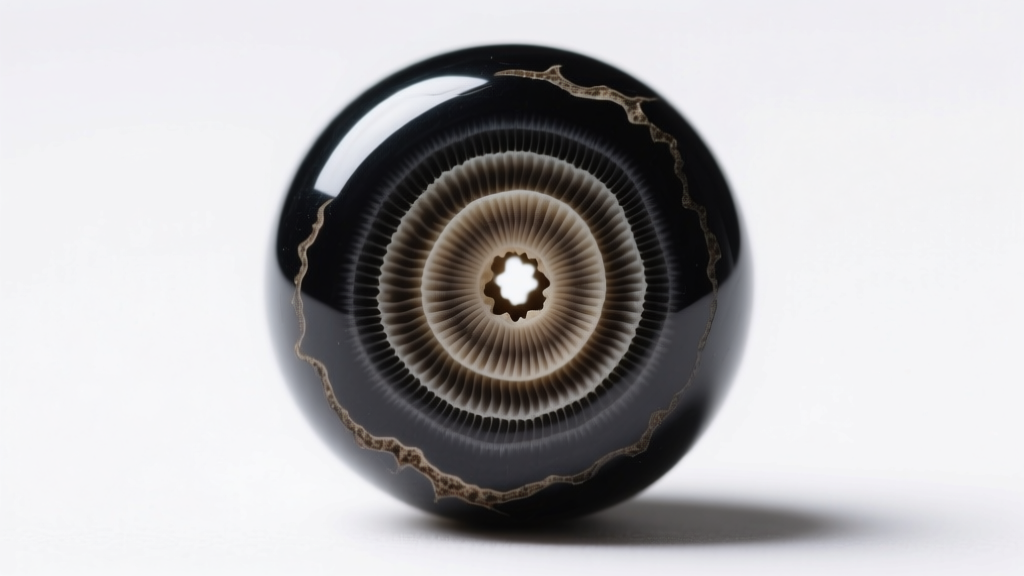
If you are buying a strand of beads, look closely at the drill holes. Authentic black coral will reveal concentric "tree rings" radiating from a tiny central pith hole. Dyed horn, by contrast, will show parallel, longitudinal lines (like wood grain) rather than concentric rings.
3. The Hot Pin Test (Destructive)
While not recommended for expensive finished jewelry, heating a needle until red-hot and touching it to an inconspicuous area of the bead is a definitive test. Real conchiolin will smell exactly like burnt hair and leave a tiny, dark burn mark. Plastic will melt, smell acrid, and stick to the pin. Dyed horn will also smell like burnt hair, which is why the cross-section test is necessary to tell them apart.
Comparison Chart: Black Coral vs. Common Imitations
| Feature | Authentic Black Coral | Dyed Buffalo Horn | Black Onyx / Glass |
|---|---|---|---|
| Material | Conchiolin (Protein) | Keratin (Protein) | Calcium Carbonate / Silica |
| Cross-Section | Concentric tree rings | Parallel longitudinal lines | No organic growth rings |
| Weight (SG) | Light (1.3 - 1.5) | Light (1.3 - 1.4) | Heavy (2.6+) |
| UV Fluorescence | Often pale yellow/green | Inert or weak | Inert |
Pricing Guide: What Should You Pay?
Pricing for a black coral necklace varies wildly based on the origin, bead size, and craftsmanship. Because large-diameter raw branches are incredibly rare, bead size is the primary driver of cost. Expect to pay a premium for pieces with verifiable Hawaiian origin or vintage provenance (such as classic Maui Divers pieces from the 1970s and 80s).
Estimated Market Rates (2026)
| Necklace Type | Bead Size / Style | Estimated Price Range |
|---|---|---|
| Seed Bead Strand | 2mm - 3mm | $40 - $90 |
| Standard Round Beads | 4mm - 6mm | $120 - $250 |
| Large Statement Beads | 8mm - 12mm+ | $350 - $800+ |
| Carved Pendants / Cabochons | Varies (Intricate carving) | $200 - $1,000+ |
Note: If you see a thick, 10mm black coral bead necklace selling for $30 online, it is almost certainly dyed horn or plastic. Authentic large beads command high prices due to the scarcity of thick raw coral trunks.

Care and Maintenance Rules
Because black coral is a relatively soft, porous organic material, it requires specific care to prevent drying, cracking, or chemical damage. Treat your black coral necklace with the same caution you would apply to fine pearls.
- Avoid Ultrasonic Cleaners: The high-frequency vibrations can easily fracture the organic structure of the coral.
- Keep Away from Chemicals: Hairspray, perfume, lotions, and household cleaners can strip the polish and degrade the conchiolin. Always put your necklace on after applying cosmetics.
- Wipe Down After Wear: Body oils and sweat are slightly acidic. Gently wipe the beads with a soft, slightly damp microfiber cloth after taking them off.
- Periodic Oiling: In very dry climates, black coral can dry out and develop micro-cracks. Once or twice a year, lightly rub the beads with a drop of pure mineral oil on a soft cloth to restore moisture and luster. Wipe off any excess.
Styling Your Black Coral Beads
Black coral is remarkably versatile. Its deep, matte-black finish acts as a neutral, but its organic texture gives it an edge that polished onyx lacks.
For a classic, elegant look, pair a 4mm or 6mm black coral strand with gold clasps and spacers. The contrast between the warm, dark organic material and bright yellow or rose gold is visually stunning and works beautifully against cream, white, or camel-colored fabrics.
For a modern, bohemian aesthetic, layer a longer black coral lariat or pendant necklace with turquoise, lapis lazuli, or raw amber beads. The dark coral grounds the brighter colors and adds a sophisticated, earthy anchor to the layering stack.
Expert Styling Tip: Because black coral has a low reflectance (it absorbs light rather than bouncing it back like faceted gems), it pairs best with matte or brushed metals rather than high-shine rhodium or polished silver. Brushed 14k gold or oxidized sterling silver complements the coral's natural, understated elegance perfectly.
Investing in a black coral necklace is an investment in marine history and artisanal craftsmanship. By understanding the biological uniqueness of Antipatharia, respecting CITES regulations, and knowing how to authenticate the material, you can confidently add this rare organic gem to your collection.


