Restore and Repair Your Shell Mermaid Necklace: Expert Fixes
Fix your dull or tarnished shell mermaid necklace with expert troubleshooting tips. Learn how to clean, restore, and protect ocean-inspired jewelry.

The Anatomy of Shell Mermaid Necklace Failures
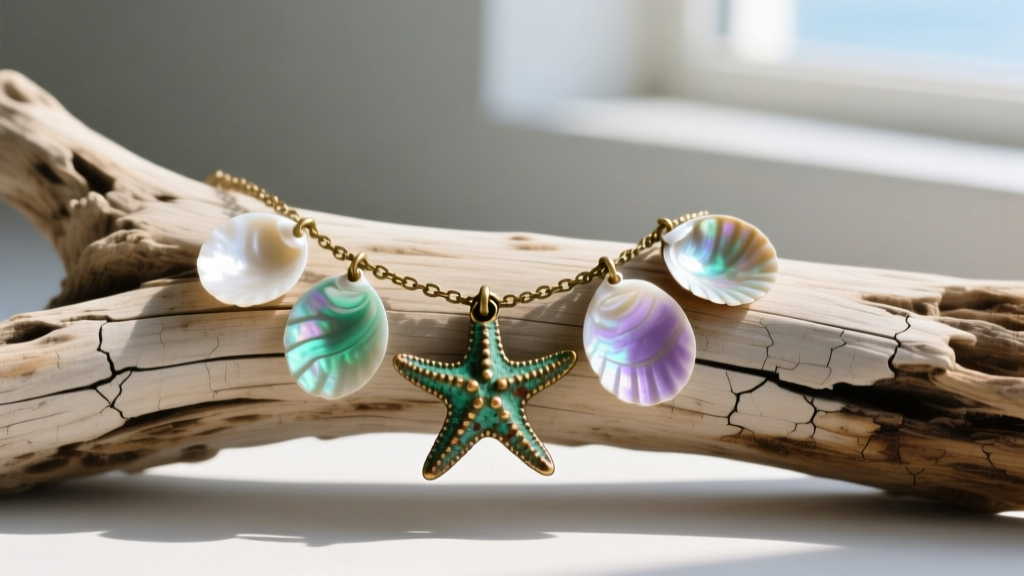
Ocean-inspired jewelry captures the magic of the coast, but the reality of wearing a shell mermaid necklace daily often leads to rapid deterioration. Whether you are wearing a vintage puka shell choker or a modern abalone mermaid tail pendant, the combination of organic marine materials and base metals creates a perfect storm for damage. In 2026, jewelers see a massive influx of coastal jewelry that has been ruined by improper care, sweat exposure, and cheap manufacturing shortcuts.
To troubleshoot your jewelry effectively, you must understand the chemistry at play. Natural shells—whether Haliotis rufescens (red abalone) or Pinctada maxima (mother-of-pearl)—are primarily composed of calcium carbonate (CaCO3). Human sweat has a pH between 4.5 and 7.0 and contains lactic acid, urea, and salt. When acid meets calcium carbonate, it creates a chemical reaction that dissolves the shell's surface, leaving it chalky, brittle, and stripped of its natural nacre luster. Meanwhile, the metallic mermaid charms (starfish, tridents, and tails) are often cast from cheap brass alloys that oxidize rapidly when exposed to saltwater and humidity.
Troubleshooting 1: Chalky, Dull, or Discolored Shells
The Nacre Stripping Problem
If the shells on your necklace look cloudy, white, or feel rough to the touch, the nacre layer has been micro-etched by acidic skin oils or harsh commercial jewelry cleaners. A common and disastrous mistake is placing a shell mermaid necklace in an ultrasonic cleaner. The high-frequency vibrations exploit micro-fractures in the organic material, causing the shells to shatter or delaminate.
The Restoration Protocol
While severe calcium loss is irreversible, you can restore the optical luster of mildly damaged shells using a gentle, non-abrasive protocol:
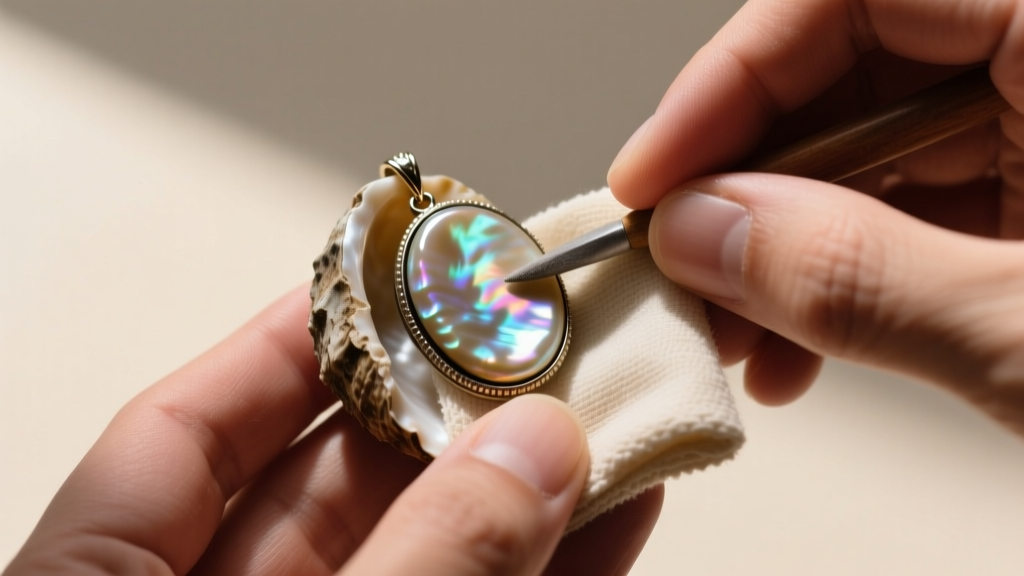
- Step 1: Neutralize and Clean. Mix distilled water with a single drop of pH-neutral Castile soap. Dip a soft microfiber cloth into the solution and gently wipe each shell. Never submerge the entire necklace, as water can become trapped in the drill holes and rot the suspension cord.
- Step 2: Hydrate the Nacre. Once completely dry, apply a microscopic amount of pure jojoba oil to a cotton swab and buff the shells. Jojoba oil closely mimics natural sebum and penetrates the porous surface without turning rancid.
- Step 3: Seal the Surface. For high-wear pieces, apply a micro-thin layer of Renaissance Wax. This museum-grade microcrystalline wax creates a breathable barrier against lactic acid and salt.
According to the Gemological Institute of America (GIA), organic gems like pearls and shells require strict avoidance of ultrasonic cleaners, steamers, and ammonia-based solutions to maintain their structural integrity and optical luster over time.
Troubleshooting 2: Green Skin and Tarnished Mermaid Charms
The most frequent complaint regarding coastal jewelry is the dreaded 'green neck.' This is not an allergic reaction; it is galvanic corrosion. The mermaid charms and starfish pendants are frequently cast from CuZn39Pb3 (a common leaded brass) and plated with a microscopic layer of gold flash. Once sweat wears through the plating, the copper in the brass reacts with oxygen and chloride (salt) to form copper chloride—a green compound that stains your skin.
Metal Grading and Reaction to Sweat/Saltwater
| Material Grade | Saltwater Resistance | Tarnish Risk | Expert Fix / Upgrade Path |
|---|---|---|---|
| Gold-Plated Brass | Very Low | High (Turns skin green) | Strip plating, coat with clear jeweler's epoxy, or replace charm. |
| 316L Surgical Steel | High | Low (May dull over time) | Polish with a jeweler's rouge cloth to restore shine. |
| Solid 14k Gold | Excellent | Very Low | Wash with mild soap; no structural upgrades needed. |
| Sterling Silver (925) | Moderate | High (Black sulfide tarnish) | Use a specialized silver dip, but remove shells first. |
The Citric Acid Paradox
If your brass or copper mermaid charms are heavily oxidized, standard metal polishes will ruin the adjacent shells. You must physically remove the charms from the necklace before treating them. Submerge the metal charms in a mild citric acid bath (lemon juice and salt) for exactly 3 to 5 minutes to strip the copper chloride. Rinse thoroughly with distilled water, dry immediately, and reattach. Never apply acid-based cleaners while the charms are still strung with natural shells.
Troubleshooting 3: Fraying Cords and Clasp Failures
A shell mermaid necklace is only as strong as its suspension system. Many mass-produced coastal necklaces use hemp, cotton, or cheap leather cords. These organic fibers absorb sweat and saltwater, creating an environment where salt crystals form inside the cord. These microscopic crystals act like tiny saw blades, slicing through the fibers from the inside out every time the necklace bends.
Upgrading the Suspension System
If your cord is showing signs of fraying, stiffness, or discoloration near the clasp, it is a critical failure point waiting to snap. You must upgrade to marine-grade materials.
Expert Tip: Never use cyanoacrylate (Super Glue) to seal knots near natural shells. The outgassing process releases fumes that will permanently fog and etch the surface of abalone and mother-of-pearl. Always use GS Hypo Cement, which dries clear and remains flexible.
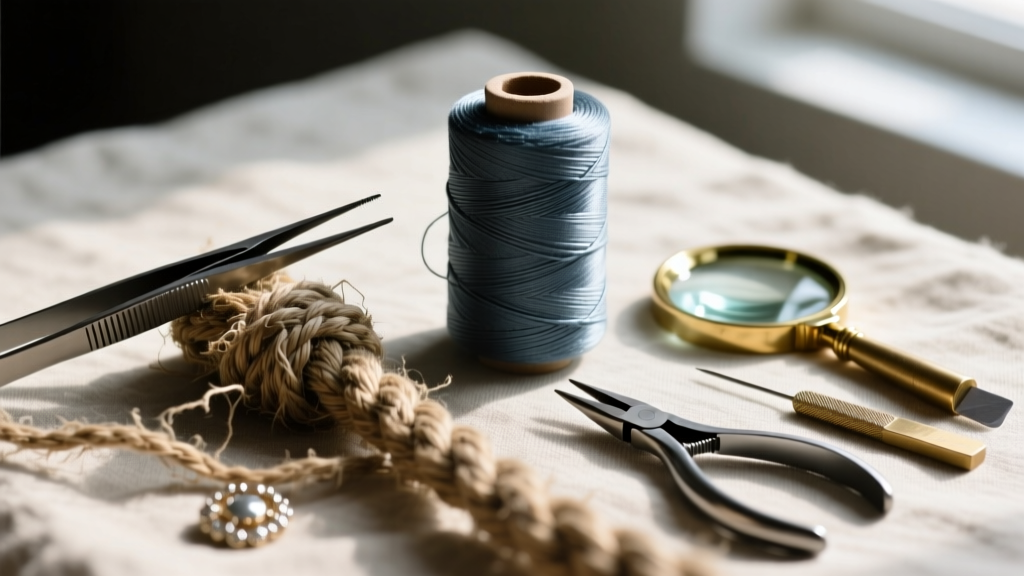
When restringing your necklace, discard the hemp and opt for Serafil polyester thread or marine-grade waxed polyester cord. These synthetic materials boast a breaking strength of over 45 lbs and are entirely impervious to saltwater degradation and rot. When tying off the ends, use a double surgeon's knot, apply a pinpoint drop of GS Hypo Cement to the knot, and trim the excess flush with a pair of precision flush-cutters.
Preventative Maintenance: The 2026 Care Standard
Preventing damage is infinitely easier than restoring a degraded shell mermaid necklace. The modern standard for coastal jewelry care requires a proactive approach to environmental exposure. Jewelers of America consistently advises that organic and porous materials should be the last thing you put on when getting dressed, and the first thing you take off when you return home.
- The 'Last On, First Off' Rule: Apply all perfumes, sunscreens, and hair products before putting on your necklace. The alcohol and chemical UV filters in modern sunscreens are highly aggressive and will dissolve the nacre on shells within hours of direct contact.
- The Freshwater Rinse: If you wear your necklace in the ocean or a chlorinated pool, you must rinse it under gentle, lukewarm freshwater immediately afterward. Do not use high water pressure, which can force water into the drill holes and weaken the internal cord structure.
- Proper Storage: Never store your necklace in a plastic ziplock bag. Plastic traps ambient moisture, accelerating the oxidation of metal charms and promoting mold growth on natural cords. Store the piece in a breathable cotton pouch with a small silica gel desiccant packet to control humidity.
Conclusion
A shell mermaid necklace is a beautiful intersection of organic marine life and metallic artistry, but it demands informed maintenance. By understanding the chemical vulnerabilities of calcium carbonate, upgrading cheap base metals, and replacing rot-prone cords with marine-grade synthetics, you can rescue your favorite coastal jewelry from the brink of destruction. With the right troubleshooting techniques and a commitment to preventative care, your ocean-inspired pieces will retain their magic and structural integrity for years to come.


