Troubleshooting a Silver Gemstone Necklace: Fixes & Care
Learn how to troubleshoot common silver gemstone necklace issues like tarnish, loose stones, and broken chains with expert repair and cleaning tips.

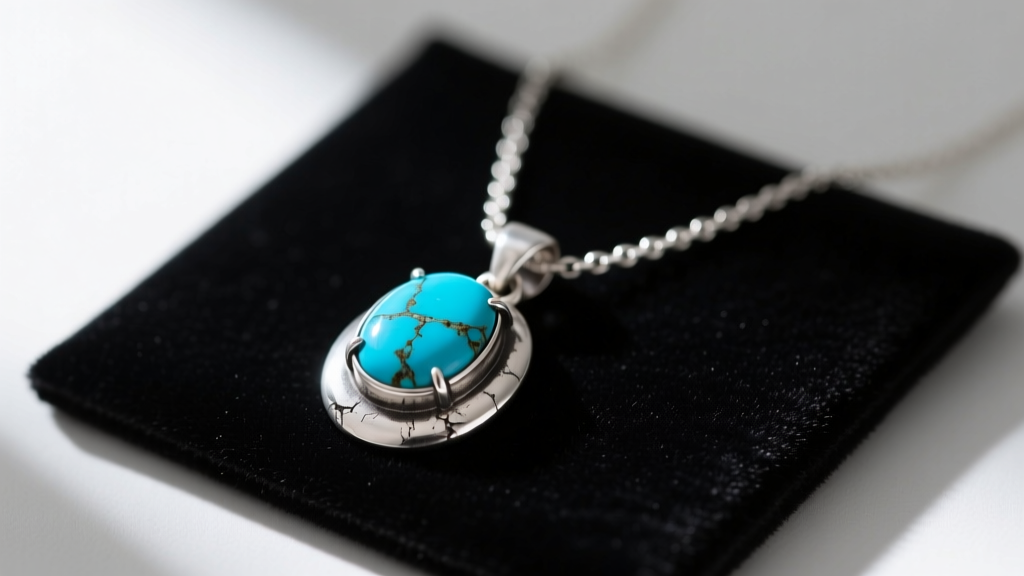
A beautiful silver gemstone necklace is a staple of any jewelry collection, but it is also a high-maintenance piece that requires specific care. Unlike solid gold or platinum, sterling silver is a reactive alloy, and the gemstones set within it often have unique physical vulnerabilities. When your favorite piece starts showing signs of wear—whether it is a darkened chain, a rattling stone, or a snapped clasp—knowing how to accurately diagnose and troubleshoot the issue can save you hundreds of dollars in unnecessary jeweler fees.
In this comprehensive troubleshooting guide, we break down the most common failure points of a silver gemstone necklace, from chemical tarnishing and prong fatigue to chain gauge mismatches, providing actionable, expert-level solutions for each.
Diagnosing Sterling Silver Tarnish vs. Plating Wear
The most frequent complaint regarding silver jewelry is discoloration. However, not all darkening is tarnish. Standard 925 sterling silver contains 92.5% pure silver and 7.5% copper. It is the copper that reacts with hydrogen sulfide and moisture in the air to create silver sulfide, the blackish film we call tarnish. Conversely, many modern silver necklaces are flash-plated with rhodium or fine silver to delay this process. When the plating wears off, the underlying sterling silver is exposed and rapidly oxidizes.
The Gemstone Cleaning Trap
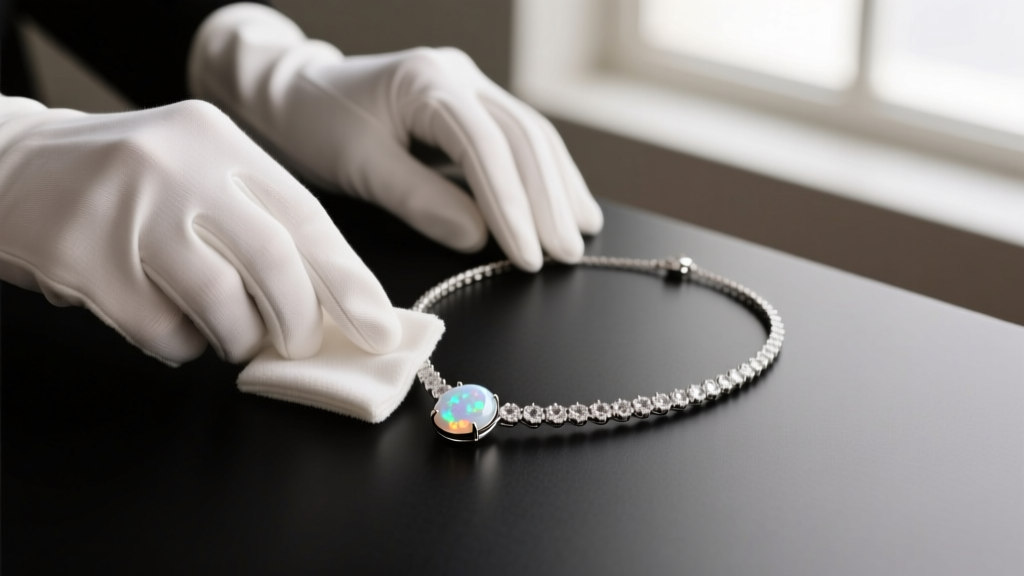
When attempting to remove tarnish, the biggest mistake consumers make is using commercial liquid silver dips. These dips contain thiourea and harsh acids that strip tarnish instantly but will permanently destroy porous gemstones. If your silver gemstone necklace features turquoise, opal, malachite, lapis lazuli, or pearls, never submerge it in a chemical bath. The porous surface of these stones will absorb the chemicals, leading to irreversible color bleaching and structural crumbling.
- Safe Fix for Porous Stones: Use a treated jeweler's polishing cloth (like a Sunshine Cloth) and carefully buff only the metal bezel and chain, folding the cloth to avoid touching the gemstone.
- Safe Fix for Hard Stones (Diamond, Sapphire, Ruby): You can use a mild dish soap and warm water bath with a soft baby toothbrush, followed by a gentle silver polish on the metal components.
Troubleshooting Loose Gemstones in Bezel and Prong Settings
If you hold your necklace to your ear and hear a faint rattle, or if you notice the gemstone shifting when you run your fingernail over it, the setting has failed. Gemstone loss is rarely due to the metal 'melting' or stretching on its own; it is almost always caused by mechanical stress, such as the pendant catching on knitwear or being dropped on a hard surface.
| Setting Style | Common Failure Mode | DIY Feasibility | Professional Repair Fix |
|---|---|---|---|
| Bezel Setting | The metal rim is pushed back or dented, releasing the stone's girdle. | Low (Requires specific tools) | Jeweler uses a bezel pusher and burnisher to re-seat the metal tightly against the stone. |
| Prong Setting | Prongs snag and lift, or metal fatigue causes a prong to snap entirely. | None (High risk of chipping stone) | Prong re-tipping using silver solder, followed by filing and polishing. |
| Tension Setting | Silver loses its 'spring' memory over time, loosening the grip on the stone. | None | Requires complete shank replacement or upgrading to a stronger alloy like Argentium. |
According to the Gemological Institute of America (GIA), prong settings should be inspected with a 10x jeweler's loupe every six months. If you see a gap between the metal prong and the crown of the gemstone, stop wearing the necklace immediately and take it to a professional for re-tipping.
Chain Breakage and Clasp Malfunctions
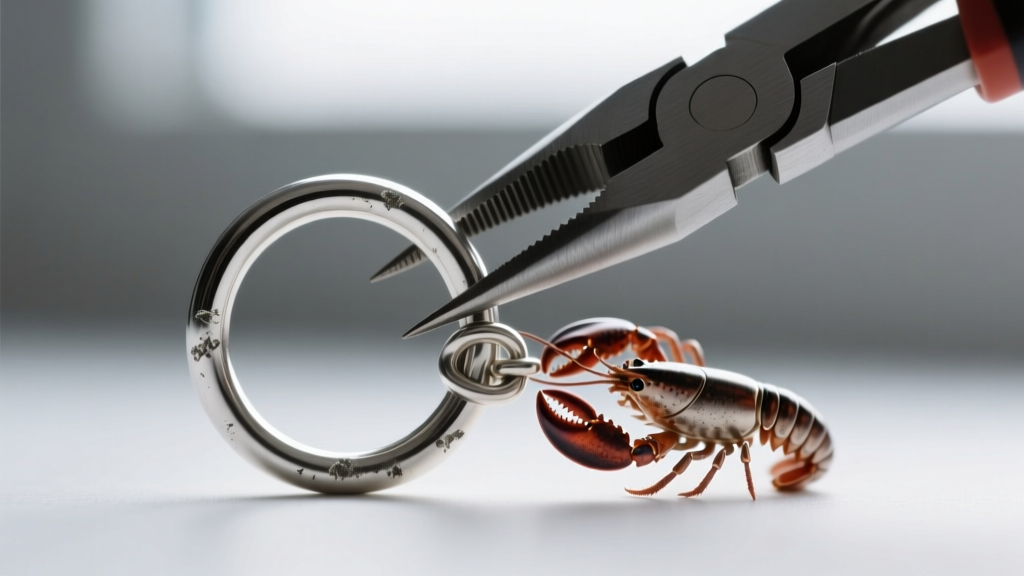
A broken chain is often a symptom of a weight mismatch rather than a defect in the silver itself. Many mass-market silver gemstone necklaces pair heavy, oversized gemstone pendants with delicate 0.8mm cable chains. This puts immense tensile stress on the jump ring—the small circular link that connects the pendant to the chain.
Gauge Sizing and Weight Ratios
To troubleshoot frequent chain breakage, you must evaluate the wire gauge. A standard 20-gauge (0.81mm) jump ring will easily pull apart if the pendant weighs more than 10 grams. If your pendant is heavy (e.g., a large cabochon or a dense crystal cluster), you need to upgrade the connection hardware.
"The weakest point of any necklace is the jump ring. If it is not soldered shut, a heavy pendant will eventually pull the gap open, sliding right off the chain. Always opt for soldered jump rings or a heavier 16-gauge (1.29mm) split ring for pendants exceeding 15 grams." — Master Bench Jeweler
Furthermore, lobster clasps frequently fail because the internal steel spring rusts or the silver lever bends. If your clasp feels 'mushy' when you press the lever, the internal mechanism is compromised. Replace it with a solid silver spring ring or a magnetic neodymium clasp for easier, more secure fastening.
The 'Green Skin' and Allergy Problem
If your silver gemstone necklace leaves a green or black smudge on your chest, or causes contact dermatitis, you are not necessarily allergic to silver. Pure silver is hypoallergenic. The reaction is caused by the 7.5% copper alloy in 925 sterling silver oxidizing against your skin's natural acidity, sweat, and lotions.
Actionable Solutions:
- The Rhodium Barrier: Have a local jeweler electroplate the back of the pendant and the chain with rhodium. This creates a permanent, hypoallergenic barrier that also prevents tarnish.
- Upgrade to Argentium Silver: If you are commissioning a custom piece or buying a replacement, look for Argentium silver. This modern alloy replaces some of the copper with germanium, making it highly tarnish-resistant and significantly less likely to cause copper-induced skin reactions.
- The Polish Trick (Temporary): For a quick, at-home fix on the pendant backing, apply a thin coat of clear, non-yellowing nail polish to the metal that touches your skin. Reapply every few months.
Preventative Maintenance Framework
Troubleshooting is only half the battle; preventing the issues from occurring in the first place will extend the life of your silver gemstone necklace by decades. The Silver Institute recommends a strict protocol for storing and wearing reactive metals.
- Anti-Tarnish Storage: Store the necklace in an airtight ziplock bag with a 3M anti-tarnish strip or a piece of standard blackboard chalk, which absorbs ambient moisture.
- The 'Last On, First Off' Rule: Always put your silver jewelry on after applying perfumes, hairsprays, and lotions. The alcohol and volatile organic compounds in cosmetics accelerate the breakdown of silver alloys and can cloud the polish of soft gemstones.
- Friction Polishing: Simply wearing your silver necklace regularly against your skin and clothing provides a mild, continuous friction that naturally slows down the buildup of heavy silver sulfide tarnish.
By understanding the metallurgy of sterling silver and the physical properties of your specific gemstones, you can confidently diagnose issues, perform safe at-home maintenance, and know exactly when to hand the piece over to a professional bench jeweler.


