Fixing Unique Necklaces: Troubleshooting & Care Tips
Discover expert troubleshooting for unique necklaces. Learn how to fix asymmetrical pendants, test mystery metals, and untangle delicate chains.

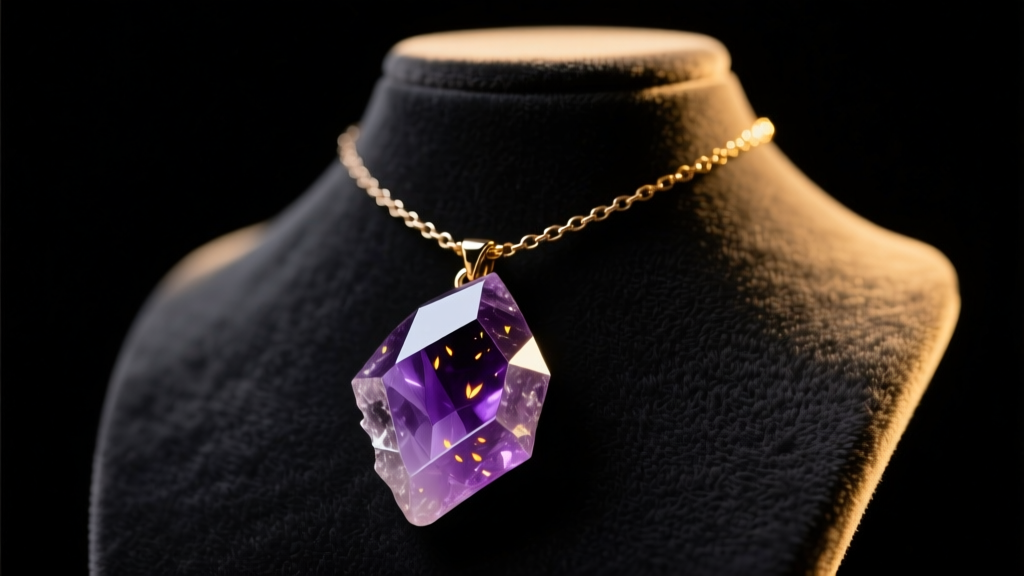
The Hidden Challenges of Artisan and Custom Jewelry
Unique necklaces—whether they are bespoke artisan pieces, vintage estate finds, or avant-garde designer creations—offer unparalleled self-expression. However, their unconventional designs often introduce structural and material vulnerabilities that mass-produced jewelry simply does not face. From asymmetrical weight distribution that causes the clasp to constantly migrate to the front of your neck, to mystery alloys that trigger sudden contact dermatitis, owning unconventional jewelry requires a specialized troubleshooting toolkit.
As we navigate the jewelry landscape in 2026, the surge in independent makers and upcycled materials means consumers are frequently buying pieces without standardized grading or manufacturing consistency. This guide bypasses generic care advice and dives deep into the metallurgical, physical, and mechanical troubleshooting required to maintain, repair, and comfortably wear your most unconventional necklaces.
Troubleshooting Matrix: Quick Fixes for Common Issues
Before diving into complex repairs, consult this diagnostic matrix to identify the root cause of your necklace woes and apply the appropriate intervention.
| Problem | Root Cause | Quick Fix (Temporary) | Permanent Solution |
|---|---|---|---|
| Pendant Sliding | Asymmetrical weight distribution | Silicone necklace sliding stopper | Add a hidden counterweight bead at the nape |
| Green Skin / Rash | Copper/nickel in mystery alloys | Clear nail polish or Renaissance Wax barrier | Professional rhodium plating or PVD coating |
| Severe Tangling | High-friction chains / multi-strands | Baby powder and straight pins | Upgrade to a magnetic neodymium clasp |
| Clasp Spring Failure | Metal fatigue in standard lobster clasps | Use a jewelry safety chain as backup | Solder on a heavy-duty parrot or carabiner clasp |
Issue 1: The Asymmetrical Pendant Slide
Physics of the Drape
One of the most frustrating issues with unique necklaces is the migrating clasp. This occurs when the pendant is either too heavy (typically over 25 grams) or positioned off-center on the chain. Gravity dictates that the heaviest point of the necklace will always seek the lowest possible point on the neckline. If you have a 40-gram raw geode pendant on a 45cm rope chain, the center of gravity will inevitably pull the lightweight clasp around to the front of your collarbone.
Hardware Solutions
The most elegant permanent fix is the introduction of a counterweight. A jeweler can seamlessly integrate a dense metal bead—such as a 15-gram sterling silver or tungsten tube bead—at the exact nape point (the back center) of the chain. This balances the torque and anchors the clasp behind your neck. If you prefer a non-destructive method, invest in a high-quality silicone sliding stopper. Unlike cheap plastic clasps that snap, medical-grade silicone stoppers grip the chain via friction and can be adjusted to create a makeshift counterbalance by bunching the excess chain at the back.
Issue 2: Mystery Metal Dermatitis
Artisan markets and vintage shops are rife with terms like 'white bronze,' 'Tibetan silver,' or 'German silver.' These are rarely pure silver; they are often copper-nickel-zinc alloys that can contain up to 30% nickel, a known allergen. According to the National Center for Biotechnology Information, nickel allergy affects nearly 20% of the population, manifesting as erythema and pruritus where the metal rests against the sternum.
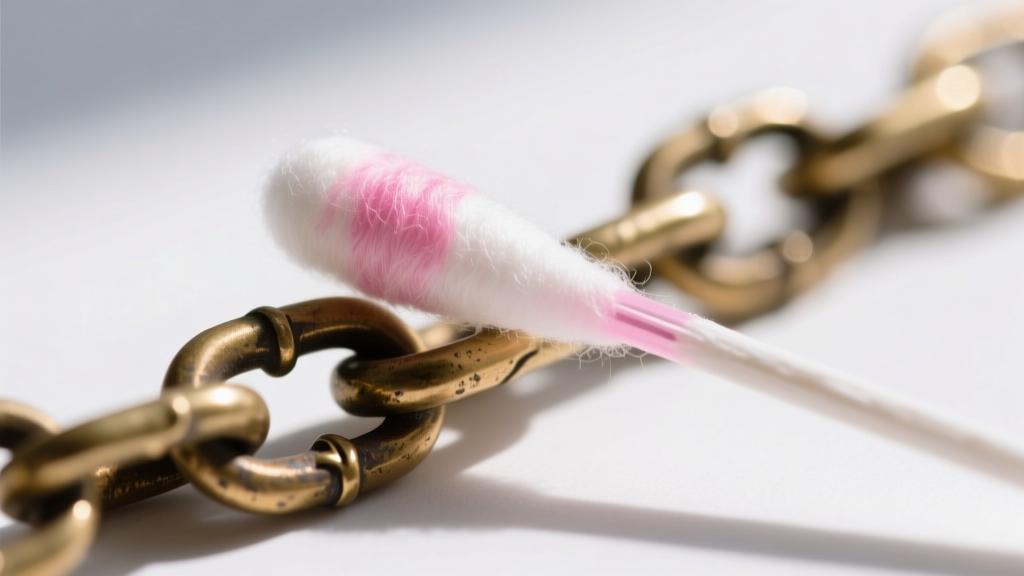
The Dimethylglyoxime (DMG) Test
Stop guessing and start testing. Purchase a DMG nickel spot test kit. By rubbing a cotton swab dipped in the DMG solution and a drop of ammonia against the chain or pendant bail for 30 seconds, you can definitively identify leachable nickel. If the swab turns bright pink, the piece is releasing nickel ions. This is crucial for vintage unique necklaces where the original plating has worn away, exposing the base metal.
Barrier Methods vs. Re-plating
For a temporary barrier, applying a thin coat of Renaissance Wax (a microcrystalline wax used by museum conservators) will protect your skin for several wears before needing reapplication. For a permanent fix, take the piece to a professional jeweler for PVD (Physical Vapor Deposition) coating or traditional rhodium plating. Ensure the rhodium plating is at least 0.75 to 1.0 microns thick; anything thinner will wear through at the friction points near the clasp within a month.
Issue 3: Knotting in Multi-Strand and Organic Materials
Multi-strand unique necklaces, especially those featuring organic materials like seed pearls, coral, or rough-hewn wood beads, generate immense inter-strand friction. When removed hastily, they collapse into a microscopic bird's nest. Pulling on these knots tightens them, often resulting in snapped silk threads or crushed organic beads.
The Powder and Pin Technique
Do not use oil or water, which can stain porous beads or degrade silk threading. Instead, lay the tangled necklace flat on a dark, non-slip mat. Generously dust the knot with fine talcum powder or cornstarch. The powder acts as a dry lubricant, drastically reducing the coefficient of friction between the strands. Using two 0.4mm gauge steel straight pins, gently work the powder into the center of the knot, wiggling the pins to loosen the outermost loop first. Never pull the ends of the chain; always push the slack inward toward the knot.
To prevent future tangling, upgrade the clasp to a grade N42 or higher neodymium magnetic clasp. Magnetic clasps allow the necklace to separate instantly if snagged, preventing the tension that drives complex knotting, and they are significantly easier to handle when taking the piece off.
Issue 4: Degradation of Porous Gemstones
Mohs Scale and Ultrasonic Dangers
Unique necklaces frequently feature unconventional, porous gemstones like turquoise, malachite, opal, or lapis lazuli. These stones rank low on the Mohs scale of hardness (typically between 3 and 6) and possess high porosity. A common and catastrophic mistake is placing these necklaces in an ultrasonic cleaner. The high-frequency cavitation bubbles can easily fracture internal inclusions in opals and strip the natural oils from turquoise, causing it to turn a dull, chalky green.
According to the GIA Gem Encyclopedia, porous stones should only be cleaned with a barely damp microfiber cloth. If grime is trapped in the bezel setting, use a micro-swab dipped in distilled water—never tap water, as the chlorine and fluoride can react with the copper content in stones like turquoise and malachite, causing permanent discoloration.
Preventative Maintenance for Unconventional Pieces
Maintaining unique necklaces requires a shift from passive storage to active curation. Follow these structural rules to extend the lifespan of your artisan pieces:
- Hang Heavy Pieces: Never store heavy, asymmetrical pendants in a flat jewelry box. The chain will kink, and the pendant's bail will warp under its own resting weight. Hang them on a padded velvet bust or a dedicated wall hook.
- Check Bail Friction: The bail (the loop connecting the pendant to the chain) is the highest wear point. Inspect the interior of the bail every six months. If you see a deep groove forming, have a jeweler solder a tiny platinum or titanium jump ring inside the bail to act as a sacrificial wear surface.
- Thread Inspection: For strung unique necklaces, perform the 'stretch test.' Gently pull the beads apart. If you see more than 1mm of exposed thread between any two beads, the silk or nylon cord has stretched and is at imminent risk of snapping. Have it professionally re-strung with French wire guards at the clasp connection.
Final Thoughts
The allure of unique necklaces lies in their imperfections, their unconventional materials, and their departure from mass-market uniformity. However, these same traits demand a higher level of mechanical awareness from the wearer. By understanding the physics of drape, respecting the chemical reactivity of mystery alloys, and employing specialized cleaning techniques for fragile organics, you can ensure that your most treasured, unconventional pieces remain structurally sound and visually striking for decades to come. For further reading on metal allergies and safe jewelry practices, consult the resources provided by Jewelers of America.


