The Pearl Necklace Butterfly Buying Guide: What to Look For
Discover how to choose the perfect pearl necklace butterfly pendant. Learn about pearl grades, enamel types, bail mechanics, and pricing tiers.

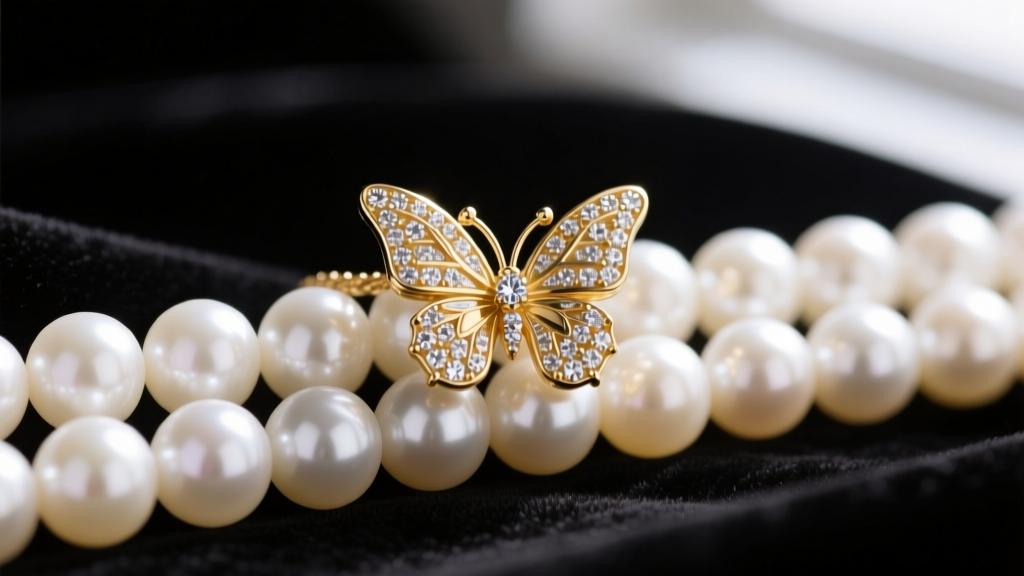
The intersection of classic elegance and whimsical nature motifs has cemented the pearl necklace butterfly as a standout choice in 2026. Whether you are drawn to the coquette aesthetic or simply appreciate the symbolism of transformation, pairing a delicate butterfly pendant with a strand of pearls requires careful consideration. Unlike standard gemstone pendants, pearls are organic, porous, and highly susceptible to friction and chemical damage. This comprehensive buying guide cuts through the marketing fluff to reveal exactly what to look for regarding pearl grading, butterfly metallurgy, bail mechanics, and long-term durability.
Decoding the Pearl: Nacre Thickness and Luster Grades
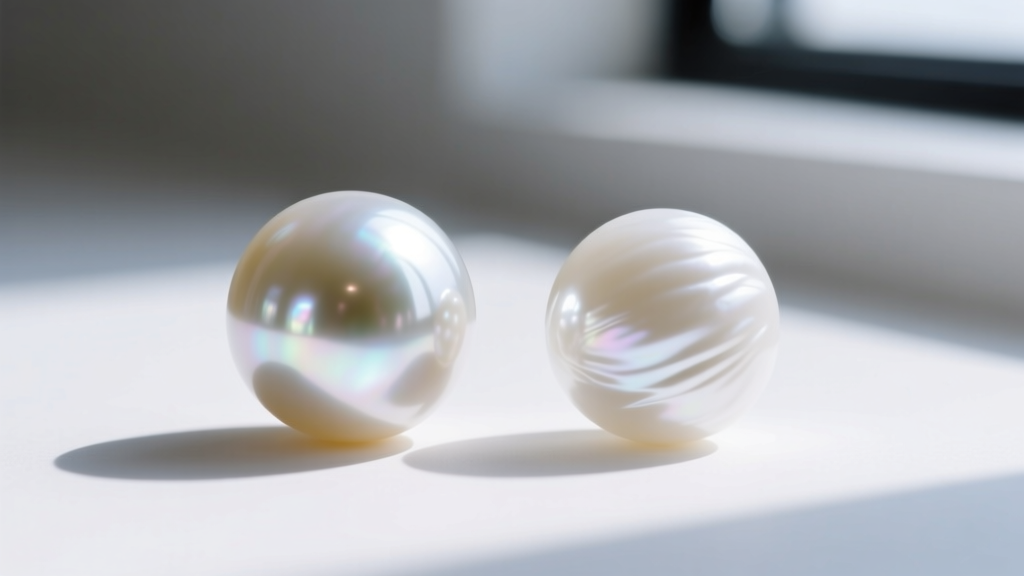
When evaluating the pearl component of your necklace, the butterfly motif often distracts buyers from the most critical metric: nacre thickness. According to the Gemological Institute of America (GIA), nacre quality dictates both the luster and the structural integrity of the pearl. For a pearl necklace butterfly pendant, you will primarily encounter three types of pearls:
- Akoya Pearls: The gold standard for classic white strands. Look for a minimum nacre thickness of 0.4mm. Akoya pearls offer a sharp, mirror-like luster that perfectly complements the reflective surface of a gold or diamond-set butterfly. Expect to pay a premium for AAA-grade Akoya with clean surfaces and rosé overtones.
- Freshwater Edison Pearls: These bead-nucleated freshwater pearls offer a metallic, satiny luster and are often more affordable. They are typically solid nacre, making them highly durable, but they lack the pinpoint light reflection of high-end Akoya.
- Tahitian Pearls: For a dramatic, modern twist, a dark Tahitian pearl (peacock or aubergine overtone) paired with a white gold and diamond butterfly creates a striking contrast. Ensure the nacre is at least 0.8mm thick to prevent chipping around the drill hole.
Butterfly Motif Craftsmanship: Enamel vs. Gem-Set
The butterfly pendant itself is a canvas for various jewelry-making techniques. In 2026, the market is saturated with mass-produced castings, making it essential to identify genuine craftsmanship. Here is what to look for based on the material:
Enamel Techniques
If you prefer a colorful, vintage-inspired butterfly, pay close attention to the enamel type. High-end pieces utilize plique-à-jour (backless enamel that resembles stained glass) or guilloché (enamel applied over an engraved metal pattern). These require master artisans and command higher prices. Conversely, budget pieces use cold enamel (essentially a hardened resin). Cold enamel will yellow, scratch, and degrade when exposed to perfumes or UV light over time. Always ask the jeweler to specify the enamel technique.
Gem-Set and Metalwork
For diamond or sapphire-set butterflies, examine the prongs under a loupe. The wings of a butterfly feature intricate, curved lines; poorly cast prongs will be bulky, obscuring the gemstones and catching on silk garments. Look for micro-pave settings where the metal beads holding the stones are perfectly rounded and flush. Furthermore, ensure the butterfly is cast in solid 14k or 18k gold rather than hollowed out. Hollow butterflies are prone to denting if the pendant is accidentally struck against a hard surface.
The Hidden Flaw: Bail Mechanics and Nacre Spalling
The most common point of catastrophic failure in a pearl necklace butterfly design is the bail—the metal loop that connects the pendant to the chain. This is an area where deep jewelry expertise is required. When a metal bail rests directly against a pearl, the constant friction from daily wear acts like a saw against the pearl's drill hole. Over a few years, this causes "nacre spalling," where the layers of nacre chip away, widening the hole and eventually causing the pearl to snap off the strand.
The Solution: When purchasing, inspect the drill hole of the pearl that sits immediately adjacent to or underneath the bail. High-quality manufacturers insert a tiny, flush-fitting silicone or Teflon sleeve inside the pearl's drill hole to protect the nacre from metal friction. Alternatively, look for a "floating bail" design where the butterfly pendant hangs slightly below the pearl strand, suspended by a small, smooth jump ring that does not rub against the pearl's surface. The Jewelers of America strongly recommends regular inspection of pearl drill holes to catch early signs of abrasion before structural failure occurs.
2026 Pricing Matrix: What to Expect
Pricing for a pearl necklace butterfly varies wildly based on the origin of the pearls and the manufacturing origin of the pendant. Use this matrix to benchmark market rates and avoid overpaying for mass-produced goods.
| Tier | Pearl Type | Butterfly Material | Price Range (USD) | Best For |
|---|---|---|---|---|
| Entry | Commercial Freshwater | 925 Silver, Cold Enamel | $80 - $250 | Occasional wear, trend-focused styling |
| Mid-Tier | AAA Freshwater / AA+ Akoya | 14k Gold, Micro-Pave Diamonds | $600 - $1,800 | Daily wear, milestone gifts |
| High-End | Hanadama Akoya / Tahitian | 18k Gold, Plique-à-jour Enamel | $3,500 - $8,000+ | Heirloom investment, collectors |
Chain Gauge, Length, and Neckline Pairing
The chain you select must support the weight of the butterfly pendant without overpowering the delicate nature of the pearls. If you are buying a standalone pendant to add to an existing pearl strand, ensure the chain gauge is appropriate.
- 0.8mm - 1.0mm Cable Chain: Ideal for lightweight, enamel-only butterfly pendants. This gauge slips easily through standard pearl drill holes (which are typically 0.8mm to 1.0mm).
- 1.2mm - 1.5mm Rope or Box Chain: Necessary for heavier, gem-set 18k gold butterflies. However, these thicker chains will not pass through a standard pearl strand's drill hole. You will need a necklace featuring a specialized clasp mechanism or a removable end-cap to thread the pendant onto the strand.
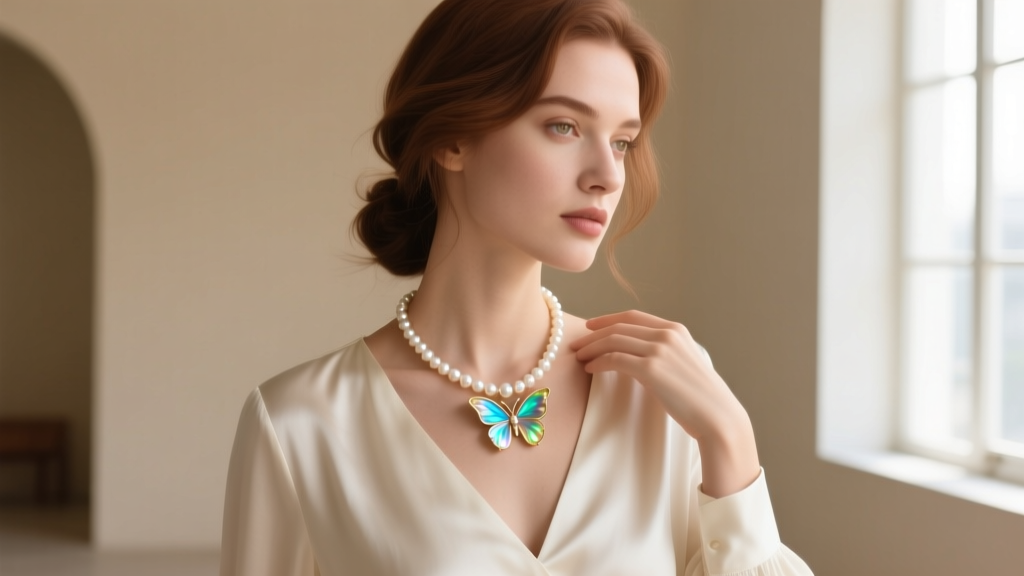
For length, a 16-inch choker length positions the butterfly pendant high on the collarbone, perfect for boat necks and off-the-shoulder tops. An 18-inch princess length allows the butterfly to rest in the hollow of the throat, making it the most versatile choice for V-necks and scoop necks. Always consult the GIA Pearl Care Guide to ensure you are properly wiping down both the pearls and the metal butterfly with a damp microfiber cloth after wear to remove acidic skin oils that can degrade both the nacre and the enamel over time.
Final Thoughts on Authenticity
Buying a pearl necklace butterfly is an exercise in balancing organic beauty with precise metallurgical engineering. By prioritizing nacre thickness, demanding high-fire enamel or precise micro-pave settings, and critically evaluating the bail mechanics to prevent drill-hole abrasion, you ensure your piece remains a staple in your wardrobe for decades. Do not settle for hollow castings or cold enamel; invest in a piece that respects the organic integrity of the pearl while celebrating the intricate artistry of the butterfly motif.


