Barbie Necklace Buying Guide: Styles, Materials & 2026 Trends
Discover how to buy the perfect Barbie necklace in 2026. Compare vintage costume pieces, modern fine jewelry collabs, materials, and pricing.

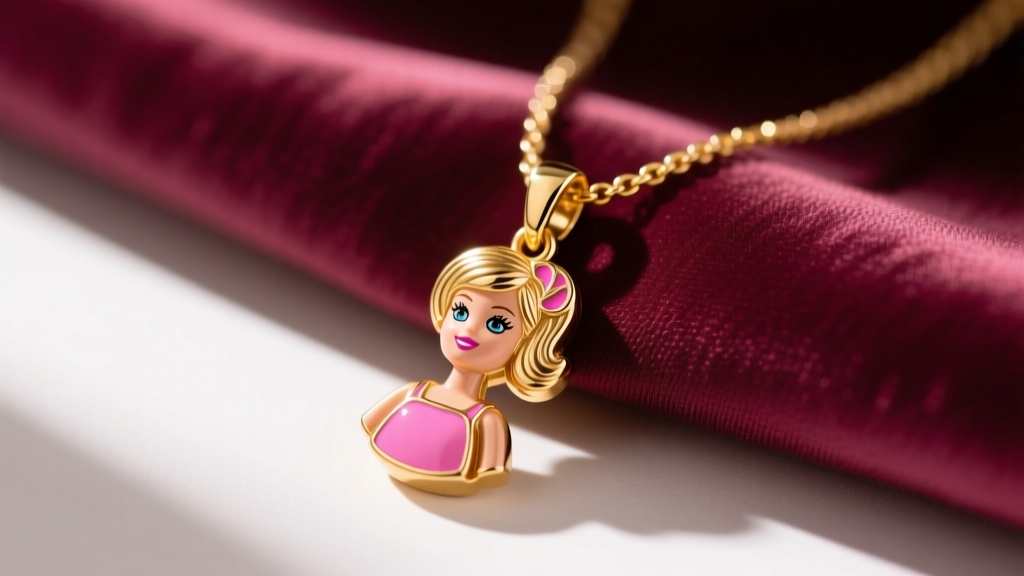
The Evolution of the Barbie Necklace: From Toy Box to Fine Jewelry
The cultural footprint of Barbie has expanded far beyond the toy aisle, cementing itself as a lasting motif in the jewelry industry. While the 'Barbiecore' trend saw a massive spike in mainstream fashion over the last few years, the 2026 jewelry market has matured. Today, collectors and style enthusiasts are no longer just looking for cheap plastic novelties; they are seeking out high-quality, enduring pieces that blend nostalgia with serious craftsmanship. Whether you are hunting for a rare 1980s vintage costume piece, a modern licensed fine jewelry collaboration, or a custom diamond-encrusted pendant, understanding the metallurgy, chain mechanics, and licensing nuances is critical before you buy.
This comprehensive buying guide breaks down exactly what to look for when investing in a Barbie necklace, ensuring you get a piece that holds its value, fits your wardrobe, and survives daily wear.
Decoding the Market: Vintage, Licensed, and Custom Pieces
The secondary and primary markets for Barbie-themed jewelry are fragmented into three distinct categories. Knowing which tier you are shopping in will dictate your expectations regarding material longevity and resale value.
| Category | Era / Source | Primary Materials | Price Range (2026) | Collector Value |
|---|---|---|---|---|
| Vintage Costume | 1980s-1990s Mattel | Pot metal, gold-tone plating, cold enamel | $35 - $120 | High (Nostalgia-driven) |
| Modern Fashion Collabs | 2020s Licensed Brands | Sterling silver, gold vermeil, epoxy resin | $60 - $180 | Moderate |
| Fine Jewelry Collabs | 2023-2026 High-End | 14k/18k Solid Gold, Lab-Grown Diamonds | $400 - $2,500+ | High (Material + IP value) |
| Custom / Unlicensed | Independent Jewelers | Varies widely | $150 - $5,000+ | Low (No IP backing) |
For serious collectors, vintage pieces from the 'Fashion Style' Barbie era of the late 1980s are highly coveted. However, because these were originally designed as children's toys or cheap accessories, the hardware is often fragile. Modern fine jewelry collaborations, such as those released by premium brands under strict Mattel licensing agreements, offer the best intersection of wearable durability and iconic branding.
Material Breakdown: What You Are Actually Wearing
When evaluating any themed pendant, the base metal and surface treatments dictate the lifespan of the jewelry. Themed pendants often rely heavily on colored accents, making the type of metal and enamel crucial.
Base Metals vs. Gold Vermeil
Vintage Barbie pendants were typically cast from 'pot metal' (a zinc or lead alloy) and flash-plated with a microscopic layer of gold-tone finish. Over time, friction and skin acids wear this plating away, revealing the dull gray base metal beneath. If you are buying vintage, expect some patina or re-plating costs.
Modern licensed pieces usually step up to Sterling Silver (925) bases. However, you must look for the term 'Gold Vermeil' rather than just 'Gold Plated.' According to the Federal Trade Commission Jewelry Guides, vermeil must consist of a sterling silver base coated with at least 2.5 microns of 10k, 14k, or 18k gold. This thickness ensures the pink and gold tones of your necklace will not rub off after a few months of wear.
The Enamel Factor: Cold vs. Vitreous
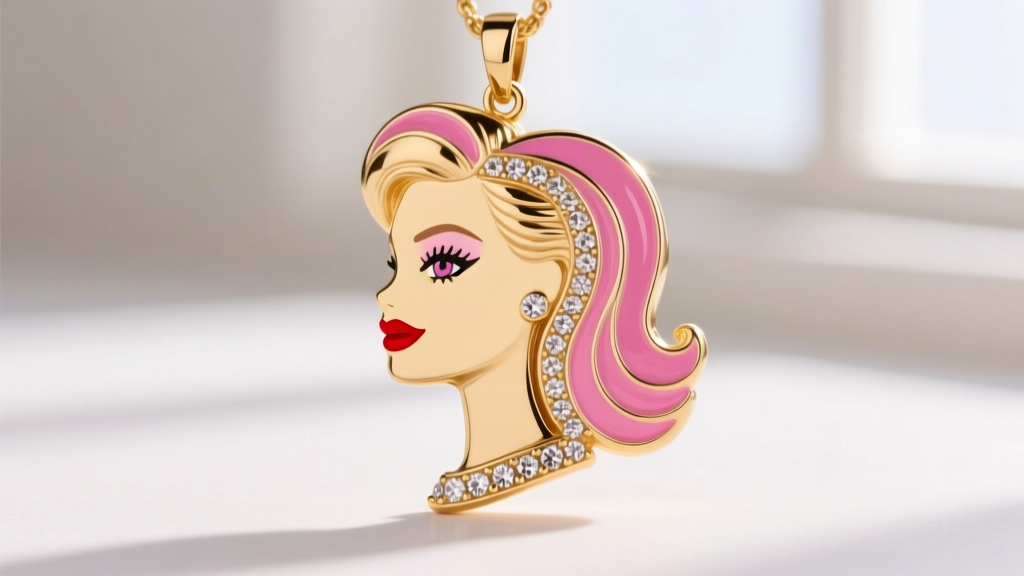
Barbie's signature pink is almost always rendered in enamel. It is vital to know which type of enamel is being used. Vintage and cheaper modern pieces use 'cold enamel,' which is actually an epoxy resin. It is poured into the metal recesses and air-dried. While vibrant, cold enamel is prone to scratching, yellowing from UV exposure, and chipping if dropped.
Premium fine jewelry collaborations utilize 'vitreous enamel.' As noted by the Gemological Institute of America (GIA), vitreous enamel is essentially crushed glass that is fired in a kiln at over 1,400°F. It fuses permanently to the gold or silver base, resulting in a scratch-resistant, glass-like finish that will maintain its iconic hot pink hue for generations.
Chain Selection and Hardware Proportions
A common mistake buyers make is pairing a heavy, oversized vintage Barbie pendant with a flimsy modern chain. The pendant's weight and bail size (the loop the chain passes through) must dictate your chain choice.
- For Vintage Pendants (15g - 30g): You need a sturdy chain. Opt for a 1.5mm to 2.0mm Box Chain or Rope Chain. These weaves distribute weight evenly and resist snapping. Avoid spring ring clasps, which are notoriously weak and difficult to operate; insist on a heavy-duty lobster clasp.
- For Modern Fine Jewelry Pendants (3g - 8g): A 1.0mm to 1.2mm Cable Chain or Paperclip Chain is ideal. These offer a delicate, modern aesthetic that lets the diamond or enamel details take center stage without overwhelming the neckline.
- Bail Sizing: Many 1980s costume pendants feature oversized, fixed bails. If you are buying a modern chain, ensure the clasp can actually pass through the pendant's loop, or look for chains with removable end-caps.
How to Spot Counterfeits and Unlicensed Bootlegs
With the sustained popularity of Barbie-themed accessories, the market is flooded with unlicensed, bootleg pendants. While there is nothing wrong with buying custom fan-art jewelry, you should not pay premium 'licensed collaboration' prices for a bootleg.
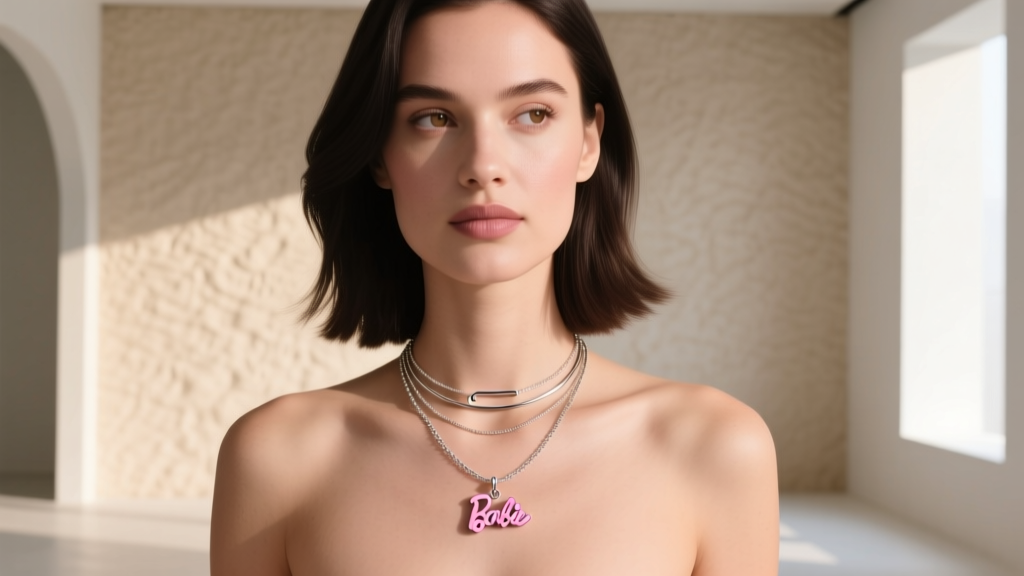
Always inspect the reverse side of the pendant. Authentic, Mattel-licensed jewelry will feature a microscopic stamp reading '© Mattel' or '© Mattel Inc.' alongside the metal purity mark (e.g., '925' for sterling silver or '14K'). Bootlegs often lack the copyright symbol, feature misspelled branding, or have shallow, poorly defined facial silhouettes on the pendant. Furthermore, official fine jewelry collaborations come with a Certificate of Authenticity and branded packaging that includes specific licensing holograms.
Care and Maintenance for Themed Enamel Pendants
Because a Barbie necklace relies heavily on colored enamel and textured silhouettes, standard jewelry cleaning methods can be disastrous. Never put an enameled pendant in an ultrasonic cleaner. The high-frequency vibrations can cause both cold epoxy resins and fired vitreous enamel to crack or detach from the metal backing.
Instead, clean your necklace using a soft, lint-free microfiber cloth. For the metal portions and any pave diamonds, use a baby-soft toothbrush dipped in a solution of warm water and a single drop of mild, phosphate-free dish soap. Gently brush the metal settings, avoiding aggressive scrubbing on the pink enamel sections. Rinse with lukewarm water and pat dry immediately to prevent water spots on the gold vermeil.
Final Verdict: Which Piece Should You Buy?
If your goal is pure nostalgia and vintage styling, hunt for original 1980s pieces on estate jewelry sites, but be prepared to replace the chain and handle the hardware with care. If you want a daily-wear piece that bridges the gap between pop-culture fun and serious luxury, invest in a modern, Mattel-licensed 14k gold vermeil or solid gold pendant with vitreous enamel. By paying close attention to the FTC material standards, chain gauges, and copyright hallmarks, you will secure a Barbie necklace that is as timeless and iconic as the doll herself.


