How to Clean & Maintain Your Custom OSRS Bonecrusher Necklace
Learn expert care, cleaning, and maintenance tips for custom OSRS Bonecrusher necklace replicas made from bone, resin, and oxidized silver.

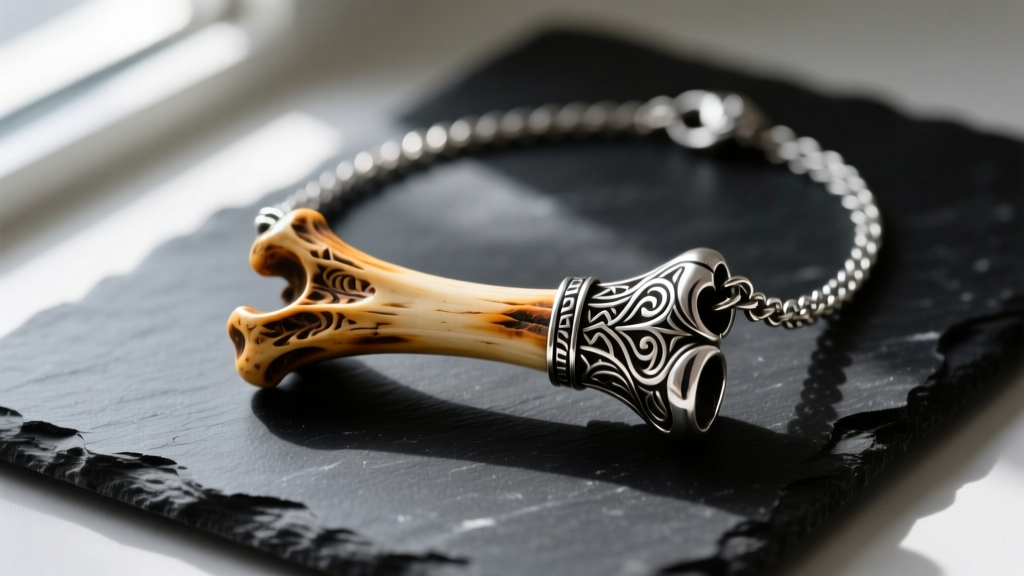
The Rise of Gaming-Inspired Artisan Jewelry
The intersection of gaming culture and artisan jewelry has created a massive market for high-quality cosplay and collector replicas. Among the most highly sought-after pieces in the Old School RuneScape community is the custom osrs bonecrusher necklace. Unlike standard mass-produced merchandise, premium replicas of this iconic in-game item are typically handcrafted by independent jewelers and prop makers using complex, mixed-media assemblies. These pieces often combine porous organic materials like carved bone or ethically sourced horn with heavily oxidized sterling silver or brass hardware, and occasionally feature cast resin accents.
Maintaining these mixed-material necklaces requires a nuanced understanding of jewelry chemistry and material science. What works for a standard gold chain will instantly ruin a deliberately distressed bone pendant. In this comprehensive 2026 care guide, we break down the exact protocols for cleaning, restoring, and storing your replica to ensure it survives both daily wear and long-term display without losing its rugged, authentic aesthetic.
Identifying Your Replica's Core Material
Before applying any cleaning agent, you must accurately identify the materials used in your specific osrs bonecrusher necklace. Artisans use different techniques to achieve the "crushed" and weathered look. Below is a diagnostic table to help you identify your pendant's composition and its primary vulnerabilities.
| Material Type | Visual & Tactile Clues | Primary Failure Modes | Safe Cleaning Agents |
|---|---|---|---|
| Carved Bone / Horn | Matte finish, visible pores, warms slowly to the touch, smells faintly of calcium when rubbed hard. | Waterlogging, cracking from dry air, staining from skin oils. | Dry microfiber, food-grade mineral oil. |
| Oxidized Sterling Silver (925) | Dark black/grey recesses, bright metallic high-spots, heavy weight, stamped with "925". | Stripping of deliberate patina, scratching from abrasive pastes. | Untreated polishing cloth, mild dish soap. |
| Cast Epoxy / SLA Resin | Seamless molds, slightly translucent edges, uniform temperature, lightweight. | UV yellowing, micro-scratching, chemical melting from alcohol. | Novus plastic polish, damp cloth. |
The Protocol for Carved Bone and Ethically Sourced Horn
Many premium replicas utilize real, ethically sourced water buffalo bone or camel bone to achieve the authentic, macabre aesthetic of the Bonecrusher. According to the Gemological Institute of America (GIA), organic porous gems and materials require vastly different care than crystalline stones or metals. Bone is primarily composed of hydroxyapatite and collagen, making it highly susceptible to moisture absorption and desiccation.
Step-by-Step Bone Cleaning
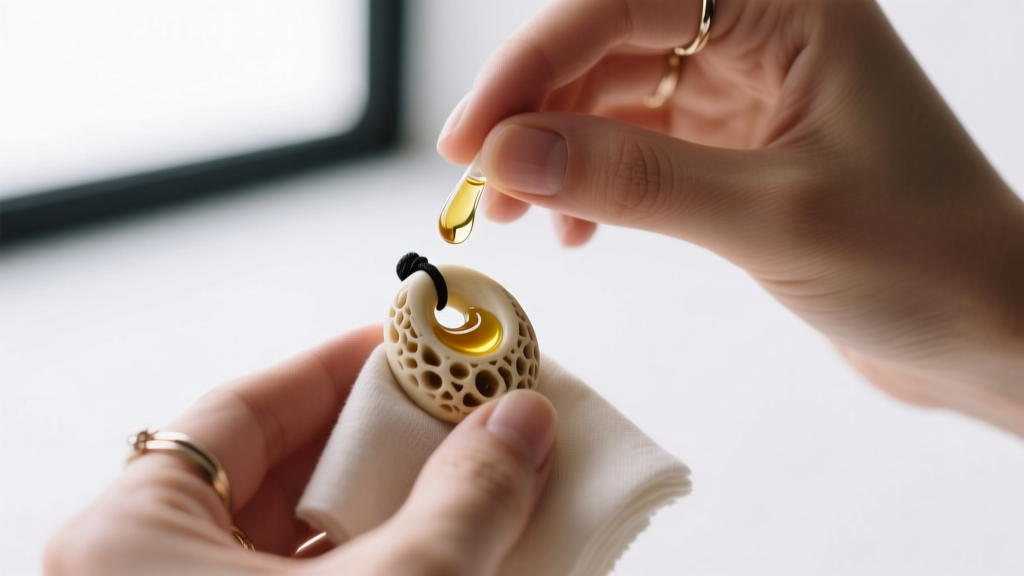
- Dry Dusting: Never submerge a carved bone pendant in water. Water can seep into the microscopic pores, causing the collagen matrix to swell and eventually crack as it dries. Use a soft-bristled makeup brush to gently sweep dust out of the carved crevices.
- Surface Wiping: If the bone has accumulated skin oils or environmental grime, lightly dampen a microfiber cloth with distilled water (never tap water, as chlorine and fluoride can cause permanent chemical staining). Wipe the surface gently and immediately dry it with a separate, bone-dry cloth.
- Rehydration and Sealing: Over time, bone dries out and develops micro-fissures. Once every six months, apply a single drop of food-grade mineral oil to a soft cloth and buff it into the bone. Crucial Warning: Never use olive oil, coconut oil, or vegetable oils. These organic lipids will eventually oxidize, turn rancid, and impart a foul odor to your necklace while attracting dust.
The Ultrasonic Cleaner Trap
Never place a bone or horn pendant in an ultrasonic jewelry cleaner. The high-frequency cavitation bubbles created by these machines will literally shake the porous structure of the bone apart from the inside out, leading to catastrophic structural failure and shattering.
Preserving the Grime: Caring for Oxidized Metal Findings
The hardware on a high-end osrs bonecrusher necklace is rarely polished to a mirror shine. Artisans use a chemical process involving Liver of Sulfur (potassium sulfide) to force a rapid, black oxidation layer onto sterling silver or brass. This deliberate patina creates the ancient, weathered contrast that defines the piece. Standard silver dips and abrasive polishing pastes are the enemy of this aesthetic.
Maintaining the Patina Contrast
To clean the metal findings without stripping the dark recesses, you must rely on mechanical friction rather than chemical reduction. Experts at Rio Grande Jewelry Supply recommend using a high-quality, untreated jeweler's polishing cloth.
- Targeted Polishing: Wrap the cloth around your index finger and gently rub only the raised, high-friction areas of the silver chain and pendant bails. This mimics natural wear and keeps the high-spots bright while leaving the black Liver of Sulfur patina intact in the deep engravings and crevices.
- Avoid Silver Dips: Liquid silver cleaners contain thiourea, a chemical that strips all oxidation instantly. Using a dip will turn your carefully crafted, darkened hardware into a flat, uniform, and unnatural bright white, completely ruining the "crusher" illusion.
- Brass and Copper Alloys: If your replica uses brass instead of silver, be aware that brass reacts with the acids in human sweat, often leaving a green residue on your skin. To prevent this, apply a micro-thin layer of Renaissance Wax to the back of the pendant where it touches your chest. This museum-grade microcrystalline wax creates an invisible barrier against moisture and skin acids.
Resin and 3D-Printed Replicas: Fighting UV Degradation
For cosplayers on a budget, or those who prefer lightweight pieces, 3D-printed (SLA resin) or cast epoxy replicas are incredibly common. While immune to the moisture issues of bone, resin faces a different threat: ultraviolet (UV) radiation. Prolonged exposure to direct sunlight will break down the polymer chains in standard epoxy and UV-cured resins, resulting in irreversible yellowing and brittleness.
Restoring Scratched Resin
Resin is relatively soft, sitting around a 2.0 to 3.0 on the Mohs hardness scale. It will easily pick up micro-scratches from everyday wear. To restore the clarity and finish of resin accents on your necklace, utilize a three-step plastic polishing system, such as the Novus Plastic Polish kit.
- Novus #3 (Heavy Scratch Remover): Use this only if deep, visible gouges are present. It contains mild abrasives that level the resin surface.
- Novus #2 (Fine Scratch Remover): This removes the haziness left by #3 and eliminates standard micro-scratches from clothing friction.
- Novus #1 (Clean & Shine): A final wipe-down that leaves an anti-static, protective barrier that repels dust and fingerprints.
Note: Never use isopropyl alcohol (IPA) to clean cured SLA resin replicas after they have fully hardened and been worn. While IPA is used to wash uncured resin, prolonged exposure to high-concentration alcohol on cured parts can cause environmental stress cracking, leading to a spiderweb of microscopic fractures across the pendant.
Long-Term Storage and Environmental Controls
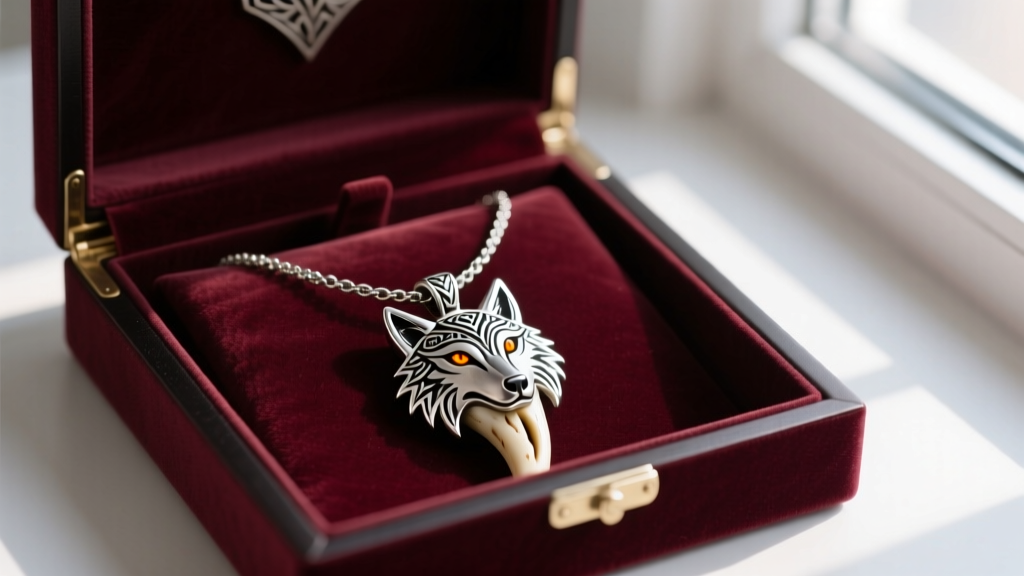
How you store your osrs bonecrusher necklace when it is not being worn is just as critical as how you clean it. Mixed-media jewelry requires a stable microclimate to prevent the different materials from expanding and contracting at different rates, which can cause glue joints to fail and metal prongs to loosen.
The Ideal Storage Environment
- Humidity Control: Bone and horn require a relative humidity (RH) of 40% to 50%. If stored in a dry, climate-controlled winter home (where RH can drop below 20%), the bone will desiccate and warp. Store the necklace in a sealed polyethylene bag with a small, two-way humidity control packet (like those used for acoustic guitars or cigars) to maintain equilibrium.
- Physical Support: Never hang a heavy bone or resin pendant by its chain on a jewelry stand for long-term storage. The constant gravitational pull can stretch the chain links and weaken the soldered jump rings. Instead, lay the necklace flat in a velvet-lined drawer, ensuring the pendant is not resting on top of the chain to prevent metal indentations on the softer bone or resin.
- Light Exposure: Keep the piece in a dark drawer or opaque box to completely eliminate the risk of UV-induced yellowing on any resin components or fading on dyed horn elements.
Final Thoughts on Replica Maintenance
Owning a custom-crafted piece of gaming history requires a departure from traditional jewelry care habits. By respecting the organic nature of carved bone, protecting the deliberate chemical patinas on oxidized metals, and shielding polymers from UV degradation, your osrs bonecrusher necklace will remain a pristine, conversation-starting centerpiece in your collection for decades to come. Always prioritize gentle, targeted mechanical cleaning over harsh, blanket chemical treatments, and your replica will retain its rugged, in-game authenticity in the real world.


