Fixing a Bronze Milor Italy Necklace: Patina and Skin Stains
Learn how to troubleshoot, clean, and restore your bronze Milor Italy necklace. Expert tips on removing green skin stains and managing patina safely.

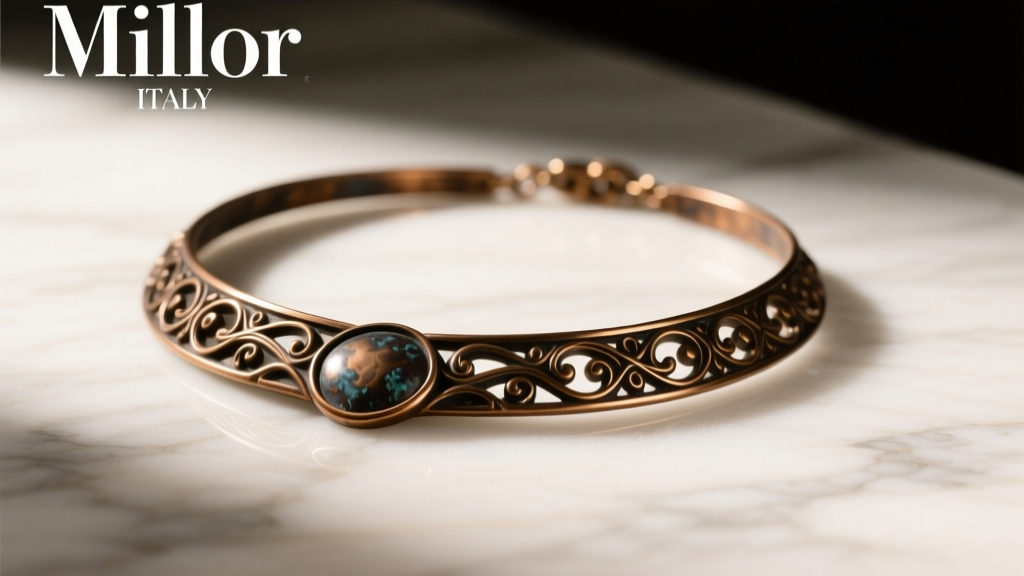
The Metallurgy of Milor Italy Bronze Pieces
Owning a piece of Italian jewelry is an investment in centuries of craftsmanship. The Milor Italy maker's mark is historically associated with high-quality sterling silver and gold manufacturing, primarily originating from the renowned jewelry district of Vicenza. However, when you encounter a bronze Milor Italy necklace, you are likely holding a specialized artisan collection, a vintage experimental alloy, or a mixed-metal statement piece. Understanding the metallurgy of this specific alloy is the first step in proper troubleshooting and restoration.
Bronze is primarily an alloy of copper (typically 88%) and tin (12%). Unlike sterling silver, which has a universal 925 hallmarking standard, bronze alloys can vary slightly in their trace elements, sometimes including zinc or phosphorus to improve fluidity during casting. The high copper content is what gives bronze its warm, earthy tone, but it is also the exact reason why these necklaces present unique maintenance challenges. According to the Gemological Institute of America (GIA), copper-rich alloys are highly reactive to environmental chlorides and human sebum, requiring a much more nuanced care regimen than standard precious metals.
Troubleshooting Common Bronze Necklace Issues
Issue 1: The "Green Skin" Copper Reaction
The most frequent complaint from wearers of bronze necklaces is the development of a green or blackish stain on the décolletage. This is not an allergic reaction, nor does it mean your Milor Italy piece is "fake." It is a simple chemical reaction. When the copper in the bronze comes into contact with the natural acids, salts, and moisture in your sweat, it forms copper chloride. As this compound is exposed to oxygen, it oxidizes into copper carbonate (verdigris)—the same green compound seen on the Statue of Liberty.
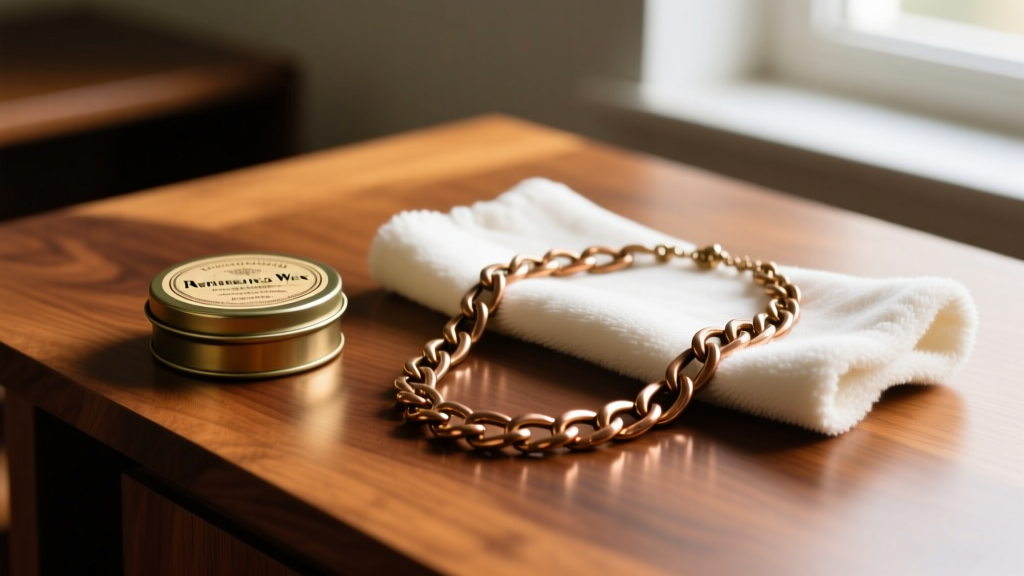
The Fix: To prevent this without altering the necklace's appearance, apply a micro-crystalline wax barrier. Renaissance Wax, originally developed by the British Museum Conservation Department, is the gold standard for sealing bronze. Apply a thin layer to the back of the pendant and the inner links of the chain, let it dry for 10 minutes, and buff it gently with a microfiber cloth. This creates an invisible, non-yellowing barrier between the copper and your skin.
Issue 2: Blotchy Patina and Over-Cleaning
Italian artisans frequently apply intentional antiquing (liver of sulfur or chemical darkening) to bronze pieces to highlight the intricate textures of the chain and make the Milor Italy stamp legible. A common troubleshooting disaster occurs when owners attempt to clean a dark, uneven patina using commercial silver dips or harsh homemade pastes (like baking soda and lemon juice). These acidic or thiourea-based cleaners strip the intentional antiquing, leaving the necklace looking raw, brassy, and artificially shiny, while permanently erasing the contrast in the maker's mark.
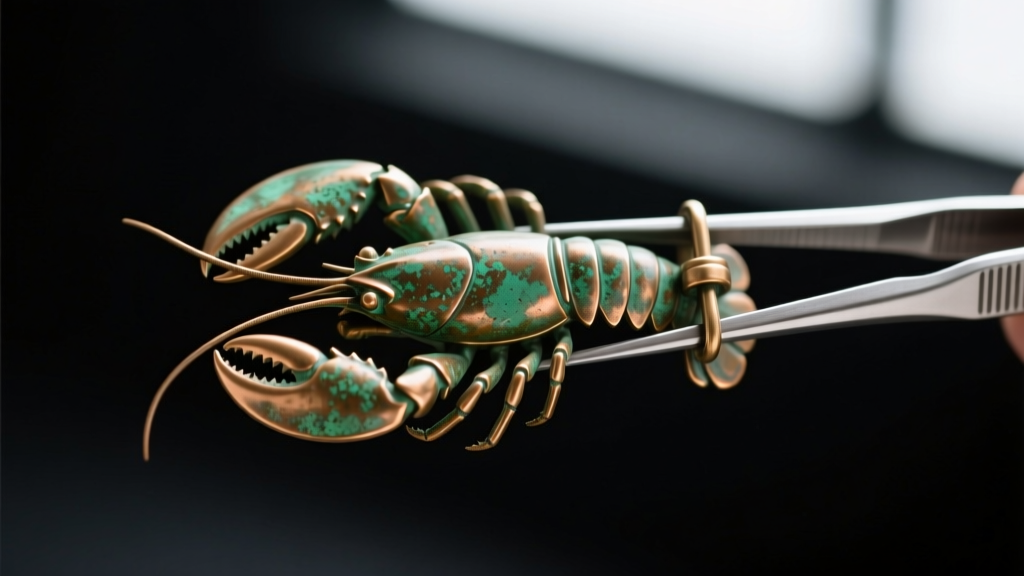
The Fix: If your necklace has blotchy, unintended oxidation (often caused by water spots or cosmetic sprays), avoid liquid dips entirely. Instead, use a specialized bronze polishing cloth impregnated with mild, neutral abrasives. Gently rub only the high points of the chain links and the pendant's raised edges. This removes the accidental surface tarnish while preserving the dark, intentional antiquing in the recessed areas of the Milor design.
Issue 3: Hardware Fatigue and Clasp Corrosion
Bronze is a relatively soft metal compared to steel, with a lower Vickers hardness rating. On heavy Italian bronze chains, the jump rings connecting the clasp to the chain endure significant mechanical stress. Furthermore, the internal spring mechanism inside a lobster clasp or spring ring is almost always made of steel. Over time, moisture penetrates the clasp housing, causing the internal steel spring to rust and fail, or the bronze jump ring to stretch and deform, leading to a lost necklace.
The Fix: Inspect the jump ring connecting the Milor pendant to the chain. If the gap is visible or the metal looks thinned, take it to a jeweler to be replaced with a heavy-duty, soldered sterling silver or platinum jump ring. Never attempt to squeeze a weakened bronze jump ring closed with pliers, as the metal can become work-hardened and snap under pressure.
Step-by-Step Restoration and Cleaning Guide
When troubleshooting your bronze Milor Italy necklace, it is vital to match the treatment to the specific symptom. Use the diagnostic table below to identify your issue and apply the correct, safe solution.
| Symptom / Issue | Root Cause | Safe, Expert Solution | What to Strictly Avoid |
|---|---|---|---|
| Green skin stains on neck | Copper reacting with sweat acidity (pH imbalance) | Coat the skin-contact areas with Renaissance Wax or a clear jeweler's lacquer. | Painting with generic clear nail polish (it yellows and flakes over time). |
| Dull, brassy, or raw appearance | Harsh chemicals stripped the intentional Italian antiquing | Consult a professional jeweler to re-apply liver of sulfur and hand-polish. | Using baking soda, vinegar, or ketchup to "clean" the metal. |
| Sticky or waxy residue in chain crevices | Buildup of lotions, perfumes, and skin oils | Soak in warm water with a drop of mild, phosphate-free dish soap for 3 minutes, then rinse and blow-dry. | Scrubbing with a hard-bristled toothbrush (it will scratch the soft bronze). |
| Clasp fails to snap shut securely | Internal steel spring rusted or bronze housing warped | Replace the entire clasp assembly with a stainless steel or white gold alternative. | Applying WD-40 or oil to the clasp (it will attract dirt and ruin the bronze). |
Preventative Maintenance for Italian Bronze
Troubleshooting is always more difficult than prevention. Bronze is highly susceptible to humidity and airborne sulfur compounds. When you are not wearing your Milor Italy necklace, it should never be left out on a bathroom counter or hung on an open jewelry stand where it is exposed to ambient moisture and aerosolized cosmetics.
Store the necklace in an airtight, zip-seal polyethylene bag. Inside the bag, include a 3M anti-tarnish strip and a small silica gel desiccant packet. The anti-tarnish strip will absorb airborne sulfur gases before they can react with the copper, while the silica gel ensures the micro-environment remains completely dry. Before sealing the bag, give the necklace a quick wipe with a dry, untreated jeweler's cloth to remove any invisible acidic oils left behind from your skin.
When to Seek Professional Jewelry Repair
While surface cleaning and wax sealing are safe DIY troubleshooting steps, structural issues require professional intervention. If your bronze chain snaps, do not attempt to solder it at home with a standard jeweler's torch. Bronze has a lower melting point than silver or gold, and the heat from a traditional torch can easily melt the delicate Italian chain links adjacent to the break, destroying the structural integrity of the necklace.
Instead, seek out a jeweler who specializes in laser welding. Laser welding uses a highly concentrated, microscopic beam of light to fuse the broken bronze link in a fraction of a second. Because the heat-affected zone is incredibly small, the surrounding links and the Milor Italy maker's stamp remain completely unaffected and cool to the touch. By understanding the unique properties of your bronze alloy and treating it with the respect Italian craftsmanship demands, your necklace will remain a stunning, wearable piece of art for decades.


