Flat Gold Heart Necklace: 2026 Value & Budget Guide
Discover how to evaluate a flat gold heart necklace in 2026. Compare solid, hollow, and vermeil options, pricing tiers, and karat values.

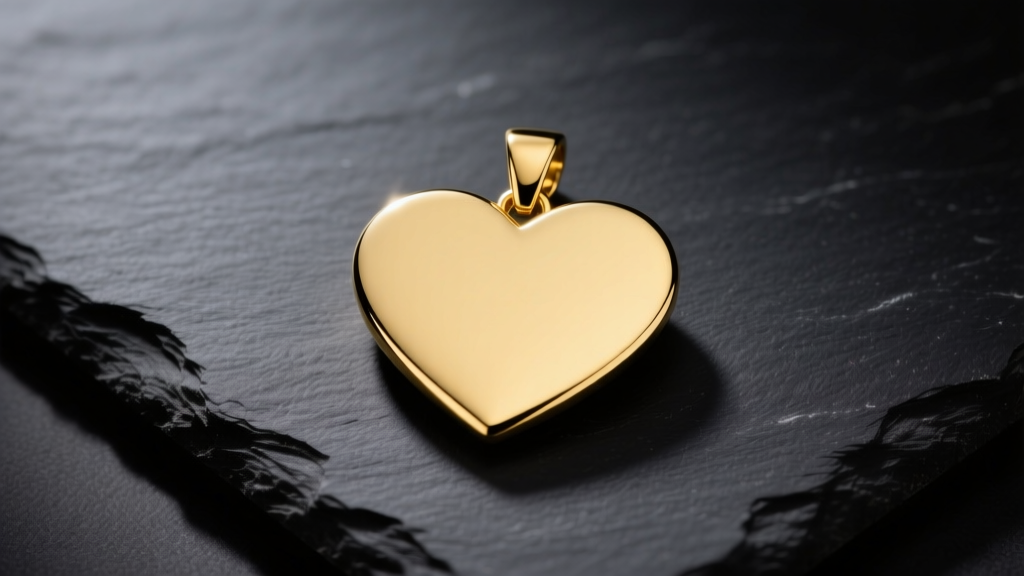
The Anatomy of a Flat Gold Heart Necklace
The flat gold heart necklace is a ubiquitous staple in modern jewelry boxes, but the market is heavily saturated with deceptive pricing and misleading material claims. As we navigate the jewelry market in 2026, with gold spot prices experiencing significant volatility, understanding the delta between retail markup and intrinsic melt value is critical for any savvy buyer. A 'flat' heart pendant typically ranges from 12mm to 25mm in width and features a smooth, unembellished surface that relies entirely on its metal polish and proportions for visual impact. However, two pendants that look identical in a display case can have a 400% price discrepancy based entirely on their internal manufacturing and karat weight.
To accurately assess value, we must strip away the marketing jargon and look at the structural realities of gold jewelry. Whether you are shopping for a budget-friendly everyday piece or an investment-grade solid gold pendant, knowing how to read a jewelry hallmark and calculate gram-weight value will protect your wallet.
Solid vs. Hollow vs. Plated: The Core Value Drivers
The most common trap consumers fall into is assuming that the physical size of a flat heart pendant correlates with its gold content. This is rarely the case. Manufacturing techniques allow jewelers to manipulate the volume and weight of gold independently.
- Solid Gold: Stamped from a single sheet of gold alloy or cast solid. A standard 15mm solid 14k heart will weigh between 2.8 and 3.5 grams. It is durable, can be polished indefinitely, and retains intrinsic melt value. This is the gold standard for heirloom value.
- Hollow (Electroformed) Gold: Created by electroplating gold over a wax or resin core, which is later melted or dissolved away. This results in a massive 25mm pendant that might weigh less than 1 gram. While it offers a large visual footprint for a lower price, hollow hearts are notoriously fragile. A single drop onto a hard surface can dent the shell, and they cannot be easily repaired or resized.
- Gold Vermeil & Plated: Vermeil requires a sterling silver base coated with at least 2.5 microns of gold, as regulated by the FTC. Standard gold plating uses a brass or copper base with a microscopic gold wash (often less than 0.5 microns). Plated flat hearts offer the aesthetic for under $50 but possess zero intrinsic gold value and will eventually wear down to the base metal.
2026 Pricing Matrix: What Should You Actually Pay?
Retail markups in the jewelry industry traditionally range from 2.5x to 5x the intrinsic melt value of the gold, factoring in design, labor, and brand prestige. However, direct-to-consumer brands have compressed these margins. Below is a realistic 2026 pricing matrix for a standard 15mm flat heart pendant (excluding the chain).
| Material Type | Karat | Avg. Weight (15mm) | 2026 Est. Retail | Intrinsic Gold Value |
|---|---|---|---|---|
| Solid | 10k (41.7%) | 3.2g | $180 - $240 | ~$85 |
| Solid | 14k (58.3%) | 3.2g | $320 - $450 | ~$145 |
| Solid | 18k (75.0%) | 3.5g | $480 - $650 | ~$210 |
| Hollow | 14k | 0.8g | $110 - $160 | ~$36 |
| Vermeil | N/A (Silver) | 3.0g | $55 - $95 | ~$4 |
Note: Intrinsic values are estimates based on early 2026 gold spot prices. Always check the Kitco Gold Charts for real-time melt calculations.
Karat Weight and Melt Value Calculations
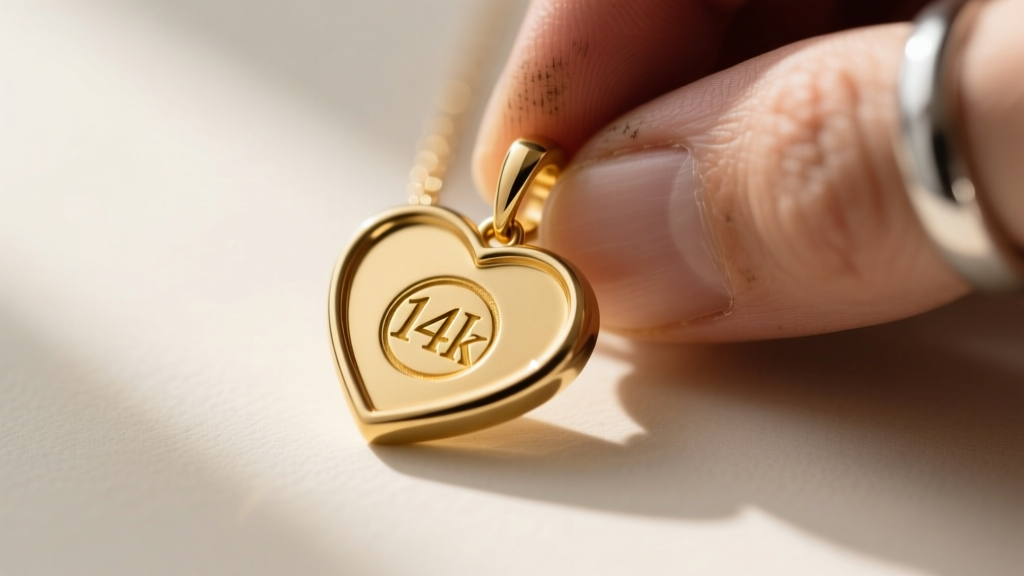
Understanding karat purity is essential for budget assessment. Pure gold is 24 karats, but it is too soft for daily wear jewelry. Therefore, it is alloyed with metals like copper, silver, and zinc. The Gemological Institute of America (GIA) outlines the standard purity marks you must look for on the bail or the back of the heart pendant:
- 10k (417): The most budget-friendly solid option. Highly durable and scratch-resistant, but has a slightly paler yellow hue.
- 14k (585): The sweet spot for value and aesthetics. Offers a rich yellow color and excellent durability for everyday wear.
- 18k (750): Premium, deeply saturated yellow gold. Softer than 14k, making it more prone to micro-scratches on a flat, high-polish surface, but holds the highest intrinsic value.
The Melt Value Formula: To calculate the baseline intrinsic value of a solid flat gold heart, weigh the pendant on a jeweler's scale in grams. Multiply that weight by the purity percentage (e.g., 0.583 for 14k), then multiply by the current spot price of gold per gram. If a retailer is charging more than 4x this calculated melt value for a simple, unbranded flat heart, you are overpaying for the design.
Chain Pairings That Elevate (or Ruin) the Investment
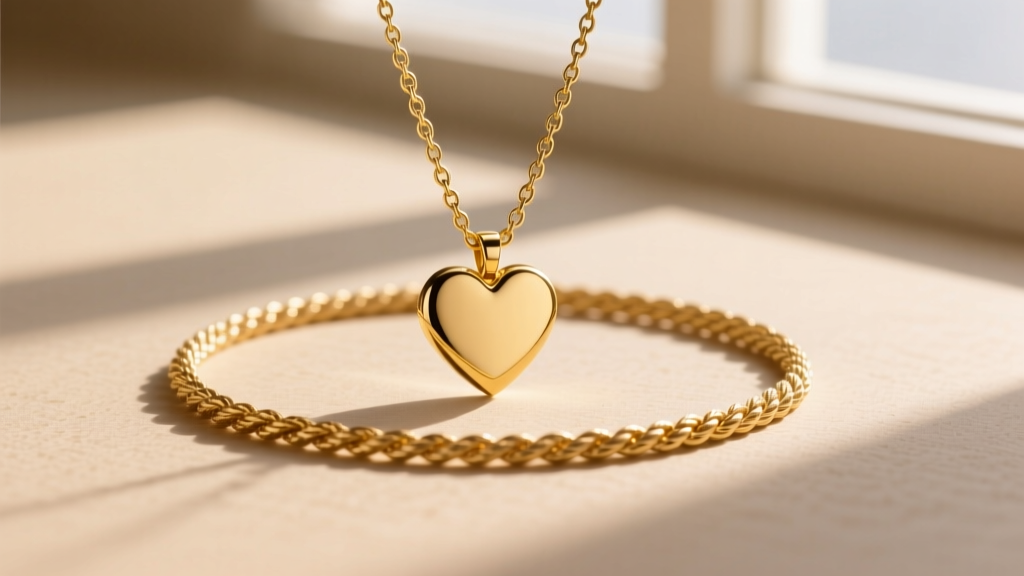
A flat gold heart pendant is only as valuable as the chain that supports it. Many budget brands offset the cost of a solid 14k pendant by stringing it on a fragile, 0.8mm hollow cable chain with a cheap spring-ring clasp. This is a structural failure waiting to happen. When assessing the total budget for your necklace, scrutinize the chain specifications:
Optimal Chain Types for Flat Pendants
Because flat hearts sit flush against the skin and can act like a small sail catching on clothing, you need a chain with high tensile strength. A 1.2mm to 1.5mm Box Chain or a 1.5mm Rope Chain offers the best balance of durability and visual proportion. Avoid snake chains, as their interlocking plates are prone to kinking and trapping body oils, which degrades the metal over time.
The Clasp Test
Never accept a spring-ring clasp on a solid gold necklace. Spring rings rely on a tiny internal steel spring that will eventually rust or fail, dropping your gold heart. Insist on a lobster clasp or a fishhook clasp, which are mechanically superior and typically cast in the same karat gold as the chain.
Engraving and Customization Impact on Resale
Flat heart necklaces are the number one choice for laser engraving initials or dates. From a sentimental perspective, this is invaluable. From a strict financial and resale perspective, however, engraving diminishes the secondary market value. A personalized pendant limits your buyer pool to scrap gold buyers or family members. If you are buying a high-karat (18k or 22k) flat heart strictly as a wearable gold investment, keep the surface pristine. If you are buying for daily sentimental wear, 14k is the superior choice, as the lower gold premium makes the 'sentimental tax' of engraving easier to swallow.
Final Verdict: Maximizing Your Budget
To get the absolute best value when purchasing a flat gold heart necklace in 2026, prioritize solid 14k gold in a modest 12mm to 15mm size over a massive, hollow 25mm electroformed piece. The solid piece will survive decades of daily wear, can be easily repaired by any bench jeweler, and will always retain a baseline melt value tied to the global gold market. Always verify the hallmark, weigh the piece, and ensure the chain features a robust lobster clasp. By treating your jewelry purchase as an acquisition of raw materials rather than just a fashion accessory, you ensure that your budget is spent on lasting intrinsic value rather than fleeting retail markup.


