Flat Silver Necklace Buying Guide: What to Look For
Discover how to choose the perfect flat silver necklace. Compare 925 vs 950 silver, herringbone vs curb weaves, and expert sizing tips for 2026.

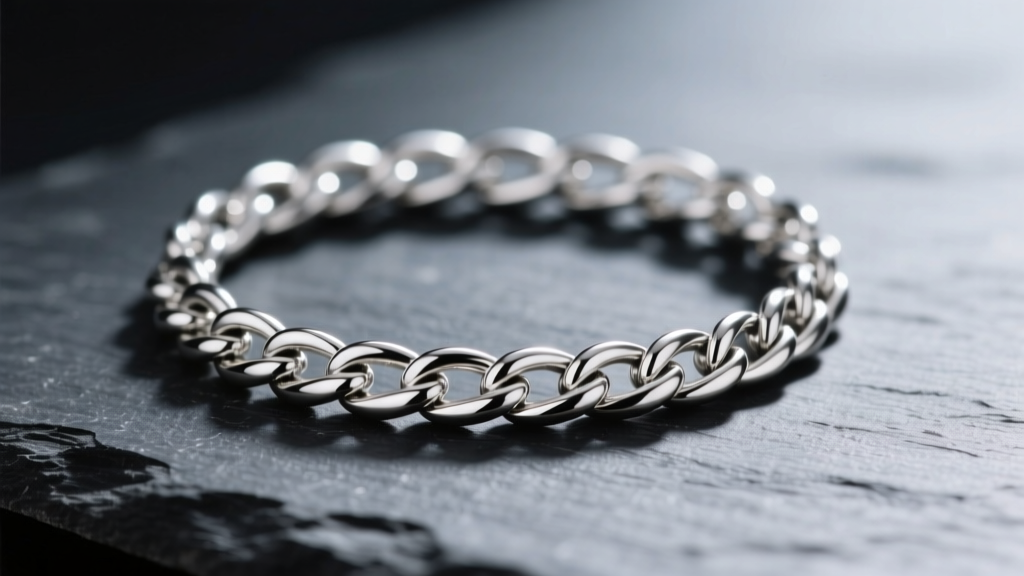
The Renaissance of the Flat Silver Necklace
Once relegated to the archives of 1980s power dressing, the flat silver necklace has experienced a massive resurgence in contemporary jewelry design. By 2026, minimalist aesthetics and 'liquid metal' trends have cemented flat chains as an absolute wardrobe staple. However, buying a flat silver necklace requires more than just picking a shiny piece from a display case. The structural integrity, metallurgical composition, and weave mechanics of flat chains dictate how they drape, kink, and age over time.
This comprehensive buying guide will walk you through the exact specifications, material grades, and design nuances you need to evaluate before investing in a flat silver chain. Whether you are looking for a delicate 1.5mm snake chain or a bold 10mm flat curb, understanding these technical details will save you from premature wear and structural failure.
Decoding Silver Purity: 925 vs. 950 vs. 999
Not all silver is created equal, especially when it comes to flat chain weaves that endure lateral stress and torque. According to the Gemological Institute of America (GIA), pure silver is too malleable for functional jewelry. Here is how the standard alloys perform in flat chains:
- 925 Sterling Silver: Composed of 92.5% pure silver and 7.5% copper (or sometimes zinc). This is the gold standard for flat chains. The copper alloy increases the Vickers hardness, giving herringbone and flat curb chains the structural memory needed to resist permanent kinking.
- 950 Britannia Silver: Containing 95% pure silver, this alloy is noticeably softer. While it offers a brighter, whiter luster, a 950 silver herringbone necklace will kink and dent much faster than its 925 counterpart. Avoid 950 for flat weaves unless the chain is exceptionally thick (over 8mm).
- 999 Fine Silver: Almost entirely pure. Fine silver is strictly used for rigid torcs or heavy cast pendants. It should never be used for flexible flat chains, as it will stretch and deform under its own weight.
Always look for the '925' or 'Sterling' hallmark stamped near the clasp. For verified authenticity, cross-reference with hallmarking standards from institutions like the London Assay Office, which provides strict guidelines on legal silver markings.
The Top 4 Flat Chain Weaves (And How They Wear)
The term 'flat silver necklace' encompasses several distinct weaves. Each interacts with light, skin, and clothing differently.
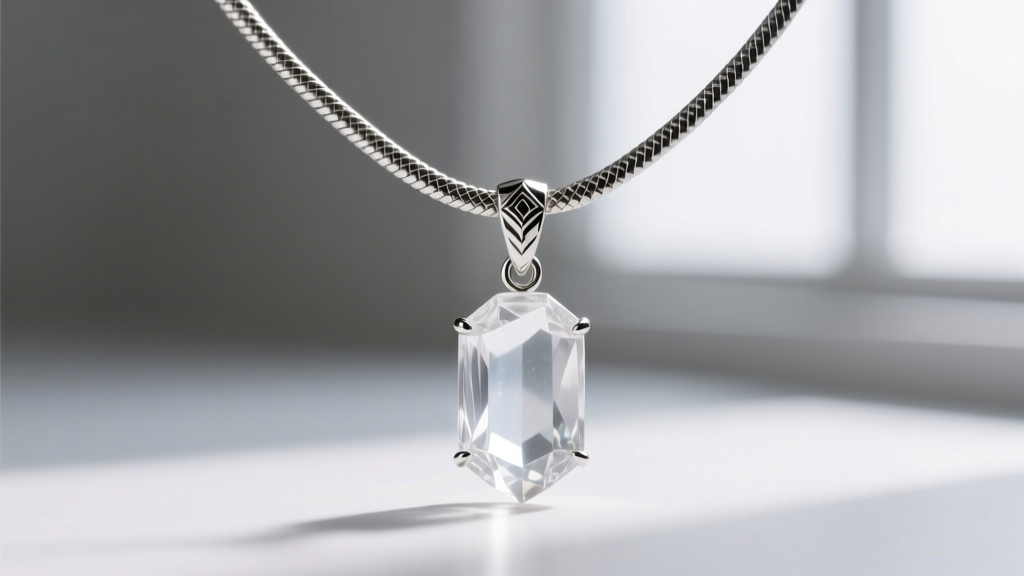
1. Herringbone (The 'Liquid Silver' Effect)
Herringbone chains consist of short, flat, parallel links set in a V-shaped pattern. Because the links are completely flush, herringbone reflects light like a mirror, creating a continuous ribbon of silver. Warning: Herringbone is notorious for kinking. Once a herringbone chain folds sharply, the structural memory of the silver is compromised, leaving a permanent crease. It is best reserved for occasional wear or layered pieces that do not bear heavy pendants.
2. Snake Chain
Snake chains feature tightly joined wavy rings that form a smooth, semi-rigid, tubular or flattened surface. Flattened snake chains offer a sleek, modern look and are significantly more resistant to kinking than herringbone. They are excellent for threading through pendant bails because of their smooth, snag-free surface.
3. Flat Curb
Created by twisting a standard cable chain so that the interlocking oval links lie completely flat against the skin. Flat curb chains are the workhorses of the silver world. They are highly durable, resistant to kinking, and can easily support heavy pendants. A 4mm to 6mm flat curb is an ideal everyday piece.
4. Box Chain (Flattened Variants)
While traditionally square, flattened box chains feature compressed, rectangular links. They offer a geometric, architectural aesthetic. However, the sharp edges of the links can sometimes catch on delicate fabrics like silk or fine knitwear.
Weave Comparison Matrix
| Weave Type | Durability | Kink Resistance | Pendant Compatibility | Best Width Range |
|---|---|---|---|---|
| Herringbone | Low | Very Poor | Poor (Too fragile) | 3mm - 8mm |
| Snake (Flat) | Medium | Fair | Excellent | 1.5mm - 4mm |
| Flat Curb | Very High | Excellent | Excellent | 2mm - 12mm |
| Flat Box | High | Good | Good | 1.5mm - 5mm |
Sizing, Gauge, and Proportions
Selecting the correct width and length is crucial for the drape of a flat silver necklace. Flat chains interact with gravity differently than round chains; their wider surface area causes them to lay flush against the collarbone, but heavier widths can feel restrictive if the length is too short.
Width Guidelines
- 1.0mm - 2.5mm (Delicate): Ideal for layering, subtle everyday wear, and threading through small gemstone pendants. Snake and flat box chains excel in this gauge.
- 3.0mm - 6.0mm (Medium): The sweet spot for standalone statement pieces. A 4mm flat curb provides substantial visual weight without feeling like armor.
- 7.0mm - 15.0mm+ (Statement): Bold, masculine, or high-fashion proportions. Flat curb and wide herringbone weaves dominate this category. Ensure the clasp is proportionally sized to handle the chain's weight.
Length Mechanics
For flat chains, the 16-inch 'choker' length sits high on the neck and is prone to bending when you look down. An 18-inch 'princess' length rests on the collarbone, allowing the flat links to drape naturally without torque. If you are buying a wide herringbone chain (over 5mm), opt for 20 inches or longer to prevent the rigid ribbon from folding when you move.
Clasp Mechanics: The Weak Point of Flat Chains
Flat chains generate lateral torque. When a flat curb or herringbone chain twists, the stress is transferred directly to the clasp. Standard spring-ring clasps are entirely inadequate for flat silver necklaces wider than 3mm, as the torque will eventually warp the delicate spring mechanism.
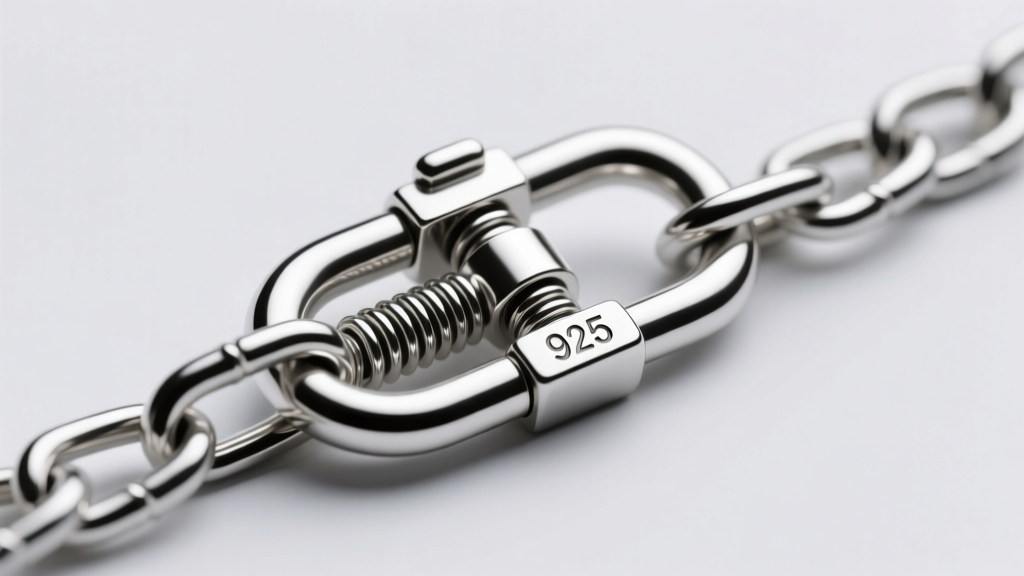
- Lobster Claw: The minimum requirement for chains between 2mm and 6mm. Look for 'heavy-duty' or 'solid' lobster clasps with a thick trigger mechanism.
- Box Clasp with Figure-8 Safety: The premium choice for wide flat chains (7mm+). The box mechanism locks the chain ends perfectly flush, maintaining the continuous flat line of the necklace, while the figure-8 wire acts as a backup if the primary latch fails.
- Magnetic Clasps: Gaining popularity in 2026 for ease of use, but ensure the internal magnets are neodymium and housed in a screw-threaded silver barrel to prevent accidental detachment.
Maintenance, Tarnish, and Rhodium Plating
Silver naturally oxidizes when exposed to sulfur compounds in the air, leading to tarnish. Because flat chains have a high surface-area-to-volume ratio, tarnish can be highly visible, dulling the mirror-like finish of a herringbone or curb chain.
Many modern flat silver necklaces are 'flash-plated' with rhodium—a precious metal in the platinum family. Rhodium plating provides a brilliant, cool-white finish and acts as an impermeable barrier against tarnish. However, this plating is microscopic (usually 0.05 to 0.1 microns thick) and will eventually wear off on the back of the chain where it rubs against the skin.
Expert Care Protocol
- Storage: Never store flat chains in a tangled pile. Lay them perfectly flat in a jewelry box or hang them vertically. Always include a 3M anti-tarnish silica strip in the storage compartment.
- Cleaning: Avoid harsh silver dip liquids, which can strip rhodium plating and leave a chalky residue in the microscopic seams of herringbone links. Instead, use a few drops of mild dish soap in warm water, agitate gently, and dry completely with a microfiber cloth before storing.
- Polishing: Use a specialized silver polishing cloth infused with micro-abrasives. Rub strictly in the direction of the chain links; rubbing against the grain of a herringbone weave can lift the individual scales and cause fraying.
Final Purchasing Checklist
Before finalizing your purchase, verify these five critical data points:
- Is the hallmark clearly stamped '925' or 'Sterling'?
- Does the weave match your lifestyle? (Avoid herringbone for active, daily wear).
- Is the clasp proportionally sized and mechanically sound for the chain's width?
- If buying online, does the listing specify the exact millimeter width and gram weight?
- Is the chain rhodium-plated, and are you aware of the long-term maintenance required once the plating wears?
By prioritizing metallurgical quality and structural mechanics over fleeting aesthetic trends, you will secure a flat silver necklace that remains a resilient, luminous fixture in your jewelry collection for decades.


