The Floating Necklace Pearl: A Beginner's Style Guide
Discover how to choose, style, and care for a floating necklace pearl. Learn about chain types, pearl grades, and the best necklines for this elegant look.

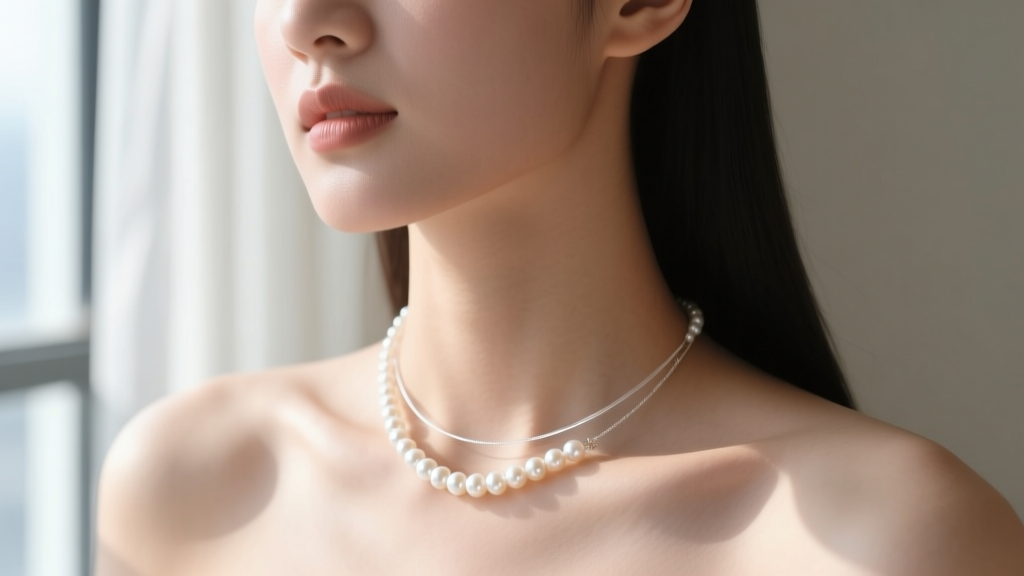
The floating necklace pearl—often referred to in the jewelry industry as a 'tin cup' or illusion necklace—is a masterclass in minimalist elegance. Characterized by solitary pearls spaced evenly along a nearly invisible wire or delicate chain, this design creates the breathtaking illusion that the gems are hovering just above the skin. Whether you are stepping into the world of fine jewelry for the first time or looking to refine your everyday accessories, understanding the mechanics, materials, and styling nuances of a floating necklace pearl is essential.
In this comprehensive beginner's guide, we will decode the anatomy of these ethereal necklaces, explore the best materials for longevity, and provide actionable frameworks for styling them with your existing wardrobe.
The Anatomy of an Illusion Necklace
The magic of a floating necklace pearl lies in its structural tension. Unlike traditional pearl strands where gems are knotted continuously, floating styles utilize 'negative space' as a core design element. Typically, a floating necklace features between five and nine pearls, spaced 2.5 to 3.5 inches apart, concentrated on the front 12 to 16 inches of the strand. The back of the neck is usually left bare or finished with a simple chain, which not only reduces the overall weight but also lowers the cost of production, making high-quality pearls more accessible.
Wire vs. Chain: The Foundation
When shopping for a floating necklace pearl, you will encounter two primary foundation materials:
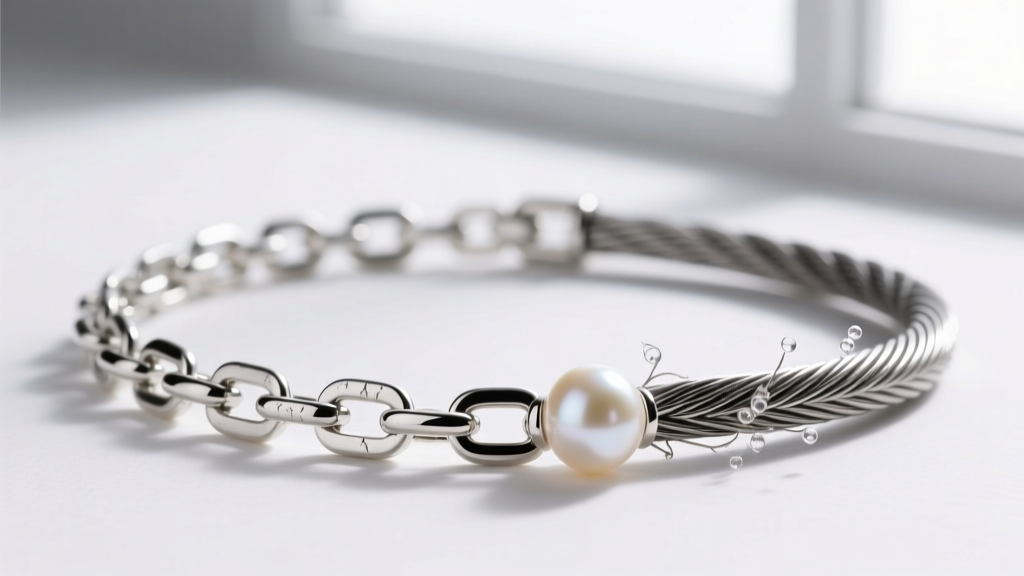
- Illusion Wire: The industry standard is a 49-strand micro-fused stainless steel wire coated in clear nylon (such as Beadalon 49-strand in 0.015-inch diameter). The 49-strand construction is critical; cheaper 7-strand or 19-strand wires lack the drape required for this style and will permanently kink when bent.
- Delicate Chain: For a more traditional metallic look, jewelers use 0.8mm to 1.0mm cable or box chains in sterling silver or 14k gold. Chains offer better longevity than wire but introduce a visible metallic line between the pearls.
Decoding the Pearls: Size, Grade, and Type
Not all pearls are suited for floating designs. Because the gems are isolated, they act as individual focal points rather than blending into a continuous strand. Furthermore, heavy pearls will cause thin illusion wires to sag awkwardly or stretch the nylon coating over time.
The 'sweet spot' for a floating necklace pearl is between 5.0mm and 7.0mm. This size provides enough visual presence to stand alone while remaining light enough to maintain the structural integrity of the wire. According to the Gemological Institute of America (GIA), luster and surface cleanliness are the most critical value factors for isolated pearls, as there are no neighboring gems to hide blemishes.
| Pearl Type | Ideal Size for Floating Styles | Luster Profile | 2026 Market Price Range (Per Segment) |
|---|---|---|---|
| AA+ Freshwater | 5.0mm - 7.0mm | High, sharp reflections | $45 - $120 |
| Akoya (Japanese) | 5.0mm - 6.5mm | Mirror-like, intense | $150 - $350 |
| Edison Freshwater | 7.0mm - 8.0mm | Deep, metallic overtone | $90 - $200 |
Note: In 2026, high-grade Edison and near-round freshwater pearls have largely closed the luster gap with Akoya, making them the smartest investment for beginners seeking luxury on a budget.
How to Style Your Floating Necklace Pearl
The versatility of the floating necklace pearl is unmatched, but its impact relies heavily on pairing it with the correct neckline. Because the design relies on skin exposure to create the 'floating' effect, high-collared shirts or heavily patterned fabrics will ruin the illusion.
The Neckline Matrix
- The Scoop Neck (16-inch length): A 16-inch choker-style floating necklace sits perfectly along the collarbone, framing the face and mirroring the curve of a scoop neckline. This is the most classic, universally flattering pairing.
- The V-Neck (18 to 20-inch length): Allow the pearls to cascade down the center of your chest, parallel to the V-neck. An 18-inch drop ensures the lowest pearl rests just above the hem of the blouse, elongating the torso.
- The Boatneck / Bateau (24-inch length): Boatnecks sit high on the collarbone. To avoid visual clutter, opt for a matinee-length (24-inch) floating strand that drops below the fabric line, resting on the upper sternum.
Layering Techniques
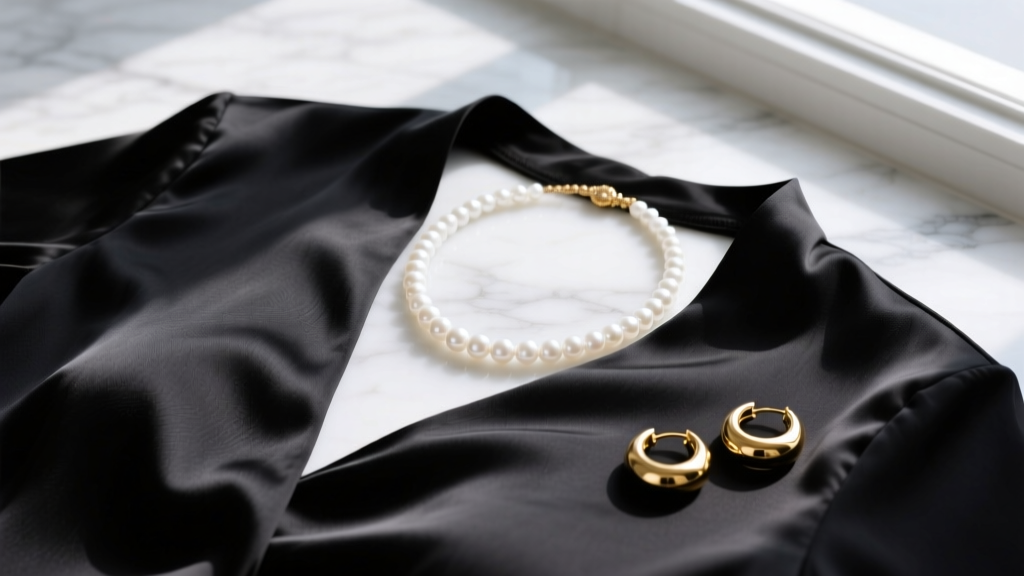
While the floating necklace pearl is a statement of minimalism, it can be layered if done with strict adherence to scale. Pair a 16-inch floating pearl strand with a 20-inch delicate gold pendant necklace. The key rule of layering illusion necklaces is to ensure the secondary chain is at least 3 inches longer than the pearl strand to prevent the gems from scratching against metal charms.
Sizing, Spacing, and Hardware
If you are buying vintage or having a piece custom-made, pay close attention to the hardware. The pearls in a floating necklace are secured using crimp beads. Expert jewelers use 2x2mm sterling silver or gold-filled tube crimps, secured with a micro-crimping tool that folds the metal into a rounded U-shape.
Avoid any floating necklace where the crimp beads have been flattened with standard flat-nose pliers. Flattened crimps act like tiny scissors, slowly shearing the nylon-coated wire until the necklace snaps.
Additionally, ensure the clasp is a lightweight lobster claw or a small spring ring. Heavy toggle clasps will pull the back of the wire down, causing the front pearls to slide backward and ruin the symmetrical spacing.
Care and Maintenance for Longevity
Illusion wire and delicate chains require specific care protocols to prevent permanent damage. The GIA Pearl Care Guide emphasizes that organic gems are highly susceptible to chemicals and dehydration, but the wire mechanics require equal attention.
- Never Hang Illusion Wire: Hanging a floating necklace pearl on a jewelry tree or hook will cause gravity to stretch the nylon coating, leading to permanent kinks. Always store the necklace laid flat in a soft pouch or loosely coiled in a jewelry box.
- The 'Last On, First Off' Rule: Pearls are porous. Perfumes, hairsprays, and lotions will degrade their luster and eat away at the nylon wire coating. Always apply your cosmetics before putting on your necklace.
- Cleaning Protocol: Never use ultrasonic cleaners or chemical jewelry dips. Simply wipe the pearls with a damp, lint-free microfiber cloth after wearing, and use a dry cotton swab to gently clean the crevices around the crimp beads.
Final Thoughts
The floating necklace pearl remains a triumph of modern jewelry design, bridging the gap between classic elegance and contemporary minimalism. By prioritizing 49-strand wire construction, selecting pearls in the 5mm to 7mm range, and matching the strand length to your most-worn necklines, you can secure a piece that feels both magical and enduring. Whether you choose the mirror-like luster of an Akoya or the budget-friendly brilliance of modern freshwater pearls, mastering this style is a foundational step in curating a sophisticated jewelry wardrobe.


