Hope Diamond Necklace Value Guide: Replicas & Alternatives
Discover the true value of a Hope Diamond necklace. We compare lab-grown blue diamonds, sapphires, and topaz replicas to help you budget wisely.

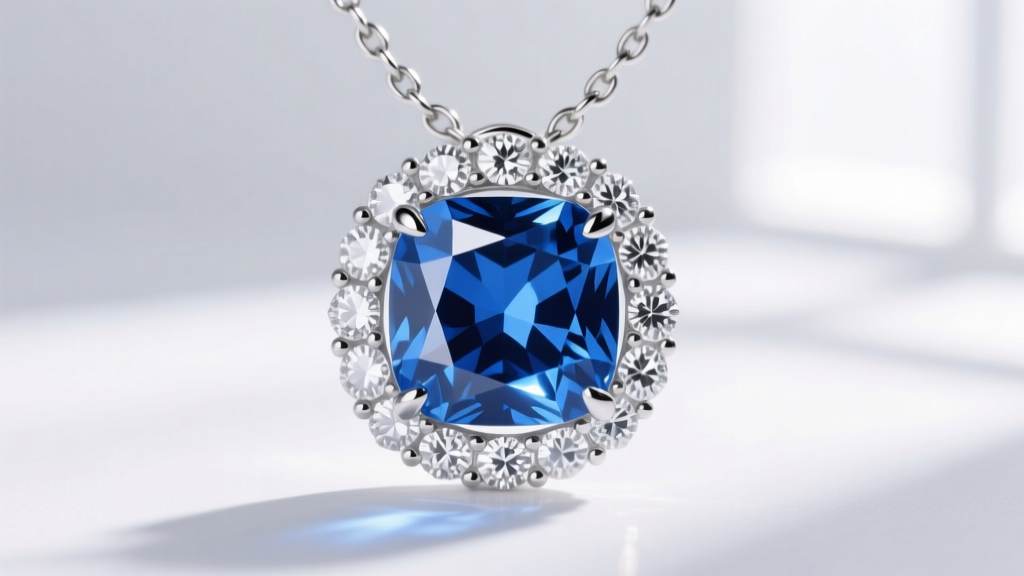
The allure of the Hope Diamond is undeniable. Weighing in at a staggering 45.52 carats and boasting a mesmerizing Fancy Deep Grayish-Blue hue, the original gem rests securely behind bulletproof glass at the Smithsonian National Museum of Natural History. Because acquiring the genuine artifact is impossible, the market for a 'hope diamond necklace' is entirely driven by replicas, inspired designs, and blue gemstone alternatives. However, not all replicas offer the same value. As we navigate the 2026 jewelry market, understanding the material science, pricing tiers, and structural integrity of these inspired pieces is critical for making a financially sound purchase.
The Anatomy of the Hope Diamond and Replica Scaling
To evaluate the value of a replica, you must first understand the geometry of the original. The Hope Diamond features a cushion antique brilliant cut with a high crown and deep pavilion, measuring exactly 25.60 x 21.78 x 12.00 mm. When jewelers create a hope diamond necklace, they rarely replicate these exact dimensions, as a 45-carat center stone would be unwieldy and prohibitively expensive even in synthetic materials. Instead, high-quality replicas typically scale the center stone down to a 3.00 to 5.00-carat equivalent (roughly 9mm to 11mm in diameter). Furthermore, the original is surrounded by a halo of 16 white pear and cushion-cut diamonds. A true value-driven replica will mimic this specific halo geometry rather than defaulting to a standard round-brilliant micro-pave halo, which fundamentally alters the historical silhouette.
Material Breakdown: Evaluating Blue Gemstone Alternatives
The most significant factor in your budget assessment is the center stone material. The market is saturated with misleading terminology, so it is vital to look past the marketing copy and examine the gemological reality. Below is a comparative analysis of the most common materials used in hope diamond necklace replicas.
| Material | Mohs Hardness | Avg. Price Per Carat | Value Retention | Best For |
|---|---|---|---|---|
| Lab-Grown Blue Diamond | 10 | $1,500 - $4,000 | Low (Resale) / High (Wear) | Luxury replicas, heirloom pieces |
| Natural Blue Sapphire | 9 | $800 - $2,500 | Moderate | High-end alternatives, daily wear |
| London Blue Topaz | 8 | $20 - $50 | Low | Budget-friendly, large carat sizes |
| Cubic Zirconia (CZ) | 8 - 8.5 | $5 - $20 (Total) | None | Costume jewelry, temporary wear |
Lab-grown blue diamonds, created via High Pressure High Temperature (HPHT) or Chemical Vapor Deposition (CVD) methods, offer the exact optical and physical properties of the original Hope Diamond. However, their resale value has depreciated significantly by 2026 due to market oversaturation. You are paying for optical perfection and extreme durability, not investment potential. London Blue Topaz, while beautiful, possesses perfect cleavage, meaning a hard knock against a table edge can cause the stone to fracture—a critical failure mode to consider for everyday wear.
Metal and Setting Considerations That Maximize Value
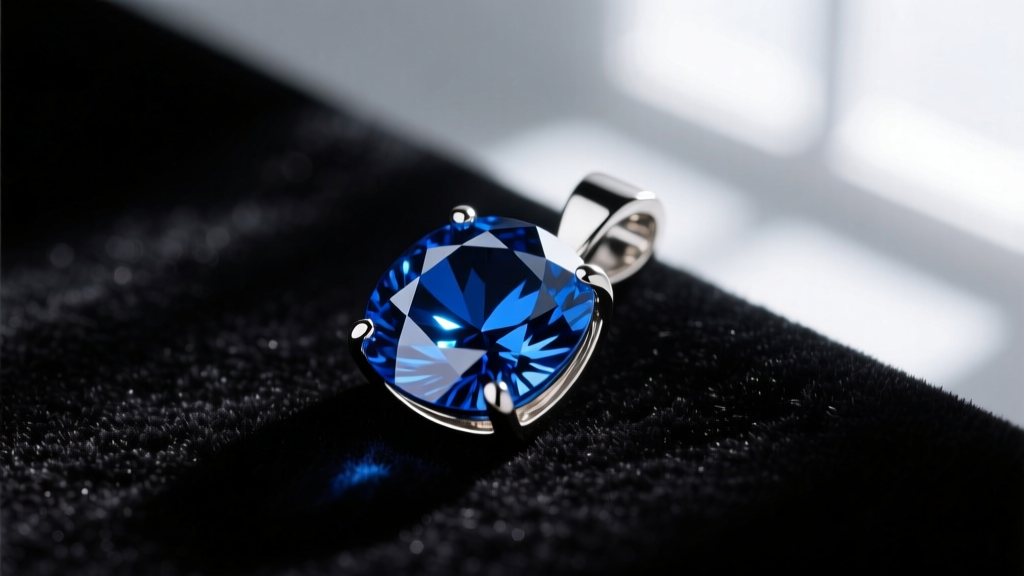
The setting of your hope diamond necklace dictates both its longevity and its maintenance costs. The original Hope Diamond pendant is set in platinum, and for good reason. Platinum (950 grade) is a dense, naturally white metal that does not require plating. When scratched, platinum simply displaces, developing a patina that can be polished without losing metal mass.
Conversely, many mid-tier replicas utilize 14k or 18k white gold to keep costs down. White gold is an alloy of yellow gold and white metals like nickel or palladium, and it must be plated with rhodium to achieve a bright white finish. The failure mode here is predictable: the rhodium plating will wear off within 12 to 24 months of regular wear, revealing the slightly yellowish undertone of the white gold beneath. Re-plating a complex halo setting typically costs between $75 and $150. If you are budgeting for a white gold hope diamond necklace, you must factor in this recurring maintenance cost, which often makes 950 Platinum the more economical choice over a 10-year ownership period.
2026 Budget Tiers: What You Should Actually Spend
When shopping for a hope diamond necklace, it is easy to fall into the trap of overpaying for brand prestige or underpaying for materials that will degrade. Here is a practical decision framework based on current market pricing.
The Entry Tier: $150 to $400
At this price point, you are looking at London Blue Topaz or high-grade Cubic Zirconia set in sterling silver or 10k gold. This tier is strictly for aesthetic enjoyment and occasional wear. Ensure the CZ is graded as 'hearts and arrows' for optimal light return, and avoid sterling silver chains thinner than 1.2mm, as they will snap under the weight of a 4-carat center stone.
The Mid-Range Tier: $1,200 to $3,500
This is the sweet spot for value. In this bracket, you can acquire a 2.00 to 3.00-carat lab-grown blue diamond or a high-quality natural blue sapphire set in 14k white gold. The focus here should be on the precision of the cut. A poorly cut lab diamond will suffer from 'extinction' (dark, lifeless areas in the center), completely ruining the illusion of the famous Hope Diamond.
The Luxury Tier: $5,000 to $15,000+
At this level, you are commissioning or purchasing a bespoke replica featuring a 4.00+ carat lab-grown blue diamond with a VS1+ clarity grade, set in solid 950 Platinum with a meticulously matched halo of natural white diamonds. This tier offers the closest visual and physical approximation to the historic artifact.
Red Flags and Value Traps to Avoid
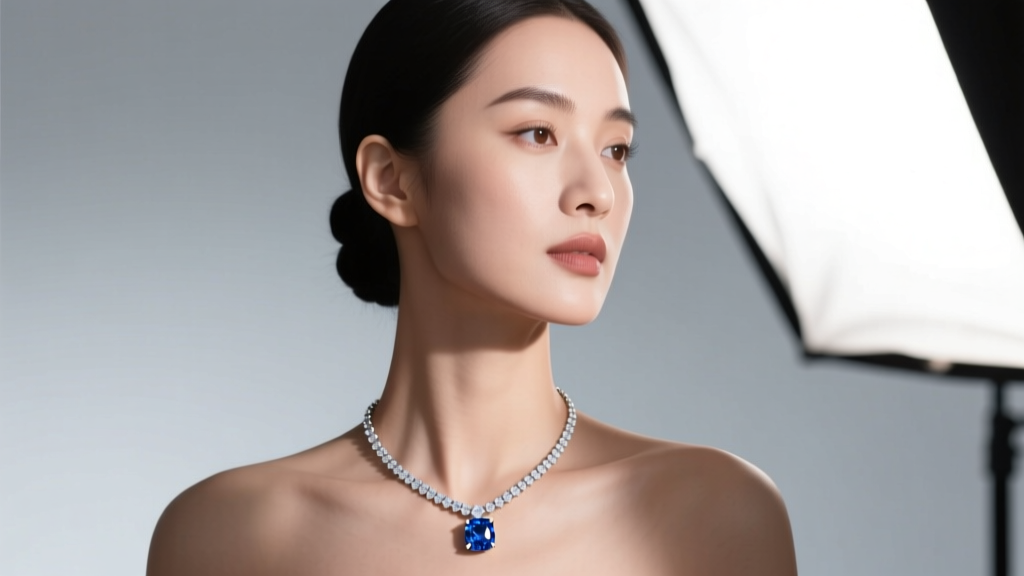
The most common value trap in the blue diamond market is the 'irradiated natural diamond.' According to the Gemological Institute of America (GIA), low-grade yellowish diamonds are often exposed to high-energy radiation to alter their color to blue. While these are technically 'natural' diamonds, the resulting color often leans heavily toward grayish-green or teal, lacking the rich, violet-blue saturation of the true Hope Diamond. Furthermore, these treated stones carry a massive markup despite starting as low-quality, heavily included base material. Always demand a grading report from a reputable lab (like GIA or IGI) that explicitly states the origin of the color. If the report says 'color treated' or 'irradiated,' walk away unless the price reflects a steep discount.
Final Verdict: Assessing True Value
A hope diamond necklace is a purchase driven by historical romance and aesthetic appreciation, not financial investment. To extract the maximum value from your budget, prioritize optical precision and structural durability over inflated brand names. For most buyers in 2026, a 3-carat lab-grown blue diamond set in a historically accurate cushion halo, suspended from a durable 1.5mm platinum cable chain, represents the ultimate intersection of visual fidelity, everyday wearability, and responsible budgeting.


