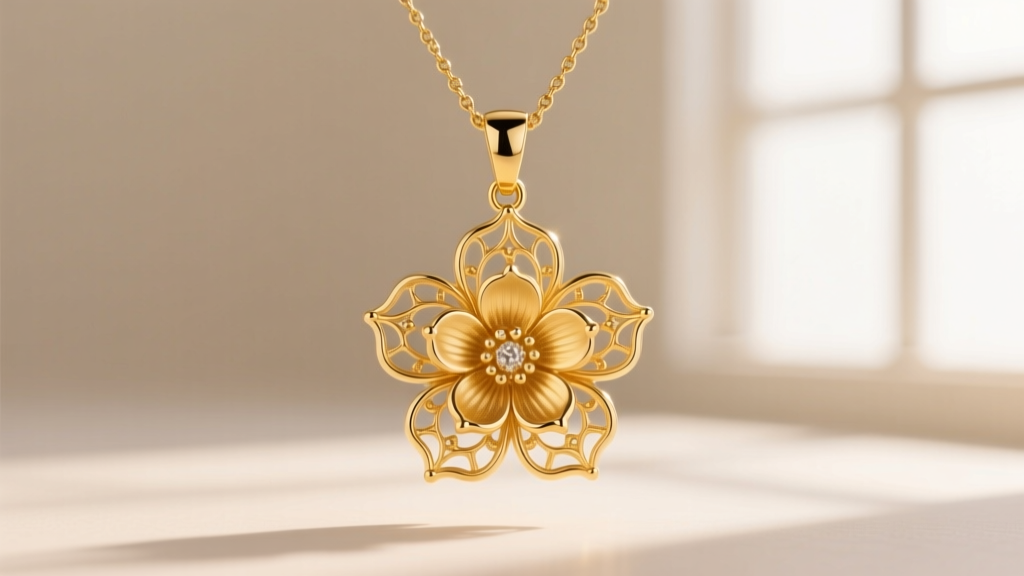
The Flower Necklace Hawaii Name: Plumeria & Pikake Pendants
Discover the true flower necklace Hawaii name, from Plumeria to Pikake. Learn about materials, cultural roots, and how to style Hawaiian pendants.

What is the Flower Necklace Hawaii Name?
When travelers return from the islands or browse online for tropical jewelry, they frequently search for the flower necklace hawaii name to recreate a cherished vacation memory. In traditional Hawaiian culture, the iconic flower garland draped around the neck is called a lei. However, when translating this beautiful, fragrant tradition into fine, enduring jewelry, the "flower necklace" takes on specific botanical names based on the exact blossom it represents. Understanding these names—and the profound cultural weight they carry—is essential for any jewelry enthusiast looking to invest in authentic Hawaiian pendants in 2026.
While a fresh lei is temporary, a finely crafted pendant serves as a permanent homage to the islands. According to the Bishop Museum, the practice of gifting lei is deeply rooted in the Hawaiian concept of aloha, representing love, respect, and the binding of spirits. Today, jewelers capture this spirit using precious metals, endemic woods, and oceanic inlays. Let us explore the specific flowers that inspire these designs and how to choose the right material for your lifestyle.
The Big Three: Plumeria, Pikake, and Hibiscus
To accurately identify a Hawaiian flower necklace, you must first recognize the botanical muses behind the metalwork. While dozens of tropical flowers exist, three dominate the fine jewelry market due to their cultural significance and distinct silhouettes.
1. Plumeria (Melia)
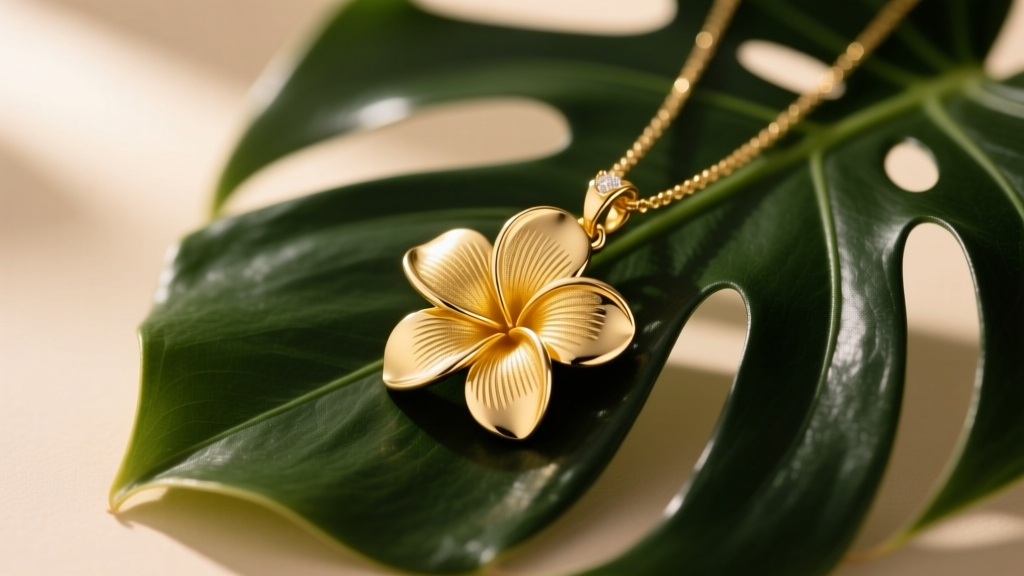
The plumeria is arguably the most recognized symbol of the tropics. In Hawaii, it is known as melia. Characterized by its five distinct, overlapping petals that spiral into a central point, the plumeria represents positivity, new beginnings, and grace. In jewelry design, plumeria pendants are highly dimensional. Jewelers often use a technique called "florentine finishing" on the gold or silver petals to mimic the soft, velvety texture of the real flower. A standard sterling silver plumeria pendant usually measures between 15mm and 25mm in diameter, making it a versatile piece for daily wear.
2. Pikake (Jasmine)
If you are searching for a flower necklace hawaii name associated with romance and weddings, the answer is Pikake (Jasminum sambac). Translating to "peacock" in Hawaiian, this small, delicate white jasmine was a favorite of Princess Kaiulani. Pikake leis are the traditional choice for Hawaiian brides. In jewelry, pikake charms are much smaller than plumeria, often measuring just 6mm to 10mm. They are frequently clustered together on a chain to mimic a strand of pearls or a fresh lei, or set as tiny, intricate accents on a larger pendant.
3. Hibiscus (Aloalo)
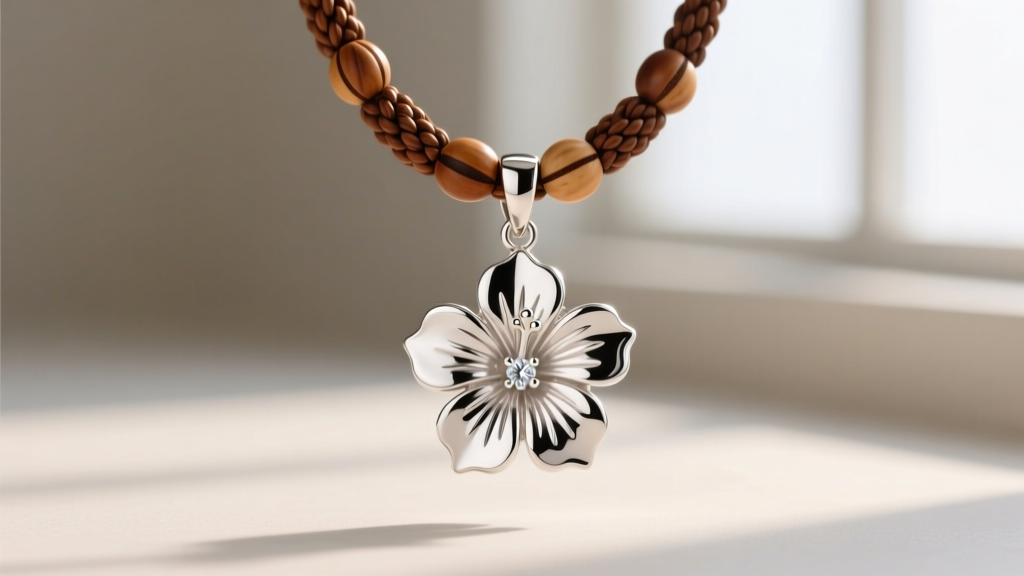
The yellow hibiscus, or aloalo, is the official state flower of Hawaii. It symbolizes delicate beauty and royalty. The hibiscus features five broad, open petals with a prominent, elongated stamen in the center. Translating this complex anatomy into metal requires exceptional craftsmanship. High-end hibiscus pendants often feature a small, bezel-set diamond or a tiny mother-of-pearl cabochon in the center of the stamen to replicate the flower's natural pollen texture.
Material Science: Crafting Island Jewelry
The longevity and aesthetic of your Hawaiian pendant depend entirely on its material composition. The humid, salt-heavy air of the islands requires specific material considerations. Below is a breakdown of the most common materials used in authentic Hawaiian flower jewelry, complete with durability metrics and current market pricing.
| Material | Best For | Mohs Hardness | Avg. Price Range | Care Level |
|---|---|---|---|---|
| 925 Sterling Silver | Everyday wear | 2.5 - 3.0 | $60 - $250 | Low (Polish cloth) |
| 14k Yellow Gold | Heirloom pieces | 2.5 - 3.0 | $400 - $1,500+ | Low |
| Koa Wood (Acacia koa) | Casual, earthy | ~1.5 | $45 - $150 | High (Avoid water) |
| Mother of Pearl Inlay | Tropical elegance | 2.5 - 4.5 | $80 - $300 | Medium (No chemicals) |
Deep Dive: Koa Wood and Mother of Pearl
Koa wood is endemic to Hawaii and is renowned for its rich, golden-brown grain. Due to strict environmental protections, authentic koa jewelry is carved only from naturally fallen trees, as noted by the Hawaii Department of Agriculture. Because it is an organic, porous material, koa wood pendants must never be submerged in water or worn in the ocean, as salt will rapidly degrade the wood fibers.
Mother of pearl, harvested from the Pinctada margaritifera oyster, is frequently used as an inlay for plumeria petals to give them a luminous, iridescent glow. The Gemological Institute of America (GIA) warns that organic gems like mother of pearl are highly sensitive to acids, perfumes, and chlorine. Always apply your sunscreen and cosmetics before putting on a mother-of-pearl inlaid necklace.
Chain Pairing and Length Guide
A Hawaiian flower pendant is only as good as the chain that supports it. The weight and visual density of tropical flowers require specific chain structures to prevent tangling and breakage.
- 16-Inch Choker Length: Best for tiny 6mm Pikake charms or lightweight, flat-profile plumeria pendants. This length sits snugly on the collarbone and is ideal for open-neck blouses.
- 18-Inch Standard Length: The most versatile choice. An 18-inch rope chain or box chain perfectly supports a 15mm to 20mm sterling silver or 14k gold hibiscus pendant, allowing it to rest just below the clavicle.
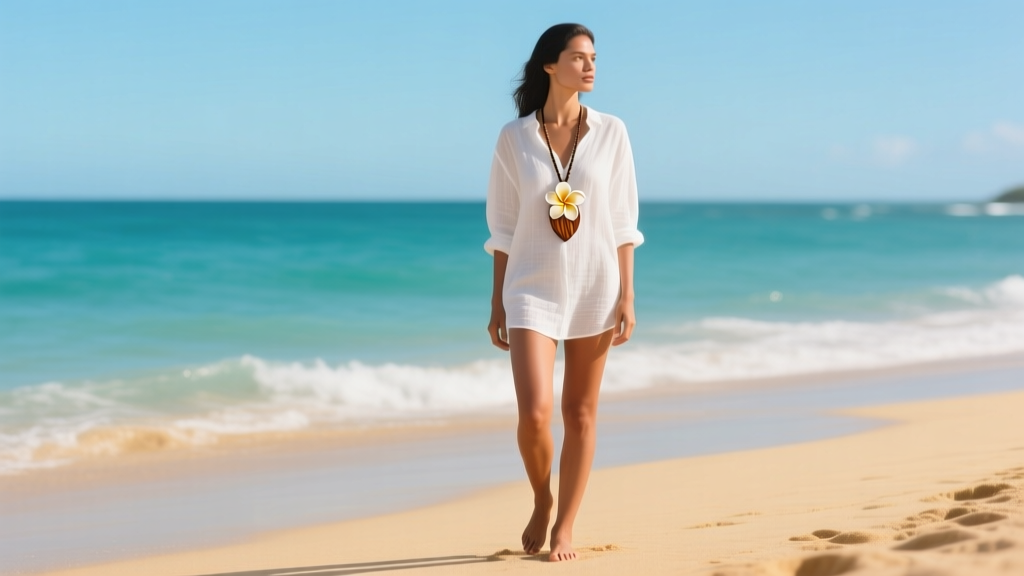
- 24-Inch Matinee Length: Reserved for heavy, oversized pendants, particularly those carved from solid Koa wood or strung on traditional Kukui nut cords. This length allows the pendant to rest on the sternum, making it perfect for wearing over linen shirts or casual dresses.
Pro Tip: Avoid delicate cable chains for heavy metal hibiscus pendants. The intricate, asymmetrical weight distribution of a hibiscus stamen can cause thin chains to kink and eventually snap. Opt for a 1.5mm to 2.0mm box chain for optimal structural integrity.
How to Style Your Hawaiian Flower Necklace
Styling a tropical pendant in 2026 is all about balancing casual island vibes with modern, sophisticated layering techniques. You do not need to be on a beach to wear a plumeria or pikake necklace. For a contemporary, office-appropriate look, pair a minimalist 14k gold pikake pendant on a 16-inch chain with a crisp, white button-down shirt. The small floral charm adds a subtle touch of personality without overwhelming your professional attire.
For weekend layering, combine a medium-sized mother-of-pearl plumeria pendant with a simple gold herringbone chain and a tiny, bezel-set diamond solitaire necklace. The contrast between the organic, iridescent shell and the sharp, geometric diamond creates a visually striking, multi-dimensional neckline. Remember the golden rule of layering: ensure there is at least a two-inch difference in chain lengths to prevent the clasps and pendants from tangling throughout the day.
Care and Maintenance for Island Jewelry
Proper maintenance ensures your Hawaiian flower necklace retains its luster for generations. The cleaning method you choose must be strictly matched to your material.
"Never place organic materials like Koa wood, Kukui nut, or Mother of Pearl in an ultrasonic jewelry cleaner. The high-frequency vibrations and heated chemical baths will shatter inlays and strip the natural oils from endemic woods."
For solid 14k gold and 925 sterling silver plumeria or hibiscus pendants, a simple bath in warm water with a few drops of mild, phosphate-free dish soap is sufficient. Use a soft-bristled baby toothbrush to gently clean the crevices between the metal petals where skin oils and lotion accumulate. Dry thoroughly with a microfiber cloth. For Koa wood pendants, wipe them down with a dry, lint-free cloth and apply a single drop of food-grade mineral oil once every six months to maintain the wood's rich color and prevent cracking.
By understanding the true flower necklace hawaii name and the specific material requirements of each design, you can confidently select a piece of Hawaiian jewelry that honors the islands' rich botanical heritage while perfectly complementing your personal style.