Flowery Necklace Hawaii: 2026 Value & Buyer's Guide
Discover the true value of a flowery necklace Hawaii. Our 2026 buyer's guide breaks down pricing, materials, and how to avoid tourist traps.

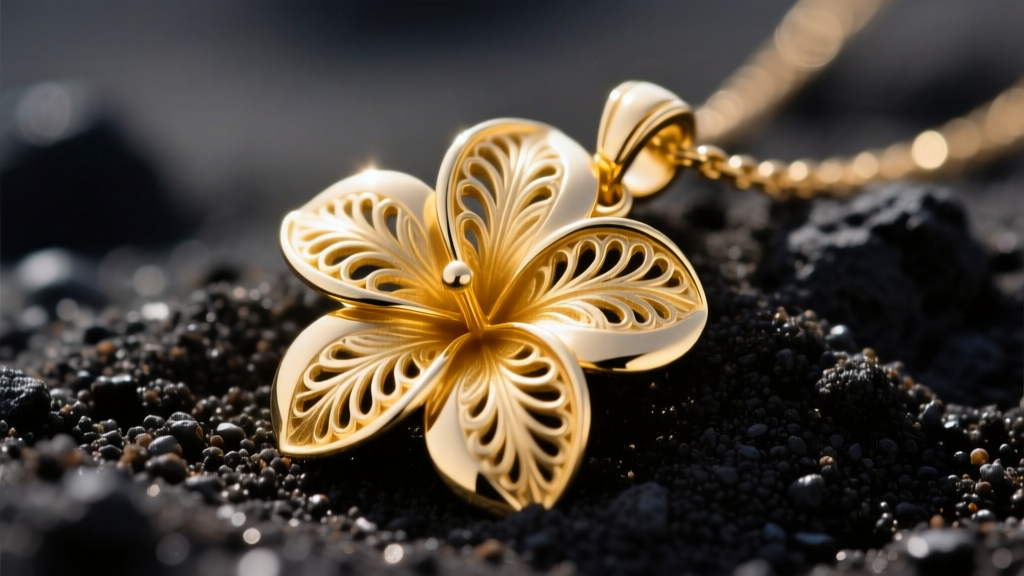
The True Cost of Hawaiian Floral Jewelry
When searching for the perfect flowery necklace hawaii, buyers are often overwhelmed by the sheer variance in pricing. Walk into any boutique in Waikiki or Lahaina, and you will see floral pendants—ranging from delicate plumeria to bold hibiscus designs—priced anywhere from $15 to over $3,000. But how do you determine if a piece is a genuine heirloom investment or an overpriced tourist trinket? As we move through 2026, the jewelry market has seen significant shifts in precious metal valuations and manufacturing techniques, making it more critical than ever to understand what you are actually paying for.
Hawaiian jewelry is deeply rooted in the islands' history, dating back to the Victorian era when Queen Liliʻuokalani and other royals popularized hand-engraved gold pieces. Today, the market is saturated with mass-produced imports that mimic these traditional designs. This comprehensive value assessment will help you navigate the metallurgical realities, craftsmanship markers, and fair market pricing of Hawaiian floral necklaces, ensuring your purchase holds both sentimental and financial value.
Material Breakdown: What You Are Actually Paying For
The foundation of any jewelry piece's value lies in its base metal. The humid, salt-air climate of Hawaii is notoriously unforgiving on inferior metals, accelerating oxidation and tarnishing. Understanding material grades is your first line of defense against overpaying.
Base Metals & Plating (The $15 - $45 Tier)
Pendants in this tier are typically cast from zinc alloys, brass, or pewter, and then flash-plated with a microscopic layer of gold or silver. While they may look appealing on the display shelf, the plating will inevitably wear off, exposing the base metal to sweat and humidity. According to the Federal Trade Commission (FTC) Jewelry Guides, items with negligible precious metal content cannot be legally stamped with karat marks. If a pendant lacks a clear '925', '10k', or '14k' stamp, assume it is base metal. These pieces hold zero intrinsic resale value and are prone to causing contact dermatitis.
Sterling Silver (The $60 - $180 Tier)
Solid 925 sterling silver is the sweet spot for budget-conscious buyers seeking genuine precious metal. A high-quality sterling silver plumeria or pikake pendant should weigh between 3 to 6 grams. In 2026, with silver spot prices fluctuating, the raw material cost of a 5-gram pendant is relatively low, meaning you are primarily paying for the labor and design. Look for pieces that feature rhodium plating over the silver; this prevents the black tarnish that forms rapidly in tropical environments. However, be wary of 'Tibetan Silver' or 'Hawaiian Silver' labels, which are often marketing terms for nickel-heavy alloys containing no actual silver.
Solid Gold (The $350 - $2,500+ Tier)
Authentic Hawaiian heirloom jewelry is traditionally crafted in 14k (58.5% pure gold) or 18k (75% pure gold) yellow gold. The Gemological Institute of America (GIA) notes that 14k gold offers the ideal balance of rich color and structural durability for everyday wear. A solid 14k gold hibiscus pendant weighing 4 grams will have a baseline melt value dictated by the daily gold spot price, plus a premium for craftsmanship. High-end pieces will feature hand-engraving and vitreous enamel, drastically increasing the artisan labor cost and overall value.
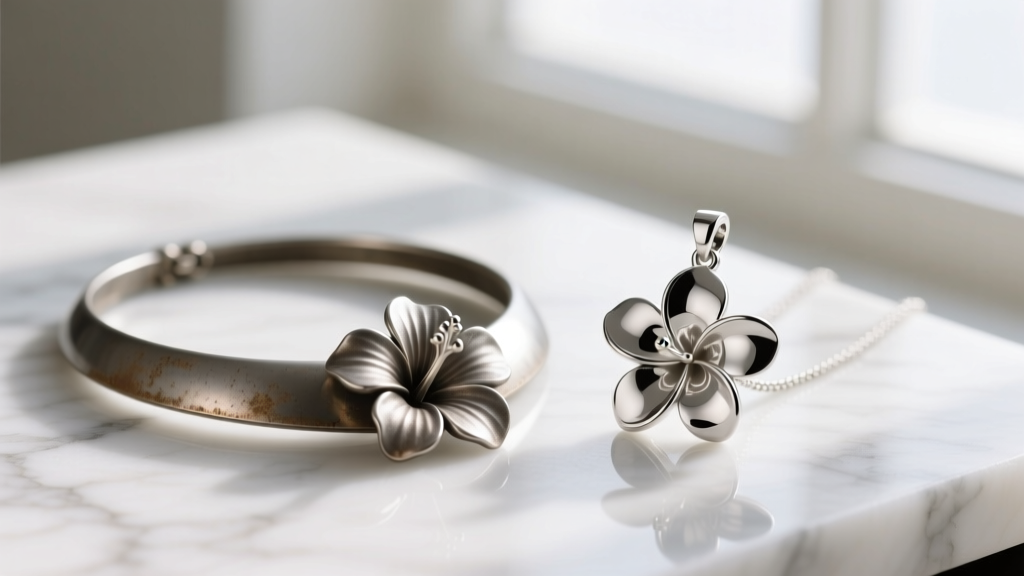
Price vs. Value Matrix: Hawaiian Floral Pendants
To help you benchmark prices during your shopping excursions, we have compiled a value matrix based on 2026 market averages for standard floral motifs. This table assumes standard pendant weights (3g - 6g) without heavy diamond accents.
| Design Motif | Base Metal / Plated | Solid 925 Silver | Solid 14k Gold | Value Verdict |
|---|---|---|---|---|
| Plumeria (Frangipani) | $15 - $30 | $65 - $110 | $400 - $750 | Highest versatility; best value in 14k gold for daily wear. |
| Hibiscus (State Flower) | $20 - $45 | $80 - $150 | $500 - $900 | Larger surface area; avoid plated versions as they tarnish fastest. |
| Pikake (Jasmine Vine) | $25 - $50 | $90 - $180 | $600 - $1,200 | Complex casting required; high labor cost justifies higher silver/gold prices. |
| Orchid (Exotic Bloom) | $20 - $40 | $75 - $140 | $450 - $850 | Often features enamel; ensure vitreous enamel in gold tiers. |
Craftsmanship Markers: Cast vs. Hand-Finished
The manufacturing method dictates the crispness of the floral details and the long-term durability of the necklace. Mass-market importers rely on centrifugal casting using low-grade molds, resulting in 'porosity'—tiny microscopic air bubbles trapped in the metal. Over time, these porous areas trap lotions, salt, and dirt, turning the crevices of your flower pendant black and impossible to clean.
Inspecting the Enamel Work
Many Hawaiian floral necklaces feature vibrant colored centers or accents. There are two types of enamel used in the industry:
- Cold Enamel (Epoxy Resin): Common in sub-$200 pieces. It is essentially painted plastic. While initially bright, epoxy resin yellows and chips when exposed to the intense UV rays of the Hawaiian sun and the chemicals in sunscreen.
- Vitreous Enamel (Fused Glass): The hallmark of true heirloom quality. Glass powder is fired in a kiln at over 1,400°F, fusing it permanently to the gold or silver. It will not yellow, fade, or degrade in the sun, making it the only acceptable enamel for high-value gold pieces.
Bail and Jump Ring Integrity
The bail (the loop connecting the pendant to the chain) is a critical failure point. Cheap pendants feature thin, stamped sheet-metal bails that snap under the weight of a proper chain. A high-value pendant will have a solid cast bail or a securely soldered jump ring. Always check that the jump ring is fully closed with a flush solder seam; an open gap means the pendant will eventually slide off and be lost in the surf.
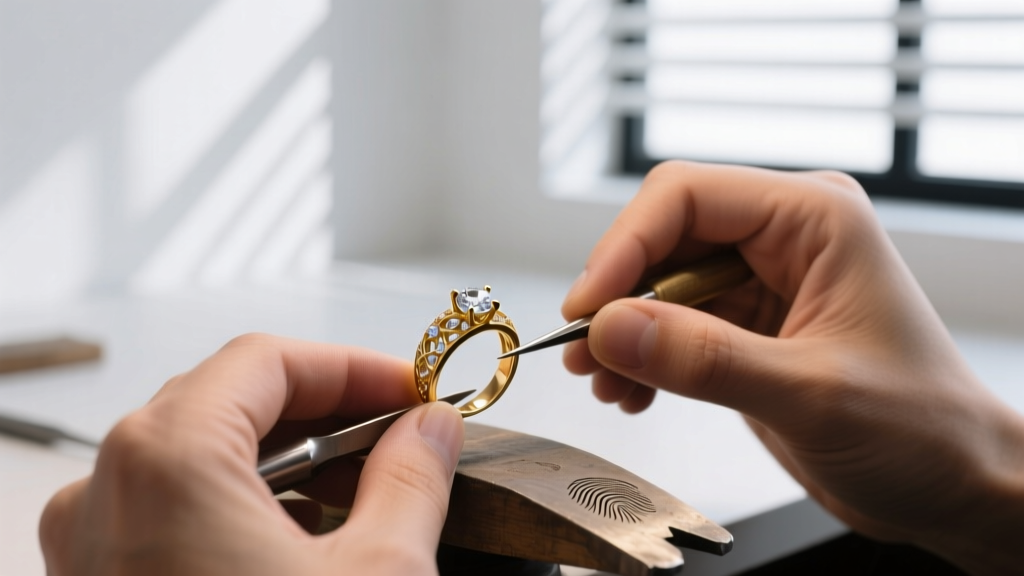
Smart Buying Strategies for Island Shoppers
Where you buy is just as important as what you buy. The 'island tax'—the premium added to goods sold in high-foot-traffic tourist zones like Kalakaua Avenue or the Maui Ocean Center—can inflate prices by 30% to 50%.
Seek Out Local Bench Jewelers
For genuine value, step away from the glossy mall storefronts and seek out local bench jewelers or artisan cooperatives. Shops located in older strip malls or local towns (like Kailua on Oahu or Paia on Maui) often have lower overhead and employ jewelers who cast and finish their pieces on-site. This allows you to verify the origin of the piece and often negotiate a fair cash price.
Chain Pairing and Hidden Costs
When budgeting for a flowery necklace hawaii, remember that the pendant is only half the equation. A $600 solid gold plumeria pendant should never be hung on a hollow, lightweight chain. Hollow chains (like herringbone or thin box chains) crush easily and are nearly impossible to repair. Budget an additional $150 to $300 for a solid 14k gold rope or wheat chain, which offers the tensile strength required to hold a dense floral pendant securely for a lifetime.
Final Assessment: Is It Worth the Investment?
A Hawaiian floral necklace can be a profound cultural keepsake and a solid store of precious metal value, provided you buy with your eyes open. Avoid the temptation of airport duty-free shops and cruise ship jewelers, where aggressive marketing masks inferior imported alloys. By demanding solid 925 silver or 14k gold, verifying the FTC-compliant hallmarks, and inspecting the craftsmanship of the bail and enamel, you ensure that your island jewelry remains as vibrant and enduring as the islands themselves.


