The Ultimate Formal Necklace Buying Guide for Evening Gowns
Discover how to choose the perfect formal necklace for your gown neckline. Expert tips on lengths, gemstone grades, and metals for black-tie events.

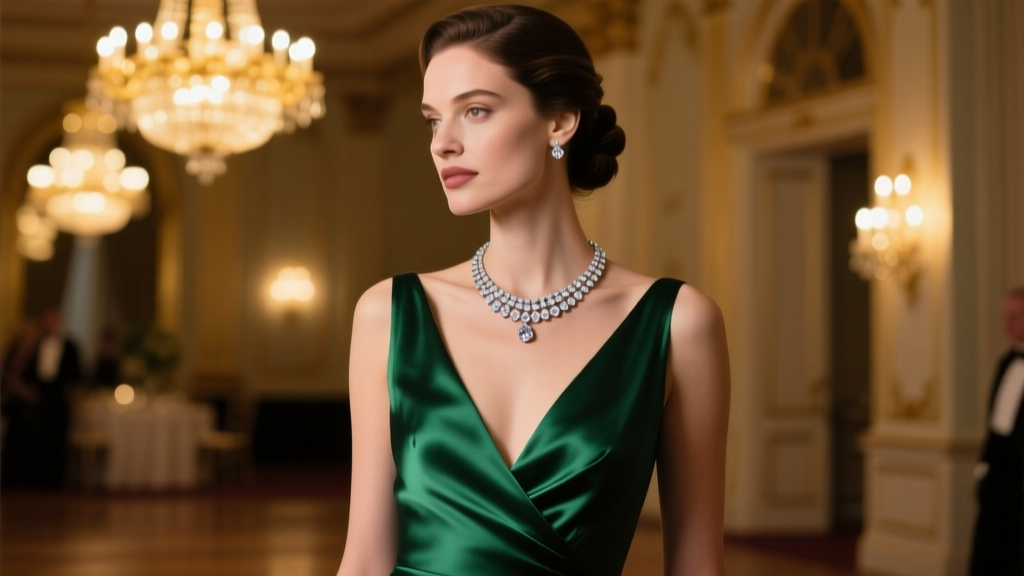
Selecting the right formal necklace for a black-tie gala, wedding, or premiere requires more than just picking a sparkling piece from a display case. A true formal necklace must harmonize with your gown's architecture, withstand the physical demands of an evening of wear, and catch the light flawlessly in dimly lit ballrooms. This comprehensive buying guide breaks down the exact specifications, material grades, and structural details you need to evaluate before investing in high-end evening jewelry.
The Anatomy of a Black-Tie Formal Necklace
Unlike everyday jewelry, a formal necklace is often heavier, featuring larger gemstones or complex metalwork. This added weight dictates strict requirements for structural integrity. The chain or setting must support the pendant or gemstone array without warping or snapping.
For heavy gemstone collars or riviere necklaces, the links must be soldered closed. Open jump rings are a massive liability; a single snag on a beaded gown or a lace shawl can pull an open ring apart, resulting in the loss of thousands of dollars in gemstones. Furthermore, the clasp mechanism is critical. While a standard lobster clasp is fine for lightweight pendants, any formal necklace weighing over 30 grams requires a box clasp (also known as a tongue-and-groove clasp) equipped with a figure-eight safety catch. This secondary wire loop ensures that if the primary box mechanism accidentally depresses, the necklace remains secured around your neck.
Neckline Pairing Matrix: Match Your Necklace to Your Gown
The most common mistake buyers make is choosing a formal necklace that fights with the gown's neckline rather than complementing it. The goal is to frame the décolletage without creating visual clutter. Use the matrix below to match your necklace style to your specific gown silhouette.
| Gown Neckline | Ideal Necklace Length | Best Style | What to Avoid |
|---|---|---|---|
| Sweetheart | 16 to 18 inches (Princess) | Graduated pendants, diamond solitaires on delicate chains | Chunky chokers that cut off the neckline's curve |
| Deep V-Neck | 18 to 22 inches (Matinee) | Y-necklaces, lariat styles, or a single heavy drop pendant | Short, wide collars that sit awkwardly above the V |
| Halter | N/A (Skip necklace) | Statement earrings and stacked bracelets | Any necklace; it will tangle with the halter straps |
| Off-the-Shoulder | 14 to 16 inches (Collar/Choker) | Velvet ribbon chokers, diamond tennis collars | Long pendants that get lost in the fabric folds |
| One-Shoulder | 16 to 20 inches | Asymmetrical lariats or a delicate princess-length chain | Perfectly symmetrical, heavy centerpieces |
Decoding Gemstone and Metal Grades for Formal Wear
When shopping for a formal necklace, the grading of the materials directly impacts how the piece performs under event lighting. According to the Gemological Institute of America (GIA), diamond clarity and color grades dictate the stone's brilliance, but the environment matters just as much as the certificate.
Diamond and Gemstone Grading for Dim Lighting
Ballrooms and banquet halls typically utilize warm, dim, or heavily diffused lighting. In these conditions, the color grade of a diamond becomes slightly less critical, but the clarity grade becomes paramount. Avoid necklaces featuring melee diamonds (the small accent stones) graded I1 to I2. In low light, the heavy inclusions in I-grade diamonds absorb light rather than reflecting it, causing the necklace to look muddy or grayish. For accent stones, insist on SI1 or VS2 clarity at a minimum. For center stones, a G-H color grade with VS1 clarity offers the best balance of icy brilliance and value, appearing completely colorless to the naked eye across a dimly lit dinner table.
The Impact of Lighting on Metal Choices
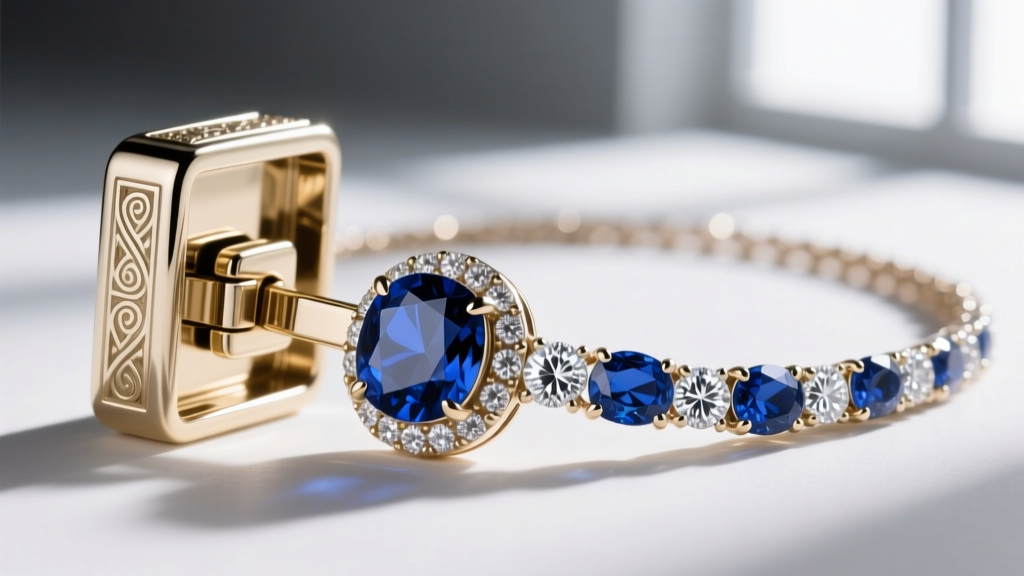
The metal you choose will react differently to ambient lighting. 18k yellow gold (75% pure gold) has a rich, buttery saturation that glows beautifully under warm, incandescent ballroom lighting. Conversely, 14k white gold is often rhodium-plated to achieve a bright white finish, which excels under cool, modern LED gallery lighting but can sometimes look slightly sterile in warm environments. Platinum (950 grade) is the ultimate choice for diamond-heavy formal necklaces; its naturally white-gray hue doesn't require replating and provides the tensile strength needed to hold heavy, precious stones securely over decades of wear.
Proportions and Lengths: The 16-to-18 Inch Sweet Spot
Understanding standard necklace lengths is crucial for predicting how a piece will drape. As detailed by the jewelry historians at Lang Antiques, the 'Princess' length (16 to 18 inches) is the most versatile for formal wear. It rests perfectly on the collarbone or just below it, framing the face without dipping into the bodice of the gown.
However, body proportions dictate the final drape. A 16-inch chain might act as a tight choker on a wearer with a longer or wider neck, while sitting as a standard collar on someone with a petite frame. When buying a high-end formal necklace, always look for pieces that offer a 2-inch extender chain or, ideally, have the jeweler custom-fit the link count to your exact neck measurement while wearing the specific gown you plan to pair it with.
Red Flags to Avoid When Shopping
Even in luxury boutiques, certain manufacturing shortcuts can compromise a formal necklace. Walk away from a purchase if you notice any of the following red flags:
- Hollowed-Out Clasps: Lightweight, hollow box clasps are prone to crushing if bumped against a table or chair. A quality formal clasp should feel dense and solid.
- Glued Settings: Inspect the gemstone settings with a jeweler's loupe. If you see epoxy residue around the girdle of a stone, it is glued rather than prong-set or bezel-set. Glue degrades over time, especially when exposed to perfumes and body oils at formal events.
- Over-Polished Prongs: If the prongs holding the diamonds look rounded and flat rather than crisp and defined, the piece has been over-polished. This thins the metal, drastically increasing the risk of a stone falling out during wear.
- Weak Soldering Points: Check where the clasp meets the chain. The solder joint should be smooth and flush. Visible lumps or dark discoloration indicate poor temperature control during the soldering process, creating a weak point that will snap under the necklace's own weight.
Final Fitting Checklist
Before leaving the jeweler or finalizing your online purchase, run through this practical checklist to ensure your formal necklace is ready for the red carpet:
1. The Skin Test: Wear the necklace for 15 minutes in the store. Heavy metalwork or poorly finished link interiors will quickly irritate the delicate skin of the chest and neck.
2. The Fabric Snag Test: Run a piece of fine silk or chiffon along the back of the necklace and the clasp. If it catches, it will ruin your gown or pull a thread.
3. The Posture Check: Sit down and lean forward slightly. Ensure the pendant or center stone doesn't flip upside down or slide uncomfortably off-center.
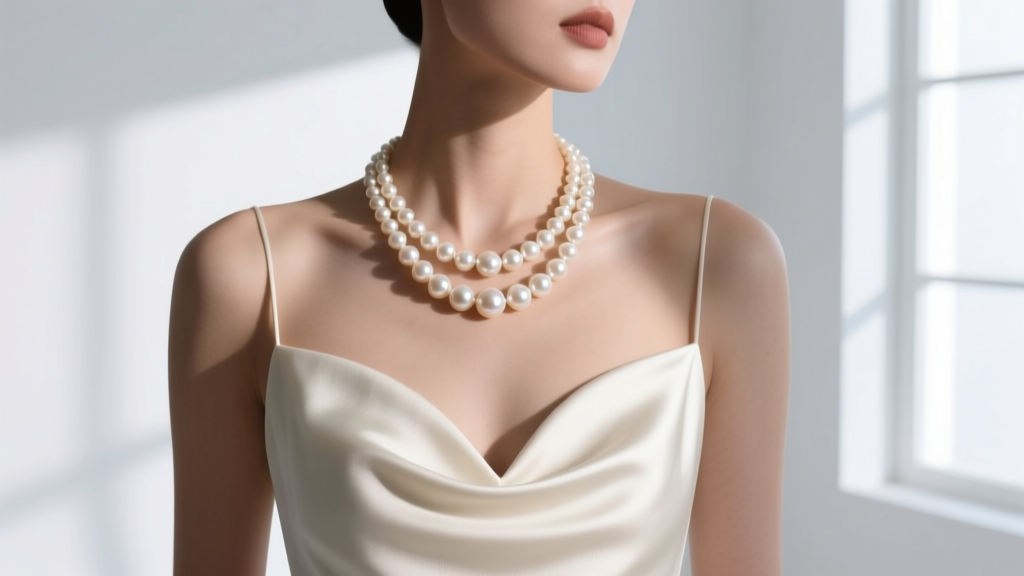
4. The Perfume Rule: Always apply your fragrance and hairspray at least 10 minutes before clasping your formal necklace to prevent chemical damage to porous gems like pearls or opals.
By prioritizing structural integrity, precise proportions, and high-grade materials, your formal necklace will not only elevate your evening attire but will also serve as a flawless, enduring heirloom for decades to come.


