Four Leaf Clover Necklace Material Guide: Gold, Silver & Enamel
Compare metals and stones for your four leaf clover necklace. Explore durability, pricing, and care for gold, silver, and enamel inlays.

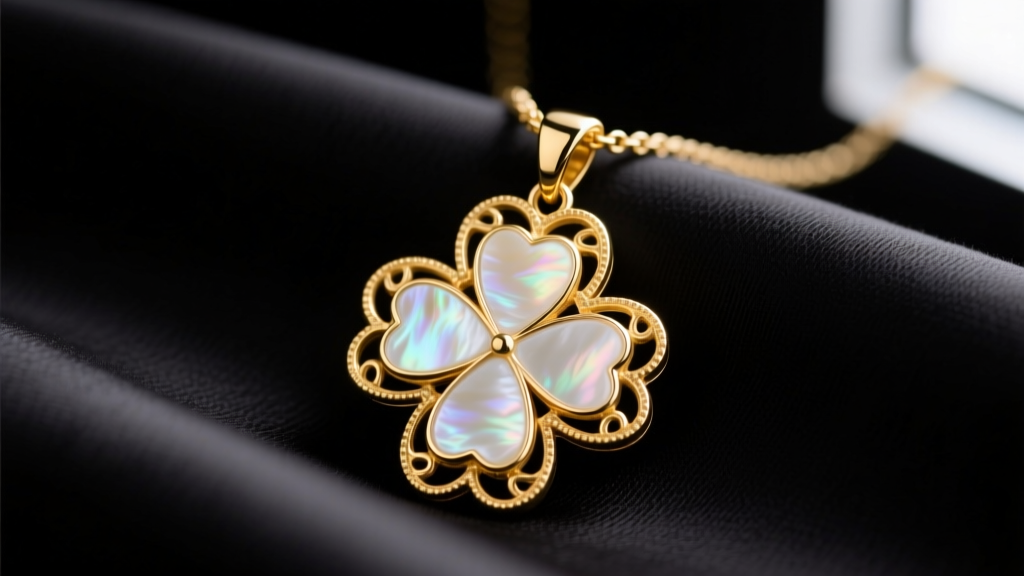
The four leaf clover necklace has transcended its origins as a simple symbol of luck to become a cornerstone of fine jewelry wardrobes. Popularized by iconic luxury houses and widely adapted by independent jewelers, the symmetrical, four-petaled motif offers a perfect canvas for diverse metallurgical and gemological techniques. However, the aesthetic appeal of a clover pendant is only half the equation. The longevity, wearability, and ultimate value of the piece are dictated by its material composition. Whether you are investing in a high-end luxury piece or selecting an everyday charm, understanding the physical properties of the metals and inlays is critical.
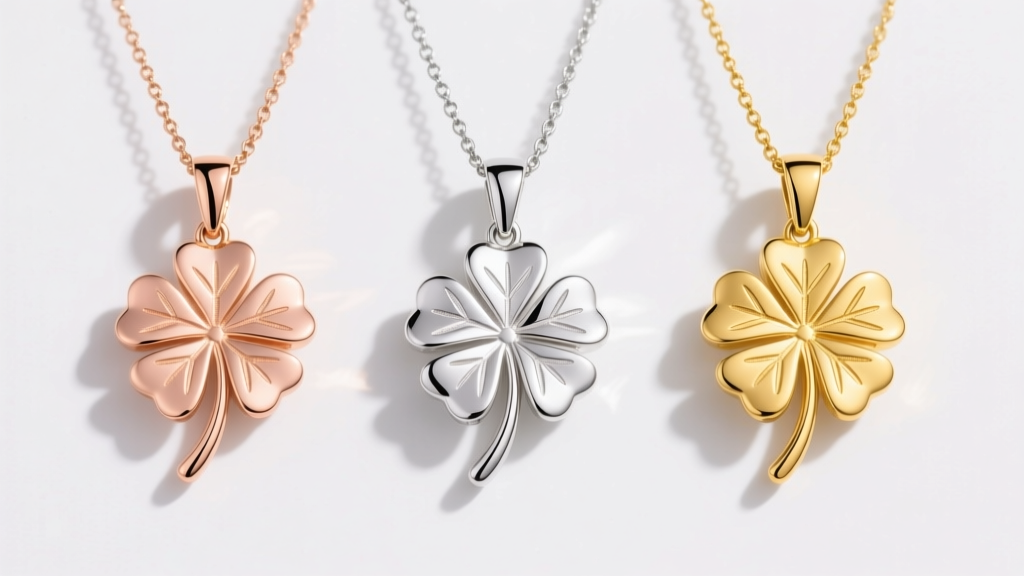
The Metal Foundation: Solid Gold vs. Vermeil vs. Sterling Silver
The structural integrity of a four leaf clover necklace relies heavily on the base metal. The bezel or prongs holding delicate inlays require specific Vickers hardness (HV) ratings to prevent bending and stone loss over time.
18k vs. 14k Solid Gold
In the luxury tier, 18k gold (75% pure gold) is the standard. It offers a rich, warm luster and exceptional tarnish resistance. However, 18k gold has a Vickers hardness of roughly 140 HV, making it relatively soft. For four leaf clover necklaces featuring heavy stone inlays like onyx or malachite, jewelers often engineer the hidden prongs or bezel walls to be slightly thicker to compensate. Conversely, 14k gold (58.3% pure gold) boasts a hardness of 180-220 HV. While it contains less pure gold, its superior durability makes it an excellent choice for intricate, open-work clover designs or pieces meant for rigorous daily wear without the risk of the metal warping.
Gold Vermeil vs. Standard Plating
For mid-tier budgets, gold vermeil is the superior choice over standard gold-plated brass. According to the Federal Trade Commission (FTC), vermeil must consist of a sterling silver base coated with at least 2.5 microns of gold (usually 14k or 18k). This thickness ensures the gold layer will not rub through to the silver beneath for several years of regular wear, provided it is cared for properly. Standard gold plating on brass bases often measures less than 0.5 microns and can degrade within months, exposing the base metal to oxidation.
Sterling Silver Realities
Sterling silver (92.5% silver, 7.5% copper) offers an accessible entry point and a bright, reflective canvas for enamel work. The copper alloy provides necessary structural rigidity, but it is also the culprit behind silver's tendency to tarnish when exposed to sulfur and humidity. Silver clover necklaces require more frequent polishing, especially in the recessed crevices between the four petals where tarnish accumulates.
| Material | Vickers Hardness (HV) | Tarnish Resistance | Approx. Price Range (Pendant Only) |
|---|---|---|---|
| 18k Solid Gold | ~140 | Excellent | $1,200 - $4,500+ |
| 14k Solid Gold | ~180 - 220 | Excellent | $600 - $2,500 |
| Gold Vermeil (Sterling Base) | ~100 (Base) | Good (until wear) | $150 - $400 |
| Sterling Silver | ~100 - 110 | Poor (Requires care) | $80 - $250 |
Inlay Materials: Beyond the Metal
The true magic of the four leaf clover motif often lies in its inlays. The wide, flat surface area of each petal is ideal for showcasing organic gems, hardstones, and vitreous enamels. However, these materials vary wildly on the Mohs scale of mineral hardness, drastically altering how the necklace must be worn and maintained.
Mother of Pearl & Malachite (The Organic & Porous)
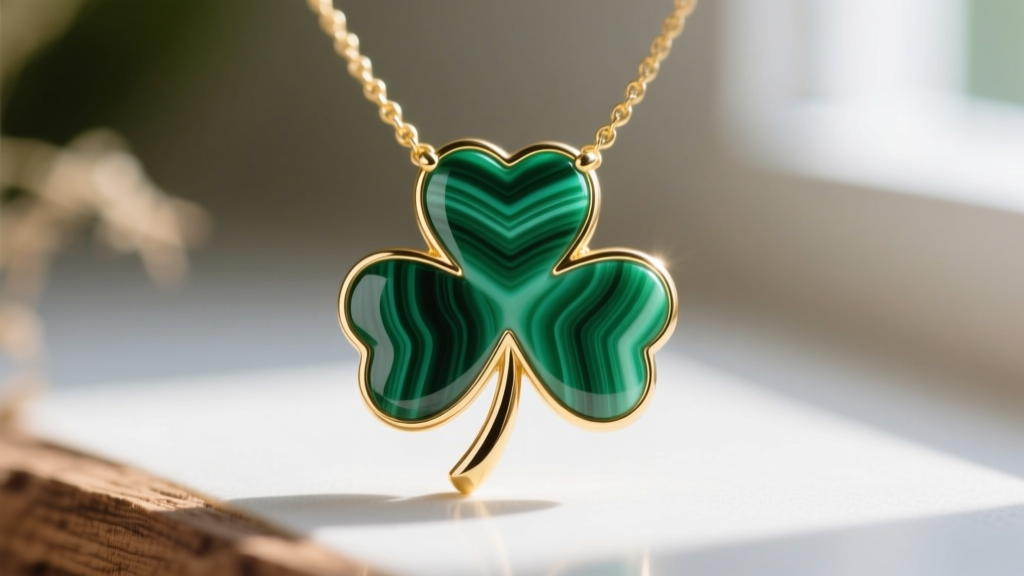
White mother of pearl (nacre) and vibrant green malachite are perhaps the most recognizable inlays in luxury clover necklaces. According to the Gemological Institute of America (GIA), mother of pearl ranks between 2.5 and 4.5 on the Mohs scale, while malachite is similarly soft at 3.5 to 4.0. Both materials are highly porous and exceptionally sensitive to acids, perfumes, and even the natural pH of human sweat. Malachite, in particular, contains copper, which can react with harsh chemicals, causing the stone's vivid banding to dull or discolor over time. These necklaces must be the last thing you put on and the first thing you take off.
Vitreous Enamel & Guilloché
For those seeking vibrant colors without the fragility of soft stones, vitreous enamel is a premier choice. Created by fusing powdered glass to a metal substrate at temperatures exceeding 1,400°F, vitreous enamel achieves a Mohs hardness of 5 to 6. It is entirely non-porous and immune to chemical reactions from perfumes or lotions. The primary risk with enamel is not scratching, but chipping. If a guilloché enamel clover pendant (where the enamel is laid over a textured metal base to create optical patterns) is dropped on a hard tile floor, the glass-like surface can fracture.
Onyx, Carnelian, and Chalcedony
Hardstones like black onyx, red carnelian, and blue chalcedony (all varieties of microcrystalline quartz) rank at a robust 6.5 to 7 on the Mohs scale. These materials are vastly superior for daily-wear four leaf clover necklaces. They resist scratching from everyday dust (which contains quartz particles at a 7) and do not react to cosmetics or humidity, making them the most practical choice for a "never take it off" lifestyle.
Chain Gauge & Clasp Mechanics
A heavy stone-inlaid clover pendant requires a chain that balances visual delicacy with tensile strength. The weight of four distinct stone inlays plus the metal bezel can easily exceed 8 to 12 grams.
- Cable Chains (1.2mm - 1.5mm): The standard for luxury clover necklaces. A 1.2mm solid 14k or 18k cable chain offers sufficient tensile strength to hold a 10-gram pendant while maintaining a fine, elegant profile that does not distract from the motif.
- Rope Chains (1.5mm - 2.0mm): Offer superior durability due to their twisted, interlocking links. They are highly resistant to kinking, though their reflective surface can sometimes compete with the sparkle of diamond-set clover borders.
- Clasps: Avoid standard spring-ring clasps for heavy pendants; the internal springs frequently fail under tension. Opt for a small but robust lobster clasp, which features a solid internal mechanism and provides a secure lock for heavier stone-inlaid pieces.
Pricing Tiers & Market Expectations
When shopping for a four leaf clover necklace in 2026, the market is distinctly segmented by material provenance and brand heritage.
Entry-Level ($50 - $200): You will find sterling silver bases with synthetic or dyed quartz inlays, or thin gold plating over brass. These are suitable for occasional wear but will require replacement or re-plating within a few years.
Mid-Tier Artisan ($400 - $1,500): Independent jewelers and specialized boutiques offer solid 14k gold settings with genuine, ethically sourced hardstones and high-fire vitreous enamel. These pieces offer the best ratio of material longevity to price.
Luxury Heritage ($3,500 - $15,000+): Led by historic houses, these pieces utilize 18k gold, flawless diamond pavé borders, and meticulously matched organic gems. The premium pays for the brand's archive, strict gemological matching, and exceptional resale value.
Care & Maintenance by Material
To maximize the lifespan of your necklace, tailor your cleaning regimen to its specific material profile:
- For Hardstone & Enamel: Use a soft-bristled baby toothbrush with warm water and a drop of mild dish soap. Gently scrub the back of the clover petals where skin oils accumulate, rinse, and pat dry with a microfiber cloth.
- For Malachite & Mother of Pearl: Never submerge these in water. Wipe them gently with a dry, clean jeweler's cloth. Avoid ultrasonic cleaners entirely, as the high-frequency vibrations can shatter the internal crystalline structure of malachite or delaminate nacre.
- For Solid Gold Chains: Soak the chain (excluding porous stones) in a specialized gold cleaning solution once a month to dissolve lotion buildup that can dull the metal's brilliance.
Ultimately, selecting the right four leaf clover necklace is an exercise in balancing your lifestyle with material science. By prioritizing the appropriate metal hardness and understanding the geological vulnerabilities of your chosen inlay, you ensure that your symbol of luck remains a lasting, generational heirloom.


