Foxtail Necklace Guide: Sizing, Metals, and Styling
Discover everything about the foxtail necklace. Learn about chain durability, metal grades, sizing, and styling tips in this beginner-friendly guide.

The Anatomy of a Foxtail Chain
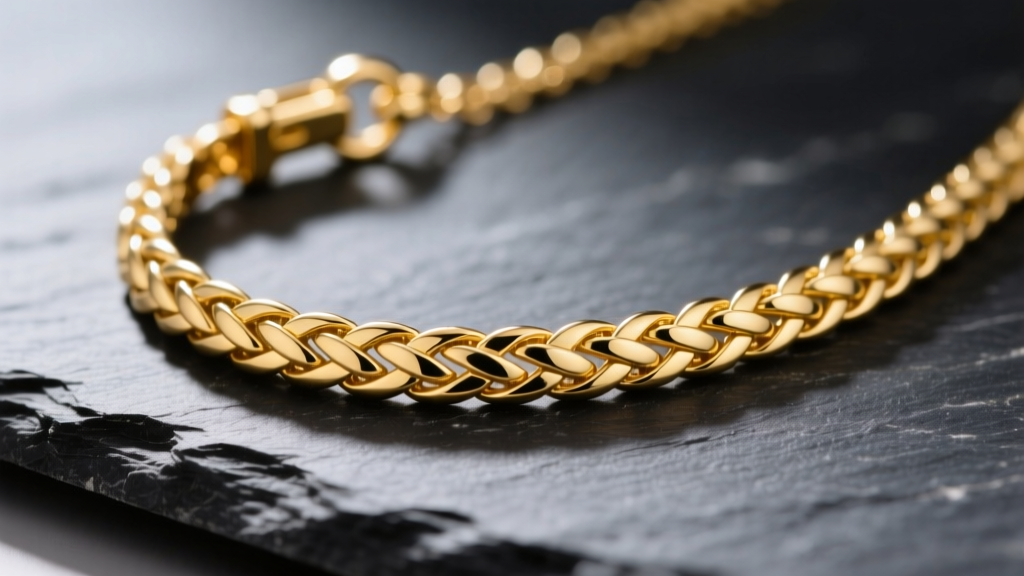
When exploring the world of fine jewelry chains, the foxtail necklace stands out for its fluid drape and intricate, braided illusion. Unlike standard cable or curb chains that rely on simple interlocking oval links, a foxtail chain is constructed using two rows of slanted, V-shaped links that are connected by a series of flat rings running down the center. This unique geometry gives the chain a multi-dimensional, woven appearance that closely resembles the bushy tail of a fox.
According to chain weaving experts documented by The Spruce Crafts, the foxtail weave is a masterclass in kinetic jewelry design. Because the links are set at an angle, the chain possesses a remarkable level of flexibility, allowing it to ripple like liquid metal against the collarbone. As of 2026, advancements in CNC (Computer Numerical Control) micro-weaving have allowed jewelers to produce foxtail chains with tighter tolerances than ever before, resulting in a smoother finish that minimizes the traditional snagging issues associated with older, vintage weaves.
Durability, Snagging, and Failure Modes
A common concern among beginners is whether a foxtail chain will pull chest hair or snag on delicate fabrics. The answer depends entirely on the manufacturing quality. In a poorly finished foxtail chain, the microscopic gaps between the V-links can act like tiny teeth, catching on fine hairs or silk threads. However, a high-quality, diamond-cut, and properly tumbled foxtail necklace will glide smoothly over skin and clothing.
The Kink Factor: A Structural Weakness
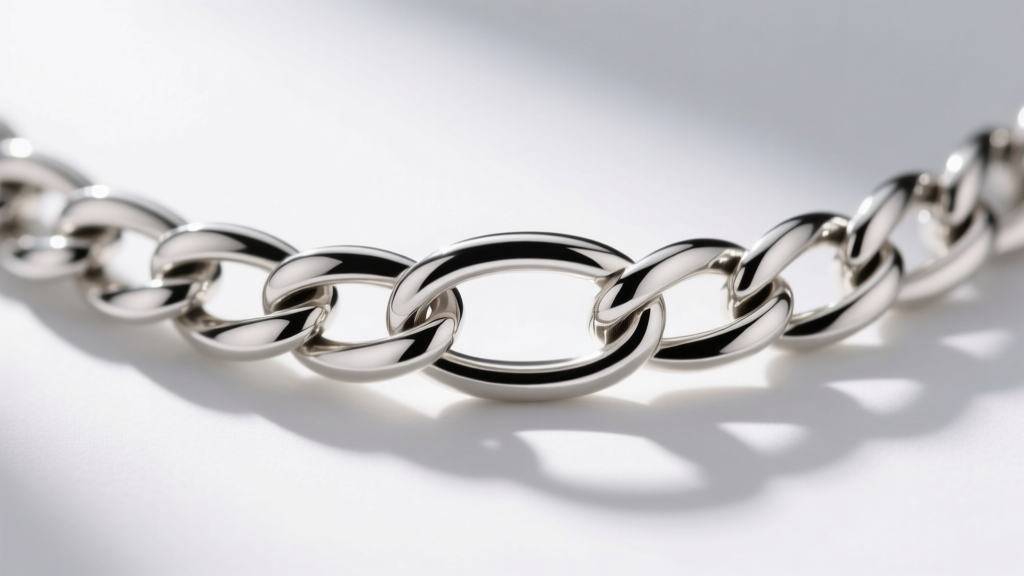
While foxtail chains boast high tensile strength—meaning they are very difficult to snap under direct pulling tension—they have a specific structural vulnerability: kinking. Because the weave is dense and directional, folding the chain sharply backward against its natural drape can permanently crease the flat center rings. Once a foxtail chain kinks, it is notoriously difficult for even a master jeweler to repair without replacing the entire damaged section. Always store your foxtail necklace hanging vertically or laid out in a wide, gentle circle in a jewelry box.
Metal Grades and Pricing Tiers
The longevity and aesthetic of your foxtail necklace are dictated by its metal composition. The Gemological Institute of America (GIA) outlines strict standards for precious metal purity, which directly impacts the chain's weight, color, and price. Below is a breakdown of what to expect when shopping for a standard 18-inch, 3mm foxtail chain in the current market.
| Metal Type | Purity Stamp | Approx. Price Range | Best For |
|---|---|---|---|
| Sterling Silver | 925 | $90 - $180 | Everyday wear, budget-conscious buyers |
| 14k Yellow/White Gold | 585 | $750 - $1,400 | Daily luxury, pendant pairing, heirloom gifts |
| 18k Yellow/Rose Gold | 750 | $1,600 - $2,800 | Rich color saturation, high-end statement pieces |
| Platinum | 950 | $3,500 - $5,500+ | Hypoallergenic needs, heavy pendants, lifetime durability |
Note: Hollow foxtail chains are available at lower price points, particularly in gold. While they offer a wider look for less money, they are highly susceptible to denting and crushing. Always opt for a solid weave if you plan to wear the necklace daily.
Sizing and Proportion Guidelines
Choosing the right width (measured in millimeters) is critical for both comfort and styling. The foxtail weave naturally looks wider than a cable chain of the same millimeter weight due to its multi-row construction.
- 1.5mm - 2.0mm (Delicate): Ideal for minimalist styling and wearing alone. These thinner chains are more prone to kinking and cannot support heavy pendants. Best paired with a lightweight 14k gold solitaire diamond.
- 3.0mm - 4.0mm (The Sweet Spot): The most versatile width. A 3mm foxtail necklace offers a substantial, luxurious presence on the neck while remaining comfortable enough for 24/7 wear. This width easily accommodates standard pendant bails up to 6mm in inner diameter.
- 5.0mm - 8.0mm+ (Statement): Heavy, bold, and eye-catching. These widths are typically worn as standalone pieces without pendants, as the chain itself is the focal point. Due to the weight, they require specialized clasps.
Clasp Selection and Security
The clasp is the most critical failure point on any necklace. For a foxtail chain under 3mm, a standard lobster claw clasp is perfectly adequate. However, if you are investing in a 5mm or thicker solid gold foxtail necklace, the sheer weight of the chain will put excessive stress on a lobster clasp's tiny internal spring.
For heavier weaves, insist on a box clasp with a safety eight (a secondary wire loop that hinges over a catch). This ensures that even if the primary box mechanism accidentally depresses, the safety eight will keep the heavy chain secured around your neck.
Cleaning and Maintenance
The dense, braided structure of a foxtail necklace makes it a magnet for sebum, dead skin cells, lotion, and soap scum. Over time, this buildup can dull the metal's brilliance and cause the chain to feel stiff.
"To restore the fluid drape of a foxtail chain, you must clean deep into the weave. A simple wipe with a cloth is never enough." — Master Bench Jeweler
How to clean your foxtail chain at home:
- Mix a few drops of mild, ammonia-free dish soap into a bowl of warm water.
- Submerge the necklace for 10-15 minutes to loosen oils trapped in the V-links.
- Use an extra-soft baby toothbrush to gently agitate the chain. Never use a hard-bristled brush, as it can scratch high-polish gold or silver.
- Rinse thoroughly under lukewarm running water and pat dry with a lint-free microfiber cloth.
Ultrasonic Cleaner Warning: While plain metal foxtail chains are generally safe in ultrasonic cleaners, if your chain features diamond accents or is heavily oxidized (like blackened silver foxtail), avoid ultrasonics, as the high-frequency vibrations can loosen adhesives or strip intentional patinas.
The Beginner's Buying Checklist
Before you finalize your purchase, run through this quick quality-assurance checklist to ensure you are getting a piece that will last a lifetime:
- Check the Stamp: Verify the hallmark (e.g., 14K, 585, 925, PT950) is clearly stamped on the clasp or the final end ring.
- The Drape Test: Hold the chain by both ends and let it hang. It should drape fluidly like a ribbon, without any stiff, kinked, or buckled sections.
- The Fabric Test: Gently pull the chain through a piece of sheer fabric or your own hair. If it snags, the links were not properly tumbled and polished at the factory.
- Pendant Bail Compatibility: If buying for a pendant, measure the inner diameter of the pendant's bail to ensure the foxtail chain's width (plus its thickness) will pass through smoothly.
By understanding the unique geometry, material grades, and care requirements of the foxtail weave, you can confidently invest in a necklace that offers both timeless elegance and exceptional everyday durability.


