The Francesca Necklace: A Beginner's Guide to Vintage Pendants
Discover the Francesca necklace, a vintage-inspired pendant style. Learn about materials, pricing, layering techniques, and care tips for beginners.

Understanding the Francesca Necklace Aesthetic
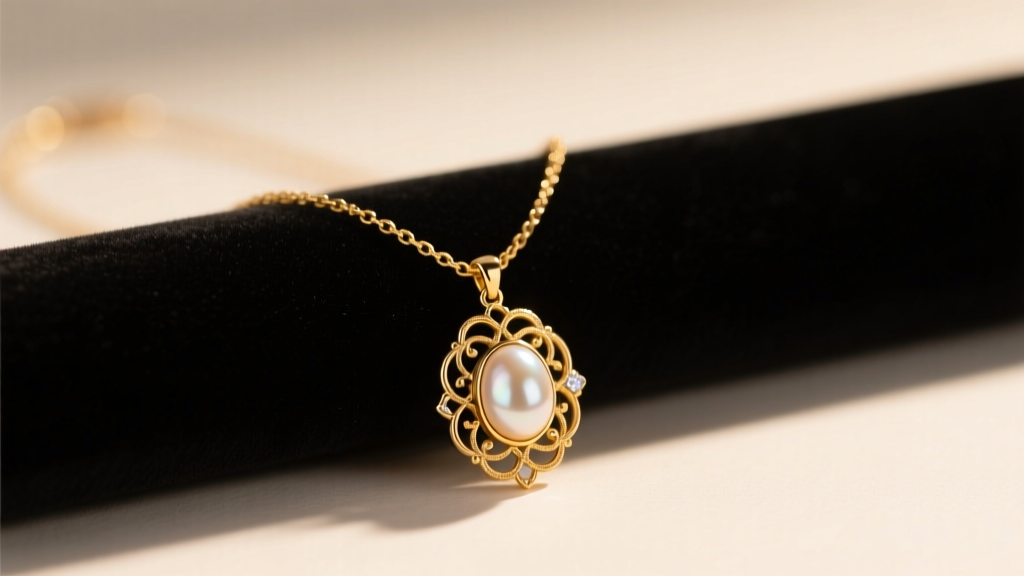
The term Francesca necklace has become a beloved shorthand in the jewelry community for a specific breed of romantic, vintage-inspired pendant. Unlike a standardized cut like the solitaire diamond or a simple gold hoop, the Francesca style refers to an aesthetic profile characterized by intricate metalwork, romantic motifs, and a distinct nod to historical jewelry periods. Whether you are browsing estate sales or modern artisan boutiques, recognizing the hallmarks of this style will help you make informed, high-quality purchases.
According to antique jewelry historians at Lang Antiques, vintage-inspired pieces often borrow heavily from Victorian and Edwardian motifs. A true Francesca-style pendant typically features delicate filigree, milgrain edging, and a central focal point—often a cameo, a cabochon gemstone, or a lustrous pearl. For beginners, navigating the market can be overwhelming. This guide breaks down the anatomy, materials, and styling techniques you need to master this timeless look.
Chain Selection: The Unsung Hero of the Drape
A common beginner mistake is pairing a heavy, ornate Francesca pendant with a flimsy chain. The chain dictates not only the durability of your necklace but also how the pendant lays against your chest. Because Francesca pendants often feature complex top-heavy designs, you need a chain with structural integrity.
- 18-Gauge Box Chain: The ideal workhorse. The square links provide a flat, sturdy surface that prevents the pendant bail from twisting. It supports up to 15 grams of metal and stone weight comfortably.
- 20-Gauge Rope Chain: Offers a vintage-compatible twisted texture that complements filigree metalwork, though it is slightly more prone to catching on delicate prongs if the pendant is not properly polished.
- 1.5mm Cable Chain: Best reserved for lightweight, miniature Francesca lockets or reproductions weighing under 5 grams.
Always check the clasp hardware. A standard 5mm spring ring is often too weak for a heavy vintage pendant. Upgrade to a 7mm or 9mm lobster clasp to ensure your piece remains secure throughout the day.
Material Grades and Pricing Framework
When shopping for a Francesca necklace, you will encounter various metal finishes. Understanding the difference between solid gold, vermeil, and standard plating is critical for assessing value and longevity.
| Material Type | Base Metal | Gold Thickness | Price Range (USD) | Tarnish Resistance |
|---|---|---|---|---|
| Solid 14k Gold | N/A (Alloy) | Solid throughout | $450 - $1,200+ | Excellent (Lifetime) |
| Gold Vermeil | Sterling Silver | Min. 2.5 microns | $120 - $300 | High (Years with care) |
| Gold Plated | Brass or Copper | 0.5 - 1.0 microns | $30 - $80 | Low (Months) |
| Oxidized Silver | Sterling Silver | N/A (Treated) | $90 - $250 | Moderate (Requires polishing) |
Identifying the Gemstones
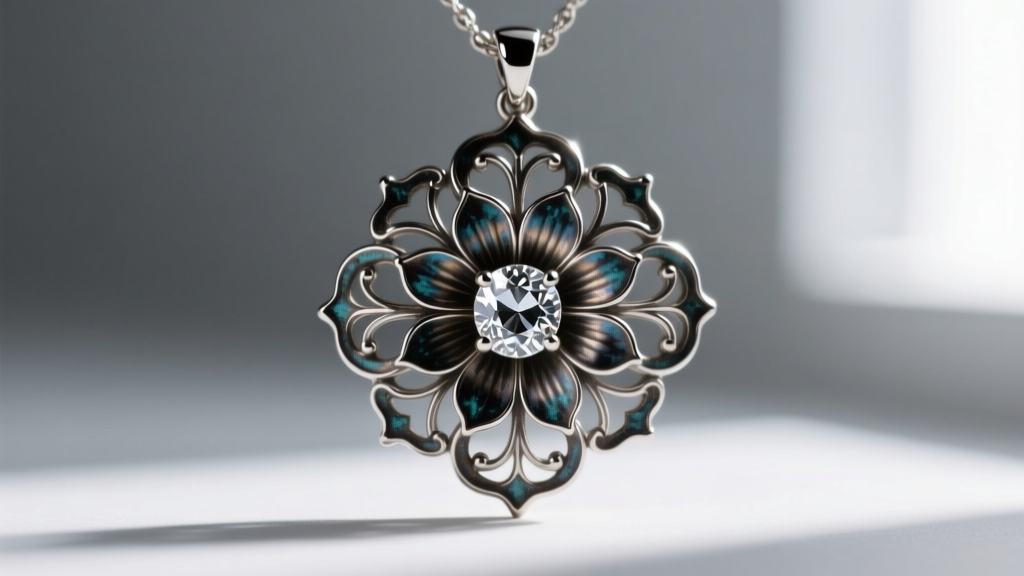
The central stone is the heart of the Francesca pendant. Authentic vintage pieces may feature natural seed pearls, hand-carved shell cameos, or cabochon turquoise. Modern reproductions often substitute these with cubic zirconia, synthetic spinel, or glass. If a pendant features a pearl, look for the subtle, irregular surface textures of freshwater pearls rather than the glass-like perfection of synthetic beads. According to the Gemological Institute of America (GIA), natural and cultured pearls are highly sensitive to acids and cosmetics, making proper identification essential for long-term care.
Bail Types and Pendant Hardware
The bail—the loop that connects the pendant to the chain—is a crucial structural component. In Francesca-style jewelry, you will typically encounter three types:
- The Standard Loop Bail: A simple soldered ring at the top of the pendant. This is the most common and allows the pendant to swing freely, catching the light.
- The Hidden Bail: Attached to the back of the pendant, giving the illusion that the metalwork or stone is floating directly on the chain. This is common in Edwardian-revival pieces.
- The Tube or Pinch Bail: Often used for cameo Francesca pendants, where a small metal tube is drilled through the top of the stone or shell. Ensure the pinch bail has rubber O-rings to prevent the metal from cracking the cameo over time.
How to Style and Layer Your Francesca Necklace

Styling a highly ornate pendant requires balancing proportions. The Francesca necklace thrives when given room to breathe or when intentionally contrasted with minimalist companion pieces.
Neckline Pairings
- The V-Neck: A 18-inch princess-length Francesca pendant perfectly mirrors the geometry of a V-neck blouse, drawing the eye downward and elongating the neck.
- The Scoop Neck: Opt for a 16-inch choker length. The rounded edge of the scoop neck frames the circular or oval motifs typical of Francesca metalwork.
- The Boatneck: Avoid short chains. Use a 22-inch matinee length so the pendant rests below the collarbone, preventing it from tangling in the fabric edge.
Layering Techniques
To integrate a vintage Francesca pendant into a modern 2026 wardrobe, layer it with contrasting textures. Pair your ornate 18-inch gold vermeil Francesca pendant with a simple 14-inch 14k gold snake chain and a 24-inch matte onyx bead necklace. The rule of thumb for layering is to maintain at least a 2-inch length difference between chains to prevent the bails from tangling and scratching the soft metalwork of your pendant.
Care and Maintenance for Intricate Pendants
The intricate filigree and milgrain details that define the Francesca necklace are magnets for skin oils, lotions, and environmental dust. Improper cleaning can ruin both the metal texture and the central gemstone.
What to Avoid: Never use ultrasonic jewelry cleaners on a Francesca pendant. The high-frequency vibrations can easily shatter porous stones like turquoise, opal, or shell cameos, and can loosen the delicate antique-style prongs holding your gemstones in place. Furthermore, harsh chemical dips will strip the intentional oxidation (the darkened silver in the crevices) that gives vintage-style metalwork its three-dimensional depth.
The Safe Cleaning Method:
- Mix a solution of warm distilled water and three drops of phosphate-free dish soap.
- Submerge the pendant (if the stone is non-porous like a sapphire or quartz) for up to five minutes. If the stone is a pearl or cameo, skip submersion and only use a damp cloth.
- Use a brand-new, ultra-soft baby toothbrush to gently agitate the dirt from the filigree crevices. Brush from the center outward to avoid bending delicate prongs.
- Rinse under a gentle stream of lukewarm water and pat dry with a lint-free microfiber cloth. Allow it to air dry completely before storing in an anti-tarnish pouch.
By understanding the structural and historical nuances of the Francesca necklace, you can confidently curate a collection that bridges the gap between antique romance and contemporary elegance. Whether you invest in a solid 14k gold estate piece or a high-quality vermeil artisan reproduction, proper chain selection and meticulous care will ensure your pendant remains a staple in your jewelry box for decades.


