Fresh Water Pearl Necklace Value & Pricing Guide 2026
Assess the true value of a fresh water pearl necklace. Explore 2026 pricing tiers, grading secrets, and how to spot overpriced strands.

The 2026 Market: Why Freshwater Pearls Are Redefining Value
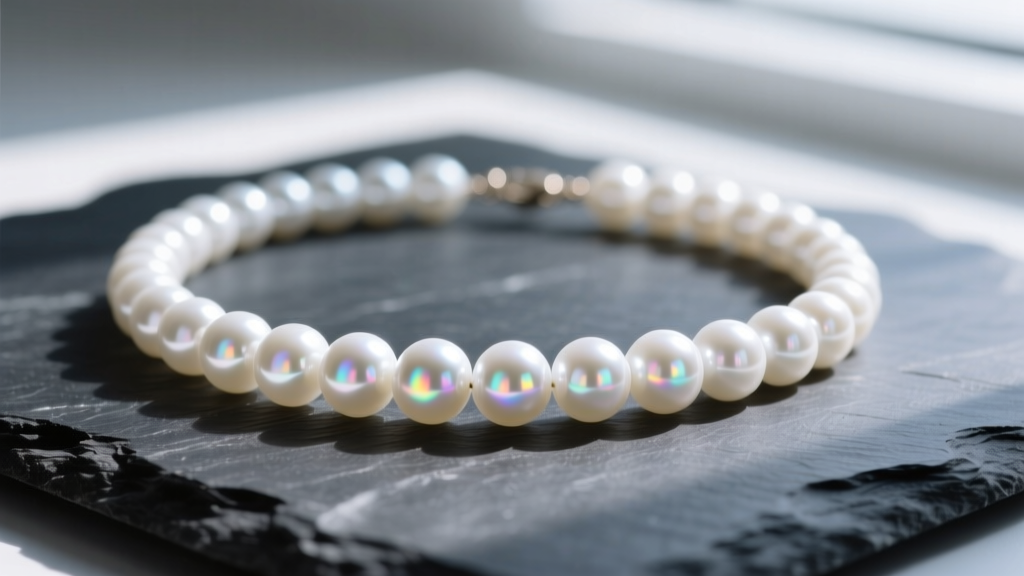
The landscape of pearl jewelry has shifted dramatically over the last decade, and as we navigate 2026, the fresh water pearl necklace stands as one of the most complex categories for consumers to evaluate. Historically dismissed as the budget-friendly alternative to saltwater Akoya or South Sea pearls, modern cultivation techniques have entirely rewritten the rules of pearl farming. Today, a high-grade freshwater strand can rival the luster of its saltwater counterparts while offering superior durability. However, this democratization of quality has also flooded the market with heavily processed, low-grade alternatives. Understanding the true value of a fresh water pearl necklace requires looking past the price tag and examining the microscopic architecture of the nacre, the precision of the drilling, and the integrity of the stringing materials.
Nacre Architecture: The Hidden Freshwater Advantage
When assessing budget and value, you must first understand nucleation. Traditional saltwater pearls (like Akoya) are bead-nucleated. A mother-of-pearl bead is inserted into the oyster, and the oyster secretes a relatively thin layer of nacre over it—typically between 0.2mm and 0.8mm. If this nacre wears thin over decades of use, the bead beneath becomes visible, effectively ruining the necklace's value.
In contrast, standard tissue-nucleated fresh water pearls are composed of 100% solid nacre. Because there is no internal bead, a fresh water pearl necklace is incredibly durable and will not peel or reveal a synthetic core over time. According to the Gemological Institute of America (GIA), this solid nacre composition is a massive value driver, meaning a $300 freshwater strand will often outlast a $1,500 saltwater strand in terms of structural longevity. The only exception in the freshwater realm is the 'Edison' pearl, which is bead-nucleated to achieve massive sizes (11mm to 16mm) and metallic lusters, bridging the gap between freshwater affordability and South Sea luxury.
Decoding the Grading System: Where Your Money Goes
Unlike diamonds, pearls do not have a universally standardized, machine-verified grading system. However, reputable jewelers rely on the A-AAA scale to price a fresh water pearl necklace. Here is how the market breaks down value based on visual and structural markers.
| Grade | Luster Quality | Surface Blemishes | Shape & Matching | Estimated Value (18-inch) |
|---|---|---|---|---|
| A (Commercial) | Chalky, dull, diffuse reflections | Heavy blemishing, spots, wrinkles | Off-round, potato, or baroque | $40 - $90 |
| AA (Fashion) | Medium luster, slightly blurred edges | Minor blemishes visible up close | Near-round, good matching | $100 - $250 |
| AA+ (Fine) | High luster, sharp reflections | 90% clean surface to the naked eye | Round to near-round, excellent match | $300 - $600 |
| AAA (Gem) | Mirror-like, razor-sharp reflections | 99% clean, virtually flawless | Perfectly round, precise matching | $700 - $1,500+ |
Note: When evaluating luster, the GIA Pearl Quality Factors dictate that the sharpness of the reflection is more critical than the brightness. A sharp, distinct reflection of a window pane on the pearl's surface indicates dense, high-quality nacre.
Price Tiers and What to Expect
The Sub-$100 Tier (Commercial & Fashion Grade)
If you are shopping for a fresh water pearl necklace under $100, you are purchasing commercial-grade jewelry. These pearls are often 'potato' shaped or heavily baroque, and they undergo aggressive bleaching and polishing treatments to hide surface defects. The stringing is usually synthetic nylon rather than silk, and the pearls are often strung without individual knots to save labor costs. While perfectly fine for fast fashion or occasional wear, these strands hold zero resale value and are prone to chipping at the drill holes due to mass-production manufacturing.
The $150–$500 Sweet Spot (Fine Jewelry Grade)
This is where the true value proposition of freshwater pearls shines. In the AA+ range, you receive near-round to perfectly round pearls with high luster and solid nacre. At this price point, expect hand-knotted silk thread between every pearl, which prevents the entire strand from scattering if the necklace breaks. You will also find 14k gold or sterling silver clasps. For the budget-conscious buyer seeking heirloom-quality jewelry without the saltwater premium, the $300 mark is the optimal entry point for a classic 7mm to 8mm white or peach strand.
The $800+ Investment Tier (Edison & Gem Grade)
Budgets exceeding $800 enter the realm of AAA Gem Grade or Edison pearls. Edison pearls are bead-nucleated freshwater pearls that exhibit 'metallic' luster—a phenomenon where the nacre is so densely crystallized that it looks like polished steel or bronze. These strands command high prices due to the years of cultivation required and the low yield of perfectly round, metallic specimens. At this tier, you are paying for extreme rarity in the freshwater sector, rivaling the aesthetic of Tahitian or South Sea pearls.
Hidden Value Killers: Stringing, Clasps, and Drilling
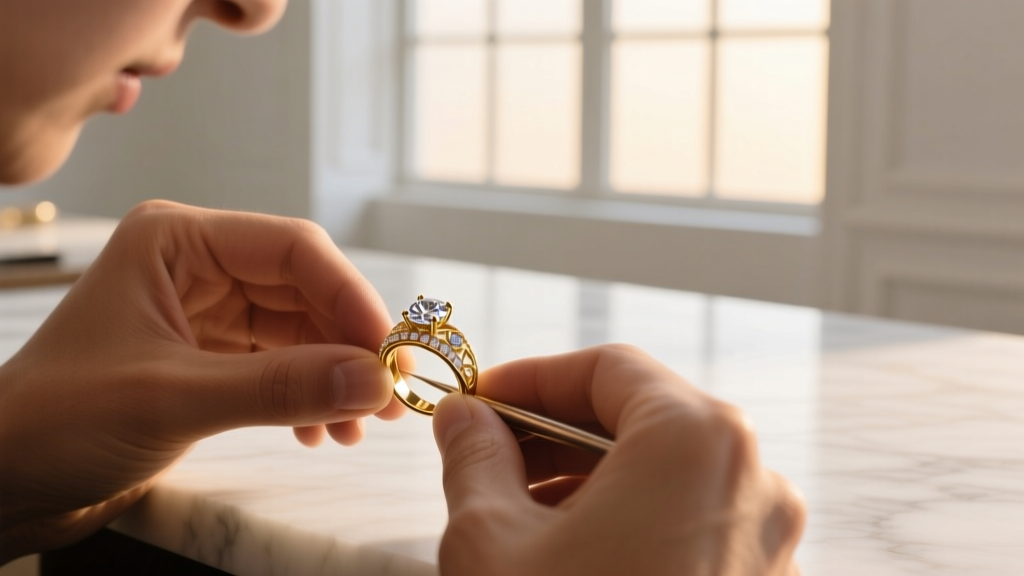
A common mistake when assessing a fresh water pearl necklace is focusing entirely on the pearls while ignoring the structural engineering of the strand. A $500 strand of AAA pearls loses significant value and lifespan if assembled poorly.
- The Drill Hole: Inspect the drill holes closely. High-value necklaces feature clean, centered, and narrow drill holes (typically 0.6mm to 0.8mm). Cheap manufacturers use thick, off-center drill bits that cause the nacre to chip and splinter at the edges, creating weak points that will eventually crack.
- French Wire (Gimp): Look at the connection point where the silk thread meets the metal clasp. A high-value necklace will feature a tiny metal coil called French wire or 'gimp' wrapping the silk. This prevents the metal clasp from sawing through the silk thread over time. If the silk loops directly through a metal ring, it is a hallmark of mass-produced, low-budget assembly.
- Knotting Tension: The knots between the pearls should be tight and uniform. If there is visible gaps of thread between the knot and the pearl, the silk was stretched improperly during manufacturing, and the necklace will quickly become loose and floppy.
Budget Checklist: How to Inspect Before You Buy
Whether you are buying from a high-end boutique or an online estate auction, use this rapid-assessment checklist to ensure your budget aligns with the actual value of the fresh water pearl necklace:
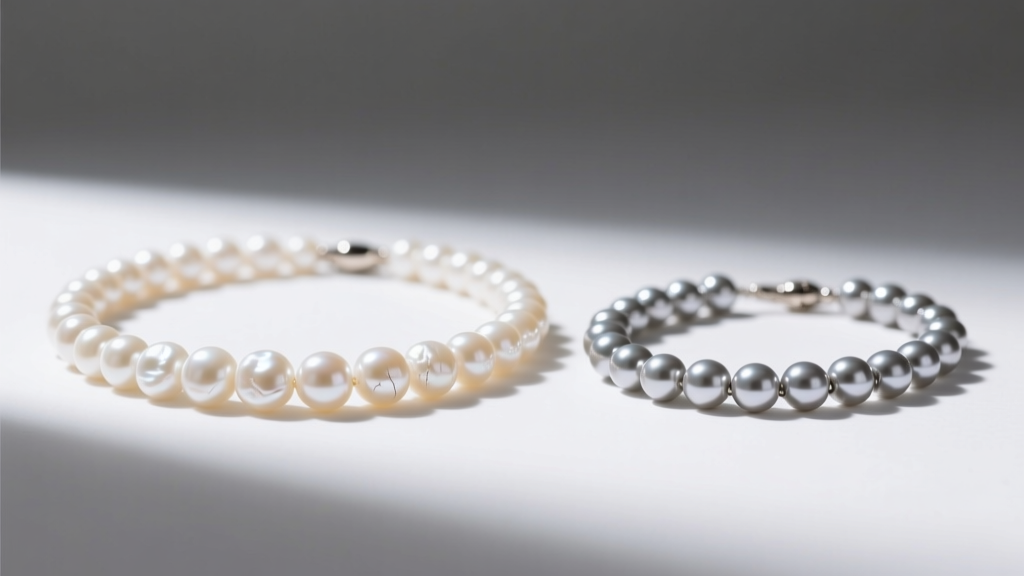
- The Shadow Test: Hold the necklace under a single, harsh light source. High-value pearls will cast a sharp, distinct shadow on the surface below. Chalky, low-value pearls will scatter the light and cast a blurry, diffuse shadow.
- The Tooth Test (With Caution): Gently rub a pearl against the biting edge of your front tooth. Solid, high-quality nacre feels distinctly gritty or sandy, like fine sandpaper. If it feels perfectly smooth like glass, it is likely a plastic or coated glass imitation, or heavily lacquered low-grade freshwater.
- The Color Consistency Check: Roll the strand on a white paper towel. Look for 'banding' or distinct color stripes, which indicate the pearls were harvested prematurely or artificially dyed. Natural freshwater colors (white, peach, lavender) should have a soft, continuous overtone.
- The Clasp Hallmark: Verify the clasp metal. A genuine fine-jewelry grade pearl necklace will never be finished with base metal or unmarked plated brass. Look for 14k, 18k, or 925 stamps.
"The greatest misconception in the pearl market is that freshwater equates to 'cheap.' A top-tier, solid-nacre freshwater strand is an investment in structural permanence that saltwater pearls simply cannot match at the same price point." — Senior Appraiser, Jewel Style Radar
Ultimately, evaluating a fresh water pearl necklace in 2026 requires a shift in perspective. By prioritizing luster sharpness, solid nacre architecture, and meticulous stringing techniques over inflated brand names, you can secure a piece of fine jewelry that offers unparalleled elegance and generational durability, regardless of your budget tier.


