Freya's Necklace: 2026 Viking Jewelry Trend Analysis
Explore the 2026 evolution of Freya's necklace (Brísingamen). Discover authentic materials, chainmail gauges, and how to style Viking jewelry today.

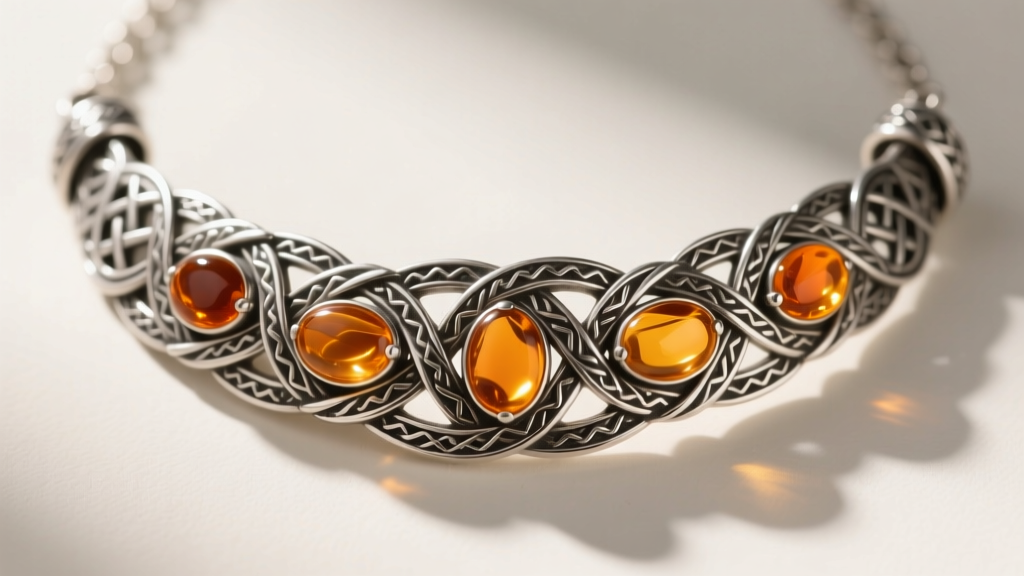
In the pantheon of Norse mythology, few artifacts command the reverence and mystique of Brísingamen, the legendary torc or necklace of the goddess Freyja. As we navigate the jewelry landscape of 2026, the ubiquitous "Viking" trend has undergone a radical maturation. The era of mass-produced, zinc-alloy television show replicas is effectively over. Today’s discerning collectors, historical reenactors, and pagan practitioners are demanding museum-quality craftsmanship, metallurgical accuracy, and subtle aesthetic integration. The modern interpretation of Freya's necklace is no longer just a costume piece; it is a masterclass in heritage metalwork and lapidary arts.
The Mythological Blueprint of Brísingamen
To understand the 2026 design trends surrounding Freya's necklace, one must first look to the Þrymskviða and the *Sörla þáttr*. According to the lore, the necklace was forged by four master dwarven smiths—Dvalinn, Alfrik, Berling, and Grer. Freyja acquired it through a steep bargain, and the artifact was said to be so radiant that it amplified her divine beauty and magical prowess.
Historically, Viking Age necklaces were not the heavy, rigid steel collars seen in modern pop culture. As documented by the National Museum of Denmark, authentic Norse jewelry relied heavily on intricate wire-drawing, filigree, granulation, and the incorporation of organic materials like amber, glass beads, and imported carnelian. The 2026 artisan revival of Brísingamen strictly adheres to these historical precedents, favoring the fluid, interlacing animal motifs of the Mammen and Urnes styles over the clunky, anachronistic skull-and-crossbones motifs of the early 2010s.
Material Alchemy: What 2026 Artisans Are Using
Freyja was famously said to weep tears of red gold and amber. Consequently, the most authentic modern replicas of Freya's necklace prioritize Baltic amber (succinite) and precious metals. However, the specific alloy compositions have evolved to meet modern wearability standards while retaining historical soul.
| Material | Historical Accuracy | Durability & Patina | 2026 Price Range |
|---|---|---|---|
| 925 Sterling Silver | Moderate (Silver was used, but less common than bronze for everyday wear) | High. Tarnishes naturally; takes a brilliant polish. Hypoallergenic. | $180 - $650 |
| Cast Bronze | High (The standard for Viking Age metalwork) | Moderate. Develops a rich, earthy verdigris over time. Can cause green skin staining if not sealed. | $85 - $250 |
| 14k Gold Vermeil | High (Represents Freyja's 'golden tears') | Low to Moderate. Requires careful maintenance to prevent the gold layer from wearing off the silver core. | $220 - $800 |
| Stainless Steel | None (Strictly modern) | Extremely High. Will not tarnish, but lacks the warmth and artisanal feel of traditional metals. | $30 - $90 |
Top-tier jewelers are currently utilizing Baltic Amber sourced directly from the Kaliningrad region or the Lithuanian coast. Genuine Baltic amber is approximately 44 million years old and contains succinic acid. Artisans in 2026 are moving away from heavily polished, plastic-looking amber beads, favoring raw, unpolished nuggets wrapped in silver wire, or cabochons cut to highlight the natural prehistoric inclusions and sun spangles trapped within the resin.
Chainmail Mathematics: Wire Gauges and Aspect Ratios
A significant subset of Freya's necklace replicas features chainmail weaves, mimicking the flexible, net-like descriptions of the mythological artifact. Creating a historically plausible and structurally sound chainmail necklace requires a strict adherence to Aspect Ratio (AR) mathematics.
The King’s Chain and Trizantine Weaves
The most popular weave for high-end Brísingamen replicas is the King’s Chain (also known as the Byzantine weave variant). This weave is dense, rope-like, and drapes with a heavy, liquid fluidity that perfectly suits a goddess-level artifact. To achieve the correct drape without the rings pulling apart or stiffening, the AR must be meticulously calculated.
- Wire Gauge: 18 AWG (American Wire Gauge), which translates to exactly 1.024mm in thickness.
- Inner Diameter (ID):strong> 5.5mm (approximately 7/32 inch).
- Resulting Aspect Ratio: 5.37. This specific AR creates a tight, dense weave that locks securely without requiring soldering on every individual jump ring.
For the clasp and terminal ends, artisans employ hand-forged penannular rings or cast Valknut and Mjolnir toggles. The metal is typically treated with liver of sulfur (potassium polysulfide) to induce rapid oxidation, turning the recesses of the chainmail black, before being tumbled with stainless steel shot to polish the high points. This creates a striking, high-contrast finish that highlights the geometric precision of the weave.
Styling the Goddess Aesthetic for Modern Wardrobes
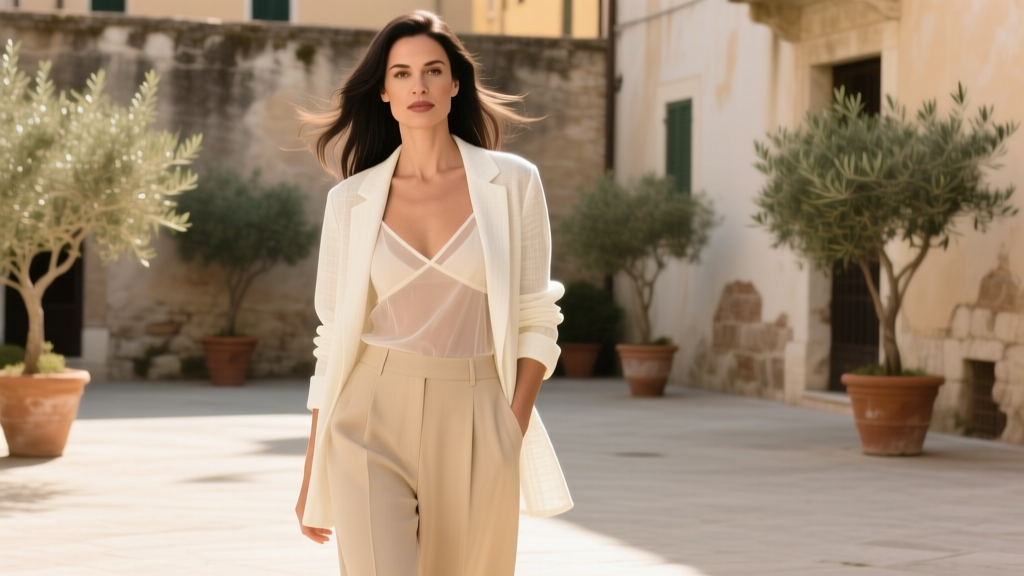
The 2026 fashion landscape has fully embraced "Quiet Norse" and Dark Academia aesthetics, which prioritize subtle, meaningful heritage pieces over loud, overt statements. Wearing Freya's necklace in a contemporary setting requires a strategic approach to layering and neckline pairing.
The Turtleneck and Structured Blazer Approach
A heavy, amber-studded silver torc or a thick King's chain Brísingamen replica serves as an exceptional anchor piece for autumn and winter wardrobes. Pairing a 20-inch, 925 silver knotwork necklace over a fine-gauge merino wool turtleneck (in charcoal, forest green, or deep oxblood) bridges the gap between ancient talisman and modern high fashion. The high neckline provides a solid canvas that prevents the chainmail from snagging on delicate fabrics while allowing the amber to catch ambient light.
The Minimalist Layering Technique
For everyday wear, the trend has shifted toward deconstructed interpretations of Freya's necklace. Instead of a massive, single collar, stylists are layering three distinct, delicate chains: a 16-inch silver snake chain, an 18-inch oxidized bronze rope chain, and a 20-inch chain terminating in a single, raw amber drop. This mimics the multifaceted nature of Freyja herself—goddess of love, beauty, war, and seiðr (magic)—without overwhelming the wearer's silhouette.
Sourcing and Verifying Authentic Craftsmanship
As the demand for authentic Viking jewelry surges, the market has been flooded with dropshipped, CAD-designed pieces masquerading as hand-forged antiquities. When investing in a high-quality replica of Freya's necklace, buyers must exercise rigorous due diligence.
First, examine the casting method. True artisan pieces are often created using the ancient lost-wax casting technique, which leaves microscopic, organic textures on the metal that mass-produced rubber-mold castings lack. Second, verify the amber. Genuine Baltic amber will fluoresce a pale blue or green under a UV blacklight, whereas copal (young resin) or glass will not. Furthermore, when a hot needle is touched to an inconspicuous area of genuine Baltic amber, it will emit a distinct, pleasant scent of pine resin, while plastic will smell acrid and melt.
For those seeking historical context and design inspiration, The Metropolitan Museum of Art's archives on Viking metalwork provide invaluable references for authentic animal interlace patterns and terminal designs. By prioritizing artisanal integrity, correct metallurgical practices, and thoughtful styling, the modern wearer can honor the legacy of Brísingamen not as a mere accessory, but as a wearable piece of living history.


