Frida Kahlo Self Portrait With Thorn Necklace: A Jewelry Style Guide
Explore the symbolism of the Frida Kahlo self portrait with thorn necklace and learn how to style modern thorn chokers and pendants for everyday wear.

The Enduring Legacy of the Thorn Necklace
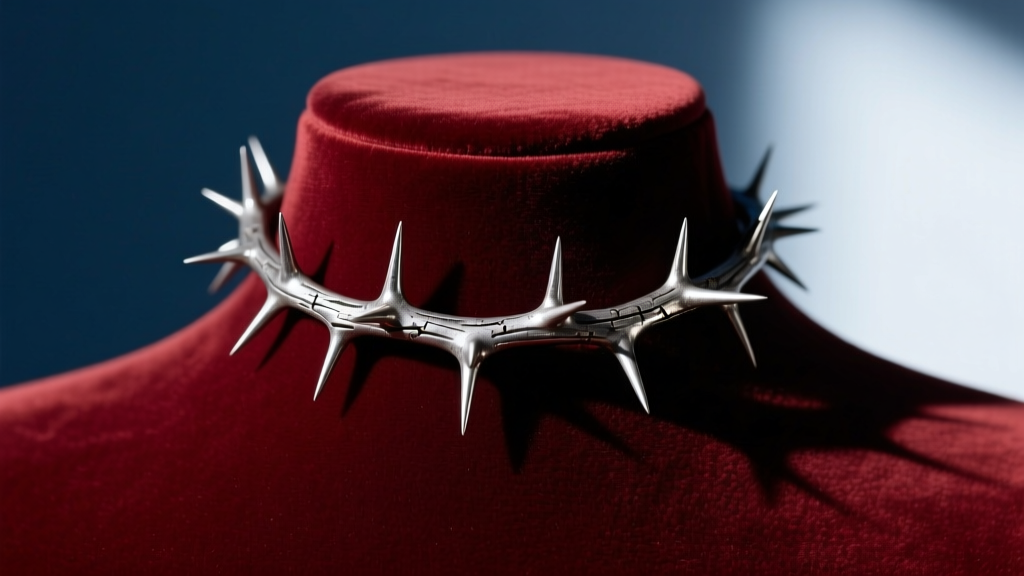
When exploring the intersection of art history and wearable motifs, few pieces are as iconic or emotionally resonant as the jewelry depicted in the Frida Kahlo self portrait with thorn necklace and hummingbird (1940). In this masterpiece, Kahlo wears a tightly wound necklace of thorns that draws blood, symbolizing pain, resilience, and the inextricable link between beauty and suffering. While the original piece was a raw, natural briar, the thorn motif has since evolved into a powerful staple in modern jewelry design.
As we move through 2026, the fascination with symbolic, nature-inspired jewelry continues to grow. The thorn necklace has transcended its gothic and punk roots to become a sophisticated emblem of strength and protection. For jewelry enthusiasts and beginners alike, understanding how to select, style, and care for a thorn-inspired choker or pendant is essential for integrating this bold motif into a contemporary wardrobe.
This guide breaks down the anatomy of thorn jewelry, the metalworking techniques used to create them, and actionable advice on how to wear these striking pieces without overwhelming your personal style.
Anatomy and Metalworking: How Thorn Necklaces Are Made
Translating the chaotic, organic structure of a briar patch into wearable metal requires precise craftsmanship. Modern artisan jewelers typically use one of two methods to create thorn necklaces: lost-wax casting or hand-fabrication. Hand-fabricated pieces are particularly prized for their unique, organic imperfections.
Wire Gauges and Structural Integrity
The foundation of a hand-forged thorn choker relies on specific wire gauges to balance durability with comfort. According to standard jewelry fabrication metrics:
- The Main Vine: Jewelers typically use 14-gauge (1.63mm) or 12-gauge (2.05mm) half-round or round wire for the central vine. This thickness ensures the choker holds its shape around the neck without bending out of place.
- The Thorns: The spikes are usually crafted from 18-gauge (1.02mm) or 20-gauge (0.81mm) wire. These are soldered onto the main vine and then filed to a sharp, yet skin-safe, taper.
- The Findings: Because thorn chokers are rigid or semi-rigid, they often utilize heavy-duty lobster clasps or custom-forged hook-and-eye closures made from 10-gauge wire to support the weight of the metal.
Oxidation and Patina Techniques
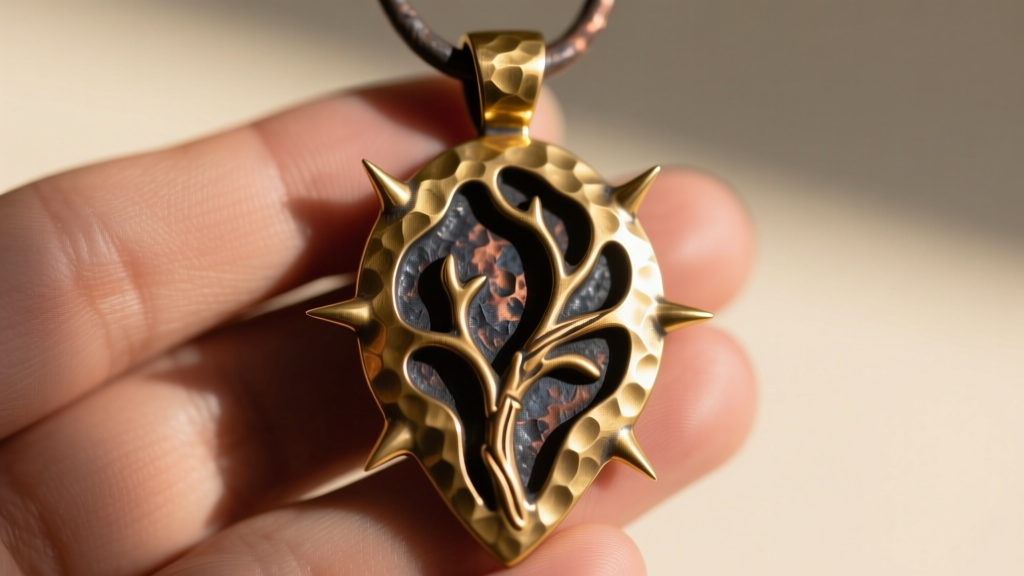
To mimic the dark, woody texture of natural briars, silversmiths heavily rely on oxidation. By applying liver of sulfur to sterling silver, the metal reacts and turns a deep, charcoal black. The jeweler then uses a polishing cloth or a rotary tool with a brass brush to remove the blackening from the high points (the tips of the thorns and the outer curve of the vine), leaving the deep crevices dark. This creates a high-contrast, three-dimensional effect that highlights the intricate metalwork.
Material Comparison: Choosing Your Thorn Jewelry
Not all thorn necklaces are created equal. The metal you choose will dictate the piece's longevity, price point, and maintenance requirements. Below is a comparison of the most common materials used for thorn-inspired jewelry.
| Material | Characteristics & Finish | Price Range (Artisan) | Tarnish & Care Level |
|---|---|---|---|
| Oxidized 925 Sterling Silver | Dark grey/black crevices with bright silver highlights. Hypoallergenic and highly detailed. | $120 - $350 | Moderate. Requires gentle cleaning to preserve the intentional oxidation. |
| Raw Brass / Bronze | Warm, earthy tones that develop a natural, moody patina over time. Excellent for vintage aesthetics. | $60 - $150 | High. Will oxidize naturally and may require occasional polishing with a brass brush. |
| 14k Gold Vermeil | Bright, luxurious finish. Often used for delicate thorn chains rather than heavy, rigid chokers. | $90 - $250 | Low. Resists tarnish but the gold layer can wear off on high-friction areas over years of use. |
Styling the Thorn Motif for Modern Wardrobes
The most common mistake beginners make with statement necklaces is allowing the jewelry to compete with the clothing. The Frida Kahlo Corporation archives show that Kahlo often paired her most painful, heavy motifs with traditional, structured Tehuana garments, creating a stark visual contrast. You can apply this same principle of contrast to your modern styling.
Neckline Pairings
A rigid thorn choker demands negative space. It looks exceptionally striking against the skin, framed by specific necklines:
- The Deep V-Neck: A dark, oxidized silver thorn choker resting just above the collarbone, paired with a black silk V-neck blouse, elongates the neck and draws the eye directly to the metalwork.
- The Off-the-Shoulder / Boat Neck: This provides a wide canvas of skin that allows the horizontal lines of the thorn vine to sit flush and prominent without fabric interference.
- Avoid High Collars: Turtlenecks or ruffled collars will catch on the 18-gauge thorn spikes, potentially damaging both the garment and the jewelry's solder joints.
Layering with Complementary Motifs
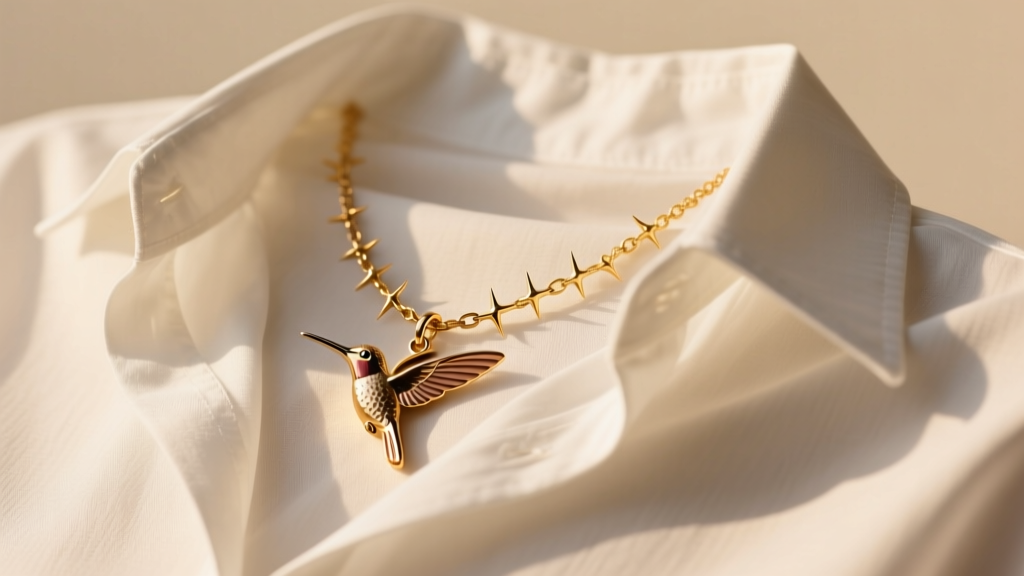
If a heavy choker feels too intense for daily wear, consider a delicate thorn chain layered with symbolic pendants. In her 1940 painting, Kahlo paired the thorns with a dead hummingbird, symbolizing lost luck or fallen love. Today, you can recreate this narrative by layering a 16-inch 14k gold thorn chain with an 18-inch delicate hummingbird or swallow pendant. This creates a staggered, romantic look that softens the aggressive edge of the thorns.
Care and Maintenance: Preserving the Patina
Caring for intricate, textured jewelry requires a departure from standard silver cleaning methods. The Gemological Institute of America (GIA) notes that while chemical dips and ultrasonic cleaners are excellent for bright, polished silver, they are highly destructive to intentionally oxidized pieces.
What to Avoid
Never use silver dip solutions, baking soda and aluminum foil baths, or ultrasonic cleaners on a thorn necklace. These methods will strip the liver of sulfur oxidation right out of the crevices, leaving you with a flat, uniformly bright silver piece that loses its three-dimensional, woody texture.
The Proper Cleaning Routine
- Dry Brushing: Use a clean, soft-bristled makeup brush or a very soft toothbrush to gently sweep away dust, skin cells, and lotion from the deep crevices of the vine.
- Targeted Polishing: If the high points of the thorns become dull, wrap a dry silver polishing cloth tightly around your index finger and gently rub only the raised edges. Do not press the cloth deep into the grooves.
- Moisture Protection: Always remove your thorn choker before showering or swimming. Trapped moisture in the tight coils of a choker can lead to localized corrosion, especially in brass or bronze pieces.
"Jewelry is not just an accessory; it is an armor and a narrative. When you wear a thorn necklace, you are participating in a long lineage of using adornment to signal resilience and boundaries."
Final Thoughts on Wearing Symbolic Jewelry
The Frida Kahlo self portrait with thorn necklace remains a masterclass in using jewelry to communicate internal landscapes. By understanding the material grades, the metalworking techniques, and the styling nuances of thorn jewelry, you can confidently incorporate this fierce motif into your own collection. Whether you opt for a heavy, hand-forged oxidized silver choker or a delicate gold thorn chain layered with a hummingbird pendant, you are wearing a piece of art that speaks to survival, beauty, and the enduring power of nature.


