2026 Bale Necklace Gift Guide: Match Pendants to Occasions
Discover the perfect bale necklace for every occasion in our 2026 gift guide. Learn how bail types, metals, and pendant styles match specific events.

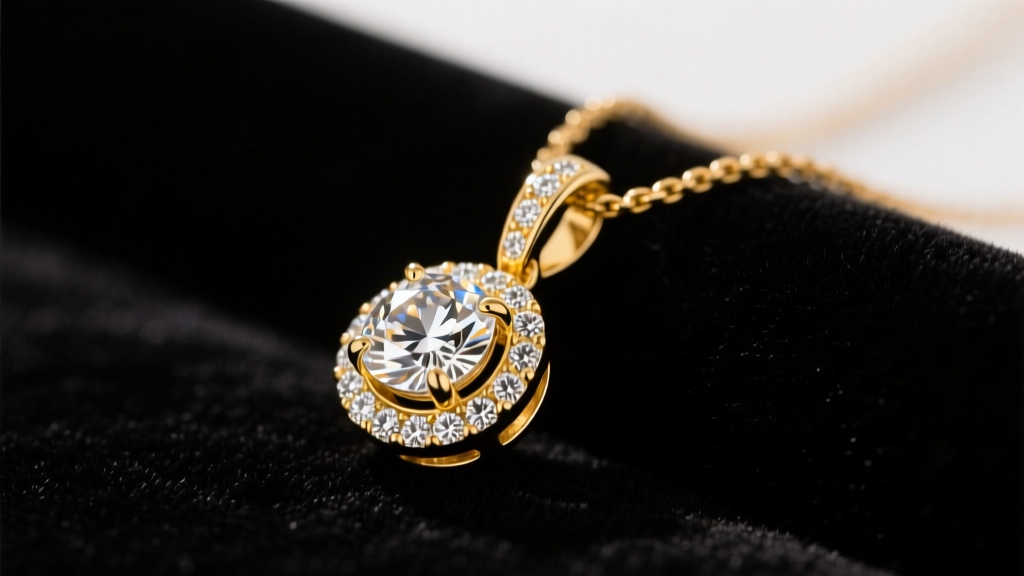
The Unsung Hero of Pendant Gifting: Understanding the Bale
When selecting a pendant necklace as a gift, most buyers fixate on the center gemstone or the chain's link style. However, the structural linchpin of the entire piece is the bale (technically known in bench jewelry as a 'bail'). The bale is the finding that connects the pendant to the chain, and in a 'bale necklace,' this component is either a prominent design feature or an engineered marvel designed for specific wear patterns. In 2026, gifting a pendant requires a deeper understanding of how the bale interacts with the chain, the wearer's lifestyle, and the occasion itself.
According to the GIA Gem Encyclopedia, the security of a pendant relies entirely on the integrity of its attachment point. A poorly matched bale can lead to gemstone loss, chain abrasion, and metal fatigue. Whether you are shopping for a milestone anniversary or a subtle graduation gift, understanding the anatomy and application of different bale types will elevate your gifting strategy from amateur to expert.
The Anatomy of a Bale Necklace: Types and Metal Grades
Not all bales are created equal. The choice of bale dictates the type of chain you can use, the weight of the pendant it can support, and the overall aesthetic. Here are the primary bale types you will encounter when shopping for high-quality pendant necklaces:
- Pinch Bales: Features prongs that pinch into a pre-drilled hole in the gemstone. Best for teardrop and pear-shaped stones. Expert Tip: Always opt for Platinum (PT950) or 18k White Gold for pinch bales. Lower karat golds or silver lack the tensile memory required to keep prongs securely closed over years of daily wear.
- Hidden Bales: Designed to slide onto the chain while remaining completely concealed behind the pendant. Ideal for minimalist, modern designs where the stone appears to float on the collarbone. These require a flat chain, like a box or wheat chain, to prevent internal twisting.
- Glue-On Bales: Features a flat pad that is epoxied to the top of a cabochon or undrilled stone. While common in fashion jewelry, fine jewelers avoid them for high-value gifts due to the risk of adhesive degradation from skin oils and heat.
- Donut Bales: A circular wire wrapping designed specifically for donut-shaped gemstones (like jade or agate). These require thicker, more robust chains to pass through the wide loop.
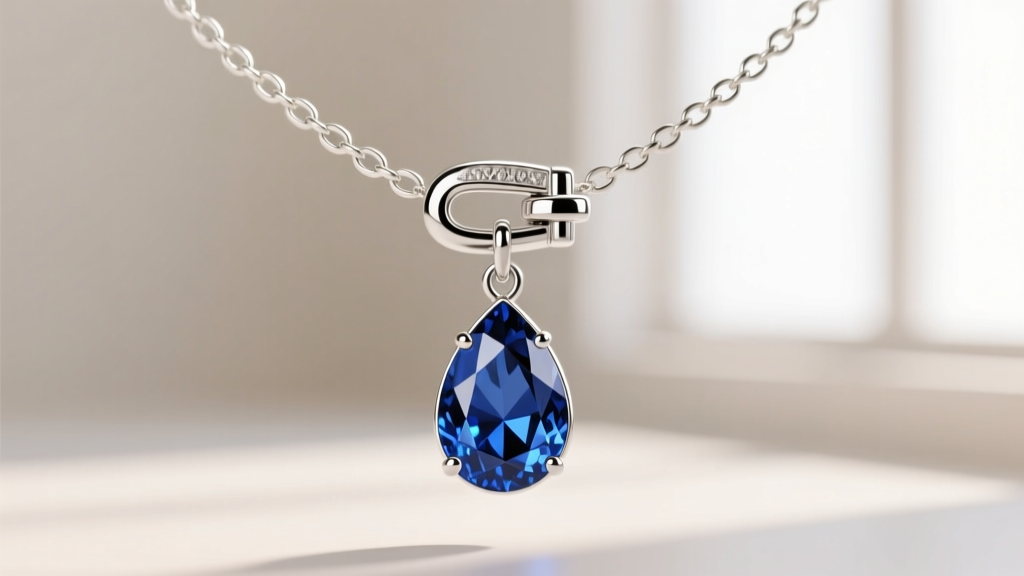
The 2026 Occasion Matching Matrix
To help you navigate the myriad of options, we have developed a decision framework. This matrix aligns the gifting occasion with the most appropriate bale type, metal grade, and chain gauge, ensuring your gift is both beautiful and structurally sound.
| Gifting Occasion | Recommended Bale Type | Ideal Metal Grade | Optimal Chain Gauge | Est. Budget Range |
|---|---|---|---|---|
| 10th Anniversary | Diamond-Accented Pinch Bale | 18k Yellow Gold (750) | 1.2mm Box Chain | $1,200 - $3,500 |
| College Graduation | Modern Hidden Bale | 14k White Gold (585) | 1.0mm Wheat Chain | $450 - $900 |
| Milestone 50th Birthday | Custom Wrap Bale | PT950 Platinum | 1.5mm Rope Chain | $2,000 - $5,000+ |
| Everyday Minimalist Gift | Simple Loop / Jump Ring | Sterling Silver (925) | 0.9mm Cable Chain | $80 - $250 |
Chain Gauge and Bale Compatibility: Preventing Failure Modes
The most common point of failure in a bale necklace is not the clasp, but the friction point where the chain threads through the bale. Jewelers of America frequently notes that mismatched chain gauges and bale interiors lead to premature wear, resulting in snapped chains or worn-through bales.
When gifting a bale necklace, you must consider the 'abrasion coefficient' between the chain and the bale. If you are gifting a 14k gold pendant with a standard loop bale, do not pair it with a hardened steel or tungsten chain. The harder metal will act as a file, slowly sawing through the softer gold bale from the inside out.
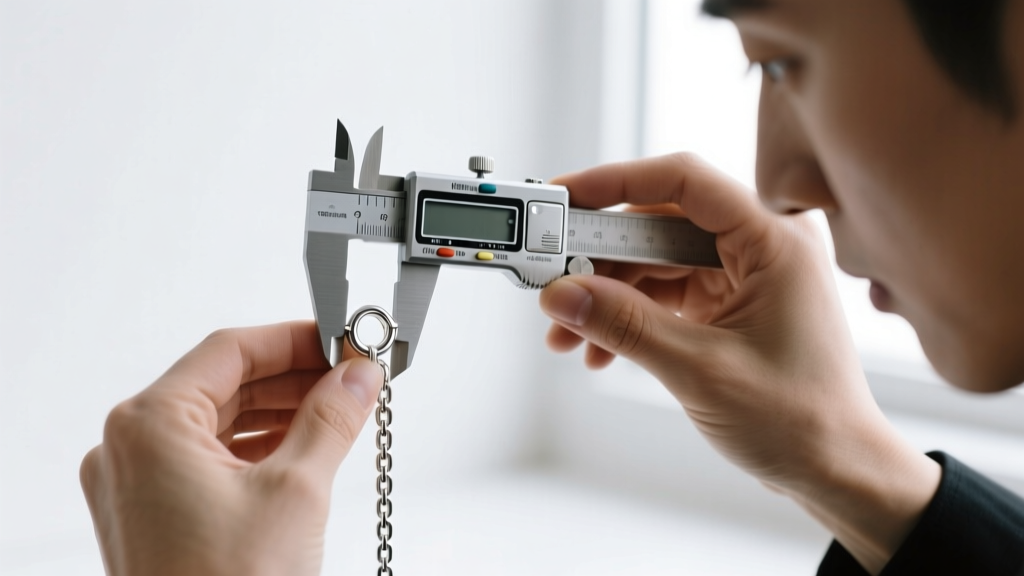
The Golden Rules of Chain Sizing
Use these specific measurements to ensure your gift lasts a lifetime:
- The 1.5mm Rule for Pinch Bales: Most diamond-set pinch bales have an interior clearance of roughly 1.8mm to 2.0mm. A 1.2mm to 1.5mm chain allows enough clearance for the pendant to lay flat against the chest without binding or twisting.
- The Flat Chain Requirement for Hidden Bales: Hidden bales feature a rectangular or square internal channel. Round chains (like rope or cable) will roll inside this channel, causing the pendant to flip upside down constantly. Always pair hidden bales with flat box or flat wheat chains.
- The Weight Ratio: The chain should weigh at least 30% more than the pendant and bale combined. A heavy gemstone on a micro-thin chain will cause the bale to warp and pull the chain links apart at the attachment point.
Sourcing and Pricing Tiers for Bale Necklaces
When budgeting for a bale necklace gift in 2026, it is crucial to understand how the complexity of the bale impacts the final price. The bale is not just a finding; it requires specialized bench work to set and polish.
Entry-Level ($50 - $250)
In this tier, you will primarily find sterling silver or gold-plated brass pieces. The bales are usually mass-cast loop bales or simple glue-on findings. While perfectly acceptable for trendy, seasonal gifting, they lack the structural longevity for heirloom pieces. Look for rhodium-plated sterling silver to prevent tarnishing around the friction points.
Mid-Tier Fine Jewelry ($400 - $1,200)
This is the sweet spot for graduation and birthday gifts. Here, you will find solid 14k gold bales, often featuring micro-pave diamond accents on the visible exterior of a pinch bale. The craftsmanship at this level ensures that the interior of the bale is polished smooth, reducing friction against the chain. Brands like Mejuri and Blue Nile excel in this tier, offering standardized chain-and-bale pairings that eliminate compatibility guesswork.
Luxury and Bespoke ($2,000+)
At the luxury tier, the bale is integrated into the pendant's architectural design. Custom wrap bales in PT950 platinum, or hidden bales with spring-loaded release mechanisms for interchangeable pendants, dominate this space. The bale is treated as a secondary canvas for gem-setting, often requiring hours of manual labor under a microscope to ensure the prongs do not interfere with the chain's path.
Final Gifting Advice: The Presentation Matters
When presenting a bale necklace, the way it is boxed can actually protect the structural integrity of the piece. Never store or gift a pendant necklace with the chain threaded through the bale if it is going into long-term storage. The continuous tension and slight acidity from handling can degrade the metal over time. Instead, gift the necklace with the chain unclasped and laid parallel to the pendant, or thread it only at the moment of gifting. By paying attention to the bale—the true anchor of the necklace—you are gifting not just a beautiful stone, but a masterfully engineered piece of jewelry designed to endure.


