How To Style A Frida Kahlo Self Portrait Thorn Necklace
Learn how to safely source, style, and care for a Frida Kahlo self portrait thorn necklace replica with our expert jewelry guide and material specs.

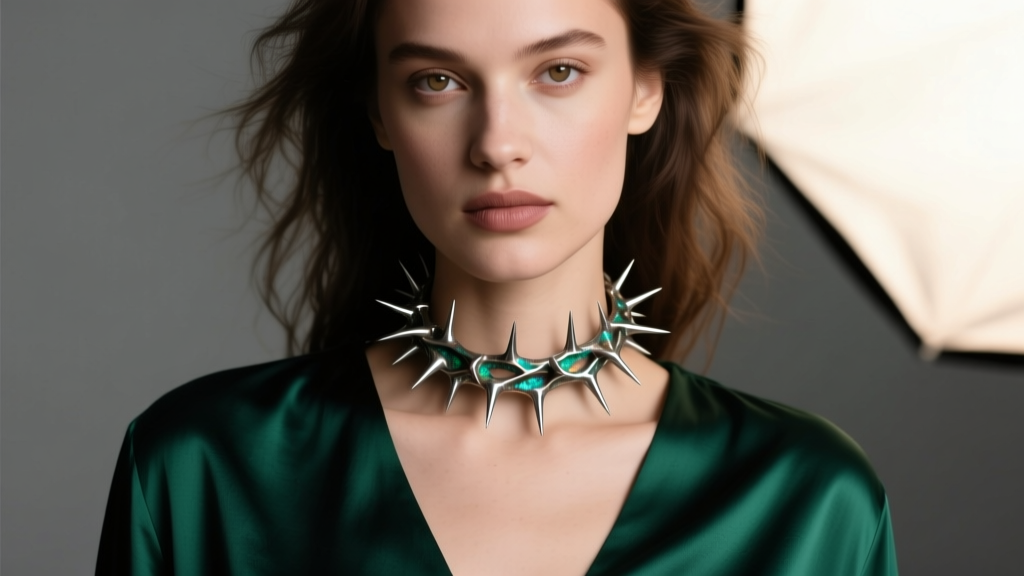
Frida Kahlo’s 1940 masterpiece, Self-Portrait with Thorn Necklace and Hummingbird, remains one of the most visually arresting and emotionally charged paintings of the 20th century. The thorn necklace she depicted is not merely an accessory; it is a profound symbol of pain, resilience, and indigenous Mexican identity. Today, the Frida Kahlo self portrait thorn necklace has transcended fine art to become a highly sought-after motif in botanical and surrealist jewelry design. However, translating a painting of actual piercing thorns into a safe, wearable, and elegant piece of jewelry requires a deep understanding of metallurgy, casting techniques, and styling proportions.
This comprehensive guide will walk you through the exact specifications for sourcing a wearable replica, the critical safety modifications required for the thorn prongs, and step-by-step styling techniques to integrate this bold statement piece into a modern wardrobe.
The Anatomy of a Wearable Thorn Necklace
When commissioning or purchasing a thorn necklace inspired by Kahlo’s work, the manufacturing method dictates both the aesthetic authenticity and the physical safety of the piece. The most accurate and durable method is lost-wax casting. Artisans sculpt the intricate branch and thorn textures in wax, which is then encased in investment plaster and burned out, leaving a mold for molten metal.
Wire Gauges and Structural Integrity
A common failure mode in cheap, mass-produced branch necklaces is snapping at the joints. For a piece that mimics the thick, woody vines in Kahlo’s painting, the main structural wire must be cast at a minimum of 12-gauge (2.05mm) to 14-gauge (1.63mm) thickness. The thorns themselves should be cast at 18-gauge (1.02mm). Anything thinner will bend under the tension of being clasped around the neck or snagged on clothing.
The Critical Safety Step: Blunting and Tumbling
Actual thorns are designed to pierce. A wearable jewelry replica must not be. After casting, the raw silver or brass thorns will have sharp, needle-like tips. A master jeweler will subject the necklace to a multi-step finishing process:
- Hand-Filing: Each individual thorn tip is filed down to remove the sharpest needle point.
- Steel Shot Tumbling: The necklace is placed in a rotary tumbler with stainless steel shot and a mild burnishing compound for 4 to 6 hours. This work-hardens the metal and rounds the tips to a safe 0.5mm radius, ensuring they will not scratch the skin or snag on delicate silk fabrics.
According to the Harry Ransom Center, which houses the original 1940 painting, the thorns in Kahlo's work dig deeply into her neck. In jewelry design, we achieve this visual illusion through shadow and oxidization, not physical pressure.
Step-by-Step Sourcing and Material Selection
Choosing the right metal alloy is crucial for both the visual weight of the piece and its longevity against the skin. Below is a comparison of the most common materials used for high-quality botanical replicas.
| Material | Average Price Range | Weight & Drape | Patina & Maintenance |
|---|---|---|---|
| 925 Sterling Silver (Oxidized) | $180 - $450 | Heavy, excellent drape | Intentional dark crevices; requires careful polishing |
| Solid Brass (Antiqued) | $80 - $150 | Very heavy, rigid | High risk of skin discoloration; requires lacquer coating |
| 14k Gold Vermeil over Silver | $250 - $600 | Medium, comfortable | Wear on high points reveals silver underneath over time |
Expert Recommendation: Always opt for heavily oxidized 925 sterling silver. The oxidation (liver of sulfur treatment) pools in the deep crevices of the bark texture, creating high contrast that makes the thorns pop visually, closely mirroring the dark, moody tones of the original painting.
Clasp Mechanics and Security
Because a solid cast silver thorn choker can weigh between 45 and 80 grams, standard spring-ring clasps are a liability. The weight of the necklace will pull downward, putting immense stress on a tiny clasp mechanism.
- Use a Heavy-Duty Lobster Clasp: Ensure the clasp is at least 12mm in length and features a reinforced internal spring.
- The Toggle Alternative: For a more secure and historically aesthetic fit, a custom-cast branch-and-loop toggle clasp distributes the tension evenly and adds to the organic, botanical theme of the piece.
- Soldered Jump Rings: Verify that the jump rings connecting the clasp to the chain are soldered shut. If they are merely butted together, the heavy thorn body will eventually pull them apart.
How to Style the Thorn Necklace for Modern Wardrobes
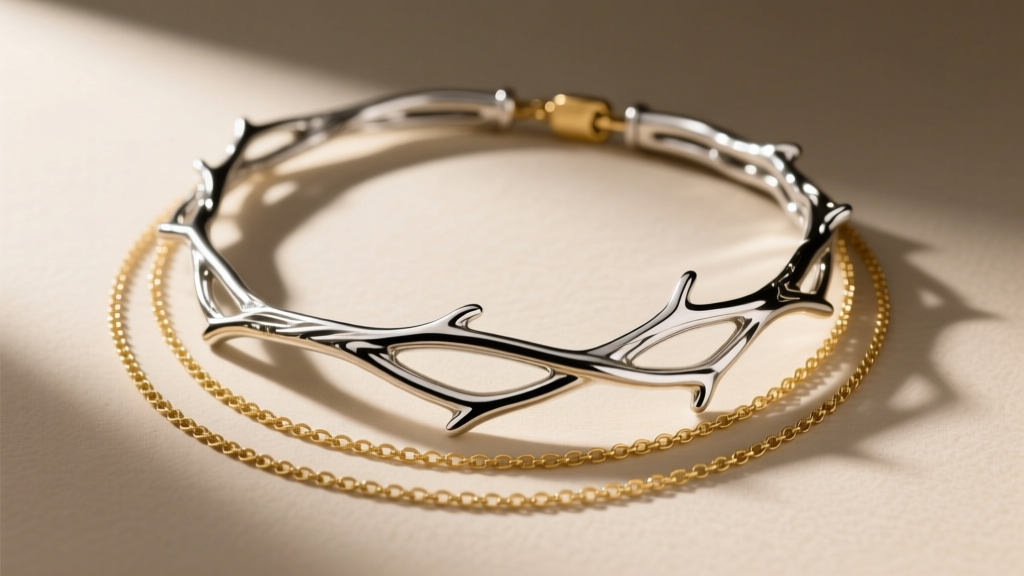
Styling a piece with such aggressive, chaotic texture requires a deliberate approach to balance. The goal is to let the necklace act as the undisputed focal point of your outfit.
Step 1: Master the Neckline Pairings
The thorn necklace sits best when it has a canvas of bare skin or smooth fabric to contrast against its jagged edges.
- The Deep V-Neck: This is the most flattering pairing. The V-shape frames the collarbone and draws the eye down, mimicking the composition of Kahlo’s portrait.
- The Off-the-Shoulder / Bateau: Exposing the entire shoulder and upper chest allows the 15-inch or 16-inch choker length to sit cleanly without competing with fabric folds.
- Avoid Crew Necks: Wearing a thorn necklace over a tight crew-neck t-shirt creates visual clutter and often results in the metal catching on the cotton ribbing.
Step 2: Balancing Visual Weight with Accessories
Because the thorn necklace is inherently "noisy" to the eye, your secondary jewelry must be whisper-quiet. Avoid large chandelier earrings or stacked bangles. Instead, pair the necklace with small, textured gold or silver hoop earrings (no larger than 15mm in diameter) or simple diamond/sapphire stud earrings. This adheres to the classic jewelry rule of one dominant statement piece per look.
Step 3: The Layering Gap Rule
If you choose to layer the thorn necklace, you must respect the 2-inch gap rule. Pair the 15-inch thorn choker with a delicate, 17-inch or 18-inch chain featuring a single, small pendant (such as a subtle hummingbird charm to nod to the painting). If the chains are too close in length, the thorns will tangle with the secondary chain, causing scratches and damaging the delicate links of the longer piece.
Maintenance and Patina Management
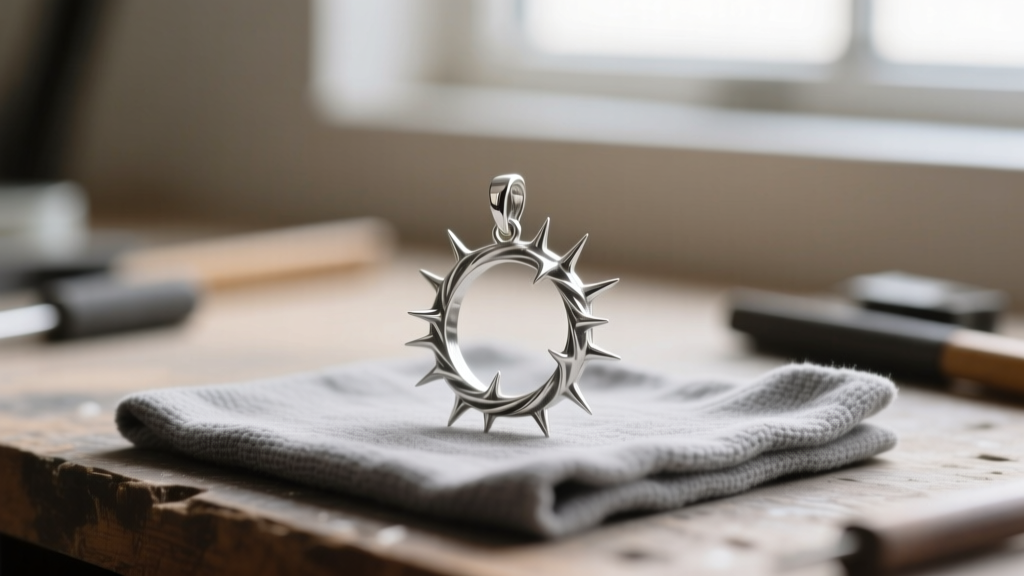
Caring for an oxidized botanical piece is fundamentally different from caring for high-polish silver. The GIA Gem Encyclopedia notes that silver sulfide (tarnish) is usually removed, but in the case of an antiqued thorn necklace, the dark tarnish in the recesses is an intentional design element that provides depth.
What to Avoid
Never use liquid silver dip solutions or ultrasonic cleaners. Liquid dips will strip the oxidation from the deep bark crevices, leaving the necklace looking flat, gray, and lifeless. Ultrasonic vibrations can also loosen any soldered joints on the smaller thorn offshoots.
The Correct Polishing Technique
- Use a dry, untreated microfiber cloth or a specialized silver polishing cloth impregnated with mild anti-tarnish agents.
- Gently rub only the high points of the branches and the tips of the thorns. This removes skin oils and environmental tarnish from the raised areas while leaving the dark oxidation intact in the valleys.
- Store the necklace flat in an anti-tarnish ziplock bag. Hanging a heavy cast necklace on a standard jewelry tree can cause the metal to slowly warp or stress the solder points over time.
Final Thoughts on Wearing Art History
"I paint myself because I am so often alone and because I am the subject I know best." — Frida Kahlo
Wearing a Frida Kahlo self portrait thorn necklace is an exercise in carrying art history and emotional symbolism against your skin. By prioritizing proper lost-wax casting, ensuring the prongs are safely blunted, and styling the piece with intentional minimalism, you transform a surreal symbol of suffering into a modern triumph of botanical jewelry design. Whether sourced from an independent metalsmith or a specialized botanical jeweler, the right piece will serve as a resilient, striking armor for your everyday wardrobe.


