The Statement Necklace With Clasp: 2026 Trend Guide
Discover why the front-facing necklace with clasp is the defining jewelry trend of 2026. Explore styles, material grades, and expert layering tips.

The Shift: From Hidden Hardware to Hero Element
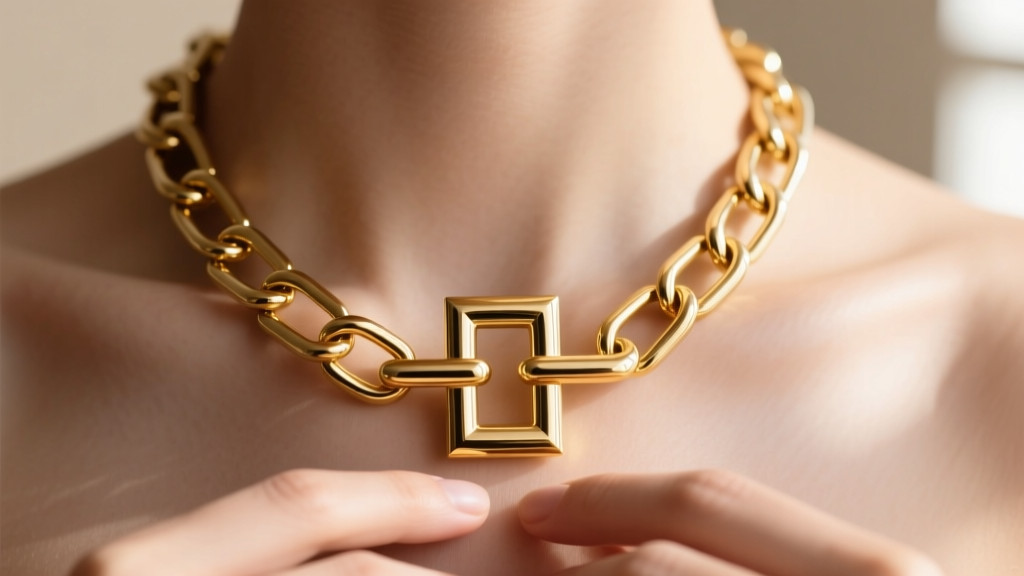
For decades, the jewelry industry treated the clasp as a purely utilitarian afterthought—a necessary evil to be hidden beneath the hair or tucked discreetly behind the nape of the neck. But as we navigate the 2026 jewelry landscape, a radical shift has occurred. The modern necklace with clasp hardware is no longer just a closure mechanism; it is the focal point of the design. Driven by a desire for convertible, multi-functional jewelry and a broader trend toward industrial-chic aesthetics, designers are repositioning clasps to the front of the collarbone, transforming them into statement pendants and architectural anchors.
This evolution reflects a broader consumer demand for intentionality in accessorizing. A front-facing clasp breaks the symmetry of a traditional chain, introducing an element of asymmetry and structural intrigue that elevates even the most basic gold or silver links. According to industry analysts at Blue Nile, the integration of hardware as a primary design element has led to a 40% increase in searches for convertible and multi-wear chain necklaces over the past eighteen months.
Top Clasp Styles Dominating 2026
Not all closures are created equal, especially when they are meant to be displayed prominently. The structural integrity, weight distribution, and visual geometry of the clasp must complement the chain. Below is a technical breakdown of the most prominent clasp styles defining the current market.
| Clasp Type | Tensile Strength | Best Chain Weight | Average Price Range | Front-Facing Viability |
|---|---|---|---|---|
| Oversized T-Bar Toggle | High (Static) | 15g - 45g | $120 - $450 | Excellent |
| Neodymium Magnetic | Medium (Dynamic) | 5g - 25g | $85 - $250 | Good (Minimalist) |
| Geometric Interlocking | Very High | 20g - 60g | $200 - $800+ | Excellent |
| Spring Ring (Standard) | Low | 1g - 10g | $30 - $90 | Poor (Hidden) |
The T-Bar Toggle Revival
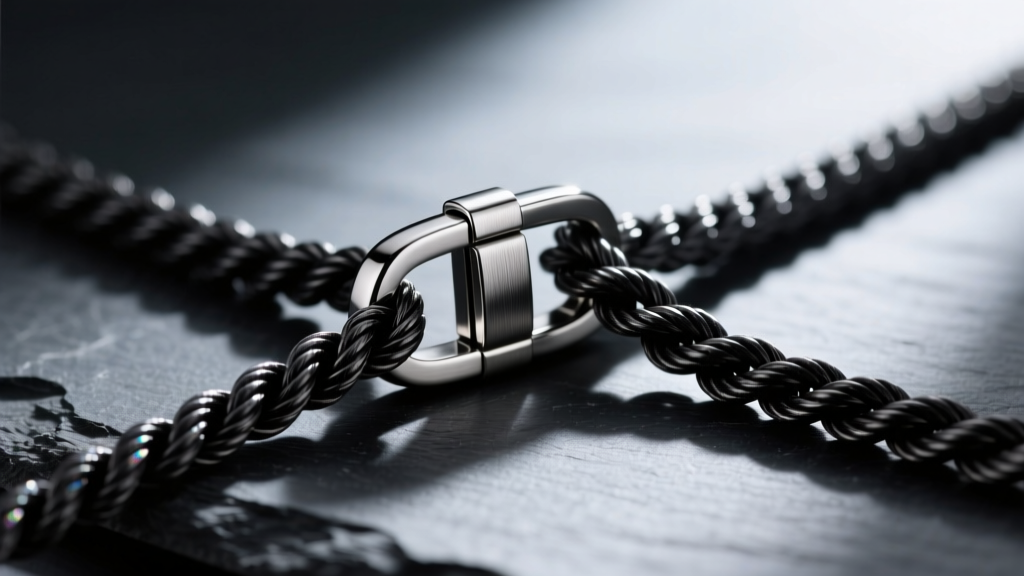
The toggle clasp has experienced a massive renaissance, but the 2026 iteration is far removed from the dainty, easily-snagged versions of the early 2000s. Today’s statement toggles feature exaggerated proportions. A standard T-bar toggle requires the bar to be at least 4mm longer than the inner diameter of the receiving ring to prevent slippage during movement. In contemporary statement pieces, designers are utilizing 14mm inner-diameter rings paired with 22mm to 25mm cylindrical or geometric bars. This over-engineering not only guarantees security for heavier chains but also turns the closure into a bold, sculptural pendant that rests perfectly in the sternal notch.
Interlocking Geometric & Magnetic Closures
For those who prefer a seamless aesthetic, interlocking geometric clasps and magnetic closures are leading the charge. High-end magnetic clasps now utilize N52-grade neodymium magnets, providing up to 25 pounds of pull force—more than enough to secure chains weighing up to 45 grams without fear of snapping. However, magnetic clasps require careful maintenance; they can attract microscopic metallic dust from the environment, which requires regular cleaning with a soft brush to maintain a flush connection. Interlocking geometric clasps, often machined from solid 14k gold or 316L stainless steel, use a puzzle-piece or bayonet-mount mechanism that clicks securely into place, offering a satisfying tactile experience and a flawless visual line.
How to Style a Front-Facing Necklace With Clasp
Styling a necklace where the hardware is the hero requires a strategic approach to necklines and layering. Because the clasp acts as a visual anchor, it draws the eye directly to the center of the chest.
- The Deep V-Neck: Pair an oversized T-bar toggle necklace with a deep V-neck blouse or dress. The diagonal lines of the neckline naturally guide the eye down to the clasp, framing it perfectly.
- The Crew Neck Contrast: For a high-neck crew or mock-turtleneck, opt for a shorter, 16-inch choker-style chain with a geometric interlocking clasp. The hardware will sit just above the fabric line, creating a sharp, modern contrast.
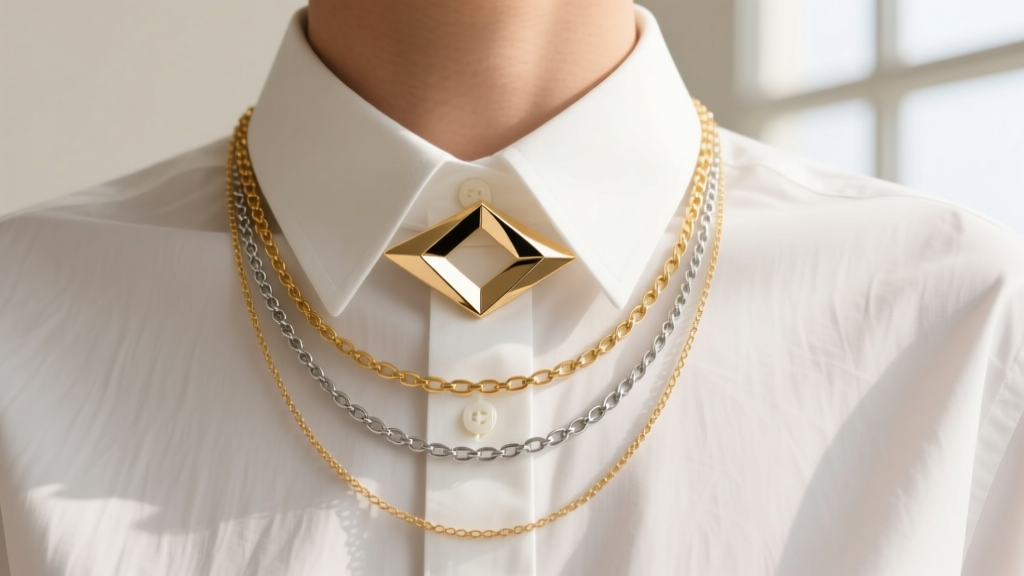
- Asymmetrical Layering: When layering, use the front-clasp necklace as your base layer (typically 18 inches). Add a secondary, longer pendant necklace (22 inches) that features a traditional hidden clasp. This prevents visual clutter and allows the primary hardware to stand out.
Material Grades and Durability Metrics
When the clasp is subjected to the friction of being worn in the front—often rubbing against clothing, zippers, or skin—material selection becomes critical. According to the Gemological Institute of America (GIA), understanding alloy compositions is vital for predicting wear and tarnish resistance in daily-wear jewelry.
316L Surgical Stainless Steel: Alloyed with molybdenum, 316L offers superior resistance to pitting and corrosion compared to standard 304 steel. It is an excellent, budget-friendly choice for heavy, industrial-style toggle clasps, typically ranging from $45 to $120.
925 Sterling Silver with Rhodium Plating: While pure silver is too soft for clasp mechanisms, 925 sterling (7.5% copper) provides necessary rigidity. However, the copper content makes it prone to oxidation. For front-facing clasps, a thick rhodium plating (at least 0.75 microns) is essential to prevent tarnish from skin oils and environmental sulfur.
14k and 18k Gold Alloys: 14k gold (58.5% pure gold) remains the gold standard for clasp durability. The higher copper and zinc content in 14k yellow gold provides excellent tensile strength for spring mechanisms and toggle bars, whereas 18k gold, while richer in color, is softer and more prone to scratching when subjected to frontal friction.
Troubleshooting Common Clasp Failures
Even the most beautifully designed necklace with clasp hardware is vulnerable to mechanical failure. Understanding these failure modes allows you to maintain your pieces and know when to seek professional repair.
Toggle Slippage: If your T-bar constantly slips out of the ring, the bar has likely bent or worn down, reducing its effective length. A jeweler can easily solder a small gold or silver bead to the end of the bar to restore its length and secure the fit.
Spring-Ring Fatigue: The internal spring in a traditional lobster or spring-ring clasp can lose tension over time, causing the lever to fail to close completely. If you notice a gap when the lever is released, the clasp must be replaced immediately to prevent chain loss.
Magnetic Dust Accumulation: As mentioned, neodymium magnets attract ferrous particles. If your magnetic clasp feels weak or won't sit flush, use a piece of sticky tack or a soft-bristled toothbrush to gently lift the metallic dust from the magnet face. Never use a wet cloth, as moisture trapped between the magnets can cause internal rusting of the magnet core.
The Future of Functional Hardware
The elevation of the clasp from a hidden necessity to a celebrated design feature represents a maturation in jewelry design. As we move further into 2026, expect to see even more integration of smart-closures, micro-pave diamond encrusting on toggle bars, and modular systems where a single chain can accept multiple interchangeable statement clasps. The necklace with clasp hardware front-and-center is not just a fleeting trend; it is a permanent evolution in how we interact with and appreciate the architecture of fine jewelry.


