Is Your Necklace Blood-Free? 2026 Ethical Value Guide
Discover the true cost of ethical diamonds in 2026. We compare lab-grown, Canadian-mined, and recycled options to help you buy a blood-free necklace.

The 2026 Ethical Diamond Landscape
When evaluating fine jewelry today, the provenance of a gemstone is just as critical as its cut, color, and clarity. The term "blood diamond" has long haunted the industry, but as we navigate the 2026 market, the definition of an ethical, blood-free necklace has evolved significantly. Consumers are no longer satisfied with vague "conflict-free" marketing claims. Instead, modern buyers demand verifiable supply chain transparency, environmental accountability, and fair labor practices. Whether you are investing in a traceable Canadian-mined stone, a certified sustainable lab-grown diamond, or an upcycled antique pendant, understanding the true value and budget implications is essential. This guide breaks down the metallurgical, gemological, and economic realities of purchasing a genuinely ethical diamond necklace today.
Price and Value Matrix: Natural vs. Lab-Grown
The price gap between natural and lab-grown diamonds has widened dramatically over the last few years. While lab-grown diamonds offer an accessible entry point for larger carat weights, their resale value retention remains a critical factor in your overall budget assessment. Below is a comparative matrix based on average 2026 market pricing for a 1.00-carat, VS1 clarity, G color round brilliant pendant stone.
| Diamond Origin | Avg. Retail Price (1ct) | Traceability Level | Resale Value Retention | Environmental Impact |
|---|---|---|---|---|
| Mined (CanadaMark) | $6,200 - $7,500 | High (Blockchain) | 35% - 45% | Moderate (Regulated) |
| Mined (Standard KP) | $5,500 - $6,800 | Low (Opaque) | 30% - 40% | High (Variable) |
| Lab-Grown (CVD/HPHT) | $800 - $1,400 | High (Lab Origin) | 5% - 10% | Low (Renewable Energy) |
| Recycled / Antique | $4,000 - $5,500 | Medium (Provenance) | 40% - 50% | Negligible |
As the data illustrates, if your primary goal is maximizing carat size on a strict budget, a lab-grown diamond is the undisputed winner. However, if you view your necklace as a long-term store of value, a recycled antique stone or a fully traceable Canadian-mined diamond offers vastly superior financial retention.
Decoding the Kimberley Process Loopholes
The Kimberley Process (KP) was established in 2003 to prevent "conflict diamonds" from entering the legitimate market. While it successfully reduced the trade of rebel-funded stones, its definition of "conflict" is notoriously narrow. The KP does not account for state-sponsored violence, human rights abuses by government forces, child labor in informal mining sectors, or severe environmental degradation. Therefore, a diamond labeled strictly as "Kimberley Process Certified" is not inherently a guarantee of a truly blood-free or ethical supply chain.
To bridge this gap, the industry has shifted toward blockchain-enabled traceability platforms like Tracr and Everledger. These systems assign a digital twin to the physical diamond, tracking its journey from the specific mine shaft to the cutting facility, and finally to the retail jeweler. When shopping for a natural diamond necklace, insist on viewing the digital passport or blockchain ledger. If a jeweler cannot provide granular data beyond a generic KP certificate, you are paying a premium for opaque sourcing.
Third-Party Sustainability Certifications
Beyond origin tracking, look for comprehensive sustainability certifications. The SCS Global Services Sustainable Diamond Standard evaluates both mined and lab-grown diamonds across environmental, social, and governance (ESG) criteria. A stone carrying the SCS-007 certification guarantees climate neutrality and verified ethical labor practices, providing a much higher degree of confidence than standard industry assurances.
Lab-Grown Nuances: CVD vs. HPHT Treatments
Not all lab-grown diamonds are created equal, and understanding the growth method is vital for accurate value assessment. The two primary methods are Chemical Vapor Deposition (CVD) and High Pressure High Temperature (HPHT). While both produce genuine diamonds, CVD stones often exhibit a brownish or grayish tint post-growth due to silicon inclusions and lattice defects.
To achieve the highly sought-after D-F color grades, these CVD stones frequently undergo a secondary HPHT treatment to bleach the color. In 2026, untreated CVD stones with top-tier color and clarity (VVS1/VS1) command a 15% to 22% premium over their treated counterparts. When reviewing a GIA or IGI report for a lab-grown diamond pendant, always check the "Comments" section for the phrase "Post-growth treatment." If you are paying top dollar for a premium lab stone, ensure you aren't accidentally purchasing a heavily treated CVD stone marketed as a rare, untreated gem.
Chain Gauges and Metal Pairings for Pendants
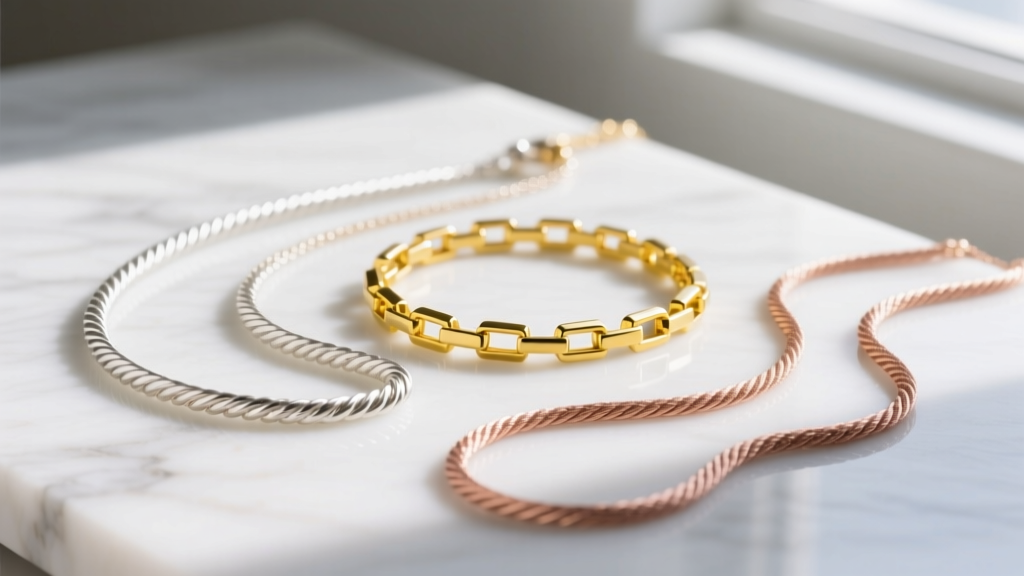
A common failure point in ethical diamond necklaces is the chain. A 1-carat pendant in a solid 14k or 18k recycled gold bezel setting can easily weigh between 3.5 and 5 grams. Suspending this weight on a standard 0.8mm cable chain will result in metal fatigue, kinking, and eventual snapping within 12 to 18 months of daily wear. For pendants in the 1-carat to 2-carat range, upgrade to a 1.2mm to 1.5mm rope, wheat, or box chain. These structures distribute the tensile stress across multiple interlocking planes, significantly extending the lifespan of the necklace.
Recycled Gold: 14k vs. 18k
Pairing your ethical diamond with recycled precious metals completes the blood-free mandate. While 18k recycled gold (75% pure gold) offers a richer, warmer hue and higher intrinsic value, 14k recycled gold (58.3% pure gold) provides superior tensile strength. For heavy, everyday pendant chains, 14k recycled gold is the metallurgically superior choice, offering enhanced durability against the rigors of daily wear while maintaining a lower price point per gram.
Your Actionable Buying Framework
To ensure your investment aligns with both your ethical standards and your financial budget, follow this strict verification checklist before finalizing your purchase:
- Demand the Digital Passport: For natural stones, require blockchain traceability (e.g., Tracr) that traces the diamond to a specific, regulated mine, not just a country of origin.
- Verify Lab Treatments: For lab-grown stones, scrutinize the grading report's comments section to identify any post-growth HPHT color treatments on CVD diamonds.
- Audit the Metal: Ensure the setting and chain are cast from certified recycled gold or platinum, verified by the Responsible Jewellery Council (RJC) Chain of Custody certification.
- Calculate the Total Wear Weight: Match the chain gauge to the pendant weight. Never use a chain thinner than 1.2mm for a pendant exceeding 4 grams.
- Assess Resale Realities: Accept that lab-grown diamonds are consumable luxury goods with near-zero resale value, whereas antique and traceable natural stones retain a measurable percentage of their initial capital.
"True value in modern jewelry is not just about the rarity of the carbon crystal, but the integrity of the hands that mined it, the energy that forged it, and the transparency of the ledger that tracks it."
By prioritizing verifiable data over marketing buzzwords, you can confidently acquire a stunning, blood-free necklace that reflects both your personal style and your ethical convictions, without overpaying for opaque supply chains.


